Where Does Black Muck Gardening Soil Actually Come From?
Black, rich, crumbly soil that seems to make gardens burst with life—black muck soil is often touted as a gardener’s gold. But few home gardeners know exactly where this mysterious material originates. Is it simply composted organic matter, or is there something more ancient and complex beneath its dark surface? The journey of black muck soil from its natural habitat to your raised bed is a fascinating story that weaves together geology, ecology, and agricultural ingenuity.
As the demand for organic gardening and sustainable agriculture rises, black muck soil has captured the attention of both backyard enthusiasts and commercial growers. Its unique composition delivers exceptional fertility, but its true origin remains misunderstood by many. This article will pull back the curtain, tracing black muck soil’s path from primeval wetland to gardening staple, and revealing the ecological, economic, and practical implications behind every shovelful.
Key Takeaways
- Black muck soil forms naturally over centuries in wetland environments rich in decaying plant material.
- Most black muck soil used in gardening is harvested from drained marshes and peatlands, primarily in the northern United States and Canada.
- The extraction and use of black muck soil raise significant environmental and regulatory concerns.
- Black muck’s unique properties make it highly valued for specialty crops, but it is not always the best choice for every garden.
- Understanding the origins and impacts of black muck soil helps gardeners make informed, responsible decisions.
What Is Black Muck Gardening Soil?
Defining Black Muck Soil
Black muck soil is a type of highly organic soil, characterized by its deep black color, fine texture, and spongy consistency. It is technically classified as a Histosol, a soil order dominated by organic matter, usually with more than 20-30% organic content by weight. The dark hue is a direct result of centuries (or even millennia) of partially decomposed plant material, mainly sedges, reeds, and grasses.
This soil is so rich in organic matter that it can be mistaken for pure compost at first glance. However, its structure is far more stable and consistent, owing to its slow natural formation and the intricate layering of decomposed plant material.
The presence of humus, the end product of organic decomposition, gives the soil its characteristic color and crumbly texture. It is this humus that distinguishes muck from other organic soils, providing not only nutrients but also a unique physical structure that supports plant roots.
Formation And Composition
Black muck soil forms under specific conditions:
- Poor drainage: Waterlogged environments slow the decomposition of plant materials.
- Cool to moderate climates: These conditions limit microbial activity, allowing organic matter to accumulate.
- Dense vegetation: Marshes, bogs, and fens supply continuous organic input.
Typical composition includes:
- 50-80% organic matter (mainly humus)
- Mineral content from sand, silt, or clay in varying proportions
- Low bulk density (lightweight and airy when dry)
- High water retention
- Slightly acidic to neutral pH (pH 5.5–7.0)
The mineral fraction, though small, plays a crucial role in balancing soil structure and supporting plant nutrition. This combination of high organic matter and a modest mineral presence creates an ideal environment for root development and robust plant growth. The soil’s low bulk density means it is easily tilled and worked, reducing labor for gardeners and farmers.
Unique Properties And Uses
What sets black muck apart from other soils is its exceptional fertility and structure. It’s prized for:
- High nutrient content (especially nitrogen and potassium)
- Excellent moisture retention
- Easy tillage and root penetration
These characteristics make it a preferred medium for:
- Vegetable production (onions, carrots, lettuce)
- Nursery plants
- Home gardens seeking a fertility boost
In commercial agriculture, muck soils are often chosen for crops that require intensive nutrient input and consistent moisture. Their ability to retain water without becoming waterlogged is especially valuable in regions with variable rainfall. Home gardeners use muck soil to rejuvenate tired beds, establish new plantings, or provide a fertile base for raised beds.
Common Misconceptions
Despite its popularity, black muck is often confused with compost, peat moss, or regular topsoil. Unlike bagged compost, black muck is formed naturally over centuries and is not simply a product of backyard composting or industrial waste processing.
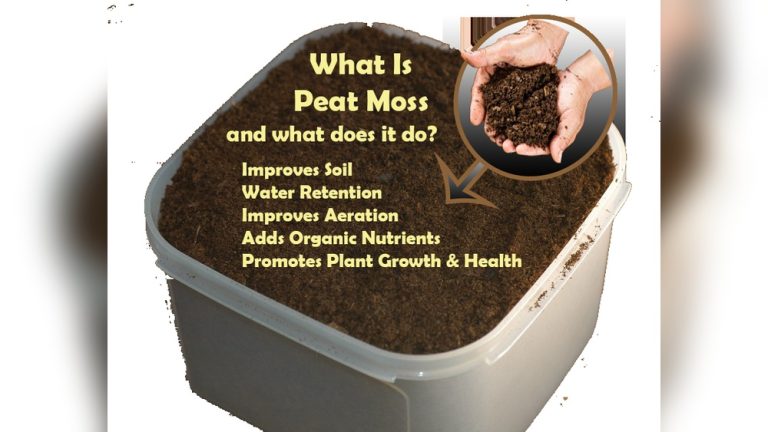
While compost is intentionally produced from kitchen scraps and yard waste in a controlled process, black muck is a result of nature’s slow, steady accumulation of plant material. Peat moss, though also harvested from wetlands, is less decomposed and much more acidic, making it less suitable for many garden plants.
Topsoil, meanwhile, contains far less organic matter and is typically mineral-based, offering different physical and chemical properties.
How And Where Does Black Muck Soil Form?
Wetland Origins
The story of black muck soil begins in wetlands—marshes, fens, and bogs. Over time, dense mats of aquatic plants grow and die, but because the soils are saturated, oxygen is limited. This slows decomposition, allowing thick layers of organic matter, called peat, to accumulate. With continued compaction and mild decomposition, this peat gradually transforms into black muck.
Wetlands are dynamic systems, with water levels rising and falling in response to rainfall, snowmelt, and seasonal changes. The slow rate of decomposition in these environments is essential; without it, organic matter would break down rapidly and muck soil would not form.
The layering effect, with newer plant material on top and older, partially decomposed matter below, creates a gradient of decomposition that is unique to muck soils.
Geographic Distribution
The most extensive natural deposits of black muck are found in:
- Northern United States (Michigan, Ohio, New York, Florida)
- Canada (Ontario, Quebec, Manitoba)
- Northern Europe (the Netherlands, Finland, Russia)
In the United States, the Everglades Agricultural Area in Florida and the Onion Muck regions of New York are especially famous for their muck soils.
| Region | Key Wetland Type | Main Crops | Notable Features |
|---|---|---|---|
| Florida Everglades | Peat marsh | Sugarcane, vegetables | Historic subsidence issues |
| New York “Black Dirt” Region | Fen, marsh | Onions, lettuce, carrots | Glacial origin, high organic content |
| Ontario (Canada) | Bog, marsh | Carrots, celery | Vast muckland acreage |
| Netherlands | Polder peat | Flowers, vegetables | Centuries of land reclamation |
Natural Accumulation Timeline
The creation of black muck soil is a slow process. Research from the US Geological Survey shows:
- 1 inch of muck soil can take 100-400 years to form under natural conditions.
- Some deposits are over 10,000 years old, dating back to the last Ice Age.
This timeline illustrates the immense patience of nature in forming muck soils. In many cases, the original wetland vegetation has been replaced many times over, with each generation contributing to the soil’s organic layer. The oldest muck soils often have a history that stretches back to glacial meltwaters and prehistoric plant communities.
Environmental Factors
Key drivers of black muck formation include:
- Hydrology: Consistent water saturation is essential.
- Climate: Cooler regions slow decay, favoring muck accumulation.
- Vegetation: Sedge and reed dominance yields the richest muck.
The hydrological regime of wetlands is not only crucial for soil formation but also for maintaining the ecosystem’s balance. Changes in water flow, such as seasonal flooding or drought, can accelerate or halt muck formation. Vegetation diversity also plays a role; sedges and reeds are particularly efficient at accumulating biomass and resisting rapid decay, resulting in thicker, more fertile muck layers.

Credit: tacoma.gov
Extraction And Commercial Production Of Black Muck Soil
Harvesting Black Muck From Wetlands
To make black muck available for agriculture or gardening, large-scale drainage is required. Wetlands are often drained using:
- Ditches and canals
- Pumping stations
- Land leveling
Once drained, the muck soil is exposed and made suitable for agriculture or, less commonly, mined for direct sale.
The draining process is complex, often requiring extensive engineering and ongoing maintenance. Water levels must be carefully managed to prevent flooding or excessive drying, both of which can damage the soil and compromise its fertility. In some cases, large pumps operate continuously to keep mucklands dry during the growing season.
From Muckland To Market
The journey from muckland to bagged gardening product involves several steps:
- Screening: Removing roots, large debris, and stones.
- Drying and aeration: Reducing moisture content for bagging and transport.
- Blending: Sometimes, muck is blended with sand, compost, or other amendments.
- Packaging: Sold as “black dirt,” “garden muck,” or similar names.
Industrial screening equipment is used to ensure that the finished product is uniform and free of contaminants. Drying is critical, as muck soil is often harvested in a saturated state and must be brought to a manageable moisture level. Blending allows producers to customize the soil for different uses, such as potting mixes or lawn amendments.
Major Production Regions
In the US, most commercial black muck is sourced from:
- Florida Everglades (large-scale agriculture)
- Orange County, New York (“Black Dirt Region”)
- Midwest peatlands (Michigan, Ohio)
In Canada, Ontario and Quebec are the leading suppliers.
These regions have built entire economies around muck soil. The agricultural output, particularly of onions, carrots, and celery, is a testament to the soil’s productivity. Local communities often have deep ties to muck farming, with generations of growers perfecting techniques for managing and replenishing the soil.
Environmental And Regulatory Challenges
Draining wetlands for muck soil is controversial. The US Environmental Protection Agency (EPA) and similar agencies in Canada and Europe impose strict limits on:
- Wetland conversion
- Peat and muck mining
- Water table management
The loss of wetlands is linked to reduced biodiversity, increased carbon emissions, and long-term soil subsidence. In some regions, such as the Netherlands, centuries of muck extraction have led to entire towns sinking below sea level.
epa Wetlands Protection
The regulatory landscape is constantly evolving, with new policies aiming to balance agricultural needs and environmental protection. In many cases, farmers must obtain permits and comply with monitoring requirements to ensure that muck extraction does not harm local ecosystems or water resources.
Case Study: New York’s Black Dirt Region
In Orange County, New York, centuries of drainage and careful management have turned former swamps into the largest continuous muck soil area in the Eastern US. Here, farmers specialize in onions, with yields up to 1,000 bushels per acre—far higher than on mineral soils. However, ongoing challenges include:
- Soil loss (oxidation, subsidence)
- Water management
- Regulatory constraints
This region showcases both the agricultural potential and the environmental risks of muck soil use.
Farmers in the Black Dirt Region have developed innovative water management systems, including adjustable ditches and automated pumps, to keep the soil at optimal moisture levels. The community has also invested in soil conservation efforts, such as cover cropping and minimal tillage, to reduce erosion and maintain soil health.
Unique Characteristics And Benefits For Gardening
Exceptional Fertility
Black muck’s claim to fame is its natural fertility. With organic matter levels 5–10 times higher than typical garden soil, it provides:
- Abundant nitrogen for leafy growth
- High potassium for root crops
- Micronutrients (boron, copper, manganese)
This fertility is not only due to the sheer volume of organic matter but also to the gradual release of nutrients as the humus decomposes. Unlike synthetic fertilizers, muck soil offers a slow, steady supply of nutrients that supports sustained plant growth throughout the season.
Structure And Water Management
The high organic content gives black muck:
- Loose, fluffy texture when dry
- Excellent water retention, reducing irrigation needs
- Aeration for healthy root growth
However, it can become sticky and compacted when saturated, so drainage is critical.
Proper soil structure is essential for root development. In muck soils, roots can penetrate easily, accessing nutrients and moisture without encountering dense layers. The soil’s ability to hold water is a double-edged sword; while it prevents drought stress, it can also lead to waterlogging if not managed carefully.
Comparison Table: Muck Soil Vs. Topsoil Vs. Compost
| Property | Black Muck Soil | Topsoil | Compost |
|---|---|---|---|
| Organic Matter (%) | 50-80 | 2-10 | 25-70 |
| Nutrient Content | Very high | Moderate | High (variable) |
| Water Retention | Excellent | Good | Good |
| Drainage | Poor to moderate | Good | Good |
| pH | 5.5–7.0 | 6.0–7.5 | 6.0–8.0 |
| Formation Time | Centuries to millennia | Decades to centuries | Months to years |
Real-world Example: Onion Farming In Muck Soils
The “black dirt” of New York is so productive that growers routinely harvest over 500,000 tons of onions per year. The region’s high yields are due to the muck soil’s fertility, but farmers must carefully rotate crops and manage water to prevent disease and soil loss.
Crop rotation is critical in muck soils to break pest and disease cycles. Onions, for example, are rotated with lettuce, carrots, or grains to maintain soil health and reduce the risk of root rot and nematode infestations. Farmers also use precision irrigation systems to match water supply with crop needs, minimizing waste and preventing waterlogging.
Potential Drawbacks
While black muck is a powerhouse, it comes with challenges:
- Compaction and crusting if mismanaged
- Nutrient leaching in heavy rains
- Weed seed banks can be high
- Not always sustainable if sourced from sensitive wetlands
Muck soil’s propensity for compaction and crusting can hinder seedling emergence and reduce oxygen flow to roots. Nutrient leaching is a risk in high-rainfall areas, potentially contaminating nearby water bodies. The weed seed bank, built up over centuries, can lead to vigorous weed growth if not controlled.
Environmental Impact And Sustainability Concerns
Wetland Loss And Biodiversity
Harvesting black muck usually means draining natural wetlands—a process that destroys habitat for countless species. According to the Ramsar Convention on Wetlands:
- 35% of global wetlands have been lost since 1970.
- Wetlands store more carbon per acre than any other ecosystem.
Wetland loss is not just a local issue; it affects global biodiversity and ecosystem services. Wetlands are essential for migratory birds, amphibians, and rare plant species, many of which depend on muck-rich habitats for survival. The conversion of these landscapes to agriculture or mining reduces habitat complexity and can lead to species declines.
Carbon Release And Soil Subsidence
Draining muck soils releases stored carbon as CO₂, contributing to climate change. The soil surface physically sinks as organic matter oxidizes—a process called subsidence. In the Everglades, some mucklands have subsided by more than 6 feet since the early 20th century.
Subsidence is a hidden cost of muck soil use. As organic matter decomposes in the presence of oxygen, the soil shrinks and loses volume. This can lead to flooding, infrastructure damage, and loss of productive farmland. In extreme cases, entire communities have had to abandon muckland areas due to persistent subsidence.
Regulatory Protections
Due to these risks, most countries now regulate or restrict:
- New wetland drainage
- Peat and muck mining
- Fertilizer and pesticide use on muck soils
For example, in the European Union, the Natura 2000 network protects sensitive habitats, including many peatlands.
Regulations often require restoration efforts, such as re-flooding drained mucklands or planting native vegetation. Monitoring programs track soil health, water quality, and biodiversity to ensure that muck extraction does not cause irreversible harm.
Sustainable Alternatives
To address these impacts, the industry is shifting toward:
- Restoration of drained mucklands (re-wetting)
- Use of composted organic matter as an alternative
- Peat-free and muck-free potting mixes for home gardening
Some companies now offer “muck-style” soil blends made from coconut coir, wood fiber, and compost—delivering high fertility without wetland destruction.
Coconut coir, in particular, has gained popularity as a sustainable alternative. It is a renewable byproduct of the coconut industry, offering high water retention and a neutral pH. Compost blends can be tailored to match muck soil’s nutrient profile, providing gardeners with eco-friendly options.
Case Study: Peatland Restoration In Canada
In Quebec, the Canadian Sphagnum Peat Moss Association works with growers to restore harvested bogs by replanting native mosses and re-wetting sites, successfully returning some areas to near-natural conditions within 10-20 years.
Restoration projects are complex, requiring careful planning and ongoing monitoring. Native mosses are chosen for their ability to rebuild peat layers, while water management systems recreate the hydrological conditions needed for muck formation. These efforts demonstrate that, with commitment and resources, degraded mucklands can be restored to functional wetland ecosystems.
Black Muck Soil In Modern Agriculture And Gardening
Commercial Crop Production
Muck soils are still vital for specialty vegetable crops. Florida’s Everglades Agricultural Area produces a significant portion of the US’s sugarcane, lettuce, and sweet corn. In Canada, black muck supports the celery and carrot industries.
The productivity of muck soils is so high that entire supply chains depend on their output. Processing plants, storage facilities, and transportation networks are designed around muck-grown crops, ensuring that fresh produce reaches markets efficiently.
Home Gardening Applications
For home gardeners, black muck is typically used to:
- Improve raised beds
- Top-dress lawns
- Grow root vegetables and leafy greens
Its high fertility can jumpstart poor soils, but gardeners must balance with good drainage and pH management.
Muck soil can be particularly useful in urban settings, where native soils are often compacted or contaminated. By adding muck to raised beds or containers, gardeners can create a productive growing environment for vegetables, flowers, and herbs.
Sourcing For Home Use
Quality and sustainability vary widely. Some “black dirt” products are true muck; others are blends or lookalikes. Best practices include:
- Asking suppliers about the source and environmental practices
- Choosing local products to reduce transport emissions
- Using alternatives (compost, coir) when available
Gardeners should also consider the environmental footprint of their soil choices. Transporting muck soil over long distances increases carbon emissions and costs. Locally sourced compost or organic amendments can often provide similar benefits with less environmental impact.
Real-world Example: Urban Gardening With Muck Soil
In Chicago, community gardens have used trucked-in black muck to revitalize vacant lots. Yields improved dramatically, but ongoing monitoring is needed to manage drainage and potential compaction.
Urban gardeners have found that muck soil can transform neglected spaces into productive oases. However, they also report challenges with managing water, as muck soils can become waterlogged in heavy rains. Regular testing and soil amendments help maintain optimal conditions.
Case Study: Sustainable Muck Farming In The Netherlands
Dutch growers, facing land subsidence, have shifted toward controlled water management and peat-free horticultural substrates. By balancing productivity with conservation, they maintain high yields while reducing environmental impacts—a model now studied worldwide.
Dutch innovations include precision irrigation, automated water control systems, and the use of crop residues to rebuild organic matter. Research institutions collaborate with farmers to develop best practices for sustainable muck soil management.
How To Identify, Test, And Use Black Muck Soil
Visual And Physical Identification
Black muck soil is instantly recognizable by:
- Deep black color (from high humus content)
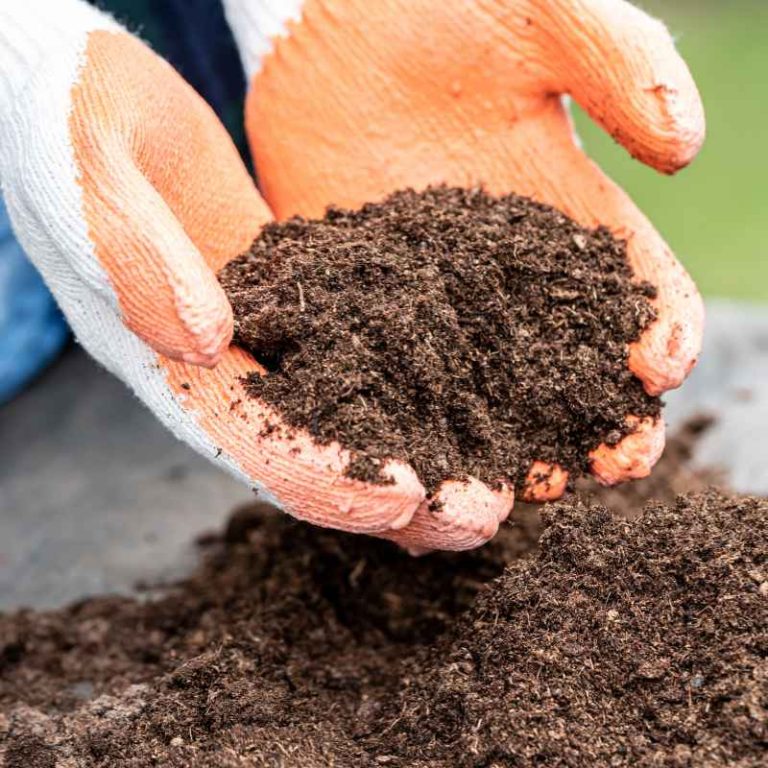
- Soft, spongy feel when moist; powdery when dry
- Distinct earthy smell (no foul odors)
Experienced gardeners can often identify muck soil by touch alone, noting its unique combination of softness and resilience. The smell, reminiscent of rich forest earth, is a sign of healthy, stable humus.
Laboratory Testing
For precise gardening applications, consider:
- Organic matter percentage
- Nutrient analysis (N, P, K, micronutrients)
- PH test
Most county extension offices or agricultural labs offer muck soil testing services.
Testing is essential for tailoring soil amendments and fertilizer applications. High organic matter may mean less need for supplemental nitrogen, while pH adjustments can ensure optimal nutrient uptake. Testing also reveals potential contaminants or excess salts.
How To Use Black Muck Soil Effectively
To maximize benefits and reduce risks:
- Blend with mineral soil or sand for better drainage.
- Monitor pH—add lime if too acidic.
- Avoid over-application—muck is potent; small amounts can suffice.
- Rotate crops to avoid disease build-up.
- Mulch and cover when not in use to prevent erosion and oxidation.
Gardeners should start with small amounts, observing plant response and adjusting as needed. Covering exposed muck soil with mulch reduces evaporation and protects against erosion, particularly in windy or rainy climates.
Best Practices For Sustainability
- Source responsibly—ask about environmental impact.
- Use only what you need; supplement with compost.
- Restore soil structure with cover crops or organic mulch.
Sustainable gardening means considering the broader impact of soil use. Cover crops, such as clover or rye, can help rebuild organic matter and prevent nutrient loss. Composting kitchen and yard waste provides a renewable source of organic amendments.
Comparison Table: Black Muck Vs. Peat Moss Vs. Coconut Coir
| Property | Black Muck Soil | Peat Moss | Coconut Coir |
|---|---|---|---|
| Origin | Drained wetlands | Sphagnum bogs | Coconut industry byproduct |
| Organic Matter (%) | 50-80 | 90+ | 80-90 |
| Water Retention | Excellent | Excellent | Excellent |
| pH | 5.5–7.0 | 3.5–4.5 | 5.5–6.8 |
| Environmental Impact | High (if not restored) | High (if not restored) | Low |
| Typical Uses | Field crops, gardens | Potting mixes, seed starting | Potting mixes, hydroponics |
Frequently Asked Questions
What Is The Difference Between Black Muck Soil And Peat Moss?
Black muck soil and peat moss both originate from wetland environments and are rich in organic matter, but they differ in their stage of decomposition and use. Peat moss is less decomposed, more acidic, and is harvested mainly from sphagnum bogs for use in potting mixes. Black muck is more decomposed, usually neutral to slightly acidic, and is primarily used for field crops and garden soil improvement. For more on the science behind peat, see Wikipedia: Peat.
Peat moss is often favored for starting seeds and as a soil conditioner in pots, due to its lightness and water-holding capacity. Black muck, meanwhile, excels in field applications and garden beds where sustained fertility and moisture are required. The choice between the two depends on the specific needs of the plants and the desired soil characteristics.
Is Black Muck Soil Sustainable To Use In Home Gardens?
The sustainability of using black muck soil depends on its source. If harvested from drained, unrestored wetlands, its use can be environmentally damaging—contributing to wetland loss and carbon emissions. However, some suppliers implement restoration efforts or offer alternatives. For eco-conscious gardeners, consider compost or coconut coir instead. More on sustainable gardening can be found at Garden Organic.
Sustainable use also involves minimizing waste and maximizing the benefits of muck soil. By combining it with other organic amendments and practicing crop rotation, gardeners can reduce their dependence on extracted muck and support healthier, more resilient soils.
Can Black Muck Soil Be Made Or Replicated At Home?
It is nearly impossible to create true black muck soil at home, as natural formation takes centuries under unique wetland conditions. However, gardeners can replicate its benefits by blending compost, leaf mold, and worm castings with existing soil, or by using commercial organic amendments. For DIY soil improvement, visit University of Minnesota Extension.
Homemade soil blends can mimic muck’s high organic content and nutrient profile, providing similar benefits for plant growth. Regular addition of compost and organic mulch helps build up soil fertility and improve structure over time.
What Crops Grow Best In Black Muck Soil?
Root vegetables (onions, carrots, beets), leafy greens (lettuce, spinach), and some specialty crops (celery, herbs) thrive in black muck soil due to its fertility and moisture retention. However, proper drainage and crop rotation are crucial to prevent disease and maximize yields.
Other crops, such as potatoes and radishes, also perform well in muck soils, provided that soil structure and pH are properly managed. In regions with heavy rainfall, raised beds or drainage systems may be necessary to prevent waterlogging and ensure healthy root development.
How Do I Know If The “black Dirt” I Buy Is Real Black Muck Soil?
Ask your supplier for details on the soil’s source and composition. Genuine black muck soil should be deep black, spongy, and rich in organic material. Be wary of products labeled “black dirt” that are simply dyed topsoil or sand. Look for third-party certifications or local extension office recommendations for trustworthy sources.
Local extension offices can provide guidance on reputable suppliers and help gardeners identify authentic muck soil. Certifications such as organic or sustainable sourcing can also indicate responsible production practices.
References And Further Reading
- USGS: Wetlands
- USDA NRCS: Histosols
- Agriculture and Agri-Food Canada: Organic Soils
- Ramsar Convention on Wetlands
- Wikipedia: Histosol
- Nature: Peatland Carbon Loss
The story of black muck gardening soil is as complex and rich as the soil itself. By understanding its origins, characteristics, and the environmental consequences of its use, gardeners can make informed choices that benefit both their plants and the planet.
Whether you’re growing onions on a muck farm or adding a bag to your backyard bed, awareness is the first step toward responsible, sustainable gardening.