How to Choose the Right Soil for Container Landscaping
Choose a fast-draining potting mix for thirsty annuals, a moisture-retentive mix for plants that dry out quickly, and a lighter blend for large containers; if a squeezed handful stays clumped or soggy for more than a minute, skip it. Wrong soil can leave roots oxygen-starved, stunt growth, and make watering harder to manage. Use potting mix for containers, check the label for aeration ingredients, and match the medium to drainage needs, plant thirst, and planter size before you plant.
What you need


Start with the container medium itself, then add a few basic tools for checking drainage and fit. A label check matters too, because bagged mixes vary a lot and some are pre-fertilized.
- Potting mix, or the components to blend one
- A container with drainage holes
- Water for a squeeze-and-drain test
- A small trowel or scoop
- A bucket or tub for mixing
- Optional: pH and nutrient test kit
📊 UF/IFAS Standard Soil Fertility Test costs $10 per sample plus shipping. Source: Choosing the Right Soil Test.
Do you need potting mix or garden soil for containers?
Use potting mix for containers. Garden soil and topsoil are usually too dense for pots, can stay waterlogged, and may carry weed seeds or debris. Potting mix is the preferred medium for container gardening because it is built to let water and air move through the root zone.
For pots, that difference matters more than fertility alone. Roots need air spaces as much as moisture. In-ground soil can work in beds, but in a container it often compacts and forms a soggy lower layer that slows drainage and can lead to root rot.
If you are choosing between a bagged mix and an in-ground blend, the bagged mix usually wins for planters, hanging baskets, and patio containers. A good label will mention perlite, vermiculite, sphagnum moss, peat-type material, or bark fines, all of which help manage air and water.
Fill containers with a potting mix matched to the plant and planter, then adjust only when the mix is clearly too dense or too dry. For most containers, you do not need to reinvent the base formula. You need a mix that drains at a predictable rate and does not pack down after watering.
A simple DIY blend works when you want control over moisture. For a balanced container mix, a common starting point is 2 parts potting mix, 1 part compost, and 1 part perlite. For a drier site or drought-tolerant plants, reduce compost and increase perlite. For thirsty annuals, add a bit more sphagnum moss or vermiculite.
Three common mix profiles
- Fast-draining: 2 parts potting mix, 1 part perlite
- Balanced: 2 parts potting mix, 1 part compost, 1 part perlite
- Moisture-holding: 2 parts potting mix, 1 part compost, 1 part vermiculite or sphagnum moss
Blend the ingredients dry first, then moisten them evenly before filling the pot. That keeps the mix from settling unevenly and makes the drainage test more reliable. Do not press the mix down hard as you fill; gentle settling is enough.
For a large outdoor planter, a common first-timer mistake is adding too much compost because it looks “rich.” Picture a 24-inch patio pot in partial shade: if the mix stays wet after watering, the plant may yellow at the base and stop growing well. The fix is usually lighter structure, not more fertilizer.
- Measure the ingredients by volume.
- Mix them in a tub until the texture is even.
- Add water gradually until the mix is uniformly damp, then fill the container without packing it down.
How do you match mix to the planter?
Match the mix to container size, plant thirst, and drainage risk. Small pots dry faster and need more water retention; large outdoor planters hold more moisture and often need a lighter mix if rain, shade, or weak drainage increases rot risk. Wind and irrigation frequency matter too.
A deep planter with one or two drainage holes behaves differently from a wide, shallow bowl. Large pots also add weight and can compact under their own mass. In those cases, keep the mix loose and avoid heavy garden soil, especially if you move containers or place them on decks.
Decision rule by use case
Use a fast-draining mix for drought-tolerant herbs, succulents, and other plants that dislike wet feet. Use a balanced mix for mixed seasonal containers. Use a moisture-holding mix for thirsty annuals, hanging baskets, and small pots that dry out quickly.
What should container soil ingredients have?
Look for a mix that balances drainage and moisture. Perlite opens the structure and helps water move through. Vermiculite holds moisture and helps smooth out drying. Sphagnum moss or peat-type material helps the mix retain water without turning dense. Potting mix is often formulated to be sterile, which reduces unwanted seeds and pests.
Compost can add fertility, but it is not a complete container medium. It needs aeration ingredients to avoid packing down. Some commercial potting mixes are pre-soaked in chemical fertilizers, so check the label if you want full control over feeding. Too much starter fertilizer can burn tender roots in small pots.
What to check on the label
Look for the intended use, the presence of aeration ingredients, and whether the mix includes added fertilizer. If the bag says “garden soil” or “topsoil,” put it back for containers. If it says “potting mix,” verify whether it is plain or fertilizer-enhanced before buying.
Container soil decision table
This table links planter type, plant thirst, and drainage risk to a mix profile and a rough cost direction. Bagged mix is often simpler for small containers, while bulk fill can make sense for multiple large planters if the supplier’s per-container cost comes out lower after delivery.
| Planter type | Plant water need | Drainage risk | Recommended mix profile | Cost note |
|---|---|---|---|---|
| Small pot, 8-12 inches | Thirsty annuals | Low to moderate | Balanced mix with vermiculite or sphagnum moss | Bagged mix usually cheaper and easier |
| Medium patio planter, 12-18 inches | Mixed seasonal plants | Moderate | Potting mix with perlite and a modest compost share | Bagged mix is often the simplest choice |
| Large outdoor pot, 18 inches and up | Moderate to thirsty | High | Lighter mix with extra perlite, less compost | Bulk fill can be cheaper per container if several pots are being filled |
| Deep urn or raised-style planter | Low to moderate | High | Fast-draining mix with minimal dense material | Bulk may win if multiple fills are needed |
When bulk fill is cheaper
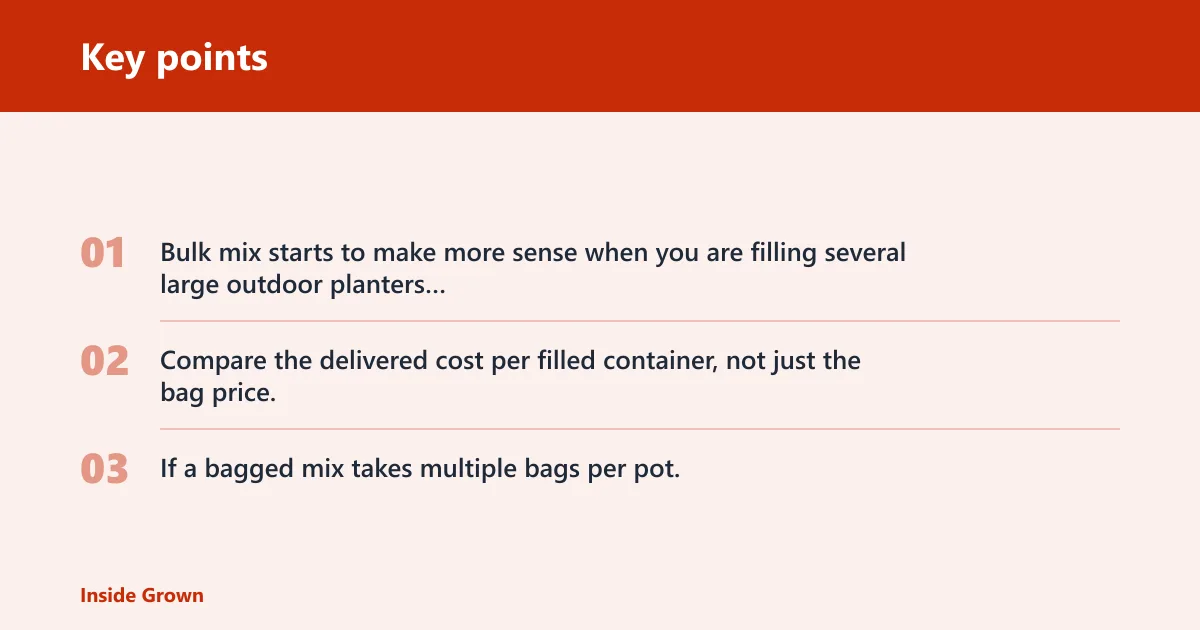
Bulk mix starts to make more sense when you are filling several large outdoor planters at once. Compare the delivered cost per filled container, not just the bag price. If a bagged mix takes multiple bags per pot, bulk may lower the per-container cost even after delivery.
How do you know the mix drains fast enough?
Use a quick squeeze-and-drain test before buying a lot of mix or filling a container. The goal is simple: the media should hold enough moisture for roots, but it should not form a sticky clump or release water slowly enough to stay soggy. Slow drainage raises root-rot risk and can create a perched water layer in the pot.
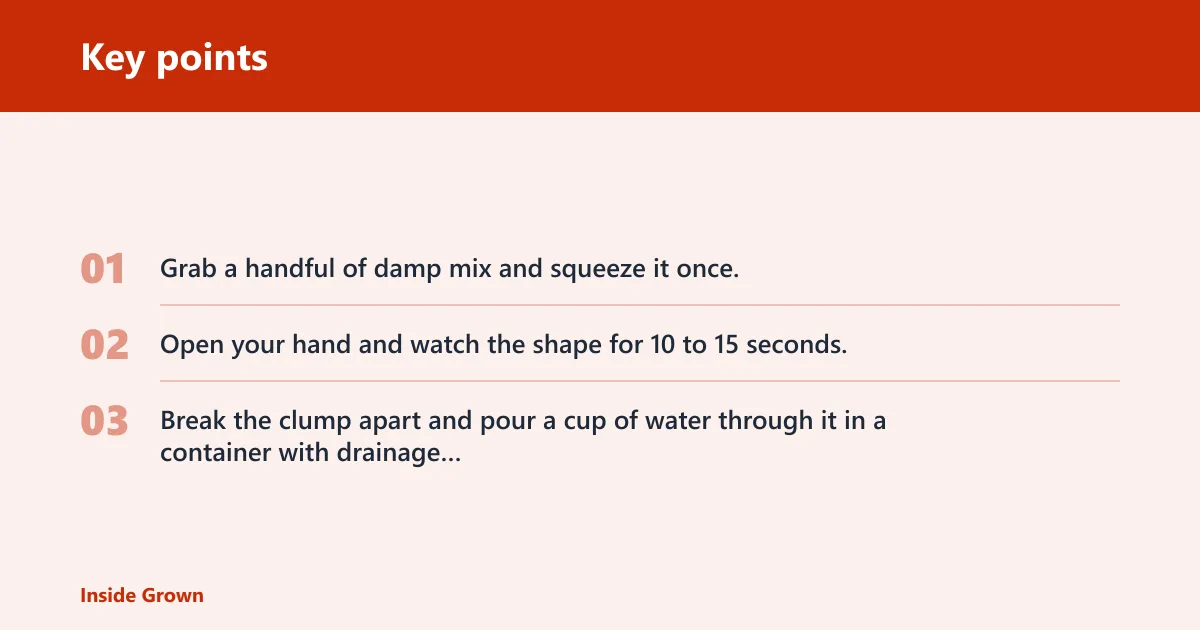
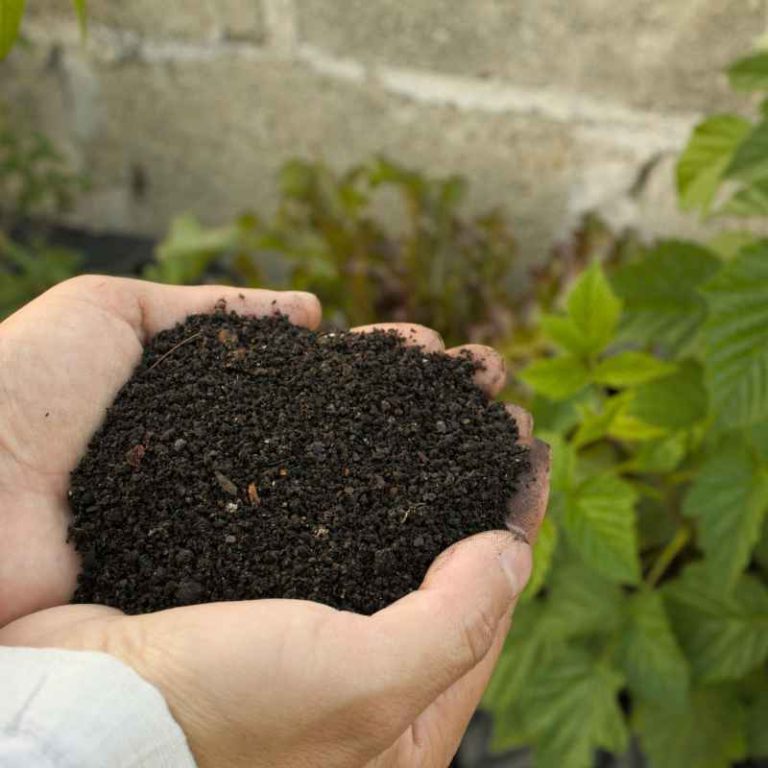
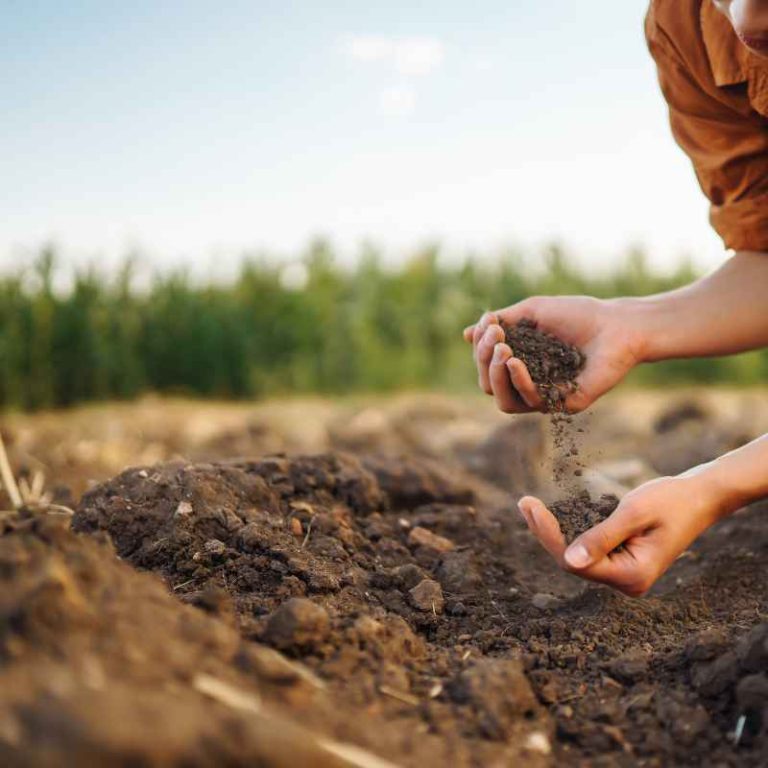
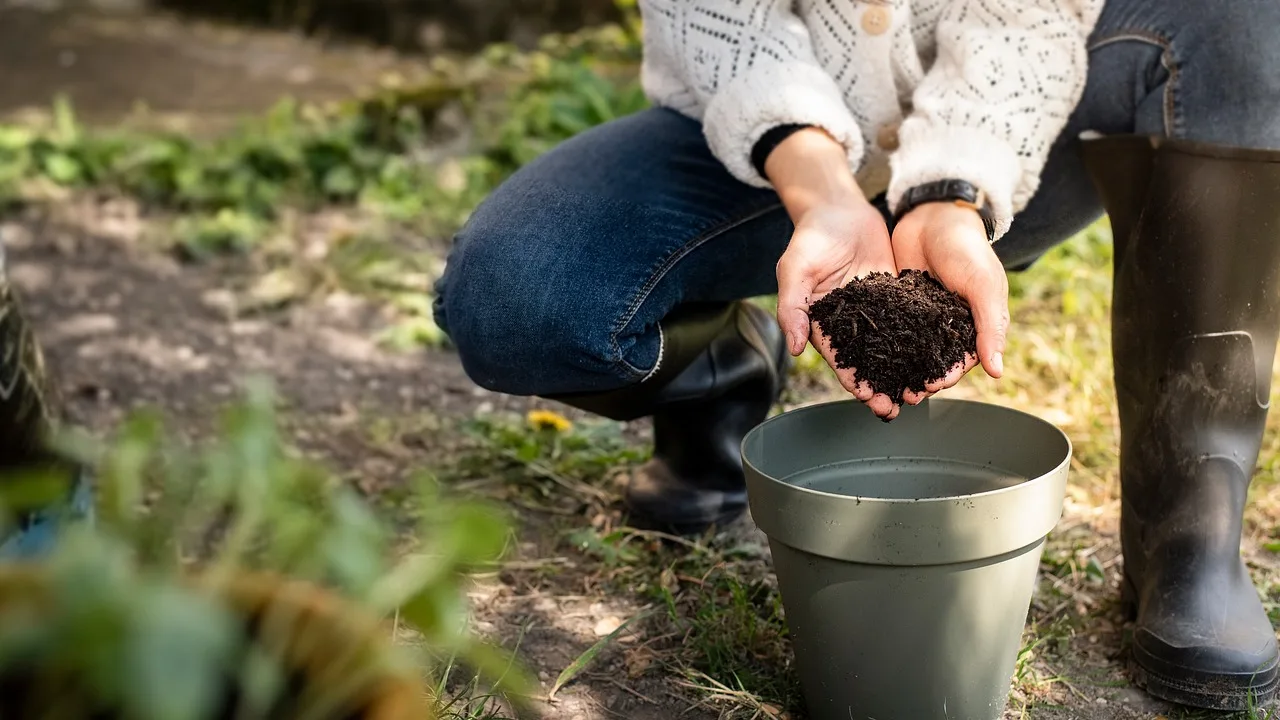
- Grab a handful of damp mix and squeeze it once.
- Open your hand and watch the shape for 10 to 15 seconds.
- Break the clump apart and pour a cup of water through it in a container with drainage holes.
If it falls apart easily and drains within seconds, the structure is usually workable. If it stays in a wet lump, or water sits on top before moving through, add more perlite. If it feels airy but dries too fast for your plant, add a bit more vermiculite or sphagnum moss.
Suppose a 14-inch fern planter drains slowly after the test and the mix remains glossy and packed. That points to too much compost or too little aeration. The next step is to lighten the blend by replacing 10 to 20 percent of the volume with perlite, then repeat the test.
How often should container soil be refreshed?
Refresh container soil when it has lost structure, shrunk noticeably, or stopped draining well. Potting mix in a container may last 5-6 growing seasons, but nutrients and texture decline over time. For annual plantings, a top-up each season is common; for perennial containers, partial replacement is often better than a full dump.
When the root ball fills most of the pot, replace or trim and refresh the mix. A simple top-up can be 1 to 2 inches of fresh potting mix on top of settled media, followed by a recheck of drainage. If the planter keeps compacting, replace more of the old mix.
When a soil test is worth doing
Use a soil test when plants stall, leaves pale without an obvious watering issue, or you are reusing an older mix and want to check pH and nutrient deficiencies. A lab test can do more than guesswork, and some extension options provide pH, lime requirement, and nutrient recommendations.
If you are growing a demanding crop or correcting a recurring problem, a soil test is more useful than adding random fertilizer. The results tell you whether the issue is acidity, low fertility, or something else in the medium.
Common mistakes
Most container problems come from dense soil, too much water-holding material, or poor drainage hardware. Avoiding those errors matters more than using an expensive blend. A container with no drainage holes will fail no matter how good the mix is.
- Using garden soil or topsoil straight from the bed
- Packing the mix down too tightly
- Overloading compost and reducing air space
- Ignoring drainage holes or letting saucers stay full of water
- Choosing a fertilizer-heavy mix for very small pots without adjusting feed later
If that didn’t work, try this next
If a container still drains slowly after you adjust the mix, move to the pot and hardware. Make sure the drainage holes are clear, raise the pot slightly so water can escape, and empty saucers after watering. For outdoor planters in wet weather, choose a lighter blend and reduce compost further.
Frequently asked questions
What kind of soil is best for container gardening?
Potting mix is the best default choice because it is built for containers, not beds. It allows water and air to move through the root zone, which helps prevent compaction and waterlogging. For most pots, choose a mix labeled for containers rather than garden soil or topsoil.
What ingredients should container soil have?
Look for a base of potting mix with ingredients such as perlite for drainage, vermiculite for moisture retention, and sphagnum moss or peat-type material for balance. Compost can add fertility, but it should sit alongside aeration ingredients rather than replace them.
How do I know if my container soil is draining too slowly?
Run the squeeze-and-drain test. If a damp handful stays clumped, feels sticky, or holds water for more than a minute after watering, the mix is too dense. Add more perlite for drainage, or reduce compost if the blend is holding excess moisture.
What type of soil is best for outdoor pots and planters?
For outdoor pots and planters, use a lighter potting mix with strong drainage and enough moisture retention for the plant’s water demand. Large containers often need extra perlite and less dense material because they hold more water, more weight, and face more wind and weather.
What type of soil is best for landscaping?
For in-ground landscaping, soil choice depends on the site, but beds usually use native soil improved with amendments rather than container potting mix. Soil testing can help identify pH and nutrient deficiencies before planting, especially when drainage is poor or the site has repeated plant failures.