What Is Contaminated Soil and How Do You Spot It?
Contaminated soil is soil with harmful chemicals, heavy metals, pathogens, or waste at levels that can harm people, pets, plants, or groundwater; if you see stained fill, chemical odors, ash, debris, or dead patches, treat it as suspicious and test it. Ignoring it can expose people, pets, and vegetables to toxins through skin contact, dust, or swallowed soil. This guide explains visible warning signs, when they do and do not mean contamination, and when you need lab testing or a professional assessment.
What contaminated soil means
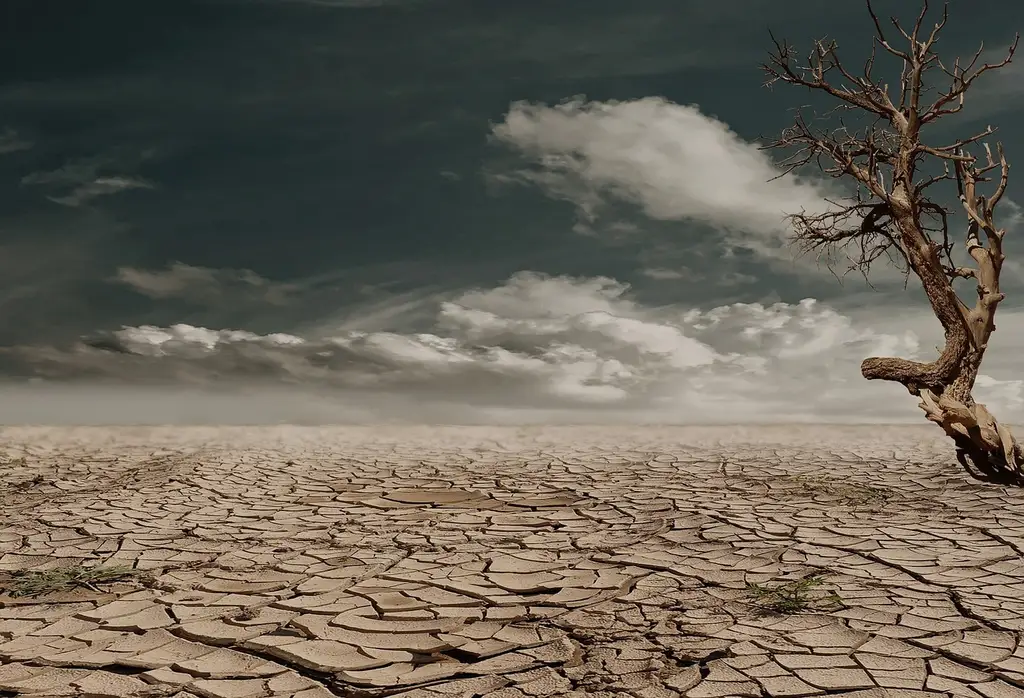
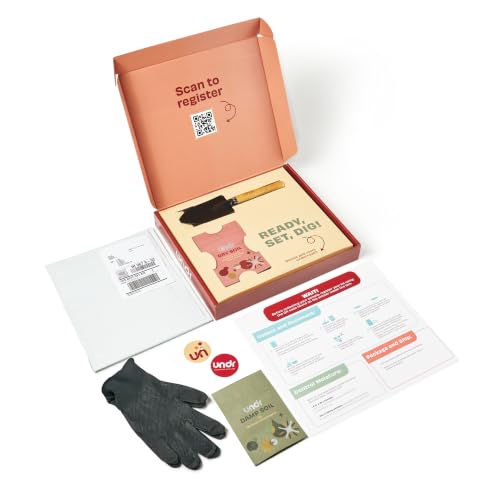


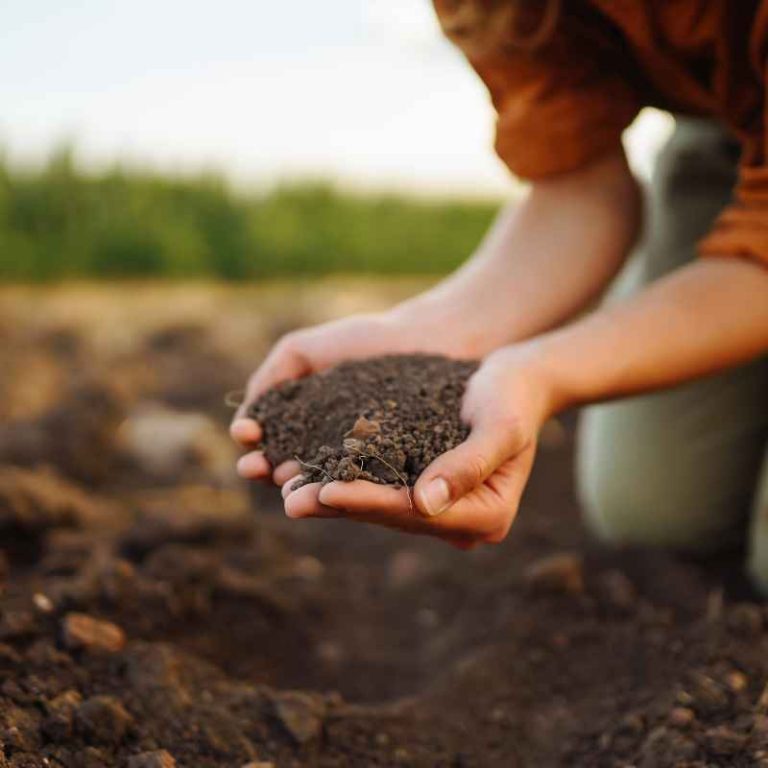
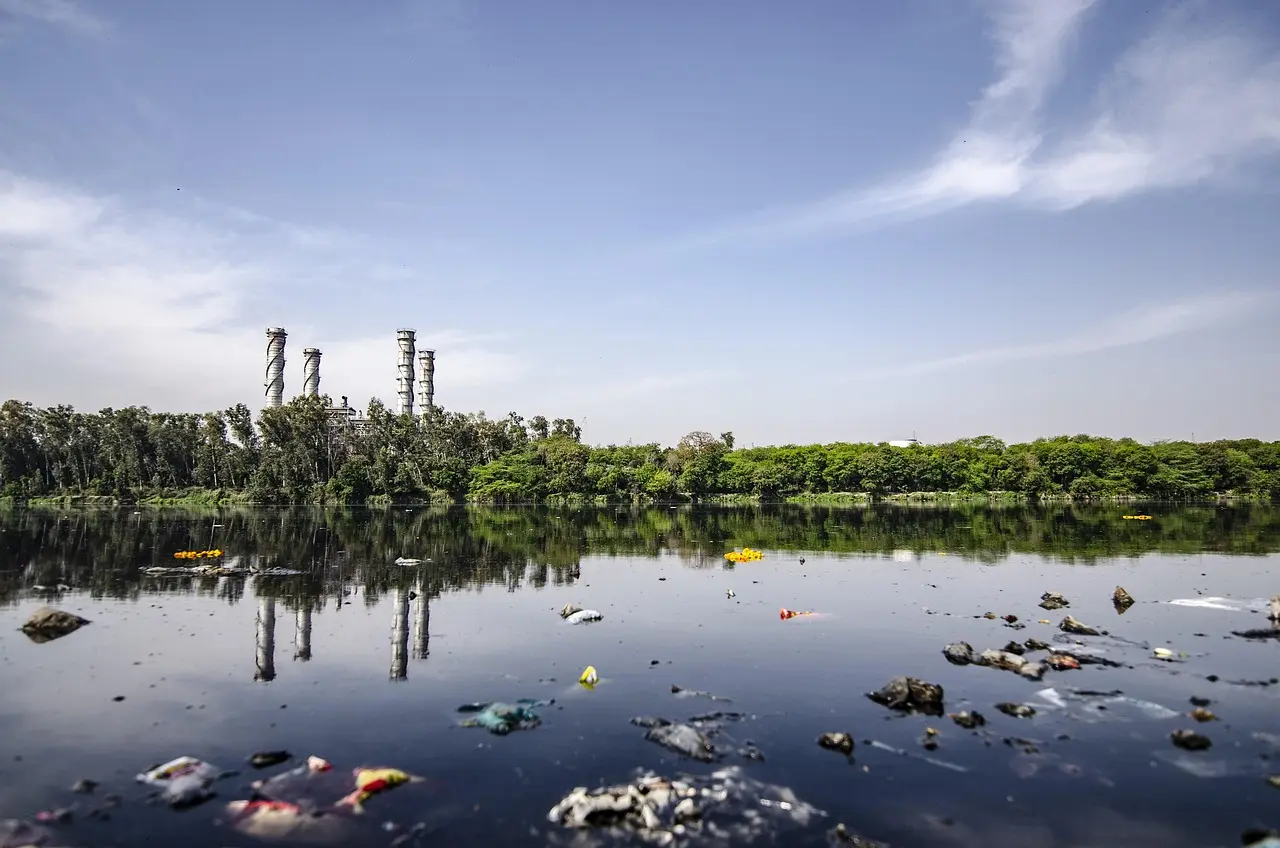
Contaminated soil contains a harmful substance at a level that can create risk for people, pets, plants, or groundwater. The source may be obvious, such as a spill, or hidden, such as lead in old fill dirt or petroleum that has soaked below the surface.
Some contamination is visible. Some is not. That is why a dark stain or odd smell should raise suspicion, but a clean-looking surface does not rule out a problem. Lead, arsenic, and other heavy metals often leave no odor or visible mark, so lab confirmation matters.
Common source types
Home sites often pick up contamination from oil or fuel spills, waste dumping, ash from burning, demolition debris, and imported fill dirt. Fill is a frequent problem because it may contain rubble, coal ash, treated wood fragments, or soil from a disturbed industrial site.
Contamination also shows up after fire damage, roof runoff from old coatings, repeated equipment leaks, or burying debris on site. If the source is still present, capping alone may reduce exposure but will not remove the hazard.
What are the signs of contaminated soil?
Common signs can include dark staining, greasy patches, an unusual odor, dead or weak vegetation in a defined area, ash or soot, and buried debris. Those clues point to suspicion, not proof. Visual signs can help you decide whether to keep children and pets away and whether testing is worth doing.
Oil staining and greasy patches
Petroleum contamination often leaves dark, wet-looking, or shiny soil. The odor may resemble fuel, motor oil, solvent, or asphalt. Spill areas near driveways, garages, tanks, equipment pads, or burn pits deserve extra caution because petroleum can move through soil and linger underground.
Unusual odors
A strong chemical smell is a red flag, especially after rain or when the soil is disturbed. Odor can suggest petroleum, solvent, waste, or decaying material. A smell alone does not tell you the contaminant, and a weak smell does not mean the area is safe.
Dead vegetation patches or poor growth
If one patch of lawn, bed, or border strip keeps dying while nearby plants do fine, suspect contaminated fill, buried debris, or a spill zone. Plant stress can also come from drainage or compaction, so compare the area with similar soil nearby before assuming contamination.
Ash, soot, and buried debris
Black residue, gray ash, cinders, brick chunks, metal scraps, or mixed rubble point to disturbed fill or burn debris. Buried debris matters because it can include asbestos-containing material, old construction waste, or sharp fragments that become exposure hazards when dug up.
What hazards are most common in home soils?
The most relevant home-garden hazard is lead. Other heavy metals can appear too, along with petroleum contamination and asbestos-containing material in demolition fill or rubble. These hazards differ in how they spread, how they are tested, and how urgently you should stop disturbing the soil.
Heavy metals, especially lead
Lead is a common home-garden concern because it can remain in soil for decades and is often linked to old paint, historic vehicle exhaust, or contaminated fill. Other metals may include arsenic, cadmium, chromium, copper, nickel, and zinc. Many have no odor or visible cue.
Heavy metals matter because they can move onto hands, shoes, toys, and produce. Root crops and leafy vegetables can pick up some contaminants from soil or dust. A home glance cannot confirm or clear metal contamination; laboratory testing is the reliable check.
Petroleum contamination
Oil, fuel, and grease are common in yards near tanks, parked vehicles, equipment, garages, and service areas. Petroleum contamination often causes dark staining and a hydrocarbon odor. It may create a slip hazard at the surface and a broader soil hazard below the stain.
Asbestos-containing material
Asbestos concern usually comes from demolition fill, buried pipe insulation, roofing fragments, siding, or broken construction waste. Do not dig through suspect debris to “see what it is.” If asbestos is possible, stop disturbance and call a specialist for assessment and handling guidance.
Other contaminants with no obvious cue
Some pesticides, solvents, PFAS-related issues, and industrial residues may not show clear visual signs. That is why a patch of soil can look ordinary and still need sampling. If the property has a known use history, visible fill layers, or a spill record, lab testing becomes more important.
When is soil unsafe to disturb?
Stop digging if you find oily soil, buried drums or rubble, ash layers, suspect asbestos debris, strong chemical odor, or a spill near a tank, drain, or utility area. Disturbing contaminated soil can create dust, spread material to clean parts of the yard, and increase exposure.
Dust control matters because common exposure routes include hand-to-mouth contact, inhalation of soil dust, crop uptake, and tracking soil indoors on shoes and tools. A small area can still matter if children play there or if vegetables, herbs, or pet areas are nearby.
Basic PPE for cautious inspection
For a cautious visual check, wear gloves and sturdy boots, and avoid sweeping, blowing, or dry digging. Keep soil damp enough to limit dust if you must inspect the surface. That protection is limited, though. It does not make suspect debris, asbestos, or a spill zone safe to excavate.
Keep kids, pets, and gardens away
If the area may be contaminated, block access until you know more. Keep children from playing there, prevent pets from digging or tracking soil inside, and do not harvest food from that spot. For mixed-use yards, treat vegetable beds and play areas as higher priority than ornamental borders.
Soil contamination decision checklist
Use this checklist to sort a warning sign into three levels: cautious monitoring, lab testing, or professional assessment. The goal is to separate a suspicious patch from a confirmed hazard and from a situation that should stop work right away.
| Warning sign observed | Likely contamination category | Recommended next step | Best fit |
|---|---|---|---|
| Oil staining | Petroleum contamination | Avoid digging, keep people away, and arrange soil testing if the area will stay in use | Lab testing |
| Unusual odor | Petroleum, solvent, or waste contamination | Stop disturbance and test before using the area for planting or play | Lab testing |
| Buried debris | Demolition fill, possible asbestos, mixed waste | Do not dig further; call an environmental professional | Professional assessment |
| Dead vegetation patches | Possible heavy metals, fill disturbance, or spill area | Compare with nearby soil, then test before planting edibles | Lab testing |
| Ash or soot | Fire residue, burned waste, or ash-filled fill | Avoid disturbance and test if the area will be used for gardening or frequent access | Lab testing |
| Imported fill dirt | Unknown fill, possible heavy metals, rubble, or waste | Verify source if possible; test before planting and before deep digging | Lab testing |
How do you test soil for contamination?
Testing starts with the right kind of sample. Screening tests give a quick look and can help narrow a problem, while laboratory testing gives the more reliable result for deciding what to do next. If the area may contain lead, petroleum, or buried waste, lab analysis is the safer choice.
Screening tests vs laboratory testing
Screening may include field kits, portable meters, or visual inspection paired with a history of the site. These tools can flag a likely problem, but they do not replace lab analysis. Laboratory testing is commonly used for lead and other metals, petroleum hydrocarbons, and selected organic contaminants.
Basic sample collection steps
- Choose the area to test, and keep it separate from clean yard soil.
- Remove surface litter only if the sampling plan allows it.
- Collect soil from the depth that people or roots will contact, often the top few inches for gardening questions.
- Use clean tools and clean containers to avoid cross-contamination.
- Label samples clearly by location and depth.
- Follow the lab’s instructions for drying, sealing, and shipping.
Before sampling, avoid spreading soil across the yard or mixing a suspicious patch with clean soil. That can blur the result. If a spill happened recently, note the location, time, and any cleanup already done, because that context helps the lab and the assessor interpret the result.
When professional sampling is worth it
Professional sampling is worth it when the suspected source is serious, the property history is uncertain, or the area may involve asbestos, buried debris, or a spill that could extend beyond the visible patch. A professional can choose sample locations, interpret the result, and plan next steps.
What should you do if contamination is confirmed?
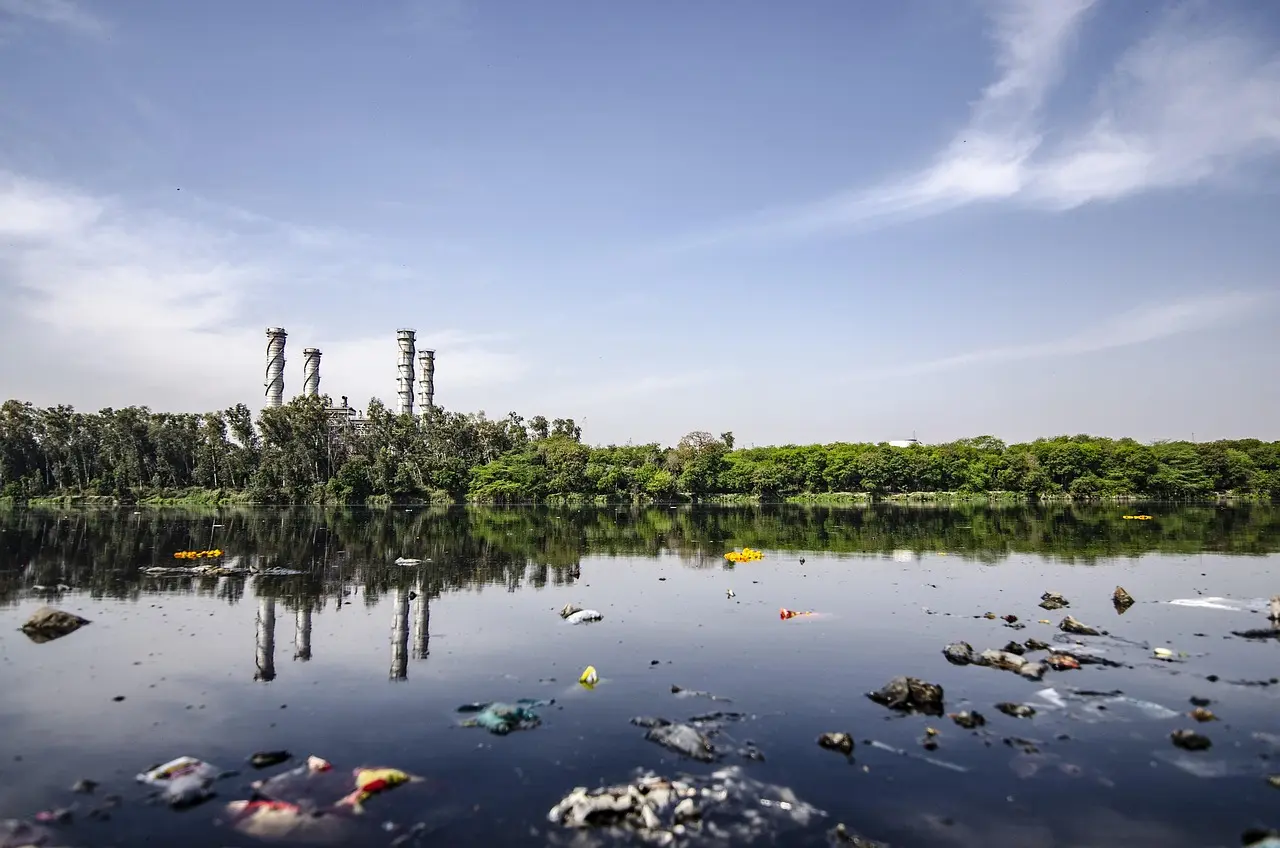
If testing confirms contamination, the next move depends on the substance, the level, and how the area is used. Common options include excavation and replacement, capping or covering, containment, and access restriction. Do not assume one fix fits every soil problem.
Excavation and replacement
Removal is often used when contaminated soil is shallow and the source can be fully taken out. After excavation, the area can be backfilled with verified clean fill or replacement soil. The replacement soil must be suitable for the intended use, especially for vegetable beds.
Capping or covering
Capping uses clean soil, mulch, paving, geotextile, or another barrier to reduce contact with contaminated soil below. This can work for some low-disturbance areas, but it is not a fix if the source remains active underneath. If people will dig there later, the cap can be disturbed.
Containment and access restriction
Containment can include fencing, signage, raised beds, or limiting access to the area. This is often part of a broader plan when removal is impractical. For a yard used by children or pets, access control matters because hand-to-mouth exposure is easy to overlook.
Say your vegetable bed turns up high lead in the top 4 inches, while the lawn next to it tests lower. The garden may need excavation or a deep cap with verified clean soil, but the whole yard may not need the same treatment. The response should match the actual exposure area.
Where contaminated soil goes after removal
Removed soil does not simply go anywhere. Transport and disposal are generally regulated and depend on the contaminant, the waste classification, and local rules. Clean loads may go to approved soil facilities, while petroleum-affected or hazardous material may need special handling and documentation.
That is why “how do you get rid of contaminated soil” has no single answer. Some material is treated, some is landfilled at approved sites, and some must go through a special waste stream. A hauler or environmental professional should advise on what the site and the lab result allow.
When should you call an environmental professional?
Call an environmental professional when the problem may extend below the surface, when buried debris is involved, when asbestos is possible, or when a spill could have moved beyond one small patch. They handle site assessment, sampling, interpretation, and remediation planning when DIY work stops being enough.
A common first-timer mistake is to scrape off the visible dark layer and assume the job is done. If the stain came from a buried tank leak or a fuel line, the source can still be active below the surface, so the area needs investigation rather than a surface-only cleanup.
What a professional does
An environmental professional can map the affected area, select the right samples, compare the results with the intended land use, and recommend remediation. That may include excavation, capping, containment, or more specialized treatment. If the result is mixed or the source is unknown, professional judgment matters.
Frequently asked questions
How do you test soil for oil contamination?
Look for dark staining, a fuel or grease odor, and a source area near tanks, driveways, or equipment. Then send a soil sample to a lab that can measure petroleum hydrocarbons. If the spill is fresh or the odor is strong, avoid digging and call for help.
How do you treat contaminated soil?
Treatment depends on the contaminant and the site. Common options include excavation and replacement, capping, containment, and access restriction. Petroleum and metals are not handled the same way, and asbestos-related debris should be left undisturbed until a specialist advises on the next step.
Where does contaminated soil go after removal?
It goes through a regulated disposal or treatment path, not a general yard-waste route. The exact destination depends on the contaminant and local rules. Some soil goes to approved facilities, while hazardous material may need special transport, paperwork, and a licensed handler.
How can you prevent soil contamination?
Prevent it by managing spills quickly, avoiding buried waste, verifying imported fill before use, and keeping suspect debris out of gardens. If you are building raised beds, use verified clean soil and separate food-growing areas from old fill, driveways, and known spill zones.
How do you clean contaminated soil safely?
Safe cleanup starts with not disturbing suspect material more than necessary. Use gloves and boots, keep dust down, and keep children and pets away. If the soil may contain asbestos, buried waste, or a spill source, stop and bring in a professional before cleanup continues.