Signs Your Garden Soil Is Staying Too Wet
If soil stays soggy for more than 24 to 48 hours after rain or irrigation, or the same patch remains wet while nearby ground dries, you likely have a drainage problem rather than temporary moisture. Ignoring it can rot roots, stunt vegetables, weaken lawns, and turn containers sour fast. This guide shows how to read symptom location and timing, then decide whether to wait, fix drainage, or dig further.
What wet soil is telling you
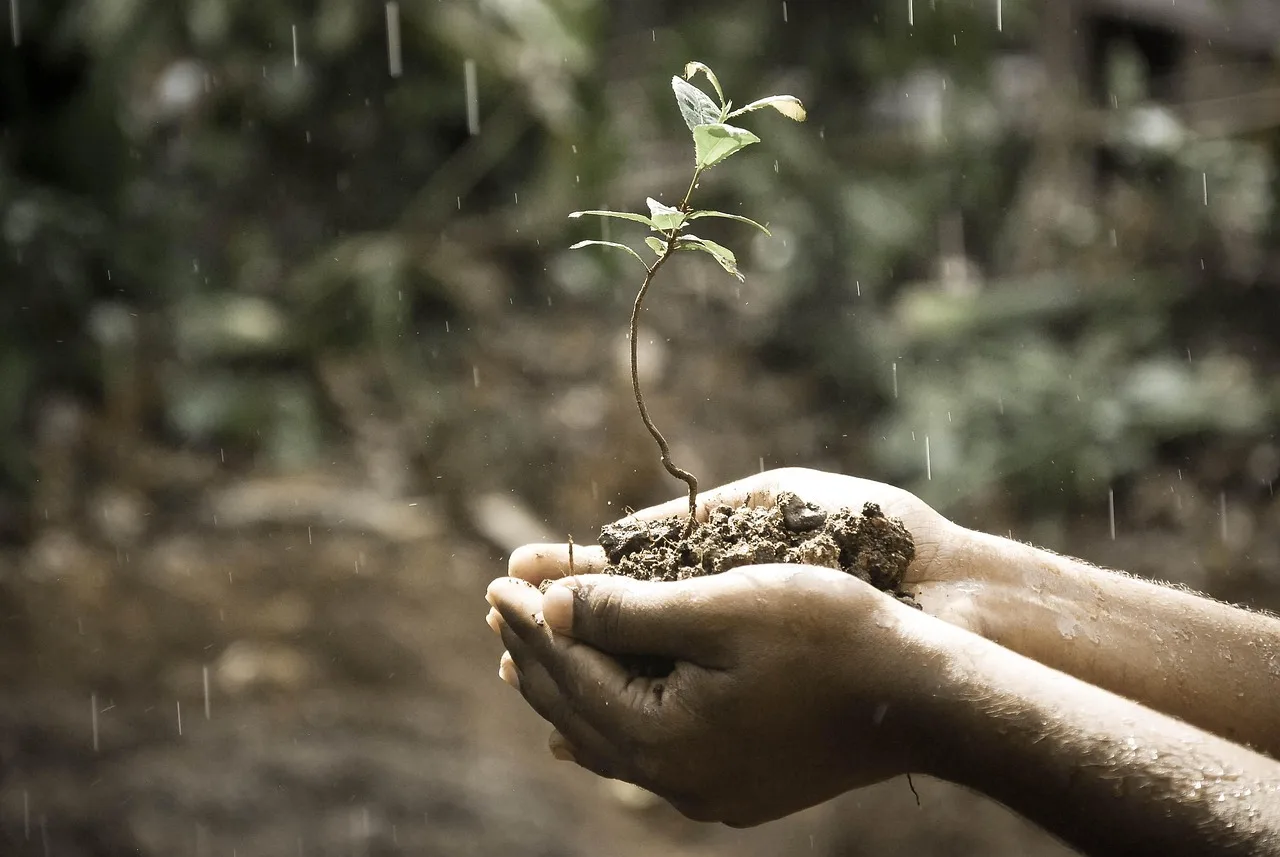


Waterlogged soil means the pore spaces in the soil are filled with water instead of air. Roots need oxygen as much as water, so saturation can suffocate them, slow growth, and invite root rot. The key question is not only whether the soil is wet, but whether it dries at a normal pace.
Temporary wetness versus a drainage problem
A brief wet spell after heavy rain is common. A lasting problem shows up when water sits in the same spot, the ground stays soft long after the weather clears, or plants keep showing stress even after the surface looks less shiny. That pattern points to poor drainage, packed soil, heavy clay, or a low spot that collects runoff.
Soil texture matters here. Sandy soil drains faster, loamy soil is the benchmark for balanced drainage, and clay soil drains very slowly because the particles are small and tightly packed. Clay can seal at the surface, while compacted soil reduces pore space no matter what the texture started as.
Why timing matters after rain or watering
Healthy soil should take in water within a few hours. If puddles remain after rain, that suggests poor drainage. When water still sits after 24 hours or more, the problem is less likely to be a passing storm and more likely to be compaction, high clay content, or a site that holds water.
Say your vegetable bed looks wet on Monday morning after a storm, but by Tuesday afternoon the top inch has dried and the plants have perked up. That is more consistent with temporary saturation. If the same bed still has standing water the next day while the path beside it is dry, suspect a drainage fault.
Is the problem only after rain?
If wetness appears only right after a storm or heavy irrigation and fades within a short time, the soil may simply have been overloaded. If water stays in one area, returns after every rain, or drains much more slowly than nearby ground, you are likely dealing with a structural problem rather than normal wet weather.
Low spots and slow infiltration
Low spots collect runoff from higher ground, so they stay wet longer even when the rest of the yard drains normally. Slow infiltration means water enters the soil too slowly for the amount added. That can happen in beds, lawns, and borders, especially where foot traffic or equipment has packed the ground.
Persistent puddles after rain suggest poor drainage. In a lawn, that often means a shallow depression or a compacted strip. In a vegetable bed, it can mean the bed sits below surrounding grade or has a tight layer underneath. In a container, it often means the mix or the drainage holes are not moving water out fast enough.
When weather is the main cause
A wet spell can overwhelm even good soil for a short time. If the ground drains within a few hours and the plants recover once the surface dries, weather is probably the main cause. If wetness lingers across several dry days, weather is exposing a deeper drainage issue instead of creating one.
Surface puddling and crusting
Standing water on the surface is one of the clearest warning signs. It shows that water input is faster than infiltration. A hard crust on the surface can create the same effect by blocking water entry, so rain runs off or sits instead of soaking in.
What standing water means
Surface puddling after rain or irrigation matters most when it lasts for hours and especially when it remains for 24+ hours. That delay suggests the top layer or the whole profile is not taking water in well. One small puddle that disappears quickly is less concerning than repeated pools in the same place.
Hard crusts that block infiltration
Soil crusting forms a hard surface layer that slows water entry and can stop seedlings from emerging. It is common in bare soil and in ground with low organic matter. If the crust breaks into a tight plate or cap, seeds may struggle even when the soil underneath is still damp.
Picture a freshly seeded bed where the surface looks sealed and a light rain leaves a thin sheen of water on top. The seed row may fail not because it lacked moisture, but because the crust kept water from moving through evenly. In that case, the surface condition is part of the problem.
What this means in bare beds and seed rows
In bare beds, crusting often points to exposed soil that gets pounded by rain. In seed rows, it can block emergence. In lawns, the same issue often looks like thin grass and wet patches that dry unevenly. The fix is different from simple overwatering: the surface needs better structure, not more water.
Signs below the surface
Below the surface, wet soil often feels spongy, sticky, or hard to work. A soil ball that stays tight and does not break apart easily is a common sign of excess moisture. If the ground is hard to dig even when it is moist, compaction is likely reducing infiltration.
Compaction and hard digging
Soil compaction reduces pore space, so water cannot move through as easily and roots cannot spread well. Foot traffic, mower wheels, and heavy equipment can all compress the soil. The result is a dense layer that drains slowly and may stay wet even when the top looks passable.
A foot indentation after stepping on soil suggests waterlogging. If the soil also feels firm beneath the surface, compaction may be adding to the trouble. The same patch can then hold water at the top while the root zone stays short on oxygen.
Soil texture clues from sand, loam, and clay
Texture gives useful clues before you change anything. Sandy soil usually drains quickly and is less likely to puddle for long. Loamy soil is the balanced target. Clay soil drains very slowly and seals easily, so repeated puddling and sticky digging are much more likely there.
Clay does not always mean a failed garden, but it does mean you should expect slower drainage and less forgiveness after heavy rain. If the same area puddles repeatedly while nearby loam dries, texture may be the reason the wet spot keeps returning.
Why do plants look stressed when soil is wet?
Wet soil can mimic drought stress above ground because damaged roots cannot move water and nutrients properly. Yellowing leaves are a classic sign of overwatering, and wilting can happen even when the soil looks wet. That mismatch is a strong clue that the roots are failing, not the plant asking for more water.
Yellow leaves, wilting, and stunting
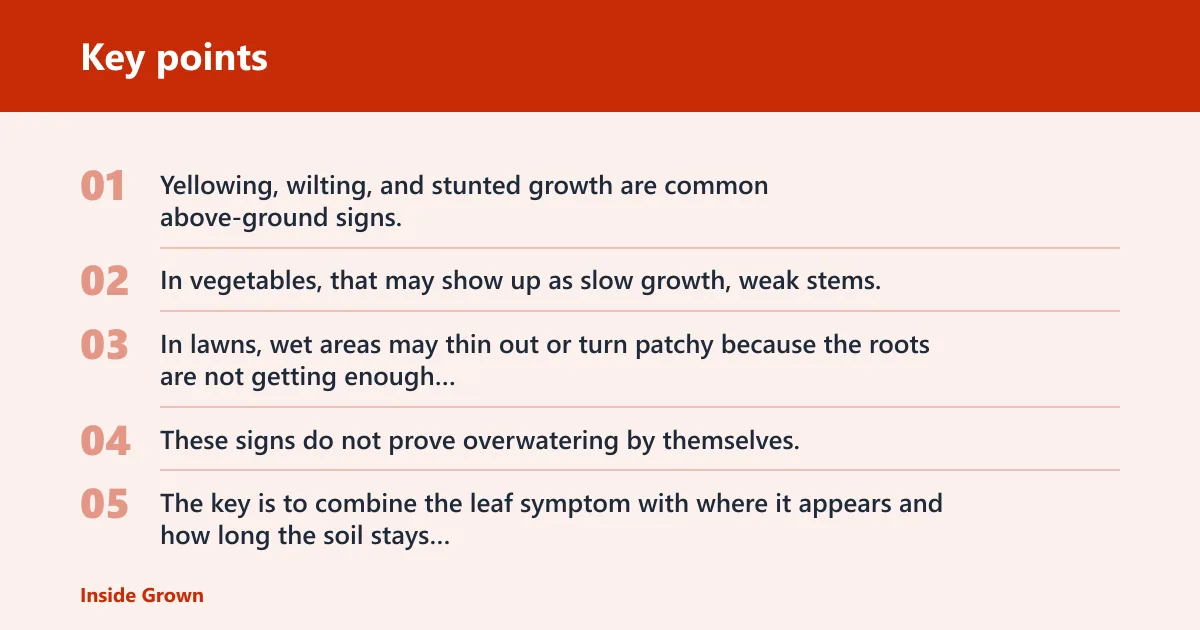
Yellowing, wilting, and stunted growth are common above-ground signs. In vegetables, that may show up as slow growth, weak stems, or leaves that pale from the bottom up. In lawns, wet areas may thin out or turn patchy because the roots are not getting enough air.
These signs do not prove overwatering by themselves. A plant can yellow for many reasons. The key is to combine the leaf symptom with where it appears and how long the soil stays wet. If the leaves yellow while the ground remains soggy, wet roots move higher on the list.
Root rot and mushy roots
Root rot is the most common and serious consequence of prolonged saturation. Roots may turn brown, black, or mushy instead of firm and pale. When a plant wilts despite wet soil, root rot becomes a strong possibility, especially if the problem has persisted after rain or repeated watering.
To check roots without making the situation worse, expose only a small section near the edge of the root zone. Lift the plant or dig gently, then look for roots that are brown and soft rather than firm. Do not dig deeply through a saturated bed unless you have to; extra disturbance can compact wet soil further.
Smell and growth clues
Sour or swampy odor points to anaerobic soil, which is low in oxygen because of saturation. That smell is a useful clue, especially after rain. Mushrooms, mold, or white fuzz can suggest chronic dampness, though they are usually secondary signs rather than the main cause.
Sour or swampy odor
When soil smells sour after rain, oxygen has likely dropped enough for anaerobic conditions to develop. That odor often comes from water sitting in the root zone too long. It is especially useful when the surface is no longer obviously wet but the smell lingers in a bed or low corner.
Moss, mushrooms, mold, and white fuzz
Moss and fungi indicators often appear in shaded, poorly drained areas. Mushrooms, mold, or white fuzz can mean the site stays damp enough to support them, but they rarely tell you why the soil stays wet. Treat them as clues of chronic moisture, not as the root cause itself.
In a lawn, moss often takes over where grass is thin and soil stays damp. In a garden bed, the same damp pattern may support fungal growth on mulch or the soil surface. The real question is still drainage: why does that spot hold water longer than it should?
Wet soil diagnosis matrix
This matrix helps separate a brief wet spell from a lasting drainage fault. Start with where the symptom shows up, then decide whether it looks temporary or structural. The next step changes depending on that answer.
| Symptom | Where it appears | What it usually means | Most likely next step | Likely temporary or structural |
|---|---|---|---|---|
| Puddles after rain | Surface of beds, lawn, or low spots | Infiltration is slower than water input; poor drainage may be present | Wait a day, then check whether the same spot is still wet | Temporary if gone within hours; structural if it lasts 24+ hours |
| Spongy soil | Top few inches underfoot | Saturation or compaction is limiting air space | Stop watering and test drainage depth | Temporary after a storm; structural if it repeats often |
| Sour smell | Soil surface or root zone | Anaerobic conditions from excess moisture | Check whether water lingers and inspect for drainage faults | Usually structural if the odor returns after drying |
| Yellow leaves | Above ground on stressed plants | Roots may be starved of oxygen or starting to fail | Check soil wetness and roots before adding water | Can be temporary, but often structural if paired with wet soil |
| Wilting with wet soil | Leaves and stems while soil is still damp | Root function is impaired; root rot is possible | Inspect roots and reduce watering immediately | Usually structural or root damage, not simple thirst |
| Moss | Shaded, damp surface areas | Chronic moisture and low light often combine here | Check drainage and shade, then adjust site conditions | Usually structural |
| Surface crusting | Top layer of bare soil or seed rows | Water entry is blocked at the surface | Break the crust gently and improve surface structure | Usually structural if it repeats after rain |
| Mushy roots | Root zone when plants are lifted or inspected | Root rot from prolonged saturation | Remove damaged tissue and correct drainage before replanting | Structural unless caused by one brief overflow event |
What should you do next?
Start by stopping extra watering and letting the soil show you what it does on its own. Then check the surface, the smell, and the root zone in that order. If the problem is shallow and brief, gentle aeration may help. If water keeps sitting, you need a drainage fix, not more amendment alone.
When gentle aeration can help
Soil aeration can relieve saturation and improve oxygen flow, but it must be gentle when soil is wet. In lawns, light aeration may help if the problem is mild and the soil is only moderately compacted. In beds, avoid aggressive digging while the soil is slick, because that can make the structure worse.
Aeration works best as part of broader drainage correction. If a low spot collects runoff, or a clay layer keeps sealing shut, aeration alone will not solve the problem for long. It can open the soil, but it cannot change the grade or remove a standing-water pattern by itself.
When raised beds or drainage work make more sense
If the same spot stays wet for about a day or longer, puddles keep returning after rain, or the ground stays soggy while nearby areas dry, stronger action may be needed. That can mean regrading, installing a French drain, or moving to a raised bed in the wettest part of the site.
Do not reach for compost as the first answer when the issue is clearly structural. Organic matter can help soil structure over time, but it will not fix a low spot or a buried drainage barrier on its own. If the site is the problem, change the site conditions first.
- Stop watering and wait for the soil to drain on its own.
- Check whether puddles remain for hours or 24+ hours.
- Look for a sour smell, a foot indentation, or a tight soil ball.
- Inspect roots if plants wilt while the soil is still wet.
- Choose the fix that matches the cause: aeration for mild compaction, drainage work for persistent saturation.
Frequently asked questions
Why is my garden waterlogged?
Garden soil is usually waterlogged because the site cannot move water away fast enough. Common causes include poor drainage, low spots, clay, compaction, and heavy rain. If the same area stays wet while nearby ground dries, the problem is more likely structural than a single watering mistake.
How long should water sit before I worry about drainage?
Healthy soil should take in water within a few hours. If puddles remain after rain for 24 hours or more, drainage deserves attention. A short puddle after a storm can be normal; standing water that lingers into the next day points toward compaction, clay, or a low spot.
Can compacted soil cause waterlogging?
Yes. Soil compaction reduces pore space, which slows infiltration and traps water near the surface and around roots. Foot traffic and heavy equipment are common causes. If the ground feels hard to dig even when moist, compaction may be part of why the bed stays soggy.
How do I tell if roots are rotting from wet soil?
Look for roots that are brown, soft, or mushy instead of firm. Plants may wilt even though the soil is wet, and leaves may yellow or collapse. Root rot is a common serious result of prolonged saturation, so inspect carefully before adding more water or fertilizer.
Why does my soil smell sour after rain?
A sour or swampy odor usually means oxygen has dropped and anaerobic conditions have set in. That often happens when water sits too long in the root zone. If the smell returns after each rain, the issue is probably not the rain itself but the soil’s slow drainage.
Does garden soil go bad?
Soil does not usually “go bad” in a permanent sense, but it can become unhealthy for plants. Compaction, chronic saturation, crusting, and low oxygen can all make it function poorly. If your soil drains slowly, smells sour, or stays wet for days, it needs correction rather than replacement by default.