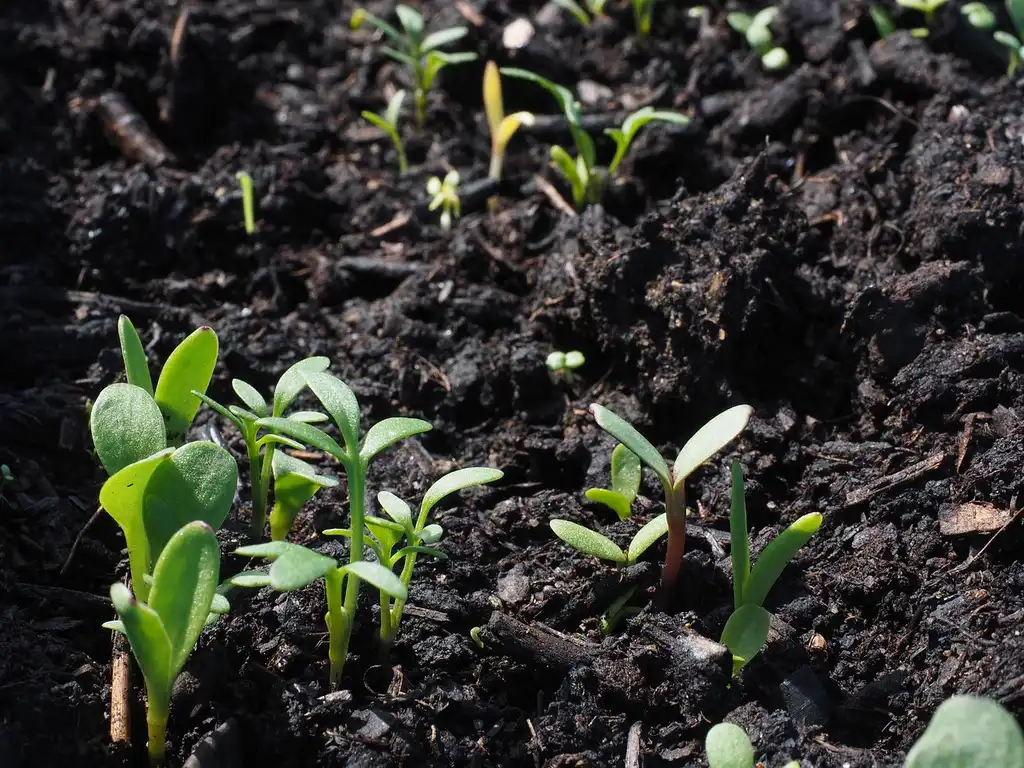
How Soil Moisture Affects Seed Germination
Most seeds need soil that stays evenly moist through the seed zone, but never so wet that water pools around the seed. Aim for a mix that feels like a wrung-out sponge, water when the surface just starts to lose its dark sheen, and let extra water drain away. Too little moisture stops imbibition. Too much shuts out oxygen, invites rot, and leaves empty cells in your trays. This guide explains how texture, temperature, and watering method change the moisture balance seeds need to sprout.
Why seed moisture matters
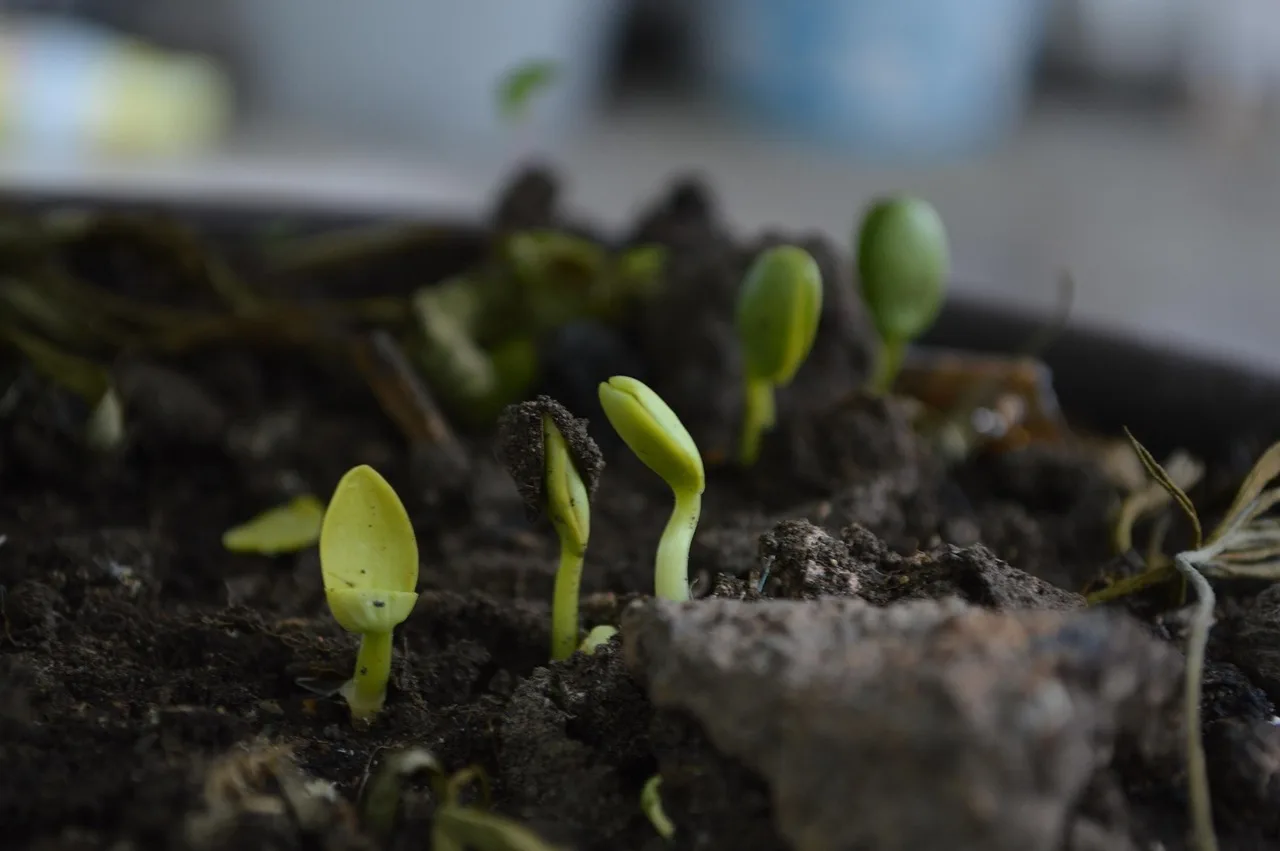


Seeds start germination by taking in water, a phase called imbibition. That water softens the seed coat, turns on enzymes, and restarts metabolism so the radicle can emerge. The seed also needs oxygen in the pore spaces around it, so moisture has to be high enough for uptake and low enough for gas exchange.
Soil moisture is the volumetric water content of soil held within pore spaces. In practice, some pores should hold air and some should hold water. Root zone moisture is the water available to plants, while surface moisture is the thin, faster-changing layer at the top of the mix.
When the mix dries out before imbibition finishes, germination stalls. When the mix stays saturated, oxygen drops and the seed can rot before it sends out a radicle. Soil moisture also tells you something about soil quality and fertility, but for germination the immediate need is water plus oxygen.
Soil moisture and pore space
Seeds germinate best when pore spaces are split between air-filled and water-filled pores. Water in the pores is what the seed can absorb; air in the pores is what supplies oxygen for metabolism. Drainage matters because standing water fills too many pores and slows gas exchange.
Surface moisture and root-zone moisture are not the same thing. The top may look dry while the zone around the seed still holds enough water, or the surface may look wet while deeper layers are already drying out. A seed at 1 inch depth depends on the moisture around that depth, not only on the top crust.
USGS notes that soils store water and nutrients that support crops and that soils retain moisture from precipitation. For seeds, that stored water has to stay reachable without turning the planting medium into a sealed, airless mass.
Can soil be too wet for seeds?
Yes. Soil can be too wet for seeds to sprout when water fills most of the pore spaces and pushes out oxygen. Seed metabolism still needs gas exchange, so a saturated mix can slow germination, trigger rot, and leave seedlings weak before they ever appear.
Overly wet media can also invite crusting, compaction, and damping-off. Crusting forms a hard surface that blocks emergence. Compaction squeezes out pore space. Damping-off is a common seedling failure in wet, low-airflow conditions, where the stem at the soil line collapses after sprouting or the seed decays before emergence.
Cold, wet mix is the worst combination for many seeds. Low temperature slows enzyme activity, and excess water reduces oxygen at the same time. That is why seeds can sit unchanged in a tray that feels damp and heavy for days.
Can soil be too dry for germination?
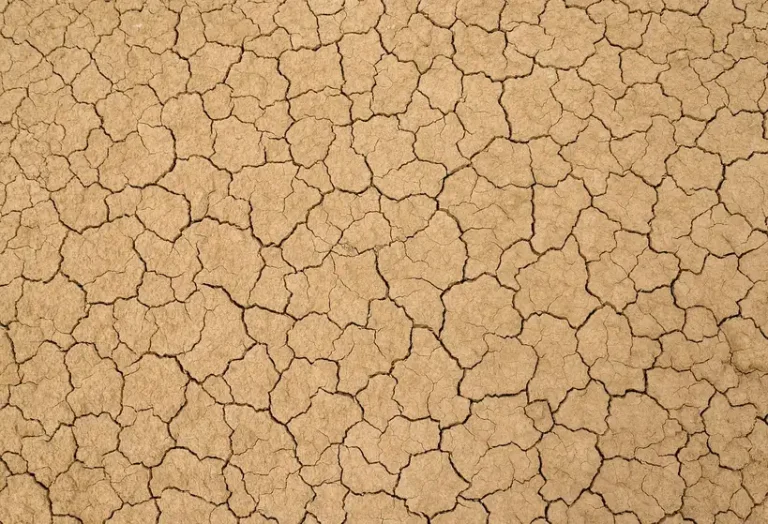
Yes. If the mix is too dry, imbibition never starts or stops too soon. The seed coat stays hard, enzymes do not fully activate, and the radicle cannot emerge. Dry pockets can be common in trays and shallow pots where the surface dries faster than the lower layer.
Uneven wetting creates uneven sprouting. One section of the tray may germinate while another stays dormant because water never reached the seed evenly. Depth matters here: a seed placed too shallow may sit in a drier surface layer, while a deeper seed may stay in a wetter zone longer.
Say your lettuce tray has a dry, pale top but a darker lower half. The top seeds may fail first because the surface crust stops water from moving downward. A gentle rewetting from below can restore moisture without burying the seed bed in a waterlogged top layer.
How soil texture and seed-starting mix change germination
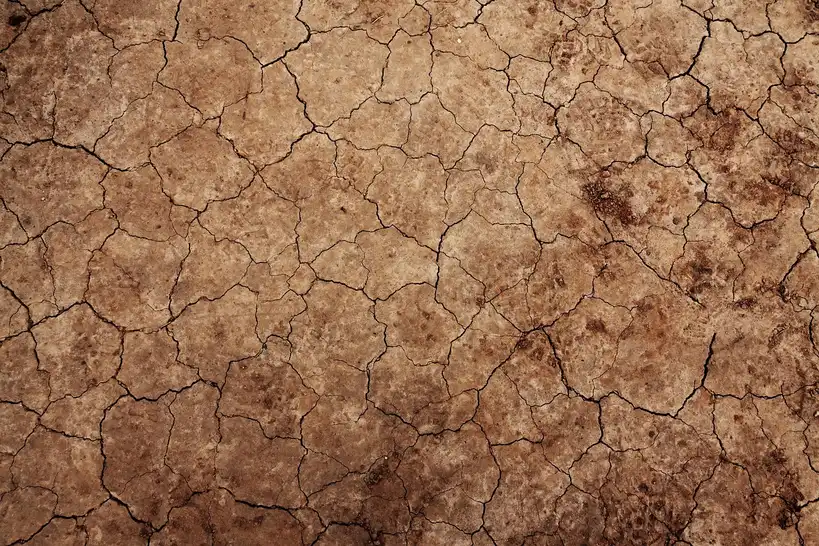
Sand typically drains quickly and holds less water; clay tends to hold more water and drain slowly; silt is generally in between. That matters because a seed needs a steady moisture supply, but also enough drainage for oxygen to stay in the pore spaces. Texture changes both sides of that balance.
Seed-starting mix is usually finer and more uniform than garden soil so it can hold even moisture around small seeds. It is made for container use, where drainage is limited by tray cells or pots. In ground, soil structure is broader and more variable, so watering patterns matter more.
For containers, a mix that stays evenly moist through the full cell depth is better than a dense mix that forms a wet cap on top and a dry zone below. In beds, soil texture often varies by layer, so a soil thermometer and a moisture check at seed depth give better clues than surface appearance alone.
Soil germination moisture decision table
| Condition | Likely seed response | Visible symptoms | Next corrective action |
|---|---|---|---|
| Too dry | Imbibition stalls or stops | Light-colored surface, loose dust, no swelling | Water gently until the mix is evenly damp through the seed depth |
| Evenly moist | Seed coat softens and enzymes activate | Dark, damp look; mix feels like a wrung-out sponge | Maintain steady moisture and check daily |
| Waterlogged | Oxygen drops, rot risk rises | Glossy surface, standing water, sour smell | Drain, increase airflow, and reduce watering frequency |
| Crusted surface | Emergence is blocked | Hard top layer, split or sealed surface | Lightly break the crust and switch to finer misting or bottom watering |
| Cold-wet mix | Slow metabolism, delayed emergence | Damp but inactive tray, little visible change | Warm the medium within the crop’s preferred range and avoid overwatering |
| Warm-wet mix | Fast activity, but oxygen can still limit success | Quick swelling, then decay or weak sprouts if saturated | Keep the mix moist, not flooded, and ventilated |
How do you keep soil evenly moist?
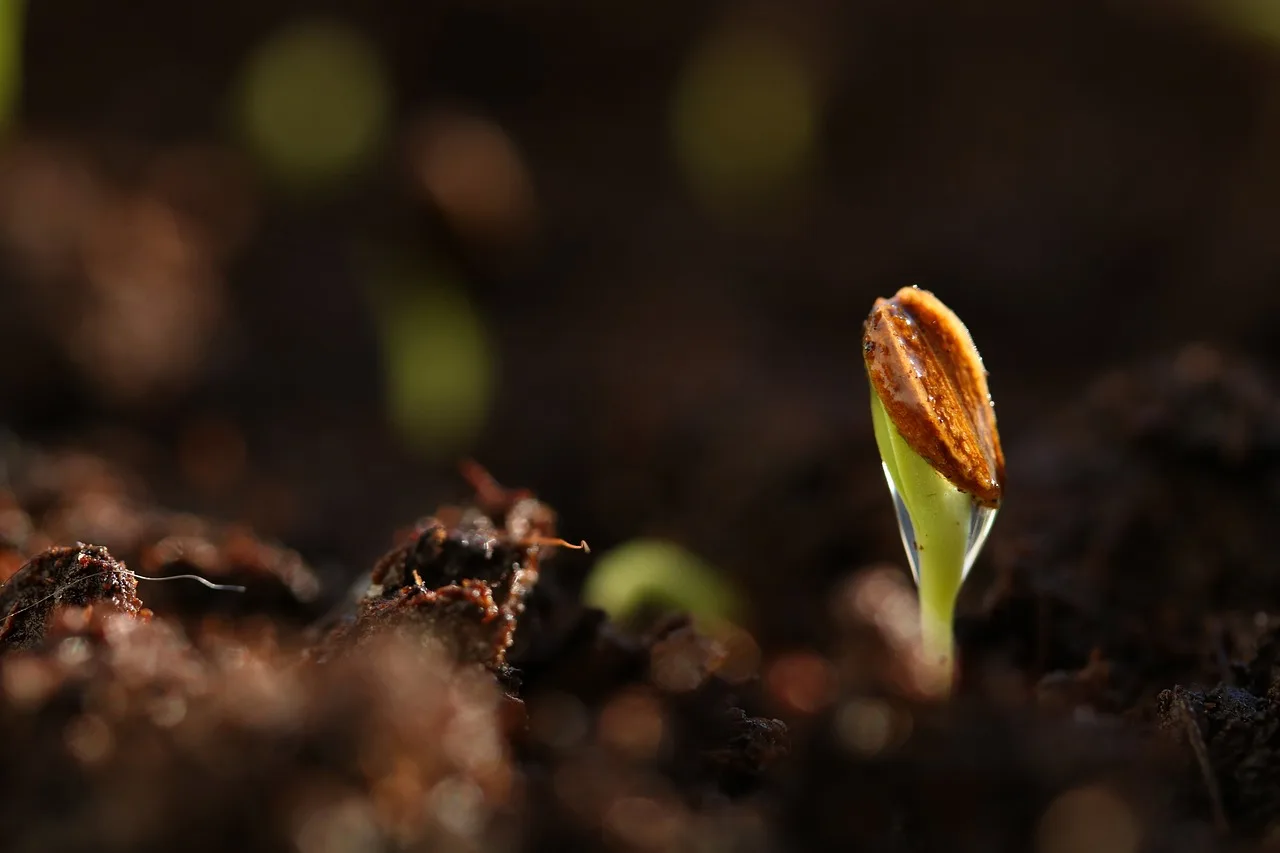
Keep the mix evenly moist by watering in small amounts, checking often, and avoiding surface sealing. Bottom watering is commonly used for trays because it pulls moisture upward without packing the top layer. Mist watering can work for the first stage, especially with very small seeds, because it wets the surface without blasting the media flat.
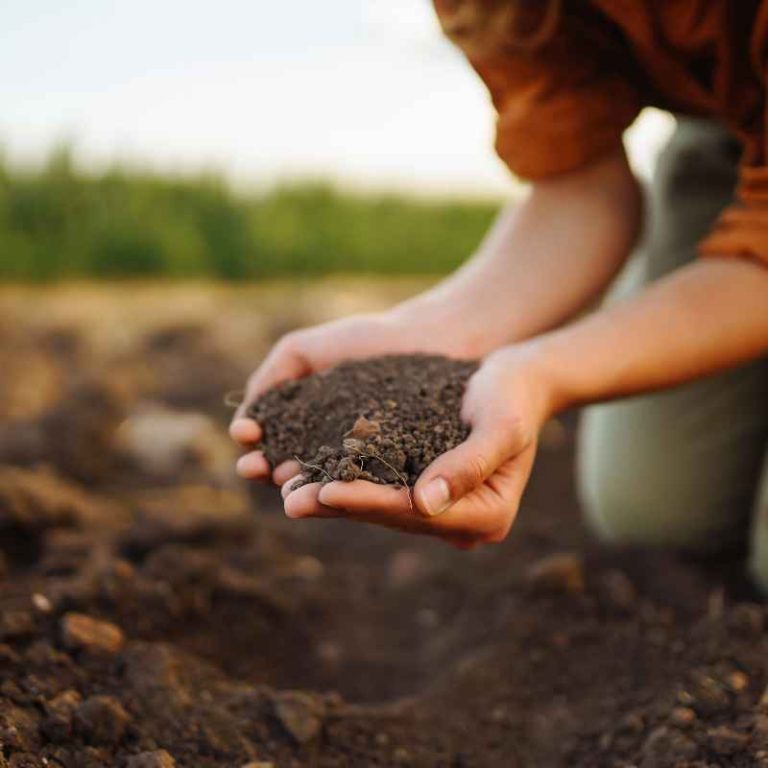
Use the squeeze test at the seed depth. A correct mix should clump lightly in your fingers and then break apart with gentle pressure, like a wrung-out sponge. If water drips out, it is too wet. If it crumbles to dust, it is too dry.
A common first-timer mistake is watering a 1020 tray from above until the top looks dark, then assuming the whole cell is ready. In a fine mix, the top can be wet while the lower half is still dry, or the reverse if the tray has been sitting in a catch pan.
A soil thermometer helps separate moisture problems from temperature problems. Soil temperature can be as low as 50 degrees Fahrenheit for spinach germination, while tomatillos need a minimum desired soil temperature of 80 degrees. Most warm-season edibles prefer 70 to 80 degrees Fahrenheit. A soil thermometer probe is typically 6 inches long, and seed-starting guidance commonly uses insertion 1 to 2 inches for shallow media checks. Seed-starting mats can raise soil temperature by approximately 10 degrees.
Suppose tomato seeds are planted in a tray that feels damp but sits on a cold basement shelf. The mix may be wet enough, yet germination still drags because temperature is slowing enzyme activity. Warm the medium a little, but keep airflow and drainage in place so the same tray does not tip into rot.
How to test moisture in seed-starting soil at home
- Press a finger into the mix at seed depth, not only the surface.
- Lift a small pinch and squeeze it gently.
- Check whether it clumps lightly, falls apart, or leaves water on your skin.
- Look for a moisture gradient: the surface may be lighter than the layer around the seed, but the whole cell should not be dry below.
- Recheck daily, because trays dry faster at the edges and on warm mats.
Watering methods that help or hurt germination
- Bottom watering: good for even uptake in trays and cells; stop when the surface darkens slightly.
- Mist watering: useful for tiny seeds and first emergence; reduces crusting and seed movement.
- Top watering: works if done gently, but strong flow can compact the surface and move seeds out of place.
- Frequent heavy watering: often leaves the mix saturated and starves seeds of oxygen.
Frequently asked questions
How does soil moisture affect seed germination?
Soil moisture controls whether a seed can take in water, soften its coat, activate enzymes, and start root growth. If the mix is too dry, imbibition stalls. If it is too wet, oxygen drops in the pore spaces and the seed can rot before emergence.
What is the right soil moisture for seed germination?
Use evenly moist soil that feels like a wrung-out sponge. It should not drip when squeezed, and it should not crumble into dry dust. The best level is usually the one that keeps the seed zone damp without leaving standing water on the surface or in the tray.
Can soil be too wet for seeds to sprout?
Yes. Saturated soil fills pore spaces with water, which cuts oxygen delivery to the seed. That slows germination and raises rot risk. In trays, very wet media can also crust, compact, and trigger damping-off after emergence.
Can soil be too dry for seed germination?
Yes. Dry soil prevents imbibition, so the seed coat stays hard and the metabolic restart never fully begins. Dry pockets are common in containers, shallow sowings, and windy outdoor beds. The result is delayed or patchy sprouting.
Does soil temperature matter as much as moisture for germination?
Both matter, but in different ways. Moisture starts the process; temperature sets the speed. Cold, wet media often fail because metabolism is slow and oxygen is limited at the same time. A soil thermometer helps separate a temperature delay from a moisture mistake.
Why did my seeds rot instead of germinating?
Seeds usually rot when they stay wet enough to absorb water but not aerated enough to respire. That happens in waterlogged, compacted, or cold media with poor drainage. The fix is usually less frequent watering, better airflow, and a mix that drains while staying evenly moist.
How do you keep seed-starting soil evenly moist?
Water in smaller amounts, check the tray daily, and use bottom watering or a fine mist instead of a hard stream. Keep the mix covered only as long as the crop needs it, then increase airflow once sprouts appear. Avoid letting the surface crust over.
How soil moisture affects plant growth science fair project
For a science fair project, compare two or three moisture levels at the same seed depth, same container, and same temperature. Track germination rate and seedling collapse, not just sprouting time. The clearest result comes from changing moisture only, while keeping light, seed type, and temperature the same.