What does soil pH mean for plant growth? A guide
Soil pH tells you how acidic or alkaline your soil is. Many garden plants tend to do best in a roughly neutral range, and when pH moves well outside that band, roots can have a harder time taking up nutrients. Miss that, and you can waste time on yellow leaves, weak growth, and thin harvests. This guide shows when pH is the real problem, when it isn’t, and which symptoms point to nutrient lockout versus drainage, watering, or soil-structure issues.
What does soil pH mean for plant growth?
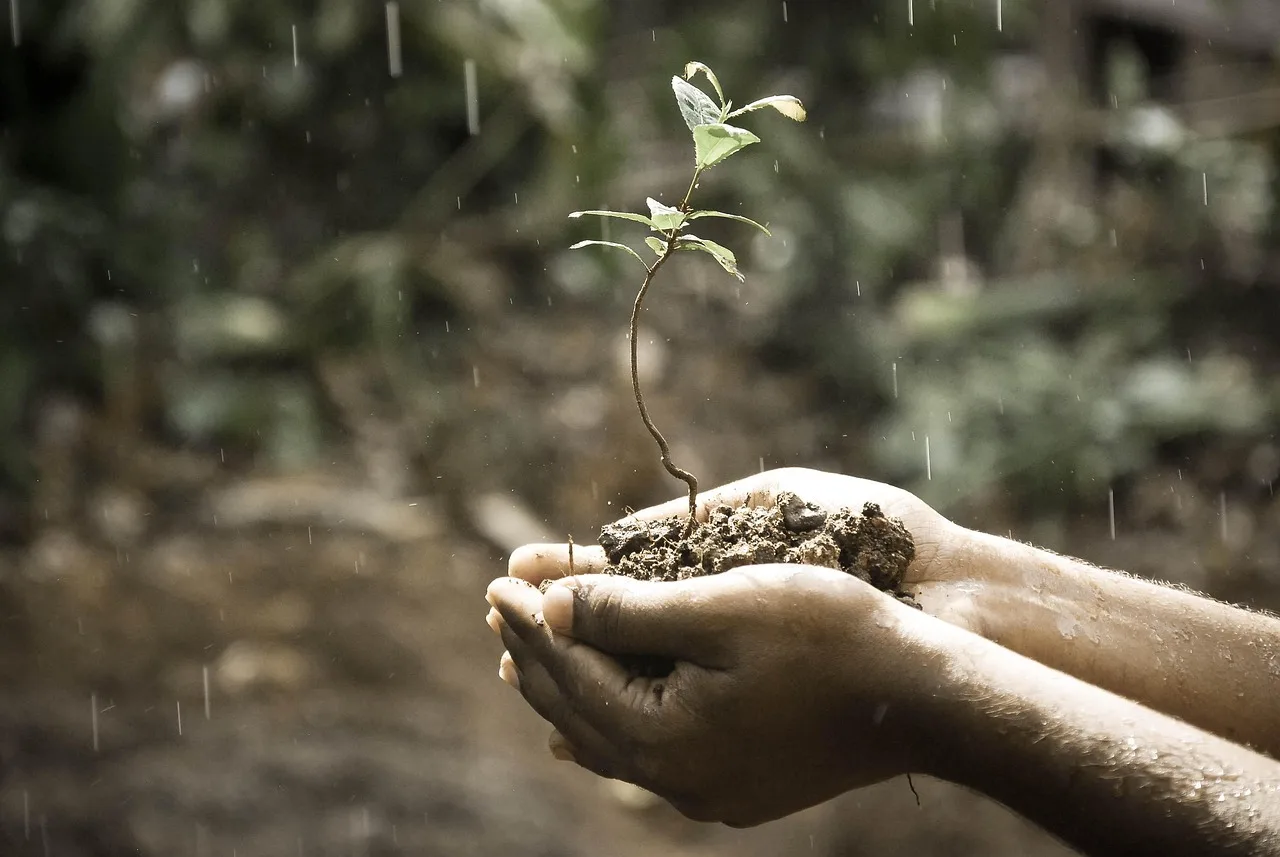


Soil pH is commonly measured on a 0 to 14 scale. 7 is generally considered neutral. Below 7 is acidic. Above 7 is alkaline, sometimes called basic. Plants do not care about the label on the bag. Roots react to the chemistry around them, and that chemistry changes how nutrients move, how microbes work, and how easily water and minerals enter the plant.
What the numbers mean in practice
A pH reading is not a grade. It is a condition report. A small shift can change iron or phosphorus availability enough to alter leaf color, growth rate, and flower set. A larger shift can leave nutrients in the soil but out of reach of roots. That is why a soil pH reading belongs in the diagnosis step, not the guesswork step.
Roots care because pH changes the soil solution around them. It affects membrane transport, root stress, and the movement of ions into the plant. If the root zone is too acidic or too alkaline for that crop, the plant spends energy fighting the medium instead of building stems, leaves, and fruit.
Why soil pH matters for different plants
Different crops are built for different ranges. Blueberries, azaleas, and rhododendrons generally prefer lower pH. Many vegetables and common annual flowers do best near neutral. Some plants handle higher, more alkaline soil better than others. One “good” pH does not fit every crop.
That difference matters because nutrient uptake is species-specific as well as pH-dependent. A range that works for tomatoes may be wrong for blueberries. A range that works for lilacs may frustrate iron-hungry plants. The right target comes from the crop, then the soil test.
Why 7 is not a magic target
Seven is neutral, not universal. Some plants perform best below that point, and some can live above it without complaint. The target should follow the crop’s preference range, the existing soil, and the goal for the bed or orchard row. Chasing 7.0 for every planting can create its own problems.
Why soil pH changes nutrient uptake
Soil pH can affect access to several nutrients, including nitrogen, phosphorus, potassium, calcium, magnesium, iron, and manganese. In extreme pH, those nutrients can become less available even when the soil test shows they are present. That is nutrient lockout: the plant is surrounded by food it cannot absorb well.
Nitrogen cycling is tied to biology, especially nitrification. Decomposition also shifts with pH because soil microbes do not work the same way at every acidity level. When pH drifts too far in either direction, microbial activity slows, nutrient release changes, and root growth can stall.
What lockout looks like in the garden
Lockout often shows up as chlorosis, weak new growth, small leaves, poor flowering, or fruit that never sizes up. Iron and manganese problems can show up first in young leaves when pH is too high. Phosphorus problems can show as dull, stunted growth when pH is too low or too high. The symptom is real, but the cause is not always obvious without testing.
What pH range do most garden plants want?
Most garden plants do best in a slightly acidic to near-neutral range, often close to 6.0 to 7.0. That is a useful starting point, not a universal rule. Vegetables, herbs, and many ornamentals sit near that band, while specific crops want lower or higher soil reactions.
Acid-loving plants need a lower pH because that range suits their roots and the microbes they rely on. Alkaline-tolerant plants can handle higher readings without the same nutrient problems. The safest move is to match the crop to the soil, or adjust the soil only when the crop is worth that effort.
Examples by crop type
- Acid-loving plants: blueberries, azaleas, rhododendrons, camellias
- Neutral-range vegetables: tomatoes, lettuce, beans, carrots, peppers
- Alkaline-tolerant plants: lilacs, many Mediterranean herbs, beets, some brassicas
How do I know if soil pH is the problem?
Soil pH is worth suspecting when several plants show the same nutrient-pattern symptoms, especially in a bed with a known crop preference. It is less likely to be the cause when only one plant fails, when leaves wilt after watering, or when the soil stays wet and airless. A pattern matters more than a single yellow leaf.
Good clues include iron chlorosis on new growth in high-pH soil, poor phosphorus response in very acidic soil, and repeated trouble in the same bed after fertilizer use. Bad clues include random damage, chewing, sunscald, compacted soil, root rot, drought stress, and overwatering. Those can mimic pH trouble closely.
Symptoms that can fit pH, and symptoms that often do not
Yellowing can point to pH, but it can also mean waterlogging, nitrogen shortage, root rot, or simple aging. Stunting can come from pH, but it can also come from compaction, cold soil, or restricted roots in a pot. The next test should match the symptom, not the guess.
How do I know if my soil pH is wrong for my plants?

Start with the crop’s target range, then compare it to a soil test and the symptom pattern. If the reading is outside the crop’s preferred window and the plant shows nutrient-style symptoms, pH becomes a strong suspect. If the reading is in range, look harder at watering, drainage, root damage, pests, or a broader fertility issue.
One reading from a meter is not enough by itself. Soil context matters. Texture, moisture, fertilizer history, and sampling depth all affect interpretation. A lab result is the cleanest way to sort a true pH issue from a false alarm.
Symptom to action table: what to do next
| Common symptom | Likely pH-related cause | Test to run next | Next move |
|---|---|---|---|
| Yellow new leaves with green veins | Iron unavailable in high-pH soil | Soil pH test and crop range check | If pH is high, amend and retest; if in range, send a lab soil test |
| Poor growth, dull color, weak rooting | Phosphorus less available in very acidic or very alkaline soil | Soil pH test plus soil test for fertility | Use the lab result to decide whether to amend or fix fertility first |
| Interveinal chlorosis on older leaves | Magnesium or manganese issue linked to pH | Lab soil test | Do not guess; amend only after the result |
| Leaves wilt even when soil is wet | Root stress from poor pH is possible, but compaction or rot is more likely | Check drainage and roots first | Retest pH only after ruling out root problems |
| Repeated failure in one bed after lime or sulfur | Overcorrection or buffering error | Lab soil test with pH and nutrient panel | Stop adding amendments until the result is clear |
Can soil pH affect nutrient uptake?
Yes. Soil pH is one of the main controls on nutrient availability. It changes how easily roots can access nitrogen, phosphorus, potassium, calcium, magnesium, iron, and manganese. In the wrong range, the nutrients may still be in the soil, but uptake slows or stops enough to hurt growth.
This is why a fertilizer program can fail when the pH is off. The plant may get a full feeding, yet still show deficiency symptoms. If pH is the barrier, adding more fertilizer often makes the problem messier, not better.
What happens if soil is too acidic or too alkaline?
Too much acidity or alkalinity stresses roots and slows normal biology. In very acidic soil, some nutrients become too available while others lock up, and root tissue can suffer. In very alkaline soil, iron, manganese, and phosphorus often become harder to access, especially for sensitive crops.
Extreme pH also cuts into microbial function. Decomposition slows, nitrification shifts, and the soil food web becomes less efficient. Once that happens, even a well-watered plant can look tired because the root zone is not working normally.
When the problem is not pH
Before changing pH, rule out water issues, poor drainage, root-bound containers, compaction, salt buildup, and pest injury. Those problems can produce the same pale leaves and stunting people blame on pH. A wet, sour smell in soil points more toward low oxygen and root damage than toward a simple acidity issue.
How do I test soil pH before I change anything?
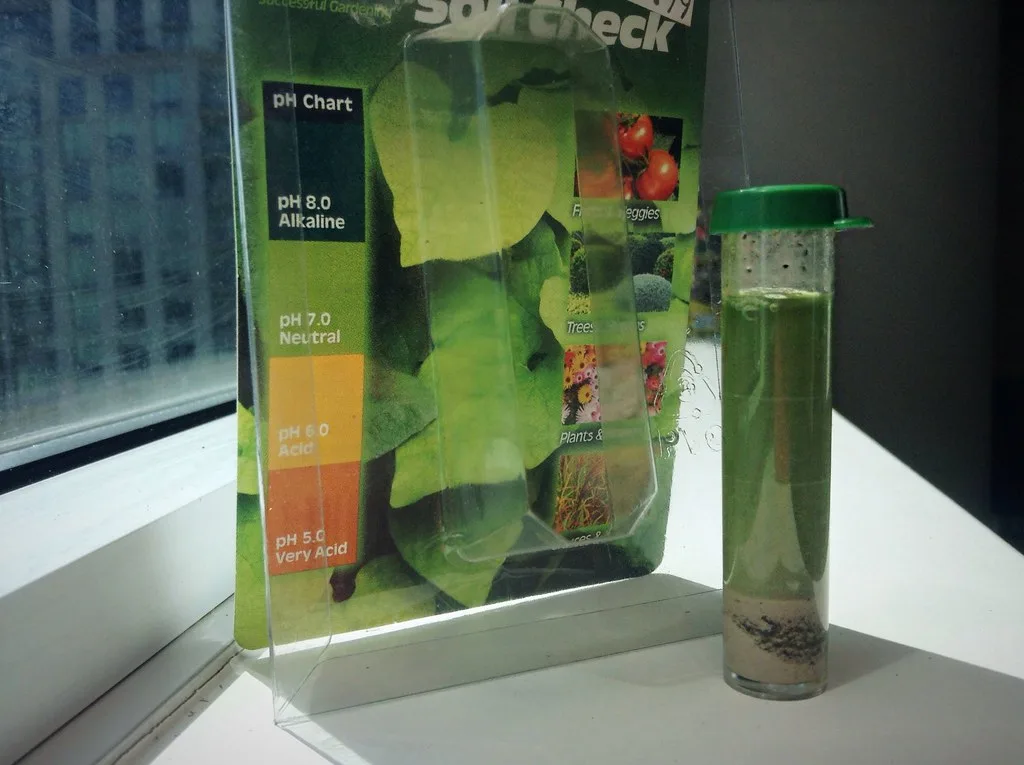
A soil test should come before amendments whenever possible. Home test kits are useful for a quick check, digital meters can give a rough reading, and lab soil tests give the best follow-up when symptoms are unclear or a fix failed. Sampling method matters as much as the tool.
Take a composite sample from several spots in the same bed, mixing those subsamples into one sample. Use the right depth for the crop root zone. If the problem is in a garden bed, sample the planted layer rather than the top crust alone. For containers, sample the full root mass.
Comparing test options
- Home test kit: useful for a quick check, but limited detail
- Digital meter: fast, but easy to misread if the probe is poor or the soil is uneven
- Lab soil test: best when symptoms are unclear, the crop is valuable, or an earlier fix failed
How do I change soil pH safely?
To raise pH, gardeners often use garden lime or dolomitic lime. To lower pH, elemental sulfur is often used as an amendment. Both act slowly. Lime can be overapplied, and sulfur needs microbial conversion before it changes soil chemistry. Fast action is the wrong goal here.
Soil buffering capacity controls how much amendment is needed. Clay and organic matter tend to buffer pH more than sandy soil, so they resist change and may need more careful dosing. Sandy soil shifts more easily, which sounds convenient until overcorrection pushes the root zone too far the other way.
Practical rules for amendments
- Confirm the crop’s target range first.
- Test the soil before adding lime or sulfur.
- Apply only the amount supported by the soil test.
- Mix amendments into the root zone when appropriate.
- Wait, then retest before adding more.
Why quick fixes cause trouble
pH change is gradual. The soil solution moves first, then the larger soil system follows. If the first correction goes too far, symptoms can get worse before they get better. Overliming can push iron and manganese out of reach. Too much sulfur can drop pH farther than the crop can handle.
How often should you retest after amending soil?
Retest after lime or sulfur rather than guessing. Because pH change is gradual, a follow-up test is the only clean way to know whether the amendment worked. Clay and organic matter slow that change, while sandy soil responds faster but can still swing too far.
If a plant still looks poor after a reasonable waiting period, retest before adding more. Signs that the first correction went too far include fresh chlorosis after liming, new stress after sulfur use, or a result that lands outside the crop’s target range in the wrong direction.
When to send a lab sample
Choose a lab soil test when the bed has a history of repeated failure, when a meter reading conflicts with visible symptoms, or when a first amendment did not help. Lab testing is also the better call for new beds with unknown fill soil, mixed textures, or high-value crops that need a tighter target range.
Frequently asked questions
What does soil pH mean for plant growth?
Soil pH tells you whether the root zone is acidic, neutral, or alkaline, and that chemistry affects nutrient availability, microbial activity, and root function. When pH sits in the crop’s preferred range, roots can take up nutrients more efficiently and growth is usually steadier.
Why does soil pH matter for different plants?
Different plants evolved with different root-zone chemistry. Acid-loving crops need a lower pH, many vegetables want a near-neutral range, and some plants tolerate alkaline soil well. A good pH for one crop can create nutrient problems for another.
What is the best pH range for most garden plants?
Most garden plants do well around 6.0 to 7.0, but that is a general guide rather than a universal target. Always check the crop’s preference range. Blueberries, for example, need more acidic soil than tomatoes or beans.
Can soil pH affect nutrient uptake?
Yes. pH changes access to nitrogen, phosphorus, potassium, calcium, magnesium, iron, and manganese. In very acidic or very alkaline soil, nutrients can be present but hard for roots to absorb, which creates lockout symptoms that look like deficiency.
How do I know if my soil pH is wrong for my plants?
Compare the plant’s target range with a soil test and look for repeated symptoms across several plants, not just one leaf. If the reading is off and the symptom pattern fits nutrient lockout, pH deserves attention. If the soil test is in range, look elsewhere first.
Can I change soil pH quickly, and should I?
No. Soil pH changes slowly, and quick corrections often overshoot the target. Lime raises pH, elemental sulfur lowers it, and both work over time. Careful testing and retesting are safer than trying to force a fast shift in the root zone.
How often should I retest soil pH after changing it?
Retest after the amendment has had time to work, then use the new reading to decide whether more change is needed. Clay and organic matter slow the shift, so the wait can be longer than in sandy soil. Retesting keeps overcorrection from becoming the next problem.
What about the word “does” in search results?
Do and does are present-tense forms of the verb “to do,” and does is used with third person singular subjects. Use do with I, you, we, they; use does with he, she, it. The past tense form of do is did, and the past participle form of do is done.