How Winter Weather Changes Garden Soil
Winter weather changes garden soil by freezing water into expanding ice, thawing it back, soaking heavy ground, and slowing microbes. Avoid working beds when soil smears or stays sticky. Ignoring those shifts can compact the bed, drain oxygen, and push spring planting back. This guide explains each winter process and the next step to take in your garden.
Why microbes and roots slow in cold soil
Soil does not sit still in winter. Biological activity slows sharply below about 45°F (7°C), so decomposition, nutrient release, and root activity all drop at the same time. The effect is not the same everywhere. Slope, shade, wind exposure, drainage, and local climate all change how fast soil cools and how long it stays cold.
Why soil temperature matters
Once soil falls below about 45°F (7°C), microbes generally work more slowly and roots tend to take up nutrients less actively. Compost and plant residues break down more gradually, and weather drives soil change more than biology. In cold regions, this slowdown lasts longer; in milder areas, it may come and go with warm spells.
Exposed beds cool faster than sheltered ones. South-facing or windblown spots can freeze sooner, while shaded beds, mulch-covered beds, and areas near structures often stay a little warmer. That difference matters because a bed that is cold but stable behaves very differently from one that swings between thaw and freeze.
How soil biology slows down
Reduced microbial activity means less decomposition of leaves, compost, and old roots. That is not a failure. It is the season doing what it does. Organic matter still changes in winter, but more slowly, and that slower pace helps keep nutrients from moving too fast when roots are inactive.
Winter is a good time to support soil, not push it. Add materials that protect the surface and feed the bed gradually. Skip cultivation when the ground is cold or wet, because disturbance does not speed biology; it mainly risks structure loss.
Why region and exposure change the outcome
Climate sets the baseline, but microclimate decides the damage. A bed on a windy rise may freeze and thaw several times while a bed in a sheltered corner stays steadier. The same garden can have both conditions, so soil care should follow the site, not the calendar.
Suppose one raised bed sits beside a south wall and another sits in an open strip near the driveway. The sheltered bed may dry and warm sooner after a storm, while the exposed bed may crust, heave, and stay colder. That difference changes whether you mulch lightly, wait to work, or leave the soil alone.
How freezing and thawing change soil structure
Freeze-thaw cycles can heave soil upward, loosen aggregates, and leave the surface crusted after thawing. This is one of winter’s biggest physical changes to garden beds. It is most common in exposed soil with little cover, where repeated temperature swings act directly on the surface.
Freeze-thaw heaving
When water in soil freezes, it expands. That expansion can lift small particles, shift roots, and open gaps in the surface layer. When the soil thaws, the loosened particles settle unevenly. Repeated cycles can leave beds rough, uneven, and more prone to compaction later.
Fine-textured soils often show this more clearly because they hold more water near the surface. Sandy soil drains faster and usually heaves less, while clay and silty soils can be more vulnerable when saturated before a freeze.
Surface crusting and loosened aggregates
After thawing, the top layer may dry into a crust. That crust limits air exchange and can make spring seeding harder. Below it, aggregates may be weaker than they were before winter. The bed may look loose on top but still be poorly structured underneath.
That is why winter protection is about prevention, not repair. If the soil spends the season covered, buffered, and undisturbed, freeze-thaw has less force to work on it.
Where exposed beds are most at risk
Open beds, pathway edges, roof drip zones, and spots with no snow cover are the first to show damage. Wind removes insulation. Sun warms the surface during the day, then night frost pulls it back down. Those swings drive the heaving pattern.
Winter mulch or a living cover reduces that stress. Bare soil stays vulnerable, especially where drainage is weak or where foot traffic compresses the surface after a thaw.
How does winter rain affect garden soil?
Winter rain can soak soil faster than it can drain, especially in clay, low spots, and beds beside hard surfaces. Saturated ground loses oxygen, becomes easy to compact, and may crust when it dries. Rain that hits roofs, paths, or driveways can also run into the bed and add to the problem.
Saturation in clay and low spots
Clay holds water longer than sandy soil, so it stays wet well after a storm. Low spots act the same way because water collects there. When the soil is saturated, root zones can go short on oxygen, and any pressure from walking or digging does more harm.
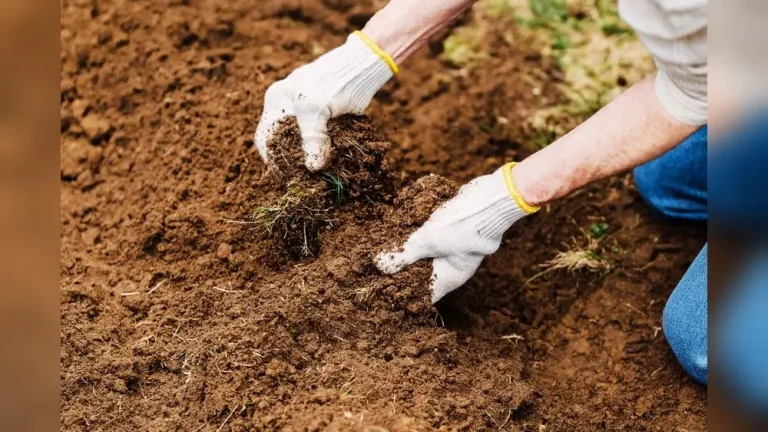
A common mistake is to dig into frozen soil to “loosen” it, which can break its structure and leave it compacted when it thaws. That usually smears the structure, seals pores, and leaves a heavier layer behind. Waiting is not inactivity. It is protection.
Runoff from hard surfaces and roof edges
Gardeners are advised to reduce hard surfaces because they prevent rainwater from being absorbed. Hard surfaces shed water quickly, while soil and plant cover absorb more water. In winter, that difference can decide whether a bed receives a manageable soak or a sudden surge.
Roof edges and paved strips often dump extra water into one narrow band of soil. That zone can stay wetter than the rest of the garden and often needs extra mulch, better grading, or a different planting choice.
Why wet soil is easy to compact
Soil compaction comes from pounding rain, foot traffic, and working the bed while it is wet. Compacted soil generally holds less air and drains more slowly, which can make the next rain more problematic. Mulch helps reduce the force of raindrops, and avoiding cultivation protects the pore space already in the bed.
If the surface smears under a hand tool or boot, leave it alone. Wet soil should not be cultivated in winter, even if it seems soft enough to move.
What should you do before the ground freezes?
Before freeze-up, your goal is to protect the surface, feed the soil slowly, and avoid leaving bare ground exposed. Compost, mulch, and cover crops all work, but they do different jobs. Choose the one that matches how long the bed will stay open and how wet the site usually gets.
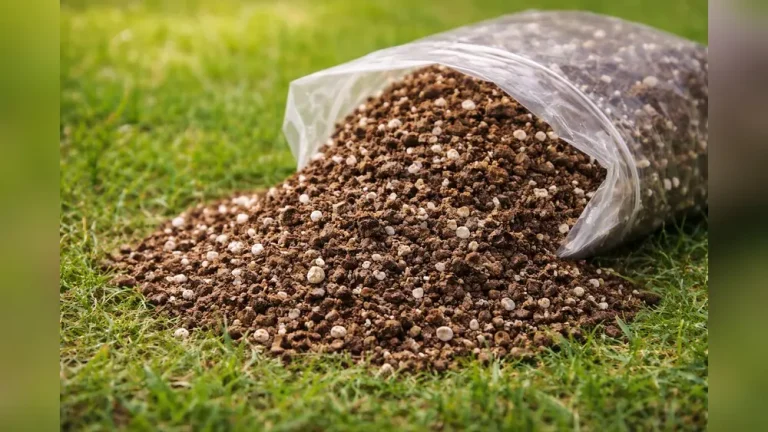
Add compost first. Spread a surface layer on vacant beds before the soil freezes. A compost layer can be added without cultivating first, and it feeds soil through winter while adding material that supports structure and moisture buffering.
Mulch the exposed surface. Winter mulch helps protect soil from erosion and harsh conditions. Keep it away from stems and trunks so moisture does not sit against them. A 2- to 3-inch layer is commonly used on many beds, but the key point is even cover, not depth alone.
Seed a cover crop. If the bed will stay open, use a cold-hardy cover crop or green manure. Winter green manures protect soil from erosion through winter, and hardy winter legumes can leave behind nitrogen for the next crop.
Compost works best on vacant beds that will rest over winter. Mulch works best where you want immediate surface protection. Cover crops are the best fit for open ground that will not be planted until spring.
Winter soil decision table
This table helps you match the weather condition to the right next step. The main question is whether the soil is being protected, stressed, or left vulnerable. Treat frost, freeze-thaw, rain, and snow as different soil processes, not the same winter condition.
| Condition | Likely soil effect | What not to do | Best garden action |
|---|---|---|---|
| Frost | Biology slows below about 45°F (7°C); decomposition and root activity drop. | Do not dig frozen beds or try to “wake up” the soil. | Leave the bed covered and undisturbed; add compost or mulch before deeper freeze sets in. |
| Freeze-thaw | Soil can heave, loosen, and crust, especially in exposed beds. | Do not walk on the bed or cultivate after a thaw-softened surface refreezes. | Keep the surface protected with winter mulch or a living cover. |
| Prolonged rain | Soil saturates, compaction risk rises, and clay or low spots stay wet longer. | Do not till, trench, or press equipment into wet soil. | Wait for drainage, then renew mulch and improve runoff control near hard surfaces. |
| Snow cover | Snow insulates soil and helps reduce erosion from wind and rain impact. | Do not scrape away snow cover unless access or safety requires it. | Let the snow buffer the bed; check drainage edges when melt starts. |
How should you handle bare soil, weeds, and cover crops?
Bare soil should usually be covered in winter, but not every green plant is a problem. Winter weeds can form green mats that protect exposed soil, and some may be useful as temporary cover. The right choice depends on whether the bed needs protection now or needs clearing before spring reseeding.
When winter weeds can stay put
Winter weeds can protect exposed soil from erosion, especially if they form a low mat. Dandelions and bittercress can also improve drainage with deep taproots in some situations. If the bed is not being reseeded right away, a temporary weed cover may be less harmful than bare ground.
That said, weeds are not a permanent solution. Remove them before heavy reseeding or before they go to seed, and do not let a thick weed mat block the next planting plan.
When bare soil needs coverage now
Cover bare soil if rain, wind, or freeze-thaw will hit it directly. Bare soil loses structure faster than covered soil. It also crusts more readily and sheds more water when storms arrive. In low spots and clay, that risk is higher because water already lingers there.
For those beds, mulch is often the fastest fix. If the bed will stay open until spring, a cover crop is better. If the bed is empty only briefly, compost plus mulch may be enough.
Choosing between mulch and living cover
Mulch is best when you want to insulate the surface and lower erosion without adding plant growth. Living cover is best when the bed can support a winter crop that protects the soil and adds organic matter. Compost sits between them as a feeding layer that also supports structure.
Think in layers. A bed may get compost first, then a light mulch if the soil is bare and likely to erode. A cover crop is the better choice when you want roots in the soil all winter.
What happens to plants in winter?
Top growth slows or dies back, but roots and crowns still need protection from cold, waterlogging, and repeated thawing. Snow cover can buffer the root zone by insulating the soil, while bare or exposed beds see more temperature swing. The plant may look dormant, but the soil around it is still changing.
Root-zone protection versus top growth
The top of the plant may be dormant, but the root zone still matters. Mulch and snow help keep the soil temperature steadier, which reduces damage to roots, crowns, and shallow bulbs. That protection is especially useful where winter rain or wind would otherwise strip the surface.
How snow cover changes the soil around roots
Snow acts as insulation. It can soften the effects of freezing air and reduce erosion from direct rain or wind. A bed under stable snow cover often changes more slowly than one left bare through a series of cold snaps and thaws.
When snow melts, check for soggy pockets near structures, gutters, and low spots. Those places may need drainage help before spring work begins.
Which beds need extra attention?
Pay most attention to clay, compacted ground, low areas, and beds near roofs or pavement. Those sites are where winter rain and runoff do the most damage. Exposed beds on windy ground also need more protection because freeze-thaw is more aggressive there.
Suppose your vegetable bed sits under a roof drip line where melting snow keeps one corner saturated while the rest stays hard and cold. If it gets roof runoff on one side and foot traffic on the other, the center may stay fine while the edge crusts and compacts. That bed needs surface protection more than pruning or cleanup.
Frequently asked questions
What happens to plants in winter: plants slow down above ground
Plants slow down above ground, and root activity drops as soil temperatures fall below about 45°F (7°C). Snow and mulch can protect the root zone, while bare soil is more exposed to freeze-thaw and erosion. The plant may look quiet, but winter weather is still shaping its growing space.
How does climate affect soil?
Climate affects soil by changing how often it freezes, how much rain it receives, and how exposed it is to wind. BBC Gardeners’ World notes that climate change is bringing more flooding, drought, and storms, which means winter soil care now has to account for both saturation and sudden drying.
Which weather is best for garden growth?
Steady, moderate weather is best for garden growth because roots need oxygen, moisture, and stable temperatures. Winter weather usually slows that process, especially below about 45°F (7°C). The best soil conditions are not the warmest ones alone; they are the ones that stay workable, well drained, and protected from compaction.