What Gardeners Can Do To Help Plants During Climate Change
Gardeners can help plants adapt to climate change by focusing on soil health, smart watering, choosing resilient plant varieties, and creating diverse garden ecosystems. These actions build stronger plants that can better withstand unpredictable weather patterns and temperature shifts.
Understanding Climate Change in Your Garden
Climate change means our weather patterns are shifting. You might notice hotter summers, unusual rainfall, or even more intense storms. These changes directly impact our gardens. Plants need certain conditions to grow well. When those conditions change suddenly, it stresses them out. This stress can make them weaker and more prone to pests or diseases.
Think about it like this: if you suddenly had to live in a place that was always too cold or too dry, you’d struggle too. Plants feel that. We’re seeing plants that used to grow fine in one area now having a hard time. Or, new plants that can handle warmer weather might start to do better.
The big ideas we hear are rising temperatures and changing rain. We might also see more extreme weather events. This could be floods, droughts, or strong winds. All of these affect the soil, the water available, and the plants themselves.

My Own Garden’s Wake-Up Call
I remember a few years ago, we had a summer that was just brutal. It was hot, then dry, then a sudden downpour. My tomato plants, which usually do great, looked sad and wilted even though I watered them. The leaves started to yellow. I felt a pang of real panic. It wasn’t just about losing my tomatoes; it felt like my garden was telling me something was wrong.
I had always thought gardening was about picking pretty plants and giving them water. But that summer showed me it’s much more. It’s about working with nature, not just against it. It made me realize I needed to learn more about how to make my garden tougher, or more resilient, as they say. I started reading, talking to other gardeners, and really paying attention to my soil.
Building Healthier Soil for Tougher Plants
Soil is the foundation of everything in your garden. It’s more than just dirt. It’s a living system filled with tiny organisms that help plants grow. When the climate changes, it can mess with this soil system.
One of the best ways we can help plants is by improving our soil. Healthy soil holds water better. This is super important when it’s dry. It also drains well when it rains a lot, so roots don’t rot.
How do we make soil healthy? Adding organic matter is key. This means things like compost, aged manure, or shredded leaves. When you add these things, they break down. This makes the soil fluffy and full of life. It also helps the soil keep moisture.
Easy Ways to Boost Soil Health
- Compost Everything: Kitchen scraps, yard waste, and leaves can become great compost.
- Mulch Your Beds: Use wood chips, straw, or compost to cover the soil.
- Avoid Compacting Soil: Use pathways and don’t walk on wet garden beds.
- Go Easy on Chemicals: Synthetic fertilizers can harm soil life.
Compost acts like a sponge for water. It also feeds the earthworms and microbes. These little helpers make the soil better over time. Improving your soil health is a long-term investment. It pays off by giving you plants that are stronger and can handle more stress.
Smart Watering Practices
Water is life for plants. But with changing weather, we can’t always rely on normal rain. This means we need to be smarter about how we water.
The biggest thing is to water deeply but less often. This encourages plant roots to grow deeper into the soil. Deep roots can find water even when the surface is dry. Shallow watering makes plants rely on the top layer, which dries out fast.
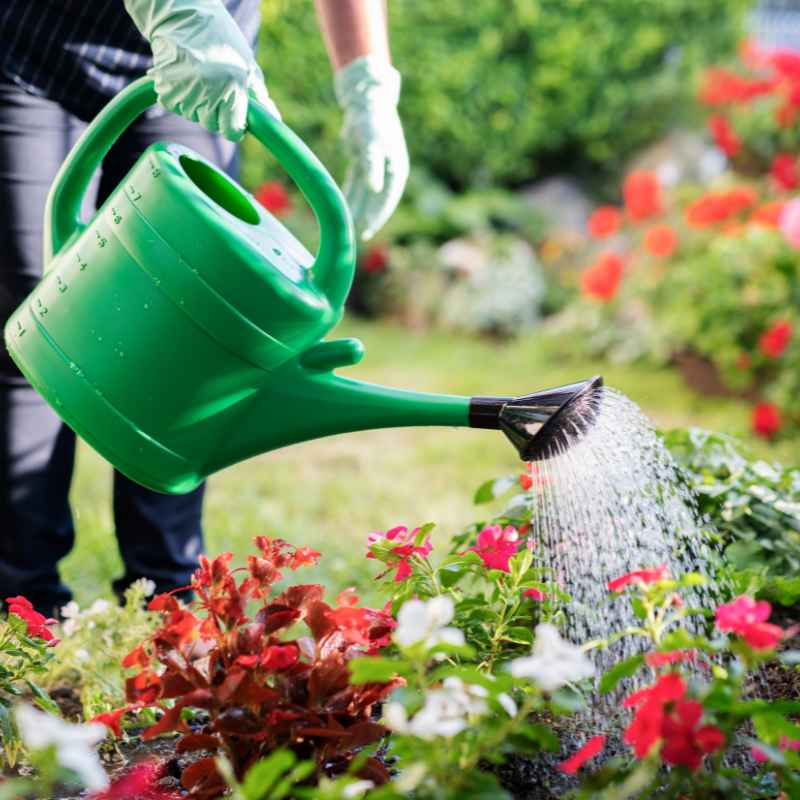
Watering early in the morning is best. This is when it’s cooler. Less water will be lost to evaporation. Watering in the evening can sometimes lead to fungal diseases. This is because leaves stay wet all night.
Watering Tips for Dry Times
- Check Soil Moisture: Stick your finger about two inches into the soil. If it feels dry, it’s time to water.
- Water the Roots: Aim water at the base of the plant, not the leaves.
- Use a Soaker Hose or Drip System: These deliver water directly to the roots.
- Collect Rainwater: Rain barrels can save you money and give plants good water.
Mulching also helps a lot with watering. A good layer of mulch around your plants keeps the soil cool. It also stops water from evaporating so quickly. This means you’ll need to water less often. Using drought-tolerant plants also cuts down on water needs.
Choosing the Right Plants for a Changing Climate
Not all plants are created equal when it comes to handling different weather. Some plants are naturally tougher and can bounce back from tough conditions. This is where choosing the right plant for the right place really matters.
Think about what’s happening in your local climate. Are summers getting hotter? Do you get less rain? Or do you have sudden deluges? Look for plants that are known to do well in those conditions. Many local nurseries and extension offices can help you find these. They have lists of plants suited for your area’s climate.
Native plants are often a great choice. They have evolved over thousands of years to thrive in your region’s typical weather. This means they are usually very hardy and require less care. They also support local wildlife, which is a bonus!
What to Look for in Resilient Plants
- Drought Tolerance: Can it survive with little water?
- Heat Tolerance: Can it handle high temperatures?
- Disease Resistance: Is it less likely to get sick?
- Native Species: These are often adapted to local conditions.
Don’t be afraid to try new things. Garden centers often label plants that are good for hot, dry spells or wet conditions. Reading plant tags carefully can give you clues. Sometimes, a plant that was once considered exotic might now be a good choice for your garden as the climate shifts.
Creating a Diverse Garden Ecosystem
A garden that has many different types of plants is like a strong community. If one plant variety struggles, others can pick up the slack. This diversity also attracts a wider range of beneficial insects and wildlife.
When you have a variety of plants, you create different habitats within your garden. Some plants might offer shade for others. Some might attract pollinators, while others might deter pests. This natural balance is incredibly helpful in dealing with climate stress.
For example, planting a mix of flowers, shrubs, and trees can create a more stable environment. Tall plants can shield smaller ones from harsh sun or wind. Ground cover plants help keep the soil moist and cool. This creates a microclimate that is more forgiving for sensitive plants.
Benefits of a Diverse Garden
- Natural Pest Control: More predators mean fewer pests.
- Improved Soil: Different plants feed soil in different ways.
- Pollinator Support: A variety of blooms means food for bees and butterflies all season.
- Resilience: If one plant fails, others will still grow.
Also, think about including plants that help each other. Companion planting is an old idea that’s very relevant now. Some plants can repel pests from others, or improve their growth. This natural cooperation makes your garden stronger.
Protecting Your Garden from Extreme Weather
Climate change can bring more extreme weather. This could be sudden frosts, hail storms, or strong winds. We can take steps to protect our plants when these events happen.
For sudden cold snaps, frost cloths or old blankets can save delicate plants. You can cover them up overnight. Remove the covers in the morning so they can get sunlight.
Hail can damage leaves and fruits. If hail is predicted, moving potted plants to a sheltered spot is a good idea. For plants in the ground, sometimes you can create temporary covers using netting or boards. This isn’t always practical for large gardens, but it can save prize specimens.
Protecting Against Wind and Storms
- Windbreaks: Plant rows of shrubs or trees on the windy side of your garden.
- Staking: Support taller plants like tomatoes or flowers to prevent them from falling over.
- Secure Structures: Make sure trellises, fences, and other garden structures are sturdy.
- Water Wisely Before Storms: A well-watered plant is often more stable.
Strong winds can dry out plants very quickly. They can also break branches. Using windbreaks, like hedges or fences, can help reduce wind speed in your garden. This creates a more sheltered environment for your plants. For very tall or top-heavy plants, staking them securely can prevent damage.
Embracing New Gardening Techniques
As gardeners, we can adapt by trying new techniques. Some of these are old practices brought back, while others are newer ideas. They all aim to make our gardens more resilient.
Permaculture is a design philosophy that works with nature. It focuses on creating sustainable systems. This often means mimicking natural ecosystems. Things like hugelkultur beds (mounds of soil and decaying wood) help retain water and nutrients.
Raised beds are also very useful. They allow you to control the soil quality completely. You can fill them with the best mix for your plants. They also drain very well, which is a plus in very wet periods. They warm up faster in the spring, too.
Forward-Thinking Garden Practices
- Hugelkultur: Building raised beds with buried wood for long-term fertility and water retention.
- Keyhole Gardens: Compost-filled cylinders in raised beds for efficient watering and nutrient delivery.
- No-Dig Gardening: Minimizing soil disturbance to protect its structure and organisms.
- Water Harvesting: Swales and rain gardens to capture and slow down water runoff.
Shade cloth can be your best friend during heat waves. You can install it over plants that are sensitive to intense sun. This provides relief and prevents scorching. These techniques are about working smarter and adapting to the new normal.
The Importance of Observation
One of the most powerful tools a gardener has is their own observation. Take time to really look at your plants and your garden environment. What are you noticing?
Are your plants showing signs of stress early? Is the soil drying out too fast? Are certain pests showing up more often? Your garden is constantly giving you clues about what’s working and what’s not.
Keep a garden journal. Write down what you plant, when you water, and what the weather is like. Note when you see blooms, fruits, or any problems. Over time, this record will show you patterns. It will help you understand how your garden is reacting to the changing climate. This information is gold for making better decisions next season.
What to Observe Regularly
- Leaf Color and Texture: Yellowing, wilting, or scorched leaves can signal stress.
- Soil Moisture: How quickly does the soil dry out after watering?
- Pest Activity: Are certain insects becoming more common?
- Flowering and Fruiting Times: Are they earlier or later than usual?
When you see something unusual, try to figure out why. Is it the heat? Too much rain? A new insect? This detective work helps you find the right solutions. It’s about being an active participant in your garden’s health.
When to Seek Expert Help
Even with the best efforts, sometimes plants face challenges we can’t easily solve. If you’re seeing widespread problems or are unsure about what to do, don’t hesitate to reach out for help.
Your local county extension office is a fantastic resource. They have horticultural experts who know your local climate and common garden issues. They can offer advice tailored to your specific situation. They often have fact sheets and can even help identify plant diseases or pests.
Botanical gardens or experienced garden clubs can also be helpful. Sometimes just talking to another gardener who has seen similar issues can bring new ideas. Remember, no gardener knows everything. We all learn from each other and from our experiences.
Reliable Sources for Gardening Advice
- County Extension Offices: (e.g., Texas A&M AgriLife Extension, Cornell Cooperative Extension)
- University Horticulture Departments: Many have online resources.
- Reputable Local Nurseries: Staff often have excellent practical knowledge.
- Master Gardener Programs: Volunteers trained to help home gardeners.
Don’t feel bad if a plant doesn’t make it. It happens to everyone. The goal is to learn from it and keep trying. Climate change makes gardening a bit more of a challenge, but it also makes it more rewarding when we succeed.
What This Means for Your Garden Future
The biggest takeaway is that we can make a difference. Our gardens can become more resilient with some focused effort. By building healthy soil, watering wisely, and choosing the right plants, we create a stronger environment for our plants.
This isn’t about creating a perfect, unchanging garden. It’s about creating a flexible, adaptable one. It’s about working with the natural world, even when it throws us curveballs. The choices we make in our gardens today can help our plants, and in turn, help the larger environment.
So, don’t get discouraged by the weather reports. See them as an invitation to learn and adapt. Your garden can be a place of beauty and bounty, even in a changing climate.

Frequently Asked Questions
What is the single most important thing I can do for my plants during climate change?
Improving your soil health is the most impactful step. Healthy soil acts like a buffer, holding water, improving drainage, and feeding your plants the nutrients they need to withstand stress.
Are native plants always the best choice for climate change resilience?
Native plants are often excellent choices because they are naturally adapted to your local climate conditions and require less supplemental watering or care. However, some non-native, well-adapted species can also perform well, so it’s good to research specific plant needs.
How can I water my garden effectively if we have unpredictable rain?
Focus on deep, infrequent watering to encourage deep root growth. Use mulch to retain soil moisture. Watering early in the morning is also best to reduce evaporation. Consider installing a rain barrel to capture and use rainwater when it does fall.
My garden gets very hot. What can I do to protect my plants from intense heat?
You can use shade cloth to create a cooler microclimate for sensitive plants. Mulching heavily around plants will keep their roots cooler. Choosing heat-tolerant plant varieties is also a very effective strategy.
What is the role of biodiversity in a garden facing climate change?
Biodiversity creates a more stable and resilient ecosystem. A variety of plants attracts a wider range of beneficial insects, supports natural pest control, and ensures that if one species struggles, others can thrive, keeping the garden balanced.
Should I stop planting certain things because of climate change?
Instead of stopping, it’s more about adapting. You might need to choose different varieties or shift your planting times. Research plants that are suited to your changing local conditions. Your local extension office can provide guidance on what’s now suitable for your area.
A Resilient Garden is a Rewarding Garden
Taking steps to help your garden adapt to climate change is a journey. It’s about learning, observing, and making small, consistent changes. Every bit of healthy soil you build, every drop of water you conserve, and every resilient plant you choose makes a difference.
Your garden can be a beautiful, thriving space that stands strong against unpredictable weather. It’s a way for you to connect with nature and make a positive impact, one plant at a time. The effort you put in will be rewarded with a stronger, more beautiful, and more giving garden.