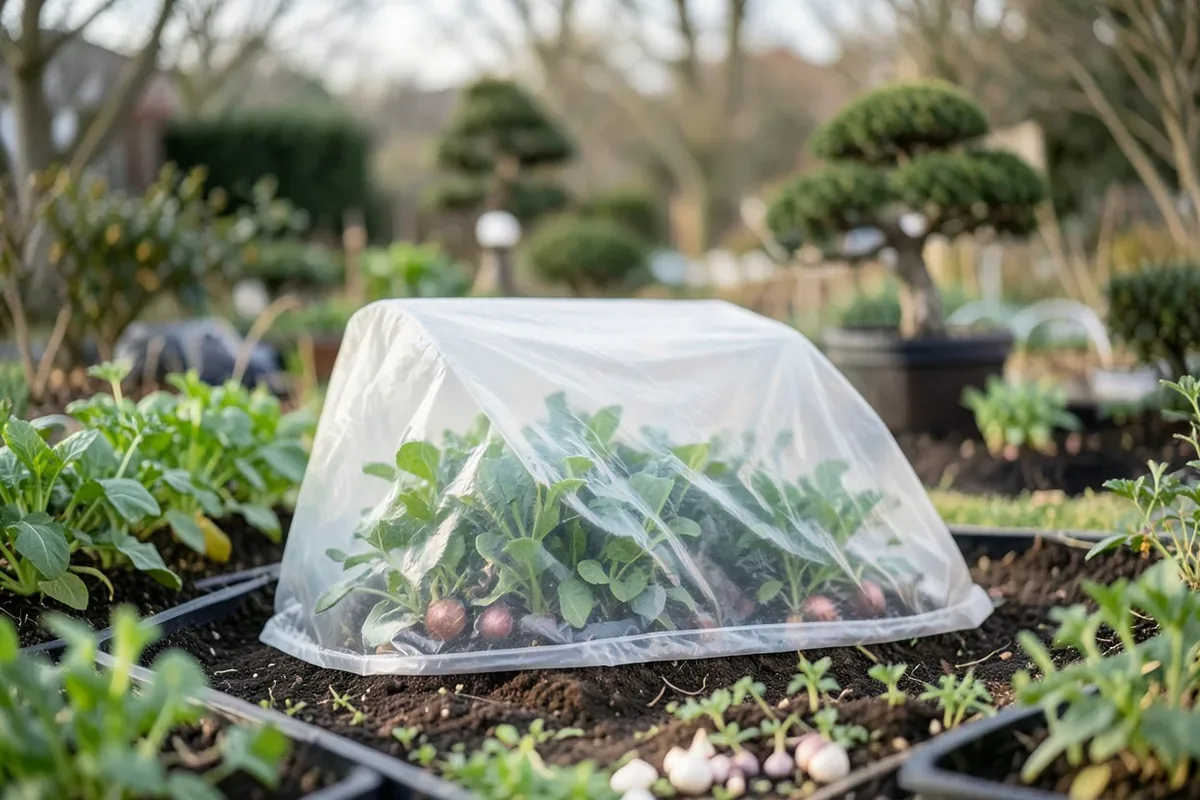
Protect Plants from Freeze: Your Plastic Cover Guide
Protecting plants with plastic covers is a common and effective method to shield them from damaging frost and freezing temperatures.
This guide will walk you through the best ways to use plastic to safeguard your garden, ensuring your beloved plants survive even the harshest cold snaps.
Simply put, using plastic sheeting like tarps, trash bags, or specialized covers creates a microclimate that traps heat and prevents frost from settling directly on plant surfaces. Proper application is key to maximizing protection without harming the plants.
Key Takeaways
- Protecting plants with plastic effectively creates a barrier against freezing temperatures.
- Choose the right type of plastic and method for your specific plant and the expected frost severity.
- Ensure adequate ventilation and avoid direct plastic contact with foliage to prevent damage.
- Timing is crucial: cover plants before sunset and uncover them after the threat has passed.
- Consider using supports to keep the plastic from crushing your plants.
What is Frost and Why is it Damaging to Plants?
Frost is the formation of ice crystals on a surface when the temperature of the surface is below freezing and there is sufficient moisture in the air. While a light frost might not kill most established plants, more severe or prolonged freezing temperatures can cause significant cellular damage.
When water inside plant cells freezes, it expands, rupturing the cell walls. This damage can lead to wilting, browning of leaves and stems, and in severe cases, the death of the plant. Tender annuals, young seedlings, and tropical plants are particularly vulnerable to frost damage.
Understanding the specific hardiness of your plants is crucial. Many perennials and shrubs have some natural resistance, but even these can suffer if temperatures plummet rapidly or stay below freezing for extended periods. Young plants, recently transplanted items, and those with thin, delicate foliage are the most at risk and require the most diligent protection.
- Frost Formation: Occurs when surface temperature drops below freezing (32°F or 0°C).
- Cellular Damage: Freezing water expands, bursting plant cell walls.
- Symptoms: Wilting, browning, blackening, tissue death.
- Vulnerable Plants: Tender annuals, seedlings, tropical species, young plants.
- Factors: Duration of cold, temperature drop, plant health, wind.
The National Weather Service issues frost advisories when conditions are favorable for frost formation. It’s important to monitor these forecasts closely if you live in an area prone to late spring or early autumn frosts.
How Does Plastic Protect Plants from Freezing?
Plastic acts as a barrier, primarily by trapping radiant heat lost from the soil and surrounding structures. During the day, the sun warms the soil and any objects in the garden. At night, this stored heat is released.
Plastic sheeting draped over plants creates a mini-greenhouse effect, capturing this escaping warmth and preventing it from dissipating into the cold night air.
This trapped heat raises the temperature within the covered area, often by several degrees, which can be enough to keep delicate plant tissues above the critical freezing point. Additionally, the plastic physically blocks frost from forming directly on the plant’s leaves and stems. It also offers some protection against cold, dry winds that can dehydrate plants rapidly.
The Greenhouse Effect Explained
The greenhouse effect is the process by which radiation from the Sun passes through the Earth’s atmosphere and warms the ground, which then re-radiates the heat in the form of infrared radiation. Some of this infrared radiation is absorbed by greenhouse gases, trapping the heat and keeping the planet warmer than it would otherwise be. In the context of garden covers, the plastic acts as the ‘greenhouse gas’ layer, trapping the re-radiated heat from the soil and surrounding surfaces.
- Insulation: Traps heat radiated from the ground.
- Physical Barrier: Prevents frost and ice crystals from forming on leaves.
- Windbreak: Shields plants from damaging cold winds.
- Moisture Retention: Can help keep humidity levels slightly higher, which can be beneficial.
The effectiveness of this protection depends on several factors, including the type of plastic used, how securely it’s anchored, and the ambient temperature. A simple plastic bag can make a difference of 2-4 degrees Fahrenheit, while a more elaborate covered structure might provide even greater protection.
Types of Plastic Covers for Plant Protection
There are various types of plastic materials you can use, each with its own advantages and disadvantages. The best choice depends on the size of your plants, the severity of the expected cold, and what you have readily available.
For small, individual plants like seedlings or potted herbs, clear plastic bags (like produce bags or sandwich bags) can be effective. Larger, more robust plants might require trash bags, tarps, or specialized frost cloths. It’s important to note that thicker, opaque plastics can block sunlight, so they are best used for short-term protection on freezing nights only.
| Plastic Type | Pros | Cons | Best For |
|---|---|---|---|
| Clear Plastic Bags (e.g., Sandwich, Produce) | Readily available, inexpensive, good for small plants, allows light penetration. | Small coverage area, can trap too much moisture if not vented, easily torn. | Seedlings, small herbs, individual potted plants. |
| Trash Bags (Heavy Duty) | Larger coverage, more durable than thin bags, good insulation. | Opaque (blocks sunlight), needs support, can be difficult to fit snugly. | Medium-sized shrubs, bushes, larger potted plants. |
| Tarps (Plastic or Canvas) | Maximum coverage for large areas or multiple plants, very durable. | Requires significant support structure, heavy, can be bulky. | Rows of vegetables, large garden beds, sensitive trees. |
| Specialized Frost Cloth/Blankets | Breathable, allows some light and moisture through, specifically designed for frost. | More expensive than household plastics, may not provide as much insulation as solid plastic. | All types of plants, especially where continuous protection is needed. |
When using opaque plastics, remember that they are not suitable for long-term use during daylight hours as they block essential sunlight needed for photosynthesis.
Tips for Using Different Plastic Cover Types
- For small plants, slide a plastic bag over them, leaving it open at the bottom or loosely tied.
- For shrubs, drape a trash bag or tarp over the entire plant, ensuring it reaches the ground. Use stakes or supports to prevent the plastic from touching the foliage directly.
- When covering larger areas, use stakes or poles to create a tent-like structure over the plants, and then drape your tarp or frost cloth over this frame.
- If using heavy tarps, ensure your supports are sturdy enough to hold the weight and prevent collapse.
How to Properly Apply Plastic Covers for Maximum Protection
The effectiveness of your plastic cover hinges on its proper application. Simply throwing a sheet over a plant won’t always do the trick. It’s about creating a secure, insulated space that protects the plant from direct frost and cold air intrusion.
The goal is to create a barrier that traps warm air and prevents cold drafts from reaching the plant’s foliage and stem. This requires careful consideration of how the plastic is secured, how it contacts the plant, and how it interacts with the surrounding environment.
Securing Your Frost Covers
Once you have your chosen plastic material, the next step is to secure it. This is often the most critical part of the process. Loose covers are easily blown away by wind, rendering them useless.
- Anchor Edges: For ground-level plants, bury the edges of tarps or plastic sheeting under soil, mulch, or heavy rocks. This creates a seal that prevents cold air from seeping underneath.
- Use Stakes and Clamps: For plants that require a more elevated cover, use stakes, poles, or garden stakes to create a frame. Drape the plastic over this frame, and then secure the edges to the stakes or the ground using garden clips, clothespins, heavy-duty tape, or bricks.
- Weight Distribution: If using bricks or rocks to hold down edges, ensure they are placed strategically to create a tight seal without crushing lower branches or leaves.
- Taut but Not Tight: The plastic should be relatively taut to prevent wind from catching it, but not so tight that it puts undue stress on the plant’s structure.
- Elevated Covers: For trees or large shrubs, ensure the cover extends well past the canopy and reaches the ground to trap heat radiating from the soil.
| Securing Method | Description | Best For |
|---|---|---|
| Burying Edges | Tuck plastic edges into the soil, creating a seal. | Ground cover plants, garden beds, low-lying shrubs. |
| Stakes and Clips | Use stakes to form a frame and clips to attach plastic. | Larger shrubs, small trees, rows of vegetables. |
| Bricks/Rocks | Place heavy objects along the perimeter to weigh down edges. | Potted plants, reinforcing edges of larger covers. |
The goal is a snug fit that doesn’t allow significant cold air infiltration.
Avoiding Direct Contact
It’s crucial to prevent the plastic from touching the plant’s foliage and stems directly. When plastic freezes to a plant, it can cause physical damage similar to ice formation within the cells. Frozen plastic is also brittle and can easily tear if it’s pressed against delicate leaves.
Warning: Ensure there’s at least a few inches of space between the plastic and the plant’s leaves or branches. This is especially important for tender foliage.
To achieve this separation, use stakes, cages, or sturdy branches to create a framework that supports the plastic cover above the plant. For smaller plants, you might use an upside-down pot or a tomato cage as an internal support structure.
- Use internal supports like stakes, tomato cages, or hoops.
- Build a frame using PVC pipes or garden stakes for larger plants.
- Ensure the plastic forms a tent or dome shape, allowing air circulation.
- Check that no leaves are pressing against the plastic, especially on windy nights.
If you can’t create a completely separate frame, try to arrange branches or twigs so they hold the plastic away from the most delicate parts of the plant.
When to Cover and Uncover Your Plants
Timing is everything when it comes to frost protection. Covering plants too late or uncovering them too early can negate all your efforts. The key is to act before temperatures drop and to remove the cover as soon as the threat has passed.
Anticipate the cold. It’s best to put covers on before sunset, as the temperature begins to drop. This allows the trapped heat in the soil to build up within the covered area throughout the evening.
Removing the covers too soon the next morning can expose plants to fluctuating temperatures that can also cause shock.
Covering Up for the Cold
Always monitor weather forecasts. When temperatures are predicted to drop to 32°F (0°C) or below, or when a frost advisory is issued, it’s time to cover your plants.
- Check the Forecast: Pay attention to overnight low temperatures and frost warnings.
- Cover Before Sunset: Apply covers in the late afternoon or early evening, before the sun sets and temperatures start to fall significantly.
- Secure Firmly: Ensure all edges are anchored and the cover is stable against wind.
- Ventilate if Necessary: If using sealed plastic and the temperature is expected to rise significantly during the day, consider leaving a small opening for ventilation.
The National Oceanic and Atmospheric Administration (NOAA) provides detailed weather forecasts that are invaluable for gardeners.
Uncovering After the Threat
The danger doesn’t end when the sun rises. While the air temperature might be above freezing, surfaces can still be cold, and rapid temperature changes can shock plants.
- Wait for Daytime Temperatures: Uncover plants once the air temperature has risen consistently above freezing (e.g., 35-40°F or 4-5°C) and the risk of frost has passed for the day.
- Remove Gradually: If possible, remove covers gradually, especially for sensitive plants, to allow them to acclimate to direct sunlight and normal temperatures.
- Check for Damage: After uncovering, inspect your plants for any signs of frost damage.
- Water if Dry: If the soil is dry, water your plants after uncovering to help them recover.
Removing covers promptly is essential. Leaving them on during sunny days can cause plants to overheat or suffer from lack of light and air circulation, leading to fungal diseases or wilting.
What to Do if Your Plants Get Frostbitten
Even with the best preparations, sometimes plants still suffer frost damage. It’s important not to panic and to take the right steps to help them recover. Pruning too early can do more harm than good.
Frostbitten plant tissue typically turns black or brown. It might appear mushy or brittle. The key is to give the damaged parts time to show you where the actual damage ends and healthy growth begins.
Step-by-Step Recovery Process
- Do Not Prune Immediately: Resist the urge to cut away the damaged foliage. The frozen, damaged parts can actually act as a protective layer for the healthy tissue underneath while temperatures are still fluctuating.
- Water Gently: If the soil is dry, water your plants gently. Hydration is important for recovery.
- Wait for New Growth: Wait until the threat of frost has completely passed for the season and new growth begins to emerge. This usually takes several weeks.
- Prune Carefully: Once you see signs of new life, carefully prune away only the dead, black, or mushy parts. Make clean cuts back to healthy green tissue.
- Provide Good Care: Continue to provide optimal care with proper watering, sunlight, and fertilization (if appropriate) to encourage strong regrowth.
For annuals that are severely damaged, you may need to replace them. However, many plants are surprisingly resilient and can bounce back from significant frost damage with patience and proper care.
Frequently Asked Questions
Can I use regular plastic garbage bags to protect my plants?
Yes, heavy-duty plastic garbage bags can be effective for protecting medium to large shrubs and bushes. Ensure they are large enough to cover the plant without direct contact and are securely anchored to the ground.
How many degrees can a plastic cover raise the temperature?
A simple plastic cover can raise the temperature by approximately 2-4 degrees Fahrenheit (about 1-2 degrees Celsius). More elaborate structures or layered coverings can provide even greater protection.
Should I leave the plastic cover on during the day?
Generally, no. Opaque plastic covers should be removed as soon as the frost threat has passed and temperatures rise during the day. Leaving them on can cause plants to overheat, stifle photosynthesis, and promote fungal growth.
What is the difference between frost and freeze?
Frost occurs when the surface temperature is at or below freezing (32°F/0°C) and ice crystals form. A freeze occurs when the air temperature is at or below freezing. Frost can happen even when the air temperature is slightly above freezing, due to radiative cooling of surfaces.
Are there any plants that absolutely should not be covered with plastic?
While plastic is generally safe for short-term frost protection, some very delicate or hairy-leaved plants might be susceptible to rot or fungal issues if moisture gets trapped. For these, breathable frost cloths are a better alternative. Always avoid direct contact between frozen plastic and plant tissue.
Final Thoughts
Learning how to effectively protect plants with plastic covers is an essential skill for gardeners in unpredictable climates. By choosing the right materials, applying them correctly, and timing their use precisely, you can significantly increase your plants’ chances of surviving cold snaps. Remember to prioritize support for the covers and ensure good ventilation to prevent unintended damage.