How To Identify Common Plant Diseases In Southern Gardens
The good news is that most common plant diseases have clear signs. Knowing what to look for can save your plants and your sanity. This guide will help you become a plant detective. We’ll walk through how to spot common issues, understand why they happen, and what you can do. You’ll learn to tell the difference between a minor issue and something serious.

Cool Springs Press
The Vegetable Garden Problem Solver Handbook: Identify…
As an Amazon Associate I earn from qualifying purchases.
The most common plant diseases in Southern gardens include fungal infections like powdery mildew and black spot, bacterial blights, and viral issues affecting vegetables and ornamental plants. Identifying these early is key to effective treatment and prevention. Factors like high humidity, specific soil types, and plant stress often contribute to their spread.
Understanding Plant Diseases in the South
Plants, like us, can get sick. Diseases are usually caused by tiny living things. These include fungi, bacteria, and viruses. They attack plant parts like leaves, stems, roots, and flowers. In the South, our warm, humid weather is a big factor. This climate is great for growing, but it’s also ideal for many disease-causing organisms.
Fungi are the most common culprits. They love moist conditions. You often see them as spots, mildews, or rots. Bacteria can cause wilting, leaf spots, and stem cankers. Viruses are harder to see but can cause stunting and strange patterns on leaves.
Plant stress makes them more vulnerable. This stress can come from poor watering, bad soil, or extreme heat. A strong, healthy plant can fight off some diseases. A weak one is an easy target. So, keeping your plants happy and healthy is the first line of defense.

Recognizing Fungal Foes
Fungal diseases are everywhere in Southern gardens. They thrive on moisture and often appear after rain or heavy dew. Knowing the common types can help you act fast.
Powdery Mildew: The White Dust
Powdery mildew is like a white or grayish dusty coating on leaves, stems, and sometimes flowers. It looks like someone sprinkled flour all over your plant. You might see it on roses, crape myrtles, squash, and cucumbers. It’s most common in spring and fall when days are warm and nights are cool. Humidity helps it spread.
This fungus loves shade and poor air circulation. If your plants are crowded, it can spread quickly. It weakens the plant by blocking sunlight and stealing nutrients. Leaves might turn yellow and drop off.
Quick Scan: Powdery Mildew
What it looks like: White, powdery patches.
Where you see it: Leaves, stems, flowers.
Common plants: Roses, crape myrtles, squash, cucumbers, zinnias.
When it strikes: Warm days, cool nights, high humidity.
What happens: Weakens plant, yellowing, leaf drop.
Black Spot on Roses: The Signature Spots
This is a big one for rose lovers. Black spot starts as small, dark spots, often with fringed edges. They can be purplish-black. As the spots grow, the leaf around them turns yellow. Eventually, the whole leaf will drop off. This can happen quickly, leaving a rose bush almost bare.
Like other fungi, black spot needs moisture to spread. Rain splash or overhead watering can move the spores from leaf to leaf. It’s a persistent problem in the South because of our wet springs and humid summers. It truly stresses out rose bushes.
I remember one summer, my prize roses were covered. It felt hopeless. I was picking off spotted leaves daily. That’s when I learned about good air flow and watering at the base. It made a huge difference. It took time, but my roses recovered. They became stronger for it.
Myth vs. Reality: Black Spot
Myth: Black spot only affects old rose varieties.
Reality: While some varieties are more resistant, black spot can affect almost any rose, especially in humid Southern climates. Modern disease-resistant varieties offer the best defense.
Myth: You can cure black spot with one spray.
Reality: Black spot requires ongoing management. Regular sanitation (removing fallen leaves) and appropriate treatments are needed to keep it under control.
Anthracnose: Patchy Damage
Anthracnose is a group of fungal diseases. It causes spots on leaves, stems, and fruits. These spots can be irregular in shape. They might start small and grow. Often, the center of the spot turns brown or tan. Sometimes, you see tiny black dots in the center of the spot. These are the fungus producing spores.
Leaves can turn yellow, wilt, and fall off. On fruits like tomatoes or strawberries, it causes sunken, circular lesions. On trees like dogwoods or oaks, it can cause large patches of dead leaves.
This disease also loves wet weather. It can overwinter on infected plant debris. So, cleaning up fallen leaves and twigs is really important. Good air movement around plants also helps reduce its spread.
Root Rot: The Silent Killer
Root rot isn’t always obvious at first. It’s caused by fungi that live in the soil. They attack the roots, especially when the soil is waterlogged. Plants with root rot often look generally unhealthy. They might wilt, even when the soil is wet. Leaves can turn yellow or brown and drop.
The key here is overwatering or poor drainage. In the South, heavy rains can saturate soils. If your soil doesn’t drain well, roots can stay wet too long. This creates the perfect home for these root-rotting fungi. It’s hard to fix once it’s bad. The best approach is prevention.
I learned this the hard way with some lovely azaleas. I thought more water was always better in the heat. They started looking sad. The leaves drooped. Then they turned yellow. Turns out, the soil was staying too wet, and their roots were drowning. That was a tough lesson in understanding soil and watering needs.
Spotting Root Rot Signs
General decline: Plant looks weak, less vigorous.
Wilting: Even when soil is moist.
Yellowing leaves: Often starts from the bottom up.
Poor growth: New leaves are small, or growth slows.
Mushy roots: If you dig up the plant, roots may be brown and soft instead of firm and white.
Bacterial Blights and Spots
Bacteria can also cause serious trouble for your garden plants. They often enter plants through wounds or natural openings like pores on leaves. Like fungi, they often prefer moist conditions.
Bacterial Leaf Spot: Small, Dark Lesions
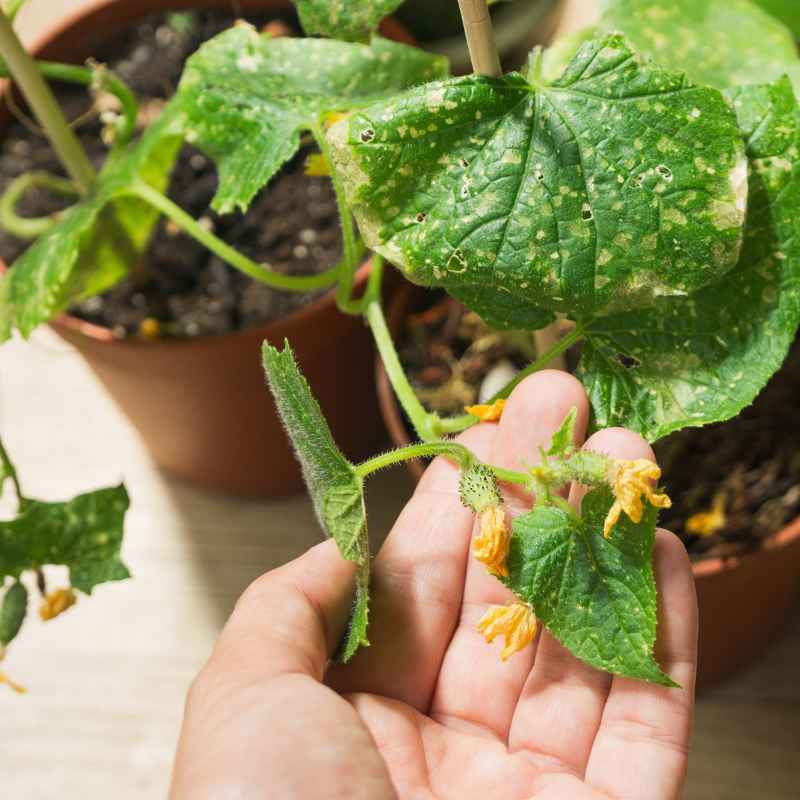
Bacterial leaf spot is common on many vegetables and ornamentals. It causes small, dark spots on leaves. These spots can be round or irregular. Often, they have a water-soaked look at first. They can be brown, black, or reddish-brown. Sometimes, a yellow halo surrounds the spot.
As the disease progresses, spots can merge. Large dead areas can form. Leaves may then turn yellow and fall off prematurely. On fruits, it can cause small, sunken spots.
Rain splash, wind, and even tools can spread bacterial diseases. This is why sanitizing pruning tools is so important. It helps stop the spread from one plant to another.
Bacterial Wilt: Sudden Wilting
Bacterial wilt is devastating for plants like tomatoes, peppers, and cucumbers. It’s caused by a bacterium that gets into the plant’s water-conducting tissues. This blocks the flow of water, causing sudden wilting.
The plant can look fine one day and be completely wilted the next. Sometimes, only one side of the plant wilts first. If you cut a wilting stem, you might see a milky ooze. This is a sign of the bacteria. There is no cure for bacterial wilt once a plant is infected. Infected plants should be removed and destroyed to prevent spread.
Contrast: Fungal vs. Bacterial Spots
Fungal Spots: Often have concentric rings or a dry, papery texture. May have tiny black dots (fungal fruiting bodies) in the center. Yellow halos are less common.
Bacterial Spots: Often start as water-soaked spots. May have a distinct yellow halo. Can have a greasy appearance.
Spots may spread and merge more readily.
Viral Troubles
Plant viruses are microscopic. They can’t be seen with a regular microscope. They are often spread by insects like aphids or leafhoppers. Once a plant is infected, there’s usually no cure.
Mosaic Viruses: Mottled Patterns
Mosaic viruses cause a mottling or mosaic-like pattern on leaves. You might see areas of light green, dark green, yellow, or even white. These patterns can be patchy, streaky, or in rings. Leaves can also become distorted, crinkled, or stunted.
Common examples include Tobacco Mosaic Virus (TMV) which affects tomatoes, peppers, and eggplant. Cucumber Mosaic Virus (CMV) affects a wide range of plants.
Viruses are spread through infected seeds, plant debris, and especially by insects. If you see these patterns, it’s best to remove the plant to stop the spread. Avoid planting susceptible crops in the same spot year after year.
Quick Tips: Virus Prevention
Control insects: Many viruses are spread by pests.
Use certified seeds: Ensure seeds are disease-free.
Sanitize tools: Clean tools between plants.
Remove infected plants: Promptly remove and destroy plants showing viral symptoms.
Crop rotation: Don’t plant the same type of crop in the same spot too often.
Common Pests That Look Like Diseases
Sometimes, what looks like a plant disease is actually caused by pests. It’s easy to get them mixed up. Understanding the difference can save you from using the wrong treatment.
Aphids and Scale: Sap-Sucking Pests
Aphids are tiny, soft-bodied insects. They cluster on new growth and the undersides of leaves. They suck sap from the plant. This weakens the plant and can cause leaves to yellow or curl.
Scale insects look like tiny bumps or shells on stems and leaves. They also suck sap. Heavy infestations can make a plant look unhealthy and sticky. They often leave behind a sticky substance called honeydew. This honeydew can lead to a black, sooty mold growth.
Sooty mold itself isn’t a disease. It’s a fungus that grows on the sugary honeydew. It blocks sunlight, but the mold can be washed off if the pest problem is solved. I’ve seen plants covered in what looked like a disease, but it was just sooty mold from a massive aphid attack.
Spider Mites: Tiny Web-Spinners
Spider mites are so small you can barely see them. They cause damage by piercing plant cells and sucking out the contents. This leaves tiny stippled spots on the leaves, making them look faded or bronzed.
You might also notice fine webbing on the leaves or stems. This is a key sign of spider mites. They love hot, dry conditions, so they can be a problem in the South, especially during dry spells or under stressed plants.
Pest vs. Disease Clues
Pests: You can often see the insects themselves, their eggs, or their waste (honeydew). Damage is usually from feeding.
Diseases: Caused by microorganisms (fungi, bacteria, viruses). Signs are spots, wilts, blights, or abnormal growth patterns without visible insects.
Sooty Mold: A sign of honeydew, which comes from pests like aphids or scale.
Webbing: Often indicates spider mites.
Real-World Scenarios in Southern Gardens
Let’s talk about what this looks like in practice. Southern gardens have their own set of challenges that encourage certain problems.
The Humid Summer and Your Tomatoes
Tomatoes are a garden staple, but they are magnets for diseases in the South. The long, hot, humid summers are perfect for fungal diseases. Blight, like early blight and late blight, is very common.
Early blight shows up as dark spots on lower leaves, often with yellow rings. Late blight is more aggressive and can kill plants quickly, forming greasy, dark lesions. Bacterial wilt is also a huge threat.
Overhead watering in the evening is a recipe for disaster. Water sits on leaves all night, giving fungi and bacteria a party. Planting resistant varieties and watering at the base are crucial steps. Good air circulation is also key, meaning don’t plant them too close together.
Crape Myrtle Woes
Crape myrtles are iconic Southern trees. However, they are very prone to powdery mildew. This is especially true for varieties that are not disease-resistant.
The white powdery coating can appear on leaves, stems, and flowers. It looks unsightly and weakens the plant. It’s more common when plants are stressed by drought or poor soil. It can also be worse on plants that have poor air circulation, like those planted too close to buildings or other plants.
Choosing resistant crape myrtle varieties is the best long-term solution. If you already have a susceptible one, proper pruning to open up the canopy helps a lot. Avoid fertilizing too late in the season, as this can promote weak, new growth that is more prone to mildew.
The Wet Spring and Your Veggie Patch
Spring in many parts of the South can be quite wet. This is prime time for fungal and bacterial diseases to take hold in vegetable gardens. Plants are just starting to grow and might be a bit tender.
Diseases like anthracnose on beans and cucurbits, and leaf spots on greens, can spread rapidly. If you planted susceptible varieties, you might see problems early. Poorly drained soil is a big issue. It can lead to root rot even before you see problems above ground.
Practicing good crop rotation is vital. Don’t plant the same families of vegetables in the same spot year after year. This helps break disease cycles. Also, ensure your garden beds have good drainage. Raised beds are a great solution for many Southern gardens.
Garden Design for Disease Prevention
Spacing: Give plants room to breathe. Good air circulation reduces humidity around leaves.
Drainage: Ensure soil drains well. Amend heavy clay soils or use raised beds.
Watering: Water at the base of plants in the morning. Avoid overhead watering, especially in the evening.
Location: Choose spots with appropriate sunlight for your plants. Avoid planting in overly shady, damp areas if possible.
What This Means for You
Knowing these common diseases and pests is the first step. Now, what do you do with this information?
When to Relax and When to Worry
A few yellow leaves or small spots are often normal. Plants can get stressed. A single leaf with a spot might not be a big deal. What you want to watch for is rapid spread. If a disease is affecting many leaves, moving quickly up the plant, or causing plants to wilt and die, then it’s time to worry.
Persistent, widespread issues are the ones that need attention. If your plants look bad and aren’t recovering, or if the problem gets worse each week, it’s time to investigate.
Simple Checks You Can Do
Look closely: Spend a few minutes each day or every other day examining your plants. Check the tops and undersides of leaves, stems, and new growth.
Feel the soil: Stick your finger into the soil. Is it dry, or is it soggy? This tells you a lot about watering and drainage.
Observe the pattern: Are the spots circular? Are they spreading? Is there a halo? Does it look dusty? Are there tiny webs? These details are clues.
Check for pests: Look for tiny insects, eggs, or fine webbing.
Your Plant Health Checklist
- Daily/Every Other Day: Quick visual check for spots, wilting, pests.
- Weekly: Check soil moisture. Inspect new growth. Look under leaves.
- Monthly: Assess overall plant vigor. Note any recurring issues.
Tips for Keeping Your Southern Garden Healthy
Preventing disease is always better than treating it. Here are some practical tips for your Southern garden.
Choose the Right Plants
Select varieties that are known to be resistant to common diseases in your area. This is especially true for tomatoes, roses, and crape myrtles. Look for descriptions like “disease-resistant” or specific resistance codes.
Improve Soil Health
Healthy soil grows healthy plants. Amend your soil with compost regularly. This improves drainage and adds nutrients. Healthy soil also supports beneficial microorganisms that can help suppress disease-causing ones.
Water Wisely
Water deeply and less often. Water in the morning so leaves can dry before nightfall. Avoid overhead sprinklers if possible. Drip irrigation or soaker hoses deliver water directly to the roots.
Provide Good Airflow
Space plants properly. Prune shrubs and trees to open up the canopy. This allows air to circulate and helps foliage dry faster, reducing disease spread.
Practice Sanitation
Remove and destroy infected plant debris promptly. This includes fallen leaves, pruned branches, and wilting plants. Don’t compost diseased material, as it can spread to your compost pile.
Crop Rotation
For vegetable gardens, rotate crops. Avoid planting the same plant family in the same spot for at least three to four years. This breaks disease cycles in the soil.
Your Preventative Maintenance List
- Plant Selection: Prioritize disease-resistant varieties.
- Soil Improvement: Use compost to enhance drainage and fertility.
- Smart Watering: Morning, at the base, less often.
- Airflow: Proper spacing and pruning.
- Cleanliness: Remove and dispose of diseased material.
- Rotation: Rotate vegetable families yearly.

Frequently Asked Questions About Plant Diseases
What is the most common plant disease in Southern gardens?
Fungal diseases like powdery mildew and various leaf spots are very common. This is due to the high humidity and warm temperatures prevalent in Southern climates, which create ideal conditions for fungal growth.
How can I tell if my plant has a disease or is just stressed?
Stress often causes general decline, yellowing, or wilting. Diseases usually show more specific symptoms like spots, blights, unusual patterns, or visible mold. Look for distinct lesions or markings on leaves and stems.
Rapid spread of symptoms is also a key indicator of disease.
Is it safe to eat vegetables that had a small amount of leaf spot?
For most common leaf spot diseases on vegetables, it is generally safe to eat the parts of the plant that are not affected. Remove and discard any diseased leaves or fruit sections. However, if the disease is severe or suspected to be bacterial wilt or a virus, it’s best to err on the side of caution and discard the plant.
What is the best way to deal with powdery mildew?
For powdery mildew, improving air circulation through pruning is key. Water at the base of plants in the morning. You can also use organic fungicides like neem oil or potassium bicarbonate, or synthetic fungicides if the problem is severe.
Choosing resistant varieties is the best long-term strategy.
Can I use my compost if I had diseased plants in it?
It is not recommended to use compost that may have contained diseased plant material, especially if the disease was severe. Some pathogens can survive the composting process. It’s best to be safe and either discard the material or ensure your compost pile reaches very high temperatures for an extended period to kill pathogens.
What are the first signs of root rot?
The first signs of root rot are often subtle. Plants may look generally unhealthy, with wilting leaves that don’t recover even when watered. Leaves may turn yellow, and overall growth slows down.
If you suspect root rot, gently dig up a plant to check the roots; they will look brown and mushy instead of firm and white.
Conclusion
Becoming a plant disease detective in your Southern garden takes practice. But by understanding common signs like spots, wilts, and powdery coatings, you can identify problems early. Remember, healthy plants are your best defense. Focus on good soil, proper watering, and air circulation. You’ll be enjoying a vibrant, healthy garden all season long.
Related pick: Check today's price on Amazon