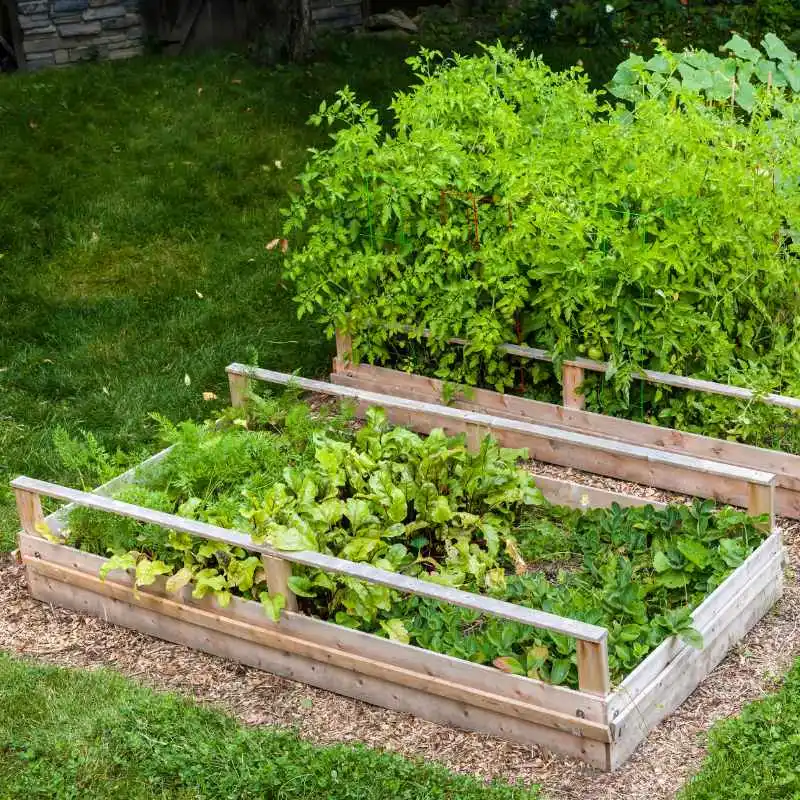
What A Raised Vegetable Garden Planting Should Look Like
The perfect raised vegetable garden planting involves a mix of plants that like similar sun and water conditions, arranged to maximize sunlight, airflow, and ease of harvesting. Consider plant height and spread to avoid overcrowding and ensure every plant gets what it needs to thrive.

Land Guard
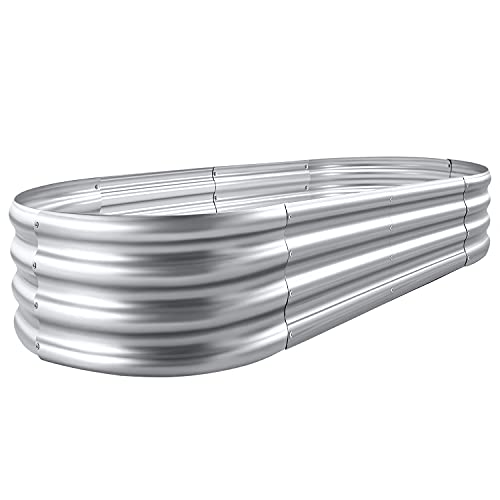
Land Guard Galvanized Raised Garden Bed Kit,…
- Each raised metal garden bed size: 4×2×1ft ,7.14Cu
- Upgraded quality and structure: raised garden beds outdoor are made of Q195 galvanized metal sheet, double-layer anti-corrosion ga…
- Easy to set up, this galvanized stock tank only takes about 5 minutes to easily assemble and continue planting plants.
As an Amazon Associate I earn from qualifying purchases.
For a related vegetable-garden decision, How To Use A Water Distillation Unit For Your Vegetable Garden adds another practical check before you choose materials or treatments.
For a related vegetable-garden decision, How To Prevent Insects And Diseases In Your Vegetable Garden adds another practical check before you choose materials or treatments.
For a related vegetable-garden decision, Advantages Of Raised Vegetable Gardens You Should Know adds another practical check before you choose materials or treatments.
Understanding Your Raised Garden Bed
Before we talk about what goes in, let’s touch on the “where.” Raised garden beds are fantastic. They offer better drainage. They warm up faster in spring.
Plus, they help keep weeds and soil pests at bay. But they are also a contained space. This means smart planning is key to getting the most out of them.
Think of your raised bed as a mini-ecosystem. Each plant plays a role. Some need lots of sun.
Others prefer a bit of shade. Some drink a lot of water. Others like to stay drier.
Grouping plants with similar needs is the first step to a happy garden. This helps you water smarter and prevents some plants from suffering.
You also need to think about how big plants get. A tiny seedling today can be a huge bush in a few months. You don’t want your small tomato plant to shade out your delicate lettuce.
Proper spacing means more airflow. This helps prevent diseases. It also means plants can grow to their full, productive size.
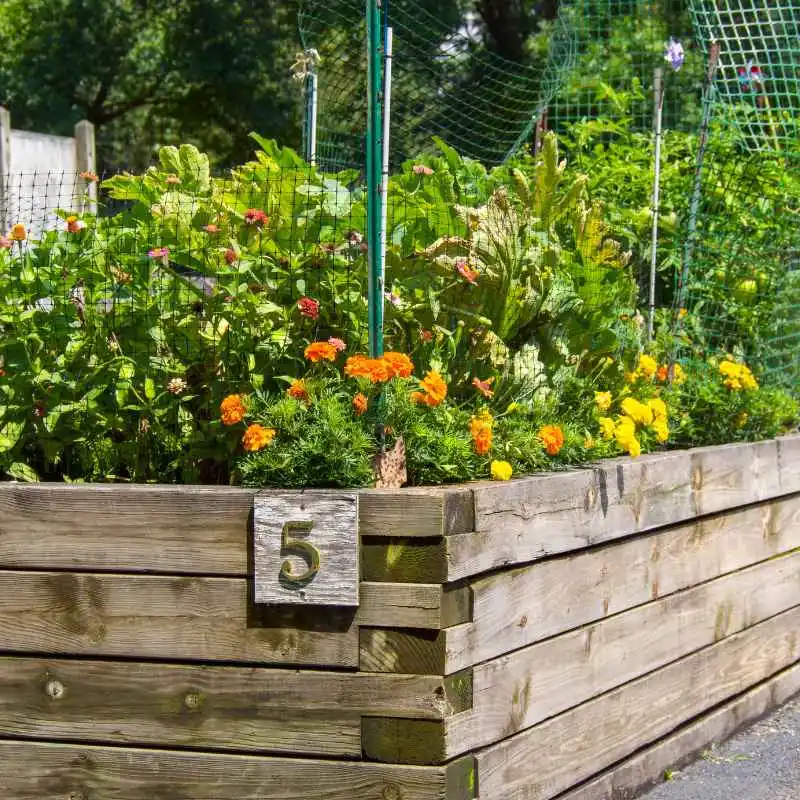
What Makes a Great Raised Garden Planting?
A great planting isn’t just about shoving seeds in the dirt. It’s about intention. It’s about understanding what works well together.
We call this “companion planting” sometimes. But it’s also about basic gardening sense. Here’s what you should aim for:
- Sunlight Needs: Most vegetables need at least 6-8 hours of sun. Taller plants should go on the north side. This stops them from shading shorter plants.
- Water Needs: Group plants that need similar amounts of water. This prevents over or under watering.
- Plant Size: Plan for mature plant size. Don’t let big plants crowd out small ones.
- Root Depth: Mix plants with different root depths. This helps use the soil evenly.
- Crop Rotation: Think about what you planted last year if you reuse the bed. Avoid planting the same thing in the same spot every time. This keeps the soil healthy.
- Pollinator Attractors: Consider adding some flowers. They attract bees and other helpful insects.
The goal is a balanced, productive space. It should be easy to tend to. And it should yield a good amount of food.
Raised Bed Planting Quick Checklist
Sun: Most veggies need 6-8 hours daily.
Water: Group plants with similar thirst levels.
Space: Allow room for plants to grow full size.
Airflow: Proper spacing prevents diseases.
Variety: Mix different types of vegetables.
My First Raised Bed: A Little Panic, A Lot of Learning
I remember my very first raised garden bed. It was a gift. A beautiful cedar rectangle.
I was so excited. I filled it with the best soil I could find. Then, the planting began.
I just grabbed seeds from the store. I put tomatoes in one corner. Lettuce next to it.
Carrots in a row. It looked… okay. But it wasn’t great.
By mid-summer, my tomato plants were giants. They blocked all the sun from my poor lettuce. The lettuce bolted.
It turned bitter way too fast. The carrots were small because the soil got too dry in spots. I felt a bit of panic.
All that work, and it wasn’t going as planned. I learned that day that just planting isn’t enough. You have to think about how things grow together.
Choosing Your Vegetables: What Loves a Raised Bed?
Most vegetables do well in raised beds. But some are stars. Think about what you love to eat.
Then, consider how they grow. Here are some top choices and how they fit into a good planting plan:
Leafy Greens
Lettuce, spinach, kale, arugula, and swiss chard are perfect for raised beds. They don’t need deep soil. They grow relatively quickly.
Many can be succession planted. This means you plant a bit, harvest, and then plant more.
Where to put them: Since they often prefer cooler conditions and can tolerate some shade, they do well on the north side of taller plants. Or, plant them around the edges where they get morning sun but are shaded in the hot afternoon.
Leafy Green Planting Tips
Placement: North side of taller plants or edges for partial shade.
Spacing: Follow seed packet directions. They can often be closer than many other veggies.
Water: Keep consistently moist. They don’t like to dry out.
Harvest: “Cut and come again” harvesting works well.
Root Vegetables
Carrots, radishes, beets, and turnips need loose, well-drained soil. Raised beds are ideal for this. Their roots need space to grow straight down.
Compacted soil makes them fork or grow misshapen.
Where to put them: They need full sun. You can plant them in rows or blocks. Just make sure the soil above them stays moist but not soggy.
Keep them away from plants that have very shallow root systems that might compete.
Fruiting Vegetables
Tomatoes, peppers, cucumbers, squash, and beans are popular choices. These often need more space. They also require lots of sun and consistent water.
Some, like vining cucumbers or pole beans, can grow upwards. This saves space in the bed.
Where to put them: These are your sun-lovers. Place them where they will get at least 6-8 hours of direct sun. Taller varieties should go on the north side.
Bush varieties can be placed in the center or where they get full sun.
For vining types: You’ll need trellises or cages. This keeps them from sprawling and taking over everything. It also helps with air circulation and fruit ripening.
Fruiting Veggie Considerations
Sun: Full sun (6-8+ hours) is a must.
Support: Use stakes, cages, or trellises for vining types.
Watering: Consistent watering is crucial, especially when fruiting.
Feeding: Many fruiting plants benefit from regular feeding.
Herbs and Edible Flowers
Herbs like basil, parsley, cilantro, mint, and thyme are great additions. They add flavor to your meals. Many also help deter pests.
Edible flowers like nasturtiums or calendula add beauty and attract pollinators.
Where to put them: Herbs generally need good sun. Some, like mint, can be very invasive. It’s often best to plant mint in its own pot, even within a raised bed, or at the very edge where it’s contained.
Nasturtiums can be planted along the edges. They can even trail over the side.
Designing Your Raised Bed Layout: What It Looks Like
Let’s visualize a typical 4×8 foot raised bed. This is a common size. The goal is to make every square foot count.
We’ll put taller plants to the north. Shorter, sun-loving plants in the middle. And smaller greens or herbs around the edges.
Example Layout for a 4×8 Foot Bed (Full Sun)
North End (Back):
- Tomatoes: 2-3 plants. Use cages or stakes. Give them ample room.
- Pole Beans or Cucumbers: Plant along the north edge. Train them up a trellis.
Middle Section:
- Peppers: 2-3 plants. They need sun and warmth.
- Bush Beans: A row or two in front of the taller plants.
- Root Vegetables (Carrots, Beets): Planted in rows or blocks in the sunny middle.
South End (Front) and Edges:
- Leafy Greens (Lettuce, Spinach): Planted along the edges. They might get afternoon shade from taller plants, which they like.
- Radishes: Can be planted between slower-growing plants. They mature quickly.
- Herbs (Basil, Parsley): Towards the front or edges for easy access.
- Edible Flowers (Nasturtiums): Along the very front edge.
This layout maximizes vertical space. It ensures sun exposure for most plants. It also groups plants with similar water needs reasonably well.
For example, tomatoes and peppers need consistent moisture. Leafy greens need it too. Bush beans are a bit more forgiving.
Sample Layout: 4×8 Raised Bed
North: Tall plants (tomatoes, pole beans on trellis)
Middle: Medium plants (peppers, bush beans, root veggies)
South: Short plants (leafy greens, herbs, flowers)
Spacing: Always check seed packets for best results.
Companion Planting: Does It Really Work?
Companion planting is an old idea. It suggests that certain plants help each other. They might repel pests.
They might attract good bugs. Or they might improve soil. Some common pairings:
- Tomatoes and Basil: Basil is said to improve tomato flavor and repel tomato hornworms.
- Carrots and Rosemary: Rosemary can repel the carrot rust fly.
- Beans and Marigolds: Marigolds are thought to deter nematodes and other soil pests.
- Cucumbers and Radishes: Radishes might help deter cucumber beetles.
While not all these claims are scientifically proven to a strong degree, many gardeners find success. The key is that these pairings usually involve plants with compatible needs. So, even if the pest-repelling effect is minimal, they still grow well together.
It’s about creating a diverse, healthy garden environment.
Popular Companion Pairings
| Plant A | Plant B | Potential Benefit |
|---|---|---|
| Tomatoes | Basil | Flavor, pest deterrence |
| Carrots | Rosemary | Pest deterrence |
| Beans | Marigolds | Soil pest deterrence |
| Cucumbers | Radishes | Pest deterrence |
Real-World Context: The Sun and the Seasons
Where you live matters. If you have scorching hot summers, afternoon shade for some greens is a blessing. In cooler climates, you want to maximize sun exposure for everything.
Pay attention to the sun’s path across your yard. Most vegetables need full sun, which is typically 6 to 8 hours of direct sunlight per day. Some plants, like lettuce and spinach, can tolerate partial shade, especially during the hottest part of the afternoon.
This is why placing them on the north side of taller plants is often a good strategy.
Think about your local frost dates. This tells you when it’s safe to plant tender crops like tomatoes and peppers. Cool-season crops like lettuce and peas can often be planted earlier.
Succession planting is your friend. This means planting small batches of crops every few weeks. This gives you a continuous harvest.
Seasonal Planting Considerations
Spring: Focus on cool-season crops like lettuce, spinach, peas, and radishes. Plant early or mid-spring after the last frost date for tender crops.
Summer: Plant warm-season crops like tomatoes, peppers, cucumbers, squash, and beans. Ensure adequate watering. Consider succession planting of quick crops like radishes or lettuce in shady spots.
Fall: Many cool-season crops can be planted again for a fall harvest. Kale, spinach, and lettuce often do well. Root vegetables can also be planted for a late harvest.
What This Means for Your Garden
A well-planned raised garden planting looks intentional. It’s not just a jumble of plants. You can see that thought went into placement.
The taller plants are grouped together. The shorter ones are in front. There’s space between plants.
When it’s healthy, you’ll notice fewer pests and diseases. The plants will grow vigorously. You’ll harvest more food.
It also makes gardening easier. You can reach everything. Watering is more efficient.
Weeding is less of a chore because there’s less bare soil for weeds to grow in.
When it’s normal:
- One or two plants looking a bit droopy on a very hot day.
- Vigorous growth from most of your plants.
- A good amount of flowers and fruit developing.
- Easy harvesting without too much reaching or bending.
When to worry:
- Most plants looking stressed or wilted, even with water.
- Yellowing leaves that aren’t explained by normal senescence (aging).
- Signs of heavy pest infestation on multiple plants.
- Plants growing very slowly or not producing.
Simple checks like feeling the soil moisture before watering, looking for early signs of pests, and ensuring plants get enough sun are always important. Don’t be afraid to adjust as you go. Gardening is a learning process!
Quick Tips for a Better Planting
Here are some easy things you can do to make your raised garden planting even better:
- Start with Good Soil: Use a high-quality potting mix or compost. Don’t just use garden soil.
- Water Wisely: Water deeply but less often. Aim for the base of the plants.
- Mulch: Add a layer of mulch (straw, wood chips) after plants are established. This keeps moisture in and weeds down.
- Feed Your Plants: Use a balanced organic fertilizer during the growing season, especially for fruiting plants.
- Observe Regularly: Walk through your garden daily. Look for changes, pests, or problems. Catching issues early is key.
- Don’t Overcrowd: It’s tempting to pack things in. Resist the urge. Give plants room to grow.
Key Planting Tips
Soil is King: Invest in good soil. Your plants will thank you.
Water Deeply: Encourage strong root growth.
Mulch is Your Friend: Save water, suppress weeds.
Feed Them: Especially tomatoes, peppers, and squash.
Look Often: Early detection of problems saves plants.
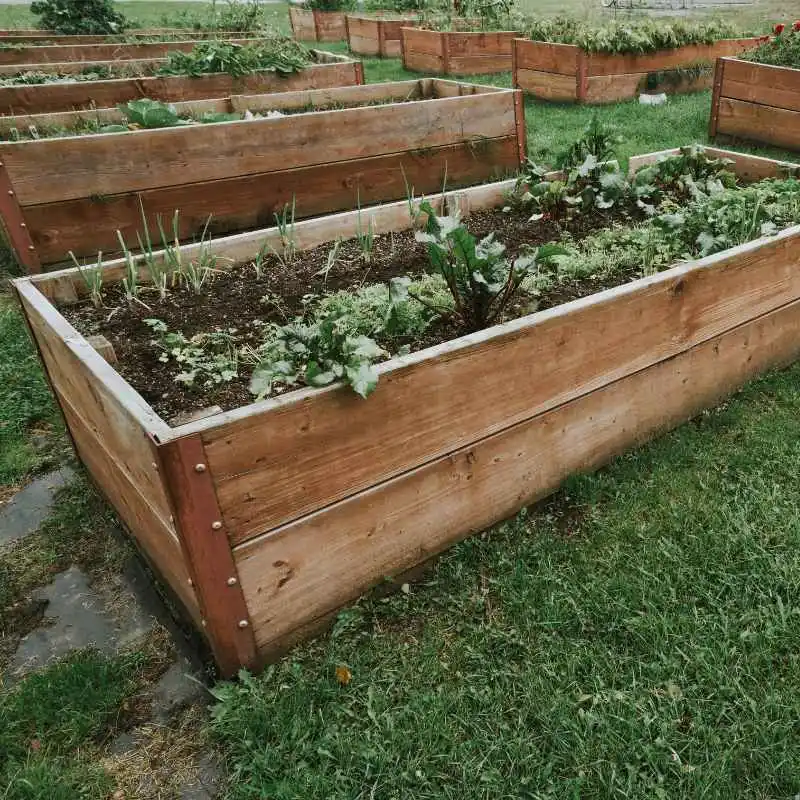
Frequently Asked Questions About Raised Garden Planting
What is the best way to arrange vegetables in a raised bed?
The best arrangement involves grouping plants with similar needs for sun and water. Taller plants should be placed on the north side to avoid shading shorter plants. Give all plants enough space to reach their mature size.
Mix in leafy greens around the edges and consider vertical supports for vining plants.
Can I plant tomatoes and peppers together in a raised bed?
Yes, tomatoes and peppers can often be planted together. Both need plenty of sun, consistent watering, and heat. Ensure they have enough space and good airflow.
Placing them in the middle or south-facing part of the bed where they get full sun is usually best.
How much space do I need between plants in a raised bed?
Spacing depends on the specific vegetable. Always check the seed packet or plant tag. As a general rule, give plants enough room so their leaves don’t heavily overlap when mature.
This allows for good air circulation, which helps prevent diseases.
Should I plant flowers in my vegetable raised bed?
Yes, planting flowers can be very beneficial! Flowers like marigolds, nasturtiums, and calendula can attract pollinators, which are vital for fruiting vegetables. Some flowers also help deter pests.
They add beauty and diversity to your garden ecosystem.
What vegetables should NOT be planted in a raised bed with tomatoes?
Avoid planting vegetables from the same family too close to tomatoes if you can help it, especially to reduce disease spread. For example, don’t plant more tomatoes or potatoes very close by. Also, avoid planting things that have very different water needs or that will aggressively shade out young tomato plants.
How often should I water plants in a raised garden bed?
Raised beds tend to dry out faster than in-ground gardens. Water when the top inch of soil feels dry. This might be daily in hot weather, or every few days in cooler, humid conditions.
Water deeply at the base of the plants to encourage strong root growth.
Putting It All Together
Creating a successful raised vegetable garden planting is all about observation and smart choices. It’s about giving each plant the best chance to thrive. By considering sun, water, and space, you set yourself up for a rewarding harvest.
Don’t be afraid to experiment. Every garden is a little different. Enjoy the process and the delicious results!
Related pick: Check today's price on Amazon