
Few gardening endeavors are as rewarding—or as visually stunning—as a field bursting with wildflowers. In Texas, wildflowers are more than just a seasonal delight; they are woven into the state’s identity, with native blooms like bluebonnets, Indian paintbrush, and coreopsis painting the landscape each spring. But the difference between a patchy display and a breathtaking meadow often comes down to one critical factor: timing your seed planting.
Whether you’re transforming a backyard, restoring a prairie, or supporting local pollinators, knowing when to plant wildflower seeds in Texas is the key to achieving lush, long-lasting blooms. This comprehensive guide synthesizes expert advice, regional data, and real-world examples to help you make informed decisions. Dive in to discover the optimal planting windows, regional variations, soil preparation techniques, and actionable tips that will maximize your wildflower success.
Key Takeaways
- Best planting time for Texas wildflower seeds is typically fall (September to November), with regional variations.
- Soil preparation and seed selection tailored to Texas’ diverse climates are vital for robust blooms.
- Spring planting can work in select situations but often yields less impressive results.
- Watering, weed control, and maintenance affect germination rates and overall display.
- Real-world case studies highlight the dramatic difference correct timing and preparation can make.
- Reference tables and data-driven comparisons guide you to region-specific best practices.
Credit: www.txdot.gov
Understanding Texas Wildflowers And Their Growth Cycles
What Makes Texas Wildflowers Unique?
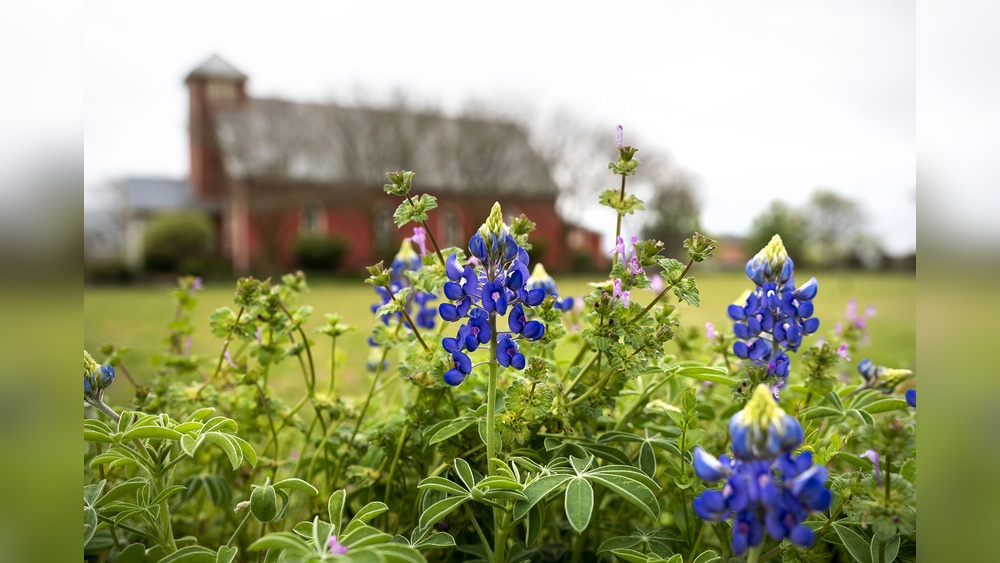
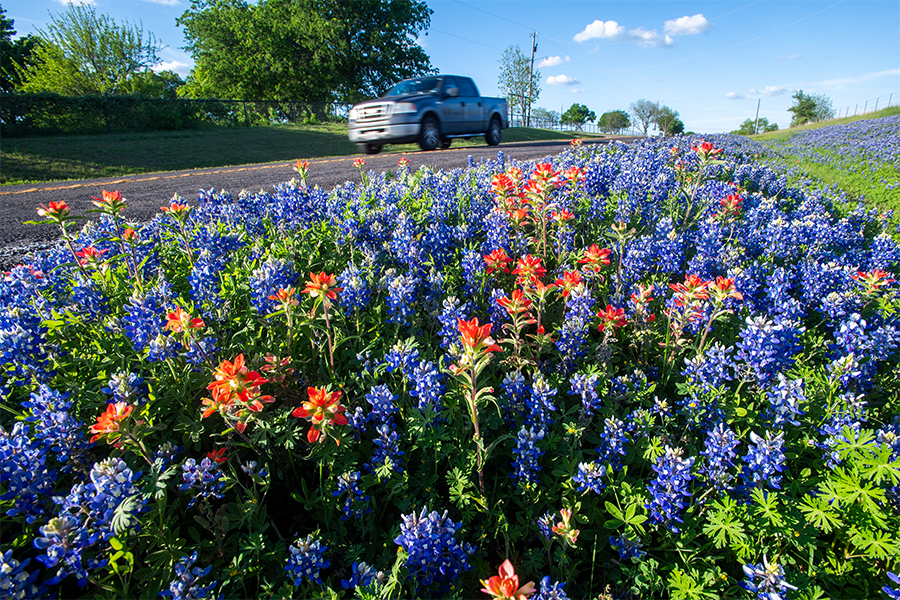
Texas is home to over 2,700 native wildflower species, each adapted to the state’s dramatic climate swings and varied soils. Iconic blooms like the Texas bluebonnet (Lupinus texensis), Indian paintbrush (Castilleja indivisa), and Mexican hat (Ratibida columnifera) dominate roadsides each spring, but the state’s wildflower palette is vast, including annuals, biennials, and perennials.
The adaptability of these native species is what makes them so special. For instance, bluebonnets have thick, hard seed coats that allow them to endure the hot Texas summer, only germinating when moisture and cooler temperatures return. Indian paintbrush thrives in sandy soils and can tolerate periodic drought, while coreopsis and black-eyed Susan are known for their resilience against pests and diseases.
These wildflowers not only create breathtaking displays but also play a crucial role in supporting pollinators like bees, butterflies, and hummingbirds.
These native species thrive with minimal intervention, supporting pollinators and requiring less water than non-natives. However, their success depends heavily on planting at the right time to match natural rainfall patterns and temperature shifts. In addition, Texas wildflowers have evolved to withstand extreme weather fluctuations, from sudden spring cold snaps to intense summer heat. Planting native species ensures that your garden is not only beautiful but also sustainable and ecologically beneficial.
Annuals, Biennials, And Perennials: Timing Differences
- Annual wildflowers (e.g., bluebonnets, corn poppy) complete their lifecycle in one year; they germinate, flower, set seed, and die. These are often favored for quick bursts of color and are ideal for starting new wildflower meadows.
- Biennials (e.g., evening primrose) grow foliage the first year, then bloom and seed the second. Biennials can add longevity to your wildflower displays, and their two-year lifecycle makes them a valuable addition for sustained blooms.
- Perennials (e.g., black-eyed Susan, coneflower) establish long-term and flower year after year. Perennials are the backbone of Texas wildflower meadows, providing consistent color and habitat for wildlife.
Because most Texas wildflowers are cool-season annuals, fall planting allows seeds to undergo natural stratification—exposure to cool, moist conditions—leading to robust spring growth. Stratification is essential for breaking dormancy in many native seeds, especially those with tough outer coatings. This process mimics what happens in nature when seeds fall to the ground in autumn and experience winter moisture and cold before sprouting.
The Role Of Native Species
Planting native wildflower seeds ensures resilience, drought tolerance, and ecological benefits. Non-native mixes may offer quick color but often require more water and maintenance. Native wildflowers are specifically adapted to local soil conditions, rainfall patterns, and temperature extremes, making them far more likely to thrive without extensive intervention.
Native species also support local wildlife in ways that non-natives cannot. For example, monarch butterflies rely on native milkweed for their larvae, and many Texas bees are specialists that prefer native flowers. By planting native seeds, you contribute to the preservation of Texas’s unique ecosystems and help sustain populations of pollinators, birds, and beneficial insects.
For the official Texas wildflower list and guidance on native species, visit the Lady Bird Johnson Wildflower Center.
The Best Time To Plant Wildflower Seeds In Texas
Why Fall Is Ideal
The optimal window for sowing most wildflower seeds in Texas is September through early November. Planting in fall mimics the natural dispersal cycle, allowing seeds to settle, experience winter chill, and sprout with spring rains. This timing aligns with the natural rhythm of Texas wildflowers, which have adapted to germinate during the cooler, wetter months.
Key Benefits Of Fall Planting
- Natural stratification: Enhances germination rates for hard-coated seeds. Many Texas native seeds require a period of cold, moist conditions to break dormancy, a process that fall planting naturally provides.
- Moisture availability: Leverages winter rains for strong root development. Fall-planted seeds benefit from seasonal rainfall, which helps establish deep root systems before the heat of summer arrives.
- Early bloom: Ensures wildflowers are ready to flower at the earliest opportunity. By germinating in fall and winter, seedlings are prepared to burst into bloom as soon as spring conditions are favorable.
Fall planting also helps wildflowers outcompete weeds. Seedlings that establish during the winter are ready to grow quickly in spring, giving them a head start over competing grasses and invasive species.
Regional Planting Variations
Texas’ vastness means different regions experience unique weather patterns. Here’s a breakdown:
| Region | Best Planting Window | Typical Last Frost | Notable Wildflowers |
|---|---|---|---|
| Central Texas (Austin, Hill Country) | Late September – Early November | Early March | Bluebonnet, Coreopsis, Indian Paintbrush |
| North Texas (Dallas, Fort Worth) | Late September – Mid November | Mid March | Black-eyed Susan, Prairie Verbena |
| East Texas (Houston, Tyler) | September – October | Late February | Phlox, Bluebell |
| West Texas (El Paso, Lubbock) | October – November | Late March | Mexican Hat, Desert Marigold |
| South Texas (San Antonio, Corpus Christi) | October – November | Early February | Winecup, Prairie Clover |
Each region’s planting window is influenced by its climate and typical frost dates. For example, East Texas receives more rainfall and has milder winters, allowing for earlier planting. West Texas, with its arid climate, benefits from later sowing to avoid summer heat stress.
Can You Plant In Spring?
While spring planting (February to March) is possible, especially for annuals and fast-germinating species, it’s less effective. Seeds may not receive enough chilling, leading to delayed or patchy blooms and reduced vigor.
Exceptions:
- Areas with mild winters (South Texas) may support early spring sowing. Here, the risk of frost is lower, and soil temperatures rise quickly.
- For quick color, try species like cosmos or zinnias, though these are often non-native. These annuals germinate rapidly and can provide summer blooms, but they won’t support the same ecological benefits as native species.
Spring planting is also more labor-intensive, often requiring supplemental irrigation and weed control. In many cases, spring-planted seeds fail to establish well, resulting in disappointing displays.
Case Study: Bluebonnets In Austin
The Texas Department of Transportation (TxDOT) sows over 30,000 pounds of wildflower seed each fall along highways. Studies show fall plantings in Central Texas yield up to 90% higher germination and denser spring displays than spring sowings (TxDOT).
This large-scale effort has turned Texas highways into iconic wildflower corridors, demonstrating the effectiveness of fall planting. Observational data from TxDOT shows that roadside meadows planted in fall maintain consistent bloom coverage year after year, while spring-planted areas tend to be sparse and inconsistent.

Credit: www.gardenia.net
Soil Preparation And Site Selection
Choosing The Right Location
Wildflowers thrive in full sun (6+ hours daily). Select areas with good drainage and minimal existing turfgrass or weeds. Avoid heavily shaded spots unless using shade-tolerant mixes.
Site selection is critical for long-term success. Look for locations with gentle slopes, which facilitate drainage and seed dispersal. Avoid low-lying areas prone to standing water, as most Texas wildflowers cannot tolerate soggy conditions.
If you’re planting in an urban setting, consider the microclimate created by buildings, fences, and pavement. South-facing slopes and open fields are ideal, but even smaller patches can support vibrant wildflower displays.
Soil Preparation Steps
- Clear existing vegetation: Remove grass, weeds, and debris using a rake, hoe, or herbicide. This prevents competition for light, water, and nutrients.
- Loosen the soil: Lightly till or rake the top 1-2 inches—avoid deep tilling, which brings up weed seeds. Shallow cultivation encourages wildflower seeds to make good soil contact without exposing dormant weed seeds.
- Test soil pH: Most Texas wildflowers prefer slightly acidic to neutral soils (pH 6.0-7.0). Test kits are available at garden centers. Adjust soil pH as needed with lime (to raise pH) or sulfur (to lower pH).
- Amend if needed: In heavy clay or poor sandy soils, mix in compost for better fertility and drainage. Well-drained soil is essential for seedling survival.
Soil preparation can also include removing rocks and debris, especially in Central and West Texas where rocky soils are common. If planting in a previously cultivated area, allow the soil to rest for several weeks after tilling to reduce weed regrowth.
How To Sow Wildflower Seeds
- Mix seed with sand: Blend seeds with coarse sand (4 parts sand to 1 part seed) for even distribution. This helps prevent clumping and ensures uniform coverage.
- Broadcast evenly: Scatter by hand or with a spreader. Be sure to cover the entire site for maximum impact.
- Press seeds: Gently rake or walk over the area to press seeds into soil, ensuring good contact. Seed-to-soil contact is crucial for germination.
- Do not bury deeply: Most seeds need light to germinate; cover no more than 1/8 inch. Deep burial can inhibit sprouting.
For larger areas, consider using a roller or even livestock to gently press seeds into the soil. On slopes or windy sites, a light mulch of straw can prevent erosion and keep seeds in place.
Real-world Example: Dallas-fort Worth Suburban Meadow
A suburban homeowner in Plano transformed a 1,000 square foot lawn into a wildflower meadow. By removing Bermuda grass, lightly raking, and sowing a custom fall mix, they achieved over 75% coverage in the first spring, with bluebonnets and Indian blanket dominating. Spring-planted control patches saw only 20% coverage.
This example highlights the importance of thorough site preparation and timing. The homeowner’s success was attributed to careful removal of grass and weeds, shallow soil cultivation, and precise seed sowing. The result was a dense, colorful display that required minimal maintenance.

Credit: stories.tamu.edu
Seed Selection: Best Wildflowers For Texas Blooms
Top Native Wildflowers By Region
Choose seeds adapted to your local climate. Here are popular choices:
| Wildflower Name | Type | Best Planting Region | Bloom Season |
|---|---|---|---|
| Texas Bluebonnet | Annual | Central, North, East | March-April |
| Indian Paintbrush | Annual | Statewide | March-May |
| Black-eyed Susan | Perennial | Statewide | May-July |
| Coreopsis | Annual/Perennial | Central, North, East | April-June |
| Winecup | Perennial | South, Central | April-June |
| Mexican Hat | Perennial | West, Central | May-July |
| Prairie Verbena | Annual | North, West | March-November |
When selecting seeds, consider the bloom period and your region’s climate. Combining early, mid, and late-season wildflowers ensures continuous color. For example, bluebonnets bloom early, followed by Indian paintbrush and coreopsis, and then black-eyed Susan and Mexican hat extend the display into summer.
How Much Seed To Use
General recommendation: 0.5 to 1 pound per 1,000 square feet for pure wildflower mixes. Denser seeding is not always better; crowding can reduce diversity.
If you’re planting a mixed meadow with native grasses, reduce wildflower seed rates to avoid competition. For restoration projects, consult with local experts to determine optimal seeding rates based on soil type and desired diversity.
Where To Buy Quality Seed
Choose reputable, local suppliers for native Texas mixes. Top sources include:
Purchasing from local suppliers ensures you receive seeds adapted to Texas climates and soils. Additionally, these sources offer expert guidance on selecting the right mix for your region and project goals.
Case Study: Texas Ranch Restoration
A 50-acre ranch in the Hill Country replaced invasive grasses with a custom fall-sown mix of bluebonnet, Indian blanket, and prairie clover. Within three years, surveys showed a 60% increase in native pollinators and a 3x boost in spring floral density, compared to adjacent spring-planted control fields.
This restoration project demonstrates the ecological benefits of planting native wildflowers at the right time. Not only did the ranch see improved floral coverage, but the diversity and abundance of pollinators also increased dramatically, supporting healthy pastures and wildlife.
Watering, Maintenance, And Weed Management
Watering Guidelines
- After sowing: If fall rains are lacking, water lightly every few days until seedlings appear (usually 2-4 weeks). Use a gentle spray to avoid washing away seeds.
- Ongoing: Established wildflowers need minimal supplemental water, except during extreme drought.
Avoid overwatering—Texas wildflowers are drought-adapted. Once seedlings are established, they require little maintenance, making wildflower meadows ideal for water-wise landscapes.
Weed Control Strategies
- Pre-planting: Eliminate weeds before sowing using solarization, tilling, or targeted herbicides. Solarization involves covering the soil with clear plastic for several weeks to kill weed seeds.
- Post-emergence: Hand-pull weeds, especially in year one. Early intervention prevents weeds from outcompeting wildflowers.
- Mowing: After blooms fade and seeds mature, mow high (4-6 inches) to distribute seed and suppress aggressive grasses.
Mowing is also useful for encouraging reseeding and preventing invasive species from taking over. Avoid mowing before seeds have matured and fallen, or you risk losing next year’s blooms.
Fertilization
Wildflowers generally do not require fertilization. Excess fertilizer can encourage weeds and grasses at the expense of wildflowers. However, in particularly poor soils, a light application of organic compost can help seedlings establish. Avoid synthetic fertilizers, as these can disrupt the balance of native species.
Mulching
Apply a thin layer of straw or mulch (not more than 1/8 inch) on slopes or windy sites to protect seeds from erosion. Mulch also helps retain moisture and prevents birds from eating exposed seeds.
If using mulch, ensure it is seed-free to avoid introducing unwanted plants. In urban gardens, shredded leaves or pine straw are excellent alternatives for maintaining soil moisture and protecting seedlings.
Real-world Example: Houston School Pollinator Garden
A Houston elementary school created a pollinator patch using a fall-planted wildflower mix. Volunteers controlled weeds by hand and watered weekly until seedlings established. The result: an 80% bloom rate by April and a noticeable uptick in butterflies and bees, as confirmed by student-led counts.
This project not only beautified the school grounds but also provided a hands-on learning opportunity for students. The success was attributed to careful site preparation, consistent maintenance, and community involvement.
Dealing With Common Challenges
Drought And Extreme Weather
Texas weather is notoriously unpredictable. During dry falls, consider:
- Watering newly seeded areas lightly if no rain falls within 7-10 days. Use drip irrigation or a hose with a spray attachment for even coverage.
- Choosing drought-tolerant natives like Mexican hat and desert marigold for arid regions. These species are able to survive with minimal water and thrive in poor soils.
In areas prone to flooding, select wildflowers like bluebell and phlox, which tolerate wetter conditions. For regions with frequent hail or wind, plant sturdy species such as black-eyed Susan and coreopsis.
Poor Germination
Common causes include:
- Planting too late (after November) or too early (mid-summer heat)
- Burying seeds too deep
- Old or poor-quality seed
- Heavy weed competition
Reseeding in fall and improving soil prep can correct most issues. Additionally, monitor soil moisture and temperature during critical germination periods.
If poor germination persists, consider soil amendments or consulting local extension services for troubleshooting. Sometimes fungal pathogens or pest issues can affect seedling survival, so keep an eye out for abnormal growth or discoloration.
Wildlife And Pest Issues
- Birds may eat exposed seed—mulch lightly or use decoys. Scare devices or netting may be needed for large areas.
- Rabbits/deer typically avoid most Texas natives but may nibble seedlings in lean years. Protect young plants with temporary fencing or repellents.
Insect pests are rarely a major issue in wildflower meadows, but keep an eye out for caterpillars or beetles in high-density plantings. Most native wildflowers recover quickly from minor damage.
Managing Expectations
Wildflower meadows take time to mature. First-year blooms may be sparse as perennials establish; peak displays occur in years 2-3 with proper fall planting and maintenance.
Patience is key. Allow wildflowers to reseed naturally, and avoid disturbing the soil after the initial establishment. Over time, diversity and density will increase, creating a self-sustaining ecosystem.
Maximizing Blooms: Advanced Tips For Texas Gardeners
Creating Succession Blooms
Mix early, mid, and late-blooming species to extend color from March through July. For example:
- Early: Bluebonnet, phlox
- Mid: Indian blanket, coreopsis
- Late: Mexican hat, black-eyed Susan
Succession planting ensures your meadow remains vibrant throughout the growing season, attracting pollinators and providing habitat for wildlife.
Combining Grasses And Wildflowers
Native grasses (e.g., little bluestem, sideoats grama) provide structure, suppress weeds, and enhance habitat value. Mix at a ratio of 4:1 wildflower to grass by weight for best results.
Grasses stabilize soil and prevent erosion, making them ideal for large-scale restoration projects. For smaller gardens, focus on wildflower mixes with a few native grass species for best results.
Overseeding Established Lawns
For lawns with thin Bermuda or buffalo grass, mow low and overseed in fall. Wildflowers will germinate in bare spots, gradually increasing diversity.
This technique is especially effective for urban landscapes, where converting turf to wildflowers can reduce maintenance, water use, and chemical inputs.
Supporting Pollinators And Wildlife
Choose a diversity of flower shapes and bloom times. Wildflowers like purple coneflower and milkweed are critical for butterflies and bees (Xerces Society).
Add water sources, nesting sites, and leave some areas unmowed to support wildlife. Incorporate shrubs and trees for added habitat value.
Leveraging Local Resources
Attend workshops or field days at local extension offices or the Lady Bird Johnson Wildflower Center for hands-on advice and seed swaps (Texas A&M AgriLife Extension).
Connect with other gardeners through online forums, local native plant societies, and social media for tips and inspiration.
Comparing Fall Vs. Spring Planting: Results And Recommendations
To illustrate the dramatic impact of planting time, consider the following summarized study, conducted by the Texas Parks & Wildlife Department:
| Planting Season | Germination Rate (%) | Bloom Coverage (%) | Maintenance Needs |
|---|---|---|---|
| Fall (Oct-Nov) | 80-90 | 70-95 | Low |
| Spring (Feb-Mar) | 40-60 | 20-40 | Medium |
Analysis:
- Fall planting consistently yields double the germination and bloom density compared to spring.
- Maintenance is lower for fall-planted sites, as established seedlings outcompete weeds.
- Spring plantings may require irrigation and often disappoint in showiness.
Data from Texas Parks & Wildlife confirms that fall planting is not only more effective but also more efficient. With lower maintenance requirements and higher bloom density, fall is the preferred season for establishing wildflower meadows.
For detailed research on Texas wildflower establishment, see Texas Parks & Wildlife Department.
Frequently Asked Questions
When Should I Plant Bluebonnet Seeds In Texas?
Bluebonnet seeds should be sown in fall, ideally from late September through early November. This timing allows seeds to experience winter chilling and ensures robust spring blooms. For best results, plant seeds in well-drained soils and full sun.
Is It Possible To Plant Wildflower Seeds In Spring In Texas?
While you can plant certain wildflower seeds in early spring (February to March), especially annuals or fast-germinating species, results are typically less impressive than fall plantings. Spring-sown seeds may not receive enough cold exposure, leading to patchy, delayed blooms.
How Do I Prepare Soil For Wildflower Seeds?
Begin by removing existing grass, weeds, and debris. Loosen the top 1-2 inches of soil with a rake or tiller, test pH (aim for 6. 0-7. 0), and amend with compost if needed. Avoid deep tilling, as it can bring weed seeds to the surface.
Press seeds into soil after sowing for good contact.
Will Wildflowers Come Back Every Year In Texas?
Many Texas wildflowers are annuals but will return if allowed to set and drop seed after blooming. Perennials and biennials will re-emerge for several years. To ensure annuals return, avoid mowing or clearing until seeds have matured and fallen.
Where Can I Buy Texas Wildflower Seeds?
Purchase from reputable, local sources specializing in native seeds, such as Native American Seed, Wildseed Farms, and the Lady Bird Johnson Wildflower Center. Local garden centers and county extension offices also offer guidance on regionally appropriate mixes.
Texas wildflowers offer unmatched beauty and ecological benefits, but their success hinges on planting at the right time. By sowing seeds in the fall, preparing your site thoughtfully, and choosing regionally adapted natives, you’ll set the stage for breathtaking spring displays year after year.
Whether you’re restoring a prairie or brightening a backyard, the right timing transforms your wildflower dreams into vibrant reality.