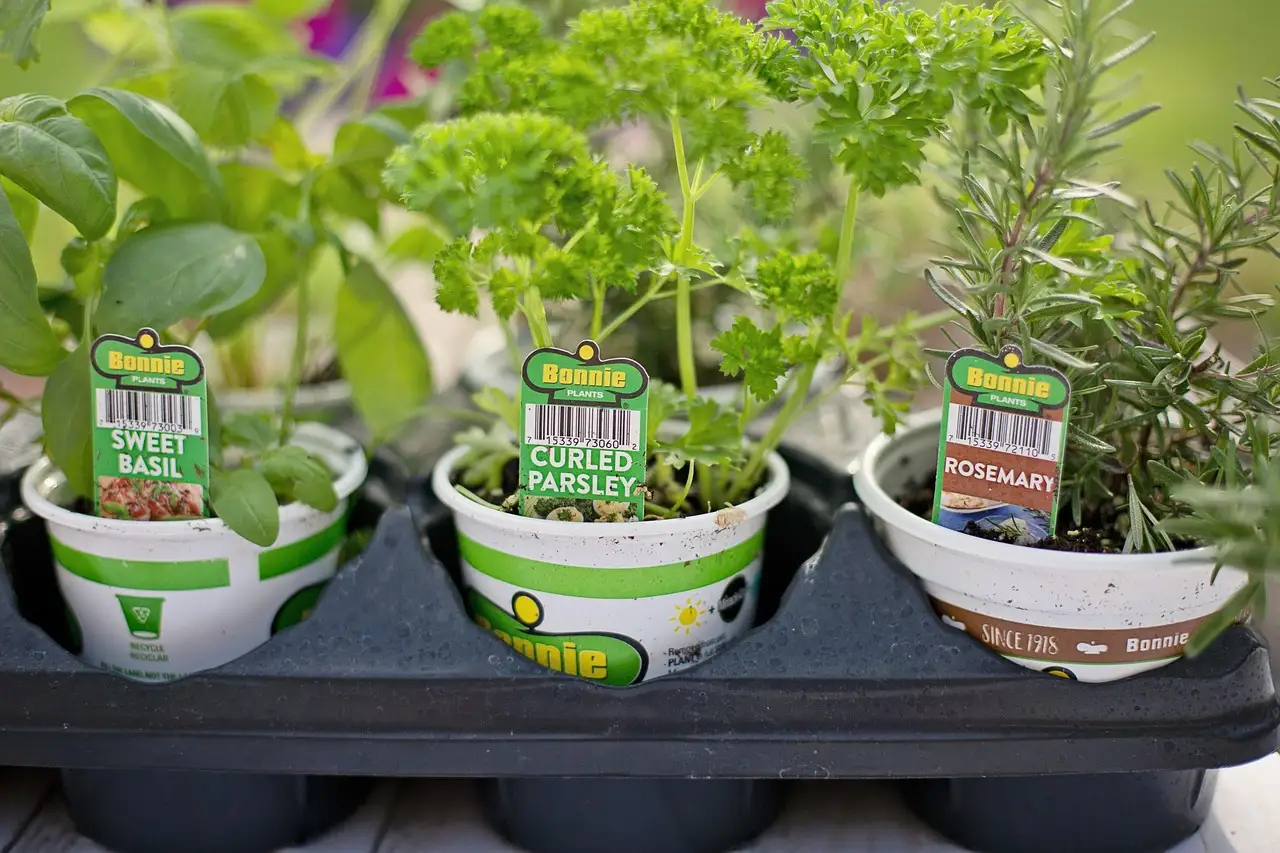
How Many Parsley Plants Should You Start Indoors?
For many households, starting about 6 to 10 parsley seeds indoors may be enough to keep 3 to 5 healthy plants; if parsley is mainly for garnish, 2 to 3 plants is often enough, while frequent cooks may want about 4 to 6 plants. Too few seedlings leaves you short on harvests, and too many wastes seed, space, and transplanting time. This guide shows how to turn weekly parsley use into the number of seeds to sow, seedlings to keep, and plants to transplant.
How many parsley plants do you need?


The right plant count depends on how you use parsley each week. A garnish-only household needs far fewer plants than a kitchen that chops parsley into salads, sauces, and soups. For planning, work backward from weekly demand, then allow for some loss during germination and thinning.
Match plant count to garnish-only use
If parsley is mostly a finish, salad accent, or plate garnish, 2 to 3 mature plants usually cover that need for one household. That is enough for periodic cutting without filling the space with extra seedlings that will never be used. Start a few extra seeds anyway, because parsley germination is slow and uneven. The USDA and extension sources note that parsley is a cool-season herb and slow to germinate, so a small buffer matters more than with faster herbs. University of Minnesota Extension on parsley and RHS parsley growing guidance both point to patience at the start.
Match plant count to weekly cooking use
If you cook with parsley every week, plan on 4 to 6 mature plants. That range gives you enough leaf mass for recurring harvests without stripping a single plant too hard. It also gives room to rotate cuts so one plant can recover while another is ready. In practical terms, that is the point where parsley starts acting like a steady kitchen crop instead of a garnish-only herb.
Match plant count to continuous harvest planning
For continuous harvest, aim for 6 or more mature plants, often split across two sowing times. More plants let you cut smaller amounts more often and reduce the chance that one weak plant leaves the household short. This also matters if you want enough spare seedlings to replace any that stall, bolt, or fail after transplant.
Parsley starting calculator
| Use case | Seeds to sow | Seedlings to keep | Mature plants needed | Notes |
|---|---|---|---|---|
| Garnish-only | 4 to 6 | 2 to 3 | 2 to 3 | Use a 6-cell tray or a small 3-inch pot set; place it under a bright grow light, give each cell one seed spot, and thin early so weak sprouts do not crowd the tray. |
| Weekly cooking use | 8 to 12 | 4 to 6 | 4 to 6 | A 10- to 12-cell tray works well; set it under one bright light, keep the surface lightly damp across the top layer, and thin to one seedling per cell after true leaves appear. |
| Continuous harvest | 12 to 16 | 6 to 8 | 6 or more | Use two trays or a larger flat; plan for more bench space, longer tray time, and extra thinning because slow germination often leaves gaps. |
A common first-timer mistake is starting only two seeds because the goal sounds small, then losing one seedling to poor germination and another to stretch. For parsley, the seed count should include a buffer. The plant count should match the harvest target, not the number of seedlings that happen to sprout.
Weekly parsley use to plants, cells, and seeds
This decision table turns use level into a seed plan you can actually follow. It assumes one strong plant per cell or pot, a modest cushion for loss, and extra seed for older packets. For the most control, use the indoor-start approach in this guide rather than guessing at outdoor spacing alone; the starting tray approach gives you more predictable counts.
| Weekly parsley use | Mature plants needed | Cells or pots to start | Fresh seed to sow | Older seed to sow | Expected keep count after thinning |
|---|---|---|---|---|---|
| Light use, mainly garnish | 2 to 3 | 6-cell tray or 3 small pots | 1 to 2 seeds per cell or 2 to 3 per pot | 2 to 3 seeds per cell or 3 to 4 per pot | 1 strong seedling per cell or pot |
| Regular weekly cooking | 4 to 6 | 6 to 12 cells or 4 to 6 small pots | 1 to 2 seeds per cell or 2 to 3 per pot | 2 to 3 seeds per cell or 3 to 4 per pot | One strong seedling in each final growing spot |
| High-use household or shared cooking | 6 to 8 | 12 to 16 cells or 6 to 8 small pots | 1 to 2 seeds per cell or 2 to 3 per pot | 2 to 4 seeds per cell or 3 to 4 per pot | Keep the best 6 to 8 plants and cull extras at true-leaf stage |
Use the fresh-seed column when the packet is new and the seed was stored cool and dry. Use the older-seed column when the packet has been open for a while or the germination history is uncertain. The goal is not to overfill the tray; it is to end with the number of plants your kitchen will actually use.
How many seeds should you sow?
A common rule of thumb is to sow 2 to 3 parsley seeds per cell or small pot, then thin to the strongest single seedling if more than one emerges. Because parsley seed can germinate slowly and unevenly, extra seed per spot helps you avoid empty cells. That buffer matters more if the seed packet is old.
Seeds per cell or pot
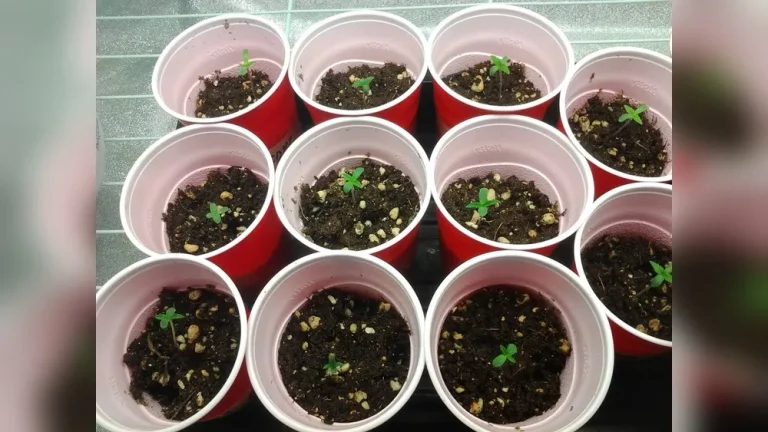
In a standard seed starting tray, 2 seeds per cell is the cleanest starting point. In a 3-inch pot, 3 seeds is reasonable. If the seed is older, sowing 3 to 4 seeds in one cell or pot can improve the odds that at least one strong plant survives. Do not bury multiple seeds deeply. For a quick reference on tray density, the how many seeds should you start in each tray cell guide fits this step well.
Why parsley often needs extras
Parsley often has a lower practical stand than gardeners expect because germination is slow and sometimes patchy. Some cells sprout one strong plant, others sprout two weak ones, and a few may stay bare. Sowing extras is a way to arrive at the final count you actually need, not a way to crowd the tray.
How to thin to the strongest seedlings
Wait until seedlings have a set of true leaves, then snip or pinch the extras at soil level rather than tugging them out. That avoids disturbing the roots of the seedling you want to keep. Keep one plant per cell if you are growing in trays, or one plant per 3- to 4-inch pot for short-term indoor growing. Extension guidance commonly recommends thinning to one strong plant per spot once true leaves are present, which helps seedlings build a sturdier root system. See the University of Minnesota Extension seedling guide for the general timing logic.
- Fill cells or pots with fine seed starting mix.
- Sow 2 to 3 seeds per cell, or 3 to 4 in a small pot.
- Cover lightly, then keep the surface moist.
- Watch for true leaves before thinning.
- Keep the strongest seedling in each cell.
How should you start parsley indoors?
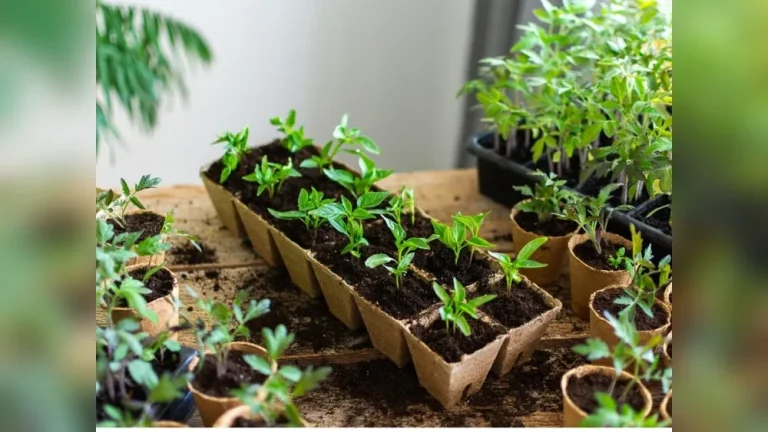
Start parsley in a tray or small pots with drainage holes, using fine seed-starting mix in 6 to 12 cells for a small household planting or 18 to 32 cells if you want extra plants. Keep the mix lightly damp, not soggy, and place the tray under bright light. A cool room is better than a warm one. Indoors, the goal is not speed; it is a sturdy seedling that can handle transplanting later without stretching or shock.
Tray setup and drainage
Use a seed starting tray with drainage holes, ideally 6 to 12 cells if you want a small household planting and 18 to 32 cells if you are planning for several plants or some losses. Set the tray in a flat or on a watering tray so you can bottom-water after emergence. High humidity during germination helps, but standing water does not.
Sowing depth and moisture
Parsley seed should be sown shallowly. Cover it with a thin layer of seed mix or fine vermiculite, just enough to hold moisture and still let light reach the surface. Deep planting slows emergence. Keep the mix evenly moist, not soaked, because the seed needs steady moisture retention while it germinates. University and seed company guidance commonly places parsley at about 1/4 inch deep, with only a light covering. See University of Minnesota Extension on parsley and Johnny’s Selected Seeds parsley growing information for the same shallow-depth guidance.
Light, temperature, and germination timing
Once sprouts appear, give them strong light for about 12 to 16 hours a day and keep the fixture close enough that seedlings do not stretch. A bright grow light placed a few inches above the canopy is usually better than a weak light across the room. Parsley germinates best in cool soil, often around 60 to 70°F, and heat mats are often used with caution because warm soil can reduce germination quality. Seed companies and extension sources consistently place parsley germination in the slow, cool range rather than the warm range. See RHS parsley growing guidance and Johnny’s Selected Seeds parsley growing information for those temperature and timing ranges.
Say your tray is placed on a warm shelf above a refrigerator and the mix dries between waterings. The likely result is slower, thinner germination and more empty cells than the seed count suggested. The fix is simple: cooler conditions, a more even moisture level, and a light source close to the leaves.
When should you transplant parsley?
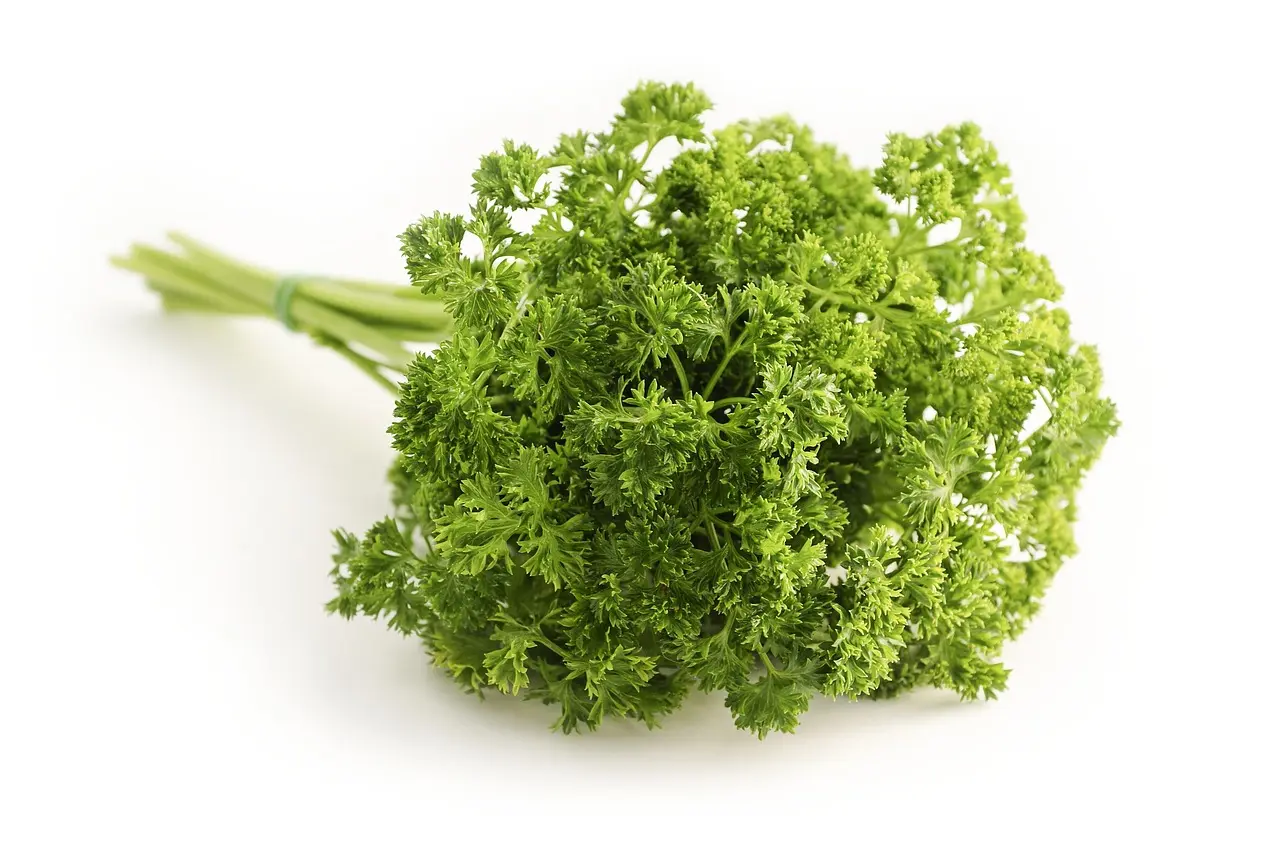
Move parsley after seedlings have true leaves and a small root system, usually while they are still compact and before they become crowded. For outdoor planting, the best time is in cool spring weather after hard frost risk has passed. Parsley settles in more easily when nights are still mild.
True leaf stage and thinning
Thin first, transplant second if you started more than one seed per cell. Once true leaves appear, choose the strongest seedling in each spot. Parsley tolerates transplanting better than many herbs, but young roots still prefer a gentle move, especially if the seedlings were allowed to sit crowded too long.
Pot size before outdoor planting
If you want to hold parsley indoors for longer than a short seedling phase, shift each plant into a 4- to 6-inch pot with decent root depth. One plant per pot is the cleanest choice for growth. Multiple plants in one larger pot can work for a short period, but crowded roots make watering less even and can slow recovery after transplant. Container herb guides commonly recommend roughly a 6-inch pot for a single parsley plant and about 6 to 8 inches of spacing if several plants share a larger container. See Burpee’s parsley growing guide and The Old Farmer’s Almanac parsley page for container and spacing basics.
Timing for cool spring weather
A common rule of thumb is to start parsley indoors about 6 to 8 weeks before the last frost date. Move it outside after the weather turns cool enough for steady growth and the young plants are not facing hard freezes. Parsley usually performs best when it can settle into the garden during a cool spring window instead of a hot, dry spell. The 6- to 8-week head start is widely used by extension and seed sources because it matches parsley’s slow early growth and gives seedlings time to size up before outdoor transplanting. See University of Minnesota Extension on growing parsley and RHS parsley growing guidance.
Suppose you sow 12 seeds in a 12-cell tray for a cooking household. If 8 sprout and 6 grow on well, you can move those 6 into 4- to 6-inch pots or transplant them outdoors once nights are mild. That sequence matches the plant count to the final harvest goal instead of the raw seed count.
What can affect parsley plant count?
Several things reduce the number of usable plants: old seed, weak light, transplant shock, and summer heat. Parsley is forgiving about container culture, but it is slow to start. If germination is weak or seedlings stretch, your final count drops fast because the weakest plants are usually the ones that fail after transplant.
Old seed and slow germination
Parsley seed loses vigor with age, and slow germination makes that problem more noticeable. Old seed may still sprout, but fewer seeds emerge and the stand is less even. If the packet is old, sow more seeds per cell and allow extra tray time before deciding a cell has failed. Seed companies often recommend fresh seed for the most dependable stand because parsley germination can lag even under good conditions. See Johnny’s Selected Seeds parsley growing information.
Leggy seedlings from weak light
Weak indoor light creates tall, thin seedlings with long stems and small leaves. Those seedlings are easier to break and more likely to slump after transplant. Keep the light close and bright, and rotate trays if one side gets more light than the other. Strong light is part of the plant-count plan because weak plants do not count as reliable harvest plants.
Bolting, transplant shock, and heat
Parsley is a cool-season plant. Heat can push it toward bolting, especially after transplanting into warm weather. Too much root disturbance can also stall growth. Keep the move gentle, transplant in cool conditions, and avoid holding seedlings too long in tiny cells where roots circle and dry out quickly.
A common first-timer mistake is treating parsley like basil and moving it into heat as soon as it sprouts. That can leave you with upright plants that look fine for a week, then stall after transplant. Parsley does better with cool air, steady moisture, and a slower indoor start.
How much parsley will one plant yield?
One parsley plant usually gives only modest harvests at first, then a steadier trickle once it is established. In a light-use kitchen, a healthy plant may supply enough leaves for small garnishes and occasional chopping. In a container, the yield is usually lower than in a bed because the root zone is smaller. Outdoor bed plants can support larger weekly cuts once they are mature.
Light-use household yield
For a light-use household, expect roughly a small handful per week from one established plant, especially if you harvest by snipping outer stems and letting the center keep growing. That is often enough for garnishes, a salad topper, or one small recipe. If the plant is still young, the usable amount may be less until it fills out.
Container-grown parsley yield
In a pot on a bright patio or sunny window, one parsley plant may produce enough for occasional cooking, but the yield is usually limited by pot size, watering consistency, and light intensity. A 4- to 6-inch pot works as a short-term home for one plant; a larger container supports a more useful steady harvest. Expect a cautious range rather than a heavy crop.
Outdoor bed parsley yield
In an outdoor bed, a mature parsley plant can produce repeated cuts over many weeks if temperatures stay cool and the plant is not forced into bloom. One plant may cover a family’s garnish needs or contribute to several meals in a week. A bed-grown plant generally outperforms a container plant because roots have more room and moisture changes are less abrupt.
Frequently asked questions
How many parsley plants should I start indoors for my family?
For a typical household, start 3 to 5 healthy parsley plants if you want regular use. If parsley is mostly for garnish, 2 to 3 plants is usually enough. For families that cook with parsley every week, 4 to 6 plants gives a better cushion against slow germination, transplant loss, and uneven growth.
How many parsley seeds should I sow in one cell or pot?
Sow 2 to 3 seeds per cell, or 3 to 4 seeds in a small pot, then thin later. That gives you room for slow germination and weak sprouts without wasting much space. If the seed is older, use the higher end of that range so at least one strong seedling makes it through.
Should I start parsley in seed trays or direct sow it?
If you want to control the final plant count, seed trays are the better choice indoors. They let you manage moisture, light, and thinning while the seedlings are small. Direct sowing works outdoors, but it gives you less control over germination, spacing, and early losses from weather or pests. Direct sowing is also best only after soil is workable and cool, while indoor starts give you a head start that matches parsley’s slow emergence.
How long does parsley take to germinate indoors?
Parsley often takes about 2 to 4 weeks to germinate indoors, and sometimes longer if the seed is old or the soil is too warm or too dry. That slow start is why the tray needs steady moisture and why you should sow extra seed. Do not rush to refill cells too early. Reputable growing guides from extension and seed companies place parsley in the slower germination group compared with faster herbs. See University of Minnesota Extension on parsley and RHS parsley growing guidance.
How many parsley seedlings should I keep after thinning?
Keep one strong seedling per cell or small pot. If you plan to transplant into the garden, that single plant should be sturdy, upright, and rooted enough to handle the move. If a cell has two equal seedlings, choose the straightest one and cut the other at soil level.
When should I transplant indoor-started parsley outside?
Transplant parsley outside after the last hard frost, when the weather is cool and the seedlings have true leaves. A 6- to 8-week indoor head start is common. Avoid rushing them into hot weather, because parsley handles cool spring conditions better than summer heat and may bolt sooner under stress.
Parsley sowing checklist
- Sowing depth: cover seed lightly, about 1/4 inch at most, with fine mix or vermiculite.
- Light hours: give seedlings about 12 to 16 hours of strong light each day.
- Light distance: keep grow lights close to the canopy so seedlings do not stretch.
- Tray choice: use a drainage tray with 6 to 12 cells for a small household crop, or more cells if you want a buffer.
- Transplant timing: move seedlings after true leaves form and after the last hard frost.
- Final spacing: use one plant per 4- to 6-inch pot, or space plants about 6 to 8 inches apart in a bed or larger container.
Sources
- University of Minnesota Extension on parsley
- RHS parsley growing guidance
- Johnny’s Selected Seeds parsley growing information
- University of Minnesota Extension seedling guide
- Burpee’s parsley growing guide
- The Old Farmer’s Almanac parsley page