How Many Kale Plants Per Person Should You Grow?
For one person who eats kale weekly, grow 2 to 3 plants; for a steady supply for salads, sautés, and smoothies, grow 4 to 6 plants. That planning range assumes standard cut-and-come-again harvests, moderate sun, and enough time for regrowth. If you want baby leaves or have a short season, plan a larger buffer.
Use this table to size a planting by servings, harvest style, sun, season length, and buffer rules. It is a planning aid, not a guarantee: seed-company guidance commonly puts kale at roughly 45 to 60 days to harvest depending on transplant or seed start, and frost tolerance can extend the season in cool weather.
Kale planting table



| Weekly servings per person | 1 person | 2 people | 4 people | 6 people | Baby-leaf plants | Standard cut-and-come-again plants | Short-season or shade adjustment | Buffer for pests or heat |
|---|---|---|---|---|---|---|---|---|
| 1 serving | 1-2 | 2-3 | 4-6 | 6-8 | Add 1-2 more plants | Base count holds | Add 25% | Add 1 plant |
| 2 servings | 2-3 | 4-5 | 8-10 | 12-15 | Add 2-3 more plants | Base count holds | Add 25%-33% | Add 1-2 plants |
| 3 servings | 3-4 | 6-8 | 10-12 | 16-18 | Add 3-4 more plants | Use 3-4 plants per person | Add 33% | Add 2 plants |
| 4 or more servings | 4-6 | 8-12 | 16-20 | 24-30 | Add 4 or more plants | Use the upper end | Add 33%-50% | Add 2-3 plants |
How to use this table: Pick the weekly servings target first, then choose the harvest style, then add a buffer for shade, pests, or a shorter season. If your bed gets less than full sun or you want baby-leaf harvests, move one column to the right or add the buffer before you count square footage.
The table uses consistent household planning math: a family of 4 eating kale a few times a week should plan around 10 to 12 plants, not a smaller count that assumes perfect regrowth. A compact raised bed can work, but the bed size and plant count need to agree with the harvest goal and the spacing you choose.
How many kale plants do you need per person?
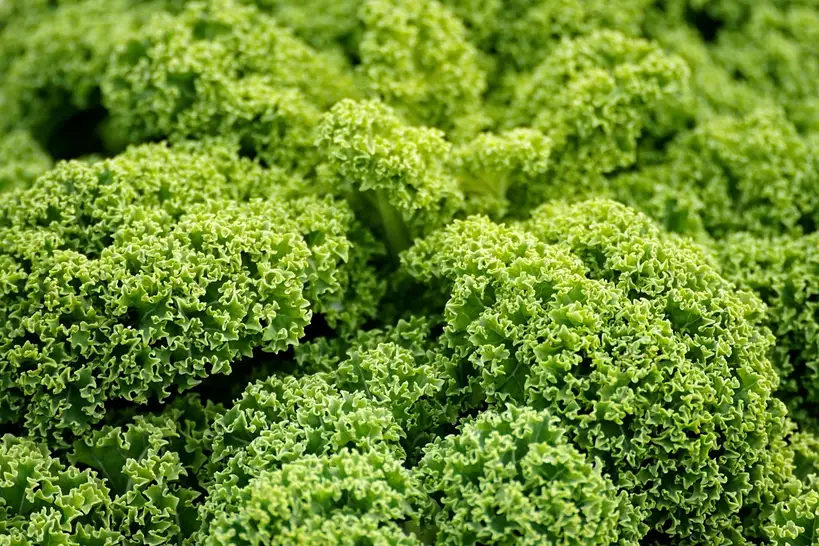
For most households, start with 1 to 2 plants per person for occasional use and 3 to 4 plants per person if kale is part of the weekly menu. If you want baby leaves or plan to harvest often for salads and smoothies, use the higher end. The right number depends on servings, not just household size.
Occasional use versus staple use
Occasional use means a few servings a week spread across the household. Staple use means you expect to harvest often enough that regrowth matters every week. The first plan can stay modest. The second plan needs more plants because you are rotating harvests and giving some plants time to refill while others are cut.
For a single person, three servings per week usually calls for about three to four productive plants. That same rate scales up quickly in larger households, which is why the table above is more useful than a single flat number. Household size matters, but eating frequency matters just as much.
When to add extra plants
Add extra plants when you expect slow germination, heavy insect pressure, or missed harvest windows. A practical buffer is 1 extra plant for a small planting and 2 to 3 extra plants for a larger patch. If your garden is hot by midsummer or shaded for part of the day, plan on the buffer from the start.
Say your household wants kale twice a week, but the bed sits near a fence that shades it by late afternoon. In that setup, a 10-plant plan can behave more like 7 or 8 plants because regrowth slows. The safer move is to start with a little extra and trim the stand only after the season proves itself.
How much kale does one plant produce?
It is safer to plan kale by servings than by a fixed cup count because leaf size, weather, and harvest style change output. A productive plant can supply a steady trickle of leaves for several weeks, but reputable seed and extension guidance varies by variety and conditions. Use the table’s serving ranges instead of a hard yield number.
Cut-and-come-again harvest habit
Kale is a cut-and-come-again crop. You do not take the whole plant at once unless the season is ending or the plant is stressed. Instead, harvest the outer or lower leaves first and leave the center growing point intact. That keeps the plant producing longer and spreads the harvest across the season.
Variety differences in yield
Curly kale and Lacinato usually fit standard household use well because their leaf size and growth habit balance yield and space. Dwarf types fit tighter plantings but give less per plant. Tree and perennial types can grow large enough to outpace a small family if conditions stay cool and fertile. Final size changes spacing, and spacing changes how many plants fit.
A common first-timer mistake is treating every kale type the same. A compact dwarf kale in a container and a tall perennial kale in a bed do not carry the same planting math. If you want regular harvests, use the variety’s final size and harvest style, not just the seed packet name.
How much space does kale need?
Kale plants generally need about 16 to 18 inches of in-row spacing and similar room between rows, depending on variety and harvest style. That spacing supports standard plants, but it does not mean every bed can fit the same family target. Bed area, sun, and harvest method all affect how many plants make sense.
Raised bed square footage per plant count
Use the bed area to match your eating habit. A 4-by-4-foot raised bed can hold about 4 standard kale plants with room to grow, while a 4-by-6-foot bed can hold about 6 to 8 standard plants. For a family of 4 that wants regular harvests, a 4-by-8-foot bed is the safer planning target.
For planning, think in rough space blocks. Four plants need a small corner of a bed. Ten to twelve plants need a dedicated bed rather than a thin strip along the edge. If you want a long harvest, leave room for new starts as older plants slow down.
Container spacing for small setups
Containers work best for baby-leaf harvests or a few standard plants. Give each standard kale plant its own roomy container, or use a wider trough with enough space to keep leaves from crowding. Crowding cuts airflow, and poor airflow makes disease and pest pressure harder to manage.
How to size a kale planting in 5 steps
- Choose the harvest style first: baby leaf, standard leaf, or tall mature plants.
- Count the weekly servings your household actually eats.
- Use the table to pick a base plant count.
- Add a buffer for heat, pests, or slow germination.
- Match that total to your bed, row, or container space.
Harvest timing and growing conditions
Plan from your frost date and your site conditions, not from the calendar alone. Kale usually matures faster from transplants than from seed, and cool weather helps the crop perform well. Light frost can improve flavor, while full sun generally supports stronger growth than part shade. Short seasons need a bigger buffer.
From seed or transplant
If you want faster harvests, transplants give you a head start. Seed starts take longer, but they cost less and let you fill a larger space. Because seed packets and extension guides commonly place kale in a roughly 45- to 60-day window depending on start method, short-season gardeners usually do better with transplants or a spring-and-fall plan.
Cool weather, frost, and short seasons
Kale tolerates cool conditions well and often tastes better after a light frost. Short seasons can still work, but the plant count should rise if you have less time for regrowth. That is why the short-season column in the table asks for a 25% to 50% increase, depending on how tight the season is and how much shade the bed gets.
Say you have a narrow raised bed along a fence that gets six hours of sun and you want enough kale for two adults to harvest a few leaves each week. The bed can still grow kale, but the leaves will not refill as fast as they would in all-day sun. In that case, plan for slower regrowth so the math stays realistic.
Managing pests, disease, and extra harvest
Common kale problems include cabbage worms and loopers, aphids, flea beetles, black rot, and cabbage root maggot. These issues can thin the stand or slow regrowth enough that your original count no longer covers the household. That is why a buffer matters even in a healthy garden.
Keeping harvests steady
Harvest often enough that older leaves do not become tough, and do not strip a plant bare. Keep taking the outer or lower leaves and leave the center growing. Regular harvest also helps you notice damage early, before pests or disease take over the bed.
Handling surplus
When kale outgrows demand, blanch and freeze the extra leaves, cook ahead for soups or grain bowls, or share surplus with neighbors. Overproduction is easy with kale because one plant can keep producing when weather stays cool. If you want to avoid waste, plant one or two fewer seedlings than let the bed outrun the kitchen.
If cabbage worms show up in warm weather, the harvest window often narrows fast. If black rot appears, remove affected plants and do not count them in your steady-supply total. A small buffer helps, but it does not replace basic cleanup and rotation.
Frequently asked questions
How much space does kale need in a raised bed?
Use 16 inches in row and roughly 18 inches between rows as a planning guide for standard plants. A family of 4 eating kale a few times a week should plan around 10 to 12 plants and about 24 to 32 square feet of bed space, depending on harvest style and buffer needs.
Should I grow more kale for baby leaves or mature harvests?
Yes, if you want baby leaves, grow more plants. Baby-leaf planting spreads the harvest across more stems and gives less per plant, so the count needs to rise. Standard cut-and-come-again plants are more efficient for a steady household supply because each plant keeps producing larger leaves over time.
How many extra kale plants should I add for a short season or pests?
Add about 25% to 50% more plants if your season is short, your bed is shaded, or pests are common. A smaller buffer of 1 extra plant works for a tiny patch, while 2 to 3 extra plants is safer for a larger bed. That helps cover slow germination, heat, and missed harvests.
How often should I harvest kale so it keeps regrowing?
Harvest often enough to take the outer or lower leaves before they get tough, but leave the center intact. In cool weather, that can mean checking plants every few days. The goal is steady cutting, not stripping the plant all at once, because regrowth depends on keeping the growing point alive.
Sources
Seed-company planting guidance commonly places kale in a 45- to 60-day maturity window, depending on whether you start from seed or transplant. Extension and seed references also note that kale tolerates cool weather and light frost, and that cut-and-come-again harvests should leave the center growing point intact.
Household planning references in the article are anchored to the existing household estimate and to standard raised-bed spacing logic; for related planning context, see kale growing guide.