How Many Basil Plants Do You Need for Weekly Harvests?
For steady weekly basil harvests, grow a few plants for occasional kitchen use, more for frequent cooking, and even more if you want enough to make pesto or freeze. Too few plants means you strip stems bare before they recover, and yield drops fast. This guide gives a plant-count formula by use case, then translates it into bed spacing, container plans, and succession planting.
What you’ll need
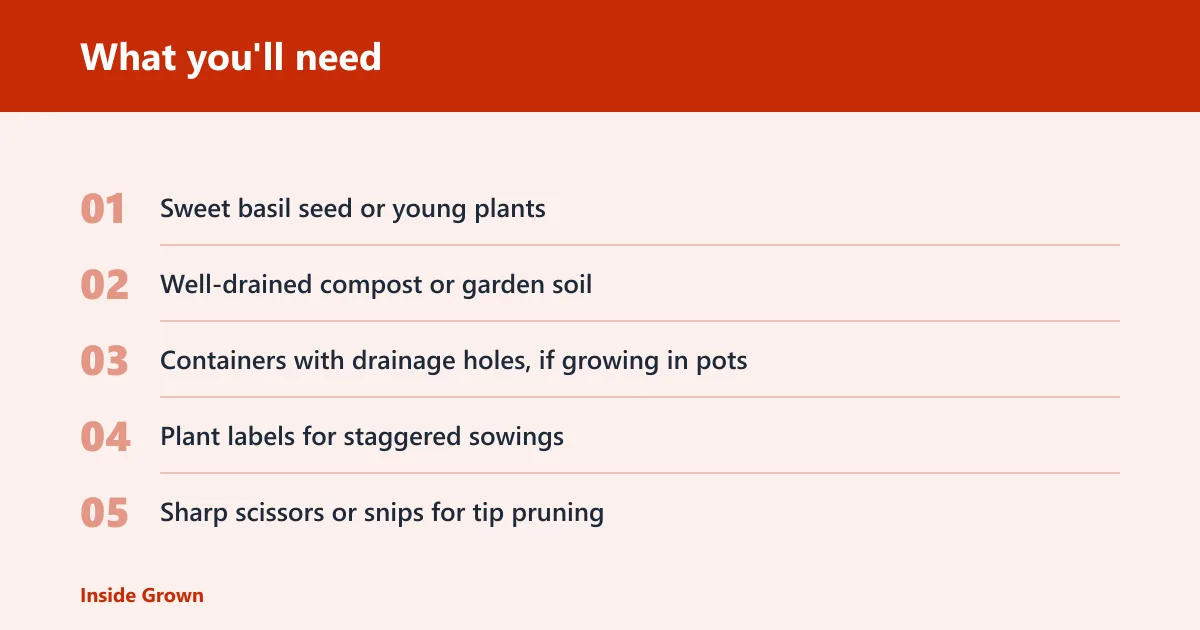


- Sweet basil seed or young plants
- Well-drained compost or garden soil
- Containers with drainage holes, if growing in pots
- Plant labels for staggered sowings
- Sharp scissors or snips for tip pruning
- A watering can or hose with a gentle rose
- A bright, warm, sheltered spot
📊 Basil should be spaced about 30 cm apart. Source: Gardenersworld.
How many basil plants do you need?
Use 2–4 basil plants for light weekly picking, 6–8 plants for a household that cooks with basil several times a week, and 10–12 plants for pesto or freezing. Sweet basil is a half-hardy annual, so it typically needs to be replanted each year. One sowing rarely covers every use case for a whole season.
A simple formula helps: count the people, then match the use. For garnish, plan about 1 plant per person. For salads and sandwiches, plan about 1–2 plants per person. For pesto or freezing, plan about 2–3 plants per person, because those uses remove more leaf mass at once.
| Weekly use case | 1 person | 2 people | 4 people | 6 people | Indoor pots | Outdoor beds |
|---|---|---|---|---|---|---|
| Garnish and topping | 1 plant | 2 plants | 4 plants | 6 plants | Best in 1 larger pot or 2 small pots | Easy in a short row or small bed edge |
| Salads and sandwiches | 2 plants | 3 plants | 6 plants | 8 plants | Needs strong light and regular potting up | Works well with 30 cm spacing |
| Pesto | 3 plants | 4 plants | 8 plants | 12 plants | Usually too tight unless pots are large and very bright | Better for repeated cuts and faster regrowth |
| Freezing and preserving | 3 plants | 5 plants | 10 plants | 12+ plants | Indoor light often limits this target | Most practical for a steady surplus |
Say your household wants basil on pizza once a week and in pasta twice a week. A 4-person home may need around 6 plants for that pattern. If the same home also wants a freezer stash, step up to 10 plants so the harvest does not strip every stem at once.
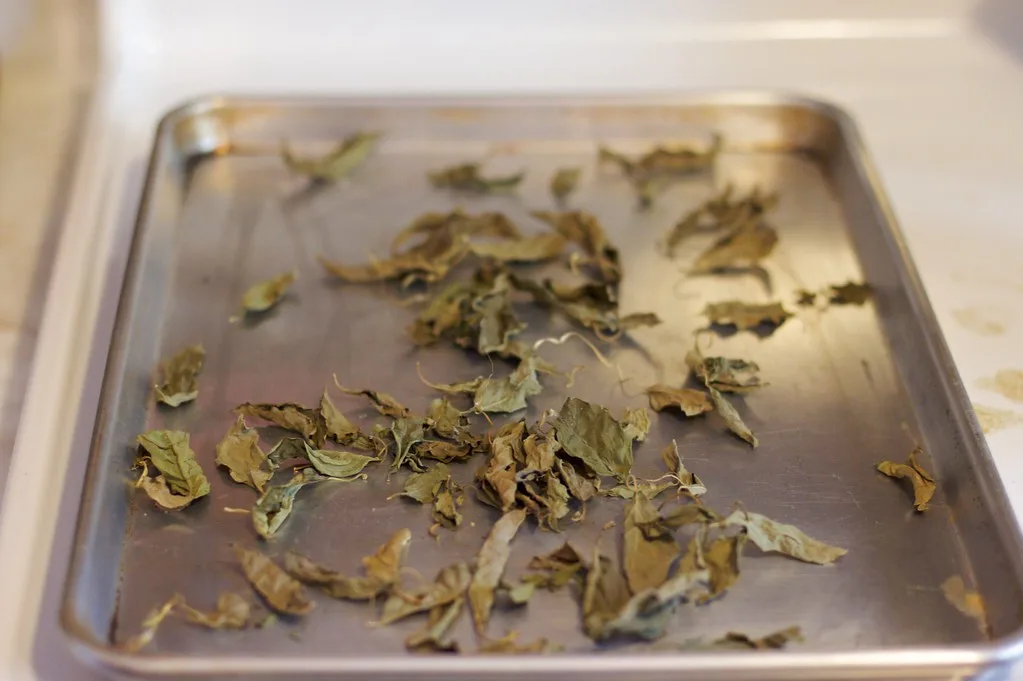
How many basil plants fit in a bed or container?
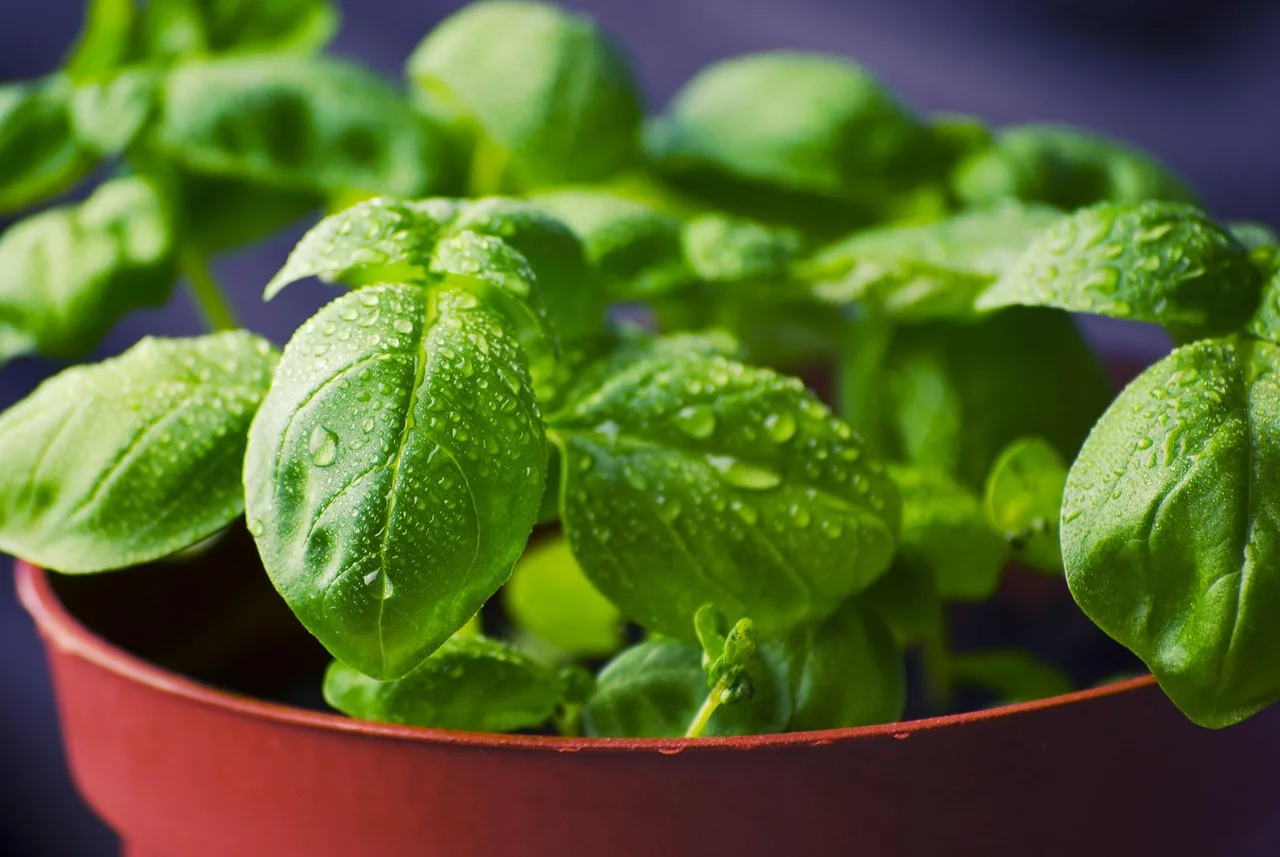
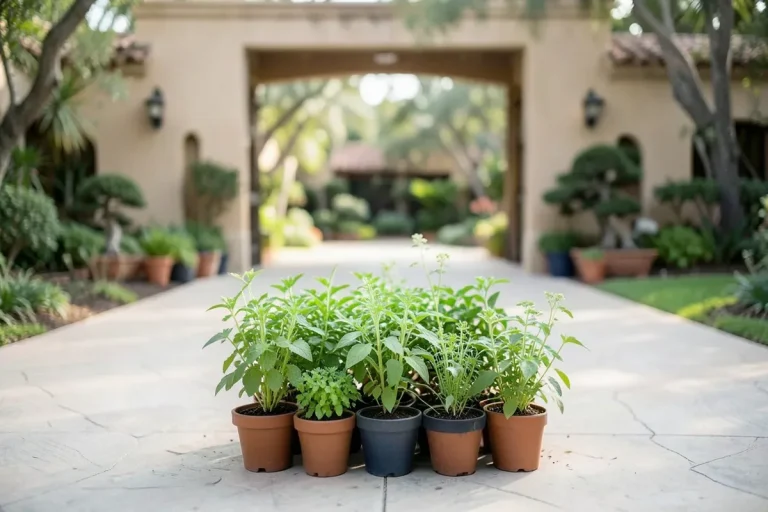
Basil should be spaced about 30 cm apart, with about 30 cm between rows. That spacing keeps air moving and gives enough leaf area for repeated picking. In containers, plant count depends on pot size, but crowded pots reduce output quickly because stems compete for light, water, and root room.
A single 20 cm pot usually suits one basil plant. A wider container can hold two, but only if it is broad and deep enough for root growth. Indoor basil often needs potting up as roots fill the container; otherwise, the plant stalls just when leaf production should rise.
Bed and container guide
Use the spacing rule first, then adjust for the space you have. A 1 m by 1 m bed can hold roughly nine basil plants at 30 cm spacing. A long trough can hold fewer if it is narrow. More plants fit only when root space and airflow stay adequate.
- Pick sweet basil for kitchen use.
- Set seedlings or starter plants 30 cm apart.
- Keep 30 cm between rows in beds.
- Use one plant per small pot, or one to two in a larger container.
- Pot up indoor basil before roots circle the base.
Step 1: Choose the right basil and planting method
Start from seed or buy young plants, but stick with sweet basil for most cooking. It is the most common culinary type, and it grows best in warm, sheltered conditions. Because basil is a half-hardy annual, you need a fresh crop each year rather than a long-lived herb plant.
Seed gives you more plants for less cost, while starter plants save time. If you want steady weekly harvests, buying a few young plants and sowing a second batch later often works better than waiting on one big sowing alone.
Step 2: Plant for steady growth
Set basil in well-drained fertile soil in a warm, bright location with shelter from wind and cold. Use full sun or very bright light. Keep the soil moist, not soggy. Basil dislikes cold soil and waterlogged roots, and weak root growth cuts the leaf supply you need for weekly harvesting.
Regular picking matters because basil should be harvested throughout summer. Harvest leaves as required during the season, but do not strip every stem. Leave enough leaf area for the plant to rebuild quickly.
Growth rules that matter most
Give each plant space. Avoid cold corners and exposed patios. In beds, spacing often matters as much as feeding because tight planting slows regrowth and makes flowering more likely.
Step 3: Harvest to keep plants producing
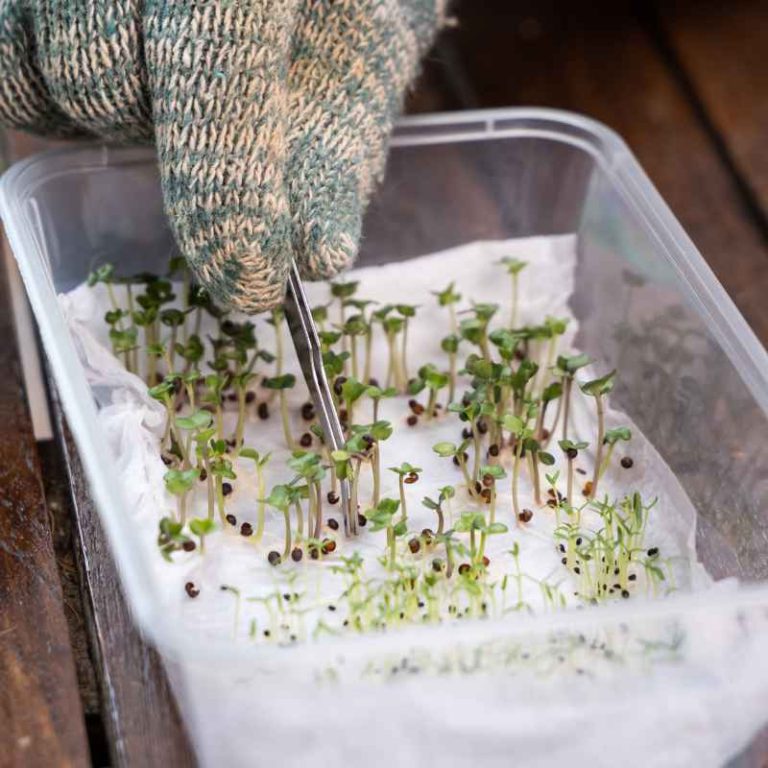
Harvest once basil has six sets of leaves, then keep picking from the top. Cut just above a leaf pair so the plant branches instead of sending one stem upward. Cutting basil back to a third encourages a bushier plant, which gives you more future picks.
Pinching back basil every six weeks helps encourage bushy growth, but you do not need to wait that long if the top growth is already long enough to cut. Keep taking tips and tender stems before they get woody. Remove flower stems quickly, because flowering affects leaf quality and slows foliage production.
When is the best time of day to harvest basil?
Pick basil in the morning for peak essential oils. Morning leaves usually have the strongest aroma and the least heat stress. Use sharp scissors, take the top growth first, and leave enough lower leaves on the plant so it can recover quickly after each cut.
How much basil can one plant produce?
One basil plant can produce a useful weekly supply for part of the season, but output changes with plant age, pruning, light, and container size. Young plants yield less. Well-branched plants in bright, warm conditions yield more. A single healthy plant is enough for garnish; it is rarely enough for pesto for a whole household.
Typical output rises after the first few prunings, then holds best when you keep cutting tips and stop flowering early. A plant in a roomy bed often outperforms one in a small pot because root space and moisture stability stay better. Indoor plants usually produce less unless light is very strong.
Suppose a windowsill basil plant starts leaning and producing small leaves. That usually means the pot is crowded or the light is too weak. Move it to a larger pot, increase light, and start tip pruning again. A larger, brighter setup often turns a weak plant into a steady cutter within a few weeks.
How many basil plants do you need if you want continuous harvests all summer?
For continuous harvests, grow at least a handful of plants at different ages, and more if you want regular surplus for pesto or freezing. Continuous supply depends on succession sowing from spring to summer, because different plant ages keep replacing tired stems and reduce the risk of one harvest gap.
Stagger sowings every few weeks instead of planting everything on one day. That way, some plants are just reaching cutting size while others are already in heavy production. This works especially well in beds and greenhouses, where warmer conditions keep growth moving.
Succession plan
- Sow the first batch in spring.
- Sow a second batch a few weeks later.
- Keep a third batch ready for late summer.
- Move or pot up the strongest seedlings first.
- Replace tired plants before they flower heavily.
How to keep basil bushy so it produces more leaves?
Pinch above a leaf pair, harvest the top growth first, and remove flower stems as soon as they appear. Those three moves push basil into branching instead of tall, sparse growth. Bushier plants give you more leaf nodes, which means more harvest points and a longer picking run.
Do not let the plant become a single stem with a flower spike on top. Once flowering starts, leaf quality drops and the plant shifts away from foliage production. If a stem is long enough to cut, it is usually long enough to pinch.
What goes wrong when basil gets leggy?
Long, thin stems usually mean the plant is too crowded, too shaded, or left too long between cuts. Move it to brighter light, trim it back above a leaf pair, and reduce competition from nearby plants. In containers, pot size often matters more than feeding.
What to do with supermarket basil after harvesting
Supermarket basil is often crowded into small spaces, and the rootball is usually weak. To save it, separate the roots and replant individually. That gives each stem a better chance to recover instead of letting many stems compete in one cramped pot.
After separating, set the stems into fresh compost, water gently, and move them into bright, warm conditions. If several stems collapse in the first week, that is common with weak nursery roots. Keep only the strongest ones and prune lightly once new growth appears.
Common mistakes
Most basil losses come from crowding, late flowering, and cutting too low. These mistakes reduce leaf regrowth fast. The fix is usually simple: space plants properly, harvest from the top, and keep flowering stems out of the plant as soon as they appear.
- Letting plants flower: remove flower stems quickly so leaf quality stays high.
- Harvesting too low: cut above a leaf pair so the plant branches.
- Overcrowding pots or beds: keep about 30 cm spacing in beds and give containers enough root room.
- Waiting too long to sow the next batch: stagger sowings from spring to summer.
- Using one small pot for a large household: shift to more plants or larger containers.
Frequently asked questions
How many basil plants do I need for weekly pesto?
Plan on 3 plants for one person, 4 for two people, 8 for four people, and 12 for six people if pesto is a regular weekly use. Pesto pulls a lot of leaf mass at once, so a small plant count usually runs out fast unless you have staggered sowings.
How many basil plants should one person grow for fresh leaves?
One person usually needs 1 plant for garnish, 2 plants for regular fresh leaves, and 3 plants if the goal is frequent cooking. That gives enough room to harvest top growth while the plant regrows. A single small pot can work for garnish, but not for heavy use.
How often can I harvest basil without killing the plant?
You can harvest basil as often as needed if you leave enough leaf growth on the plant. Pick the top shoots regularly throughout summer, and start once the plant has six sets of leaves. Regular picking encourages regrowth, while stripping the stems too hard slows recovery.
How many basil plants do I need if I want continuous harvests all summer?
Use at least 6 plants, spaced and staggered by age, if you want a steady supply across summer. For pesto or freezing, increase that to 10–12 plants. Succession sowing from spring to summer matters more than one large planting, because younger plants replace the older ones.
How do I keep basil bushy so it produces more leaves?
Pinch tips above a leaf pair, cut back to a third when the plant is tall enough, and remove flower stems quickly. Pinching every six weeks can help, but the main rule is simple: harvest the top growth often and keep the plant branching instead of bolting.
How much basil can one plant produce in a season?
One plant can supply repeated small harvests through the season if it stays in bright, warm conditions and is pruned well. Output starts lower in young plants and rises after branching. In a small pot, expect less than in a bed; in weak light, expect less again.