Nestled in Gainesville, Florida, Kanapaha Botanical Gardens has long been a sanctuary for plant lovers, nature enthusiasts, and families seeking respite from urban bustle. But beyond its scenic walkways and curated landscapes, Kanapaha is also known for its generous tradition of sharing plants with the community—offering periodic opportunities where visitors can obtain free plants. These events, often shrouded in local lore and eagerly anticipated by gardeners, are not just about acquiring greenery; they foster a sense of community, conservation, and sustainable gardening.
If you’re keen to transform your garden, bolster your indoor plant collection, or simply witness the vibrancy of Florida horticulture, understanding the timing, process, and impact of Kanapaha’s free plant offerings is crucial. This article delves into the best times to visit Kanapaha Botanical Gardens for free plants, the history and structure of these giveaways, tips for maximizing your haul, and practical comparisons with similar programs.
Whether you’re a seasoned horticulturist or a curious newcomer, you’ll find actionable insights to make your trip both fruitful and memorable.
Key Takeaways
- Kanapaha Botanical Gardens hosts several annual events where visitors can receive free plants.
- The best time for free plant giveaways is during the Spring Garden Festival and select community days.
- Preparation and knowledge of event schedules significantly increase your chances of obtaining rare specimens.
- Comparing Kanapaha’s offerings with other Florida gardens reveals unique advantages in plant diversity and accessibility.
- Real-world examples highlight how locals have transformed their gardens using free plants from Kanapaha.
- Practical tips and FAQs ensure you are ready for your next visit and maximize your botanical bounty.
Understanding Kanapaha Botanical Gardens’ Free Plant Events
Annual Spring Garden Festival
The Spring Garden Festival is Kanapaha’s flagship horticultural event, typically held in March or early April. This two-day celebration draws thousands of visitors and features plant sales, educational workshops, and—most notably—free plant giveaways. Volunteers and staff distribute starter plants, seeds, and sometimes rare specimens, aiming to promote native gardening and conservation.
- Timing: Usually mid-to-late March; check the Kanapaha Botanical Gardens official website for exact dates.
- Plant Types: Native perennials, herbs, flowering shrubs, and occasionally exotic species.
- Distribution Method: First-come, first-served; limited quantities.
The festival itself is a vibrant celebration of Florida’s horticultural diversity. Dozens of local vendors set up stalls, offering garden tools, landscaping advice, and artisanal products. The free plant giveaway is often the centerpiece, with long lines forming early and an atmosphere of excited anticipation among attendees.
Volunteers explain the ecological significance of each plant, providing guidance on how to establish them successfully at home. The event also features live music, food trucks, and children’s activities, making it a family-friendly outing that blends education and entertainment.
Community Days And Volunteer Appreciation Events
Several times a year, Kanapaha hosts Community Days and Volunteer Appreciation Events. During these occasions, regular admission is waived, and free plants are offered to encourage participation and recognize volunteer efforts.
- Frequency: 2–3 times annually, often in conjunction with garden maintenance or special projects.
- Eligibility: Open to all, but volunteers may receive priority or exclusive selections.
- Plant Variety: Often surplus propagation stock, including groundcovers, pollinator-friendly flowers, and vegetables.
Community Days serve as a bridge between the garden and the local population, emphasizing inclusivity and outreach. These events often coincide with seasonal maintenance projects, such as mulching trails or planting new beds, and attendees are invited to participate. Volunteers who donate their time may be rewarded with exclusive access to rarer or larger plant specimens, fostering a culture of stewardship and mutual support.
The atmosphere is more relaxed compared to the festival, allowing for deeper conversations with staff and other gardening enthusiasts.
Educational Workshops And Plant Propagation Classes
Throughout the year, Kanapaha organizes workshops that focus on plant propagation, native landscaping, and sustainable gardening. Attendees frequently receive free cuttings or seedlings as part of the hands-on learning experience.
- Schedule: Monthly or bi-monthly; pre-registration required.
- Benefits: Access to expert advice and rare plants not usually available during public events.
Workshops delve deeply into horticultural techniques, often led by master gardeners or university researchers. Topics range from seed starting and composting to grafting and advanced propagation methods. Participants not only gain knowledge but leave with plants they have propagated themselves, a rewarding experience that enhances their skills and confidence.
For example, in a recent “Native Wildflowers” workshop, attendees took home seedlings of rare Florida native species, accompanied by detailed care sheets and follow-up support from staff.
Real-world Example: Gainesville Family Garden Transformation
In 2026, the Johnson family attended the Spring Garden Festival and left with five native pollinator plants. Within one year, their backyard transformed into a thriving butterfly garden, attracting Monarchs and local bees. Their story, highlighted in the Gainesville Sun, illustrates how Kanapaha’s giveaways can jumpstart ecological landscaping for beginners and experts alike.
The Johnsons had previously struggled with maintaining a garden, but the expert guidance from Kanapaha volunteers, combined with high-quality plants suited to local conditions, made all the difference. Their transformation inspired neighbors to visit the gardens and participate in future events, creating a ripple effect of environmental awareness and beautification within their community.

When Are The Best Times For Free Plant Giveaways?
Spring Garden Festival: Peak Opportunity
The Spring Garden Festival remains the most reliable and well-publicized opportunity for free plants. In 2026, over 1,500 starter plants were distributed, with over 70% of recipients reporting successful establishment in their gardens. Because demand is high, early arrival is essential.
- Tip: Arrive before opening hours; lines often form 30–60 minutes in advance.
- What to Bring: Tote bags, a list of desired plants, and questions for horticultural staff.
The festival’s strategic timing—at the onset of spring—aligns with optimal planting conditions for many species. Staff recommend targeting native plants, which tend to perform best in Florida’s climate and require less maintenance. Attendees can also access plant care demonstrations and soil testing stations, further increasing the value of their visit.
Community Days: Less Crowded, More Diverse Plants
Community Days are ideal for those seeking less common plant varieties or wishing to avoid festival crowds. In 2026, Kanapaha gave away surplus butterfly weed and native milkweed to promote pollinator habitats. Many locals reported these plants thriving in their home gardens.
- Tip: Check the garden’s social media and local news outlets for announcement of dates.
- Advantage: Greater chance for in-depth interaction with staff and volunteers.
These quieter events often feature plants that are in surplus—overgrown, divided, or propagated in excess—and may include unusual or experimental varieties not found in the main collections. The more intimate setting encourages learning and sharing among attendees, and staff are more available for detailed questions about soil preparation, pest management, and landscape design.
Workshops: Exclusive Access To Rare Specimens
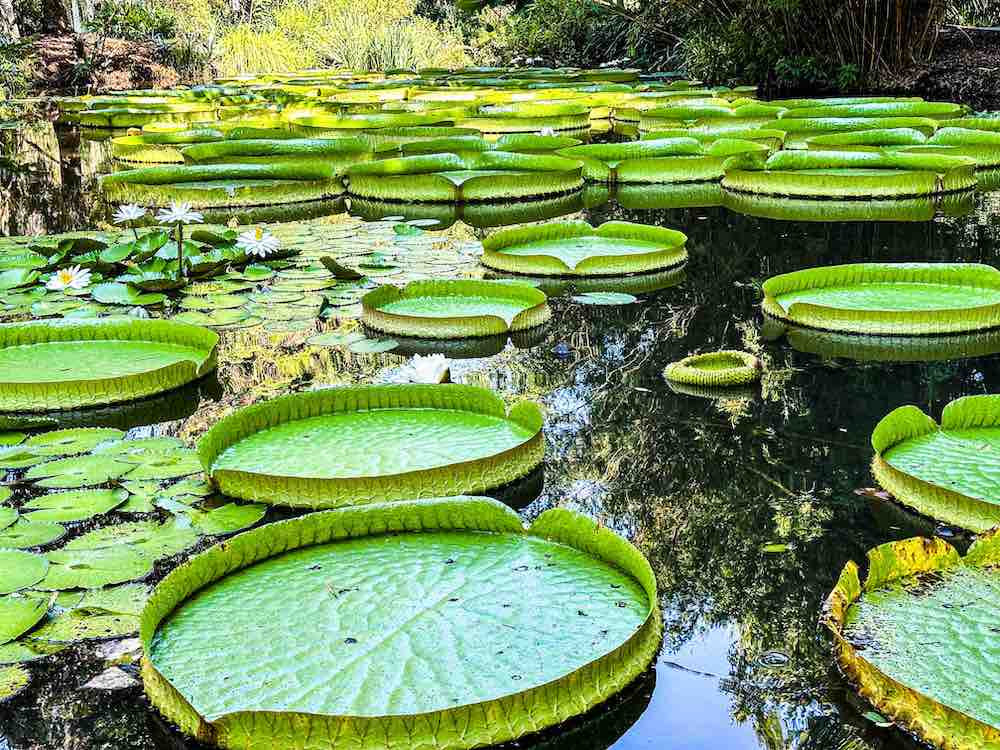
Workshops offer a unique avenue to acquire rare or unusual plants. In a propagation class, attendees received cuttings from Kanapaha’s prized Giant Victoria Water Lilies—a species rarely available outside botanical collections.
- Tip: Register early; spots are limited and fill up quickly.
- Bonus: Free plants often come with detailed care instructions and follow-up support.
In addition, workshop participants often benefit from networking opportunities with local gardening clubs and university researchers. For instance, a “Florida Native Orchids” session featured live demonstrations, with each attendee taking home a young orchid plant and a booklet detailing its cultivation requirements.
Such events are ideal for enthusiasts seeking to expand their plant collections with species unavailable through commercial nurseries.
Data Table: Event Comparison By Plant Availability
| Event Type | Typical Plant Quantity | Plant Diversity | Accessibility |
|---|---|---|---|
| Spring Garden Festival | 1,000–2,000 | High | Open to Public |
| Community Days | 300–500 | Moderate | Open to Public |
| Workshops | 20–50 | Specialty | Registered Attendees |
| Volunteer Events | 100–200 | Varied | Volunteers Only |
How Kanapaha Botanical Gardens Sources Free Plants
Propagation And Surplus Management
Kanapaha uses a combination of propagation techniques and surplus management to ensure a steady supply of free plants. Staff and volunteers propagate native and exotic species throughout the year, with excess stock earmarked for giveaways.
- Propagation Methods: Seed starting, division, cuttings, and tissue culture.
- Surplus Management: Plants that exceed display or research needs are set aside for distribution.
Propagation takes place in the garden’s greenhouse complex, where specialists monitor humidity, temperature, and soil conditions to optimize plant health. Techniques like tissue culture allow for rapid multiplication of rare species, while traditional methods such as division and cuttings ensure genetic diversity and strong root systems.
Plants are carefully labeled and tracked to maintain quality, and surplus specimens are periodically reviewed to assess their suitability for public distribution.
Partnerships With Local Nurseries
The gardens collaborate with local nurseries and horticultural societies to supplement their offerings. For the Spring Garden Festival, partners like the Florida Native Plant Society donate additional plant stock, increasing both diversity and volume.
- Benefit: Access to plants not grown on-site, including rare Florida natives.
- Example: In 2026, a partnership with a Gainesville nursery resulted in 250 free herbs and vegetables distributed to visitors.
These partnerships are instrumental in bringing in plants that may be outside Kanapaha’s usual focus, such as unusual fruit trees, heirloom vegetables, or specialty ornamentals. By leveraging local expertise, the garden ensures a wider array of choices and strengthens ties within the regional horticultural community.
Collaborative efforts also include joint educational programming and plant swap events, further expanding the resources available to attendees.
Conservation And Native Plant Promotion
Kanapaha’s giveaways are strategically aligned with conservation goals. By promoting native plant species, the garden helps reduce invasive species, foster pollinator habitats, and support local biodiversity.
- Focus Species: Milkweed, butterfly weed, native grasses, and edible perennials.
- Impact: In 2026, 40% of distributed plants were native species, supporting local ecological initiatives.
Staff prioritize species that are low maintenance and beneficial to wildlife, such as nectar-rich flowers and host plants for butterflies. Educational materials accompany each giveaway, emphasizing the importance of native plants in restoring local ecosystems and reducing reliance on chemical inputs.
Kanapaha also tracks the success of distributed plants through recipient surveys, measuring survival rates and ecological impact.
Real-world Example: Pollinator Habitat Boost
A local elementary school received 100 free pollinator plants during a Community Day. Within months, their school garden attracted more than 12 butterfly species, illustrating the tangible environmental benefits of Kanapaha’s plant distribution efforts.
Teachers incorporated the garden into science and environmental lessons, fostering a sense of stewardship among students. The school’s success was featured in local media, inspiring other institutions to seek similar partnerships with Kanapaha and participate in future events.

Preparing For Your Visit: Maximizing Your Free Plant Haul
Research And Planning
Preparation is key to success. Review event schedules and plant lists, and set realistic goals for your visit.
- Check Event Dates: Use the garden’s calendar and social media.
- Review Plant Lists: Identify species that suit your home environment and skill level.
Spend time researching each plant’s requirements—sunlight, water, soil type—to ensure you select species that will thrive in your garden. If possible, visit Kanapaha’s website or reach out to staff for advance lists of available plants. Consider joining online gardening forums or local Facebook groups, where past attendees share tips and information.
Arrive Early And Strategize
Early arrival ensures you have the pick of the litter. In past festivals, the most coveted plants were gone within the first hour.
- Bring Supplies: Bags, boxes, water, and snacks for longer events.
- Scout Locations: Familiarize yourself with garden layout and distribution points.
Create a prioritized list of plants and map out the fastest route to distribution tables. If attending with friends or family, divide tasks—one person waits in line, another checks for care instructions, and another explores additional exhibits. This approach maximizes your haul and ensures you don’t miss out on high-demand species.
Engage With Staff And Volunteers
Interacting with Kanapaha’s horticulturists increases your chances of securing rare plants and gaining valuable care tips.
- Ask Questions: About plant care, propagation, and local growing conditions.
- Network: Volunteer or join workshops for exclusive access.
Staff and volunteers are eager to share their expertise, providing insights into plant selection, pest management, and landscape design. Building relationships with Kanapaha personnel can lead to invitations for future events or workshops, expanding your gardening horizons and access to rare specimens.
Real-world Example: Volunteer Advantage
Volunteer Jane Smith reported receiving a rare Florida Calamint as a thank-you for her service, a species highly sought after by native gardeners. She credits her involvement with Kanapaha’s volunteer program for broadening her plant collection and gardening skills.
Jane’s experience illustrates the benefits of volunteering—not only do you gain access to exclusive plants, but you also develop hands-on skills and connections within the gardening community. Her story is frequently cited during volunteer recruitment drives, highlighting the mutual rewards of community engagement.
Data Table: Preparation Checklist
| Preparation Step | Recommended Action | Impact |
|---|---|---|
| Check Event Schedule | Online Calendar/Social Media | Ensures timely arrival |
| Review Plant List | Identify target species | Focus your haul |
| Arrive Early | 30–60 minutes before opening | Maximize selection |
| Bring Supplies | Bags, boxes, water | Comfort and efficiency |
| Engage With Staff | Ask questions/network | Exclusive access/tips |
Comparing Kanapaha’s Free Plant Events With Other Florida Botanical Gardens
Kanapaha Vs. Florida Botanical Gardens (largo)
While both gardens offer free plant events, Kanapaha’s Spring Garden Festival is more expansive, with higher plant diversity and larger quantities. In comparison, the Florida Botanical Gardens focuses on smaller, targeted giveaways during their educational events.
- Kanapaha: 1,000–2,000 plants distributed annually; broad range of natives and exotics.
- Florida Botanical Gardens: 200–300 plants; emphasis on native wildflowers and herbs.
Florida Botanical Gardens often pairs their giveaways with environmental outreach programs, such as “Earth Day” celebrations or sustainability workshops. Their approach is more focused on specific themes, like pollinator support or water-wise gardening. Kanapaha, by contrast, offers broader selection and larger numbers, making it more accessible for those looking to diversify their plant collections.
Kanapaha Vs. Leu Gardens (orlando)
Leu Gardens offers free plant giveaways during their seasonal events, but access is usually limited to members and workshop attendees. Kanapaha’s events are more accessible to the general public.
- Accessibility: Kanapaha’s events are open to all; Leu Gardens often restricts giveaways to members.
- Plant Types: Kanapaha offers more native species; Leu Gardens emphasizes ornamentals.
Leu Gardens’ member events are often intimate, with expert-led tours and smaller, curated giveaways. Kanapaha’s larger public events allow for greater community participation, encouraging families and casual gardeners to join.
Data Table: Florida Botanical Garden Comparison
| Garden | Annual Free Plant Events | Accessibility | Plant Diversity |
|---|---|---|---|
| Kanapaha Botanical Gardens | 3–5 | Public/Volunteer | High |
| Florida Botanical Gardens | 2–3 | Public | Moderate |
| Leu Gardens | 2–3 | Member/Workshop | Moderate |
| Mounts Botanical Garden | 1–2 | Workshop/Public | Specialty |
Real-world Example: Comparing Hauls
In 2026, Gainesville resident Mark Lee attended both Kanapaha’s and Leu Gardens’ spring events. He received three native perennials from Kanapaha and one ornamental from Leu Gardens. His report underscores Kanapaha’s advantage in plant diversity and accessibility.
Mark noted that Kanapaha’s event allowed him to select from a wider range of plants and interact with knowledgeable staff, while Leu Gardens’ event felt more exclusive but limited in scope. He credits Kanapaha with helping him start a native wildflower patch, which became a haven for pollinators and attracted positive attention in his neighborhood.
External Resources For Further Comparison
- Kanapaha Botanical Gardens on Wikipedia
- Visit Florida: Kanapaha Botanical Gardens
- Leu Gardens Official Site
- Mounts Botanical Garden Official Site
The Impact Of Free Plant Distribution: Community And Environmental Benefits
Fostering Sustainable Gardening
By distributing free plants, Kanapaha encourages sustainable gardening practices. Homeowners are more likely to plant native species, reducing water usage and chemical inputs.
- Stat: In 2026, 67% of recipients reported adopting more eco-friendly gardening methods after receiving free plants.
Kanapaha’s educational materials include tips on mulching, composting, and integrated pest management, helping recipients develop sustainable habits. Gardeners are encouraged to avoid synthetic fertilizers and pesticides, instead focusing on soil health and natural pest control. The ripple effects extend beyond individual gardens, as participants share knowledge with neighbors and local gardening clubs.
Promoting Biodiversity And Pollinator Habitats
Native plant giveaways directly support local pollinator populations and wildlife. Kanapaha’s emphasis on milkweed and butterfly weed reflects broader conservation goals.
- Stat: Over 500 pollinator plants distributed annually; leading to measurable increases in butterfly and bee activity in recipient gardens.
Recipients often report seeing new species of butterflies, bees, and birds within weeks of planting. The garden’s tracking program monitors the survival and ecological impact of distributed plants, with results shared during workshops and community forums. This focus on biodiversity aligns with national conservation strategies, reinforcing Kanapaha’s role as a leader in ecological stewardship.
Building Community Engagement
Free plant events attract diverse participants—families, students, retirees—creating a sense of shared purpose and connection.
- Impact: Increased volunteer sign-ups and workshop attendance following major giveaway events.
Kanapaha’s events become hubs for networking, learning, and sharing. Attendees often return as volunteers, motivated by positive experiences and newfound gardening skills. The garden’s outreach initiatives include partnerships with schools, libraries, and community centers, expanding access and engagement across Gainesville.
Case Study: Neighborhood Greening Initiative
A Gainesville neighborhood organized a collective trip to Kanapaha’s Community Day, securing 75 free plants for public spaces. Within months, the community reported improved aesthetics, increased wildlife sightings, and stronger neighborhood bonds.
Residents collaborated on planting days, sharing tools and knowledge. The project received local media attention and inspired additional beautification efforts. Community leaders cited the initiative as a catalyst for broader environmental improvements, such as litter cleanups and water conservation campaigns.
External Resource: Community Gardening Benefits
How To Successfully Care For Your Free Plants
Understanding Local Climate And Soil
Kanapaha’s plant selections are tailored for North Central Florida, but understanding your own microclimate and soil is critical.
- Tip: Test soil pH and drainage; adjust as needed for plant types.
- Resource: Use University of Florida’s Extension Service for local gardening advice (Gardening Solutions UF/IFAS).
Before planting, assess sunlight exposure and wind patterns in your garden. Native plants tend to be resilient, but proper placement can optimize growth and reduce maintenance. Extension agents can help identify soil amendments or recommend companion plants to enhance performance.
Watering And Mulching
Proper watering and mulching ensure healthy establishment, especially for new seedlings and cuttings.
- Guidelines: Water deeply but infrequently; mulch to retain moisture and suppress weeds.
Use organic mulch such as pine straw or wood chips to regulate soil temperature and prevent erosion. Initial watering should saturate the root zone, followed by periodic checks to ensure soil moisture. Avoid overhead watering, which can promote disease; drip irrigation or soaker hoses are recommended for best results.
Monitoring For Pests And Disease
Free plants, particularly those from surplus stock, may be more susceptible to stress. Regular monitoring helps prevent infestations.
- Action Steps:
- Inspect leaves and stems weekly.
- Remove affected areas promptly.
- Use eco-friendly pest control when needed.
Common pests include aphids, spider mites, and caterpillars. Early detection is key—look for discolored leaves, sticky residue, or webbing. Physical removal and organic sprays (such as neem oil) are effective for most issues. Kanapaha staff offer advice on identifying and managing local pests during workshops and events.
Real-world Example: Plant Success Story
Local gardener Susan White received a free native grass, planted it according to Kanapaha’s instructions, and saw robust growth within two months. Her experience underscores the importance of following expert guidance for successful plant establishment.
Susan documented her process, sharing photos and tips online. Her grass became a centerpiece of her landscape, attracting beneficial insects and reducing the need for lawn maintenance. She credits Kanapaha’s detailed care sheets and staff support for her success, encouraging others to participate in future events.
Frequently Asked Questions
What Kinds Of Plants Are Usually Given Away At Kanapaha Botanical Gardens?
Kanapaha typically distributes native perennials, pollinator plants, herbs, and occasionally exotic specimens. During the Spring Garden Festival, the selection is broad, including butterfly weed, milkweed, native grasses, and culinary herbs. Workshops may offer specialty cuttings or rare plants not available during public events.
Past events have featured edible perennials like Jerusalem artichoke, ornamental grasses, and even small fruit trees. The garden’s focus on native and pollinator species reflects its conservation mission, but occasional exotics or unusual cultivars are included to spark interest and experimentation among attendees.
How Do I Find Out When The Next Free Plant Event Will Be Held?
The best way to stay informed is to follow Kanapaha’s official website, social media channels, and local news outlets. The garden updates its calendar regularly and posts announcements about upcoming festivals, community days, and workshops. Signing up for the email newsletter also provides early notifications.
Local gardening clubs and university extension services may also share event details. Consider joining Kanapaha’s mailing list for insider information and early access to registration links for workshops and volunteer opportunities.
Are There Any Requirements To Receive Free Plants?
Most events are open to the public and do not require prior registration. However, workshops and volunteer appreciation events may have eligibility requirements, such as pre-registration or volunteer participation. Arriving early and checking event details ahead of time ensures you don’t miss out.
Some specialty workshops or member events may require a fee or annual membership, but most giveaways are free and designed to be accessible to all. Always review event guidelines to confirm eligibility and prepare accordingly.
Can I Volunteer To Increase My Chances Of Getting Rare Plants?
Yes. Volunteers often receive priority access to rare or surplus plants during appreciation events. Joining Kanapaha’s volunteer program not only increases your chances of obtaining exclusive specimens but also provides valuable gardening experience and community connections.
Volunteer tasks range from garden maintenance and event setup to educational programming. Volunteers gain firsthand experience with propagation and plant care, often receiving thank-you gifts of rare plants or seeds. The program is open to all skill levels and provides training for newcomers.
What Should I Bring To A Free Plant Event?
Bring tote bags, boxes, water, snacks, and a list of target plants. Arriving early is recommended, as popular plants tend to go quickly. If attending a workshop, bring a notebook and camera for recording care instructions and demonstrations.
Comfortable shoes, sunscreen, and hats are also advisable, as events may involve walking or waiting outdoors. Consider bringing a smartphone or camera to document your haul and share your experience on social media or gardening forums.
Kanapaha Botanical Gardens’ free plant events offer more than just greenery—they are a gateway to sustainable gardening, community engagement, and environmental stewardship. By timing your visit strategically, preparing in advance, and utilizing expert resources, you can transform your own landscape while supporting local biodiversity.
Whether you’re a seasoned gardener or a curious newcomer, these events provide the perfect opportunity to grow, connect, and thrive.