How Botanical Gardens Help Preserve Native Plants
Botanical gardens preserve native plants with living collections, seed banks, and propagation programs that protect genetic diversity and support recovery after habitat loss or fire. Without that work, local plant lineages can disappear, weakening ecosystems and making restoration harder and more expensive. This guide explains how gardens conserve native plant genetics, support cultural knowledge, and return species to the wild.
What botanical gardens do for native plants
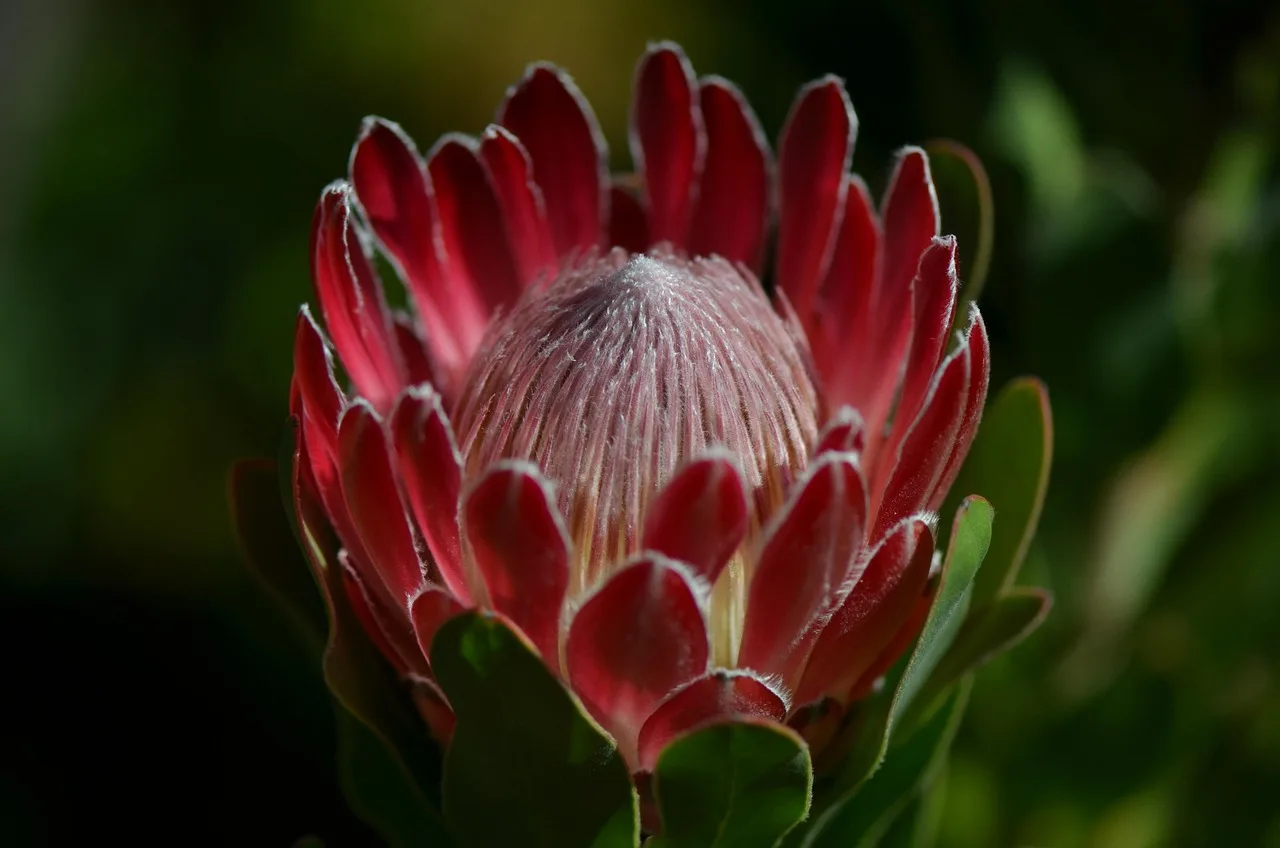
Botanical gardens preserve native plants in two ways at once: they care for plants in the garden and back them up outside the garden through seed storage, propagation, and restoration partnerships. That matters because a labeled bed does not protect a species from disease, storms, invasive plants, or habitat loss.
Conservation inside the garden
Inside the garden, conservation starts with collection management. Staff track where plants came from, which population they belong to, how many individuals are represented, and whether the collection still holds useful genetic diversity. That recordkeeping turns a display into a living conservation asset.
Native plant collection management also shows which plants need more attention. If a species is rare, declining, or tied to a small geographic area, the garden may prioritize it for seed collection, controlled propagation, and repeated backup storage. The point is not to keep one attractive specimen alive. The point is to keep a usable plant line available for the future.
Conservation outside the garden
Many botanical gardens extend conservation beyond the gate through managed native habitats, school programs, and civic partnerships. Maui Nui Botanical Gardens is dedicated to protecting Maui Nui’s native plants and cultural heritage, works through partnerships with managed native habitats, schools, hālau, and civic groups, and provides coastal native plant conservation as one of its conservation programs.
That model reaches more than visitors. It gives schools and community groups a place to learn planting methods, stewardship habits, and local plant identification while supporting actual habitat work. It also creates a path from collection to education to restoration, which is more useful than a decorative bed with labels.
Why display alone is not enough
A display garden can teach names and look attractive. Conservation needs more. A plant bed without accession records, seed backup, propagation plans, or outplanting partners cannot replace a lost population or rebuild genetic diversity after a fire, flood, or disease outbreak.
Say a native shrub is planted in a public bed because it tolerates drought and looks tidy. That is useful landscaping. It is not the same as conserving the species unless the garden also records its source, saves seed, grows backup stock, and coordinates with a habitat partner that can use more plants later.
Native plant conservation workflow
| Preservation method | Purpose | Example use | Visitor-visible clue |
|---|---|---|---|
| Collection management | Track origin, population, and genetic coverage | Prioritize a rare island form for backup records and seed collection | Accession labels, mapped beds, species lists |
| Seed banking | Store backup genetic material for future use | Hold seed from a threatened native plant for later recovery work | Seed bank references in interpretation or program materials |
| Propagation | Multiply plants for safeguarding and restoration | Raise seedlings or cuttings for habitat planting | Nursery benches, propagation houses, staff-led demos |
| Restoration partnerships | Move healthy stock to managed native habitats | Supply plants for a shoreline or school stewardship site | Partner names, fieldwork photos, stewardship signage |
| Cultural interpretation | Share plant uses, names, and meaning with cultural practitioners | Teach traditional arts or plant-use knowledge alongside ecology | Interpretive panels, classes, local language names |
| Water-wise landscaping | Show how native plants fit drought-smart design | Demonstrate xeriscaping with local species | Low-irrigation beds, mulch, grouped plants, dry-site labels |
How seed banks protect native species

Seed banks can help protect native species by storing backup genetic material in a form that can be kept for years and used later if wild populations shrink or disappear. They are often especially important for rare and endangered plants because a living collection alone can fail from storm damage, disease, pests, or poor weather.
Backup storage and genetic preservation
Seed storage gives botanical gardens a second line of defense. If a population is lost in the wild, stored seed can help support recovery work, reintroductions, or restoration planting. This matters most when a species has few surviving populations or when each local population carries traits adapted to a specific site.
Seed banks do not replace habitat protection. They buy time. That time can matter when a fire, drought, landslide, or disease outbreak hits faster than field crews can respond.
Choosing rare and endangered accessions
Threat status should guide collection priorities. Endangered native plants often need more careful selection, more detailed records, and more than one backup pathway. Good programs try to keep genetic diversity broad enough that future plants can still adapt to changing conditions.
That is one reason accession records matter. A seed packet from a threatened coastal plant is not just inventory. It is part of a traceable conservation line that should note where the parent plants came from and how the material was handled.
What happens after a loss event
After habitat loss, fire, disease, or another disruption, a seed bank can help speed recovery if the garden has viable, well-documented material and a place to grow it out. The process usually moves from storage to germination, then to nursery growth, then to restoration or recovery sites.
- Review which species or populations were affected.
- Check stored seed, cuttings, or backup plants.
- Propagate material in a controlled setting.
- Match plants to suitable habitat or managed native habitat sites.
- Monitor survival and replant if losses occur.
Suppose a shoreline population of a native plant is damaged by storm surge and salt spray. A garden with stored seed and a propagation plan can raise replacement stock while land managers stabilize the site. Without those backups, recovery starts from far less.
How do botanical gardens grow plants for recovery?
Botanical gardens grow plants for recovery by propagating them from seed, cuttings, or divisions and then matching the resulting stock to a suitable habitat or restoration project. The goal is not simply to produce more plants. The goal is to produce the right plants, with the right origin, for the right place. (NCSU)
Propagation from cuttings, seed, and divisions
Different native plants need different propagation methods. Some germinate well from seed. Others need cuttings or divisions to keep useful traits and avoid poor germination. Conservation programs choose the method that best fits the species, the collection source, and the recovery plan.
That choice matters for genetic diversity. Seed can increase variation within a recovery population, while cuttings preserve a known plant line. Both can be useful, but they should be used with a clear conservation target.
Matching stock to habitat needs
Restoration stock should match the site’s light, moisture, soil, exposure, and elevation. Native plants are local, but they are not interchangeable. A plant that performs well in a garden bed may fail on a dry ridge, a coastal bluff, or a wet lowland site.
That is why collection notes and site notes belong together. If the source population came from a wind-exposed coast, the reintroduction site should look and behave like that habitat, not just resemble it from a distance.
From nursery bench to restoration site
Recovery work usually moves through a nursery phase first. Young plants need watering, pest checks, and enough time to harden off before outplanting. If staff skip that step, losses rise and the project burns time and money.
A common first-timer mistake is planting nursery-grown natives straight into a hot, exposed site with no hardening period. The plants may wilt, stall, or die back because the field conditions are far harsher than the bench or pot line.
Why do botanical gardens work with communities?
Botanical gardens work with communities because conservation lasts longer when local people understand the plants, help care for them, and see where those plants fit in daily life. Schools, civic groups, and cultural groups can help with stewardship, planting, and public learning in ways a garden staff cannot do alone.
Schools, civic groups, and local stewardship
Partnerships with schools and civic groups turn a garden into a training site. People can learn how to plant natives, remove invasive species, and read basic habitat conditions. That is useful for school grounds, roadside plantings, and community spaces that need lower-water landscaping.
These partnerships also widen the workbench. A single conservation team can only manage so many beds, seed lots, and field sites. Shared stewardship spreads the labor while building public support for the plant lineages being protected.
Managed native habitats beyond the gate
Managed native habitats give botanical gardens a place to do stewardship outside the main display area. These sites can support restoration, propagation trials, and outreach projects where students and volunteers see native plants in a more functional setting than a formal bed.
Maui Nui Botanical Gardens works through partnerships with managed native habitats, schools, hālau, and civic groups, which is a practical example of this wider model. The conservation work reaches beyond the fence line and into places where plants are actually being restored or maintained.
Training people to plant and care for natives
People need more than a plant list. They need to know when to water, when to mulch, how much space a native shrub needs, and which plants suit a dry yard versus a wetter one. That is where hands-on education becomes part of conservation.
How cultural knowledge supports native plant care
Cultural knowledge supports native plant care by preserving the names, uses, and practices tied to native species alongside their ecological role. Botanical gardens can work with cultural practitioners so conservation includes interpretation, heritage preservation, and respectful teaching about plant use and meaning.
Working with cultural practitioners
When gardens hire local cultural practitioners, they bring in knowledge that does not sit in a plant record. Maui Nui Botanical Gardens hires local cultural practitioners to teach traditional Hawaiian arts, which connects plant conservation with living practice rather than treating culture as a side display.
That matters because some plants matter not only as habitat species but also as materials for weaving, carving, ceremony, or other traditional uses. Conservation programs that ignore those ties protect part of the picture, not the whole thing.
Interpretation of plant uses and meaning
Interpretation can explain which plants suit local areas, how they are used, and why they matter in a specific place. That kind of teaching helps visitors see native plants as working species, not just scenery.
MNBG offers interpretation of its plant collection for residents and visitors. That gives the garden a role in public learning, not just display. Visitors leave with a better sense of which plants belong in their own neighborhoods and why local lineages matter.
Preserving heritage alongside ecology
Heritage preservation and ecological care support each other. A plant that is cared for in a nursery but disconnected from language, use, and place loses part of its value. A cultural practice without the plant material it depends on also weakens over time.
Conservation works best when gardens protect both the species and the knowledge that goes with it.
How native plants fit water-wise landscaping
Native plants fit water-wise landscaping when the garden uses them to show how local species can handle drought-smart conditions with less irrigation. Xeriscaping is one way to do that. It gives visitors a practical model they can copy at home if they choose the right plant for the right site.
Xeriscaping as a public example
Maui Nui Botanical Gardens uses water conservation techniques like xeriscaping. That is more than a design choice. It is a public demonstration that native plants can be part of lower-water landscapes when they are matched to site conditions and maintained with care.
Xeriscaping can also reduce pressure on irrigation systems and help visitors see how native species behave in grouped, mulch-supported, water-conscious plantings. It works best when it follows local rainfall patterns and soil conditions, not a one-size-fits-all formula.
Which plants suit local conditions?
Native plant education should help residents choose species that fit their area. MNBG helps residents discover which native plants are best suited for their area, which is the kind of guidance people need before they plant a yard, school garden, or civic strip.
That advice keeps conservation realistic. A plant that belongs in a coastal windbreak may not do well inland. A garden can teach that difference without turning the lesson into a lecture on Latin names alone.
What visitors can copy at home
Visitors can copy the parts that matter most: group plants by water need, leave enough space for mature size, use mulch, and choose species suited to the site. Those steps lower maintenance and reduce failure from overwatering or planting the wrong species in the wrong spot.
For gardens, the lesson is simple. Good native landscaping is not random placement. It is a site-specific plan that respects water, exposure, and plant origin.
Frequently asked questions
How do botanical gardens help preserve native plants?
Botanical gardens help preserve native plants by maintaining living collections, storing seed, propagating backup stock, and partnering on restoration. They also keep records that protect genetic diversity, which is what makes future recovery possible after habitat loss, weather damage, or disease. Display alone cannot do that work.
What do botanical gardens do to protect endangered native species?
They prioritize threatened species for seed collection, propagation, and long-term safeguarding. That usually includes accession records, backup storage, and careful matching of plants to habitat needs. Endangered species need more than visibility. They need a plan that keeps their genetic material available if the wild population declines.
Do botanical gardens grow native plants for restoration projects?
Yes. Many gardens propagate native plants from seed, cuttings, or divisions and supply them to managed native habitats or restoration sites. The important part is matching the stock to the site and tracking its origin so the plants support recovery rather than just filling space.
How do seed banks help botanical gardens preserve plants?
Seed banks store backup genetic material that can be used later if a population is lost or damaged. They are especially useful for rare and endangered species because they protect material through time and make recovery work faster after fire, disease, or habitat loss.
Why do botanical gardens partner with schools and communities?
Partnerships spread conservation skills, public awareness, and stewardship labor. Schools, hālau, and civic groups can help plant, care for, and learn about natives while the garden provides interpretation and guidance. That makes conservation practical outside the garden fence.
How do botanical gardens support cultural heritage along with native plants?
They work with cultural practitioners, teach plant uses and meaning, and keep interpretation tied to local knowledge. That approach protects heritage and ecology together. A plant that matters in culture should be cared for as a living material, not only as a label in a bed.