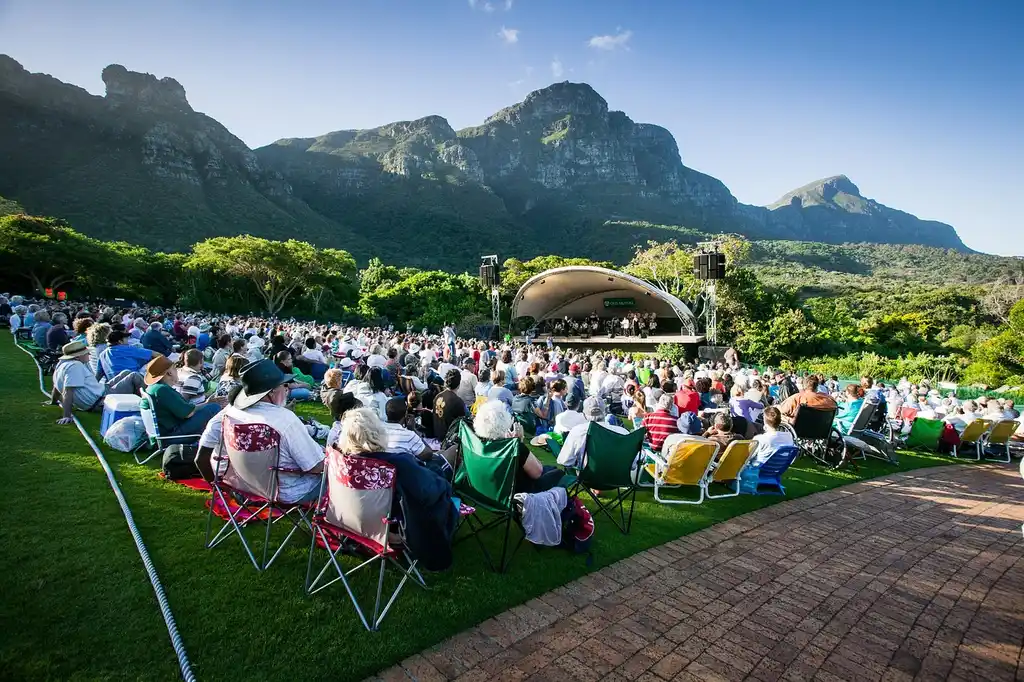
Can you bring snacks or a picnic to a botanical garden?
Yes, you can usually bring small snacks to a botanical garden, but full picnics are often allowed only in designated areas or not allowed at all. Ignore the rules and you may be asked to repack, move, or leave food behind. I use the garden’s own policy before I pack anything. It saves time at the gate and avoids awkward talks on the grounds.
This guide is part of our Botanical garden guide series.
Check the garden’s food policy before you pack
Each botanical garden writes its own food and picnic rules, so the official visitor guidelines are the page to read before you go. Weather, ticket type, special events, and seasonal displays can all change what is allowed, and one section of the grounds may allow snacks while another bans them.
Use the official visitor guidelines page
Look for the garden’s current visitor guidelines page, not a third-party review or a post from last year. The clearest rules state where food is allowed, whether outside drinks are allowed, whether alcohol is banned, and whether a picnic area is the only place you may eat.
Watch for seasonal, event, or ticket-specific rules
Temporary exhibits, after-hours events, weddings, holiday light shows, and member-only days may tighten food rules. A garden may allow snacks on a normal weekday and restrict them during a ticketed event, so check the exact day you plan to visit, not only the general policy page.
Confirm whether outside food is allowed at all
Some gardens allow packed food only in specific outdoor spots. Others want visitors to use a café or buy refreshments on-site. If the policy is unclear, assume the stricter version until you confirm it, because getting turned away at the entrance is simpler than fixing a food issue once you are inside.
According to Visitor Tips & Policies – New York Botanical Garden — The Garden’s 250 acres are open in all weather conditions.
Can you bring snacks to a botanical garden?
Usually yes, but only in the places the garden allows. Small, tidy snacks are the easiest choice for a short visit, especially if you move between outdoor grounds and indoor exhibits. At some gardens, water and other refreshments are available at the Pine Tree Café, which can help if outside food is limited.
What snack items are usually easiest to bring
Pack foods that close well, carry easily, and clean up fast: fruit, crackers, granola bars, trail mix, sandwiches, and sealed beverages if allowed. Foods that crumble, drip, or need messy assembly are harder to manage near plantings, paths, and crowded benches.
When snacks need to stay sealed or limited to outdoor areas
Snacks may be fine in open grounds but not in conservatories, galleries, or other indoor spaces. Keep food sealed until you reach an approved eating area, and stop eating before you enter any exhibit space that bans food and beverages. That short pause keeps staff from having to step in.
How to handle drinks and water bottles
Bring water if the garden allows it, but do not assume every drink container is welcome everywhere. Open cups spill easily on crowded paths and indoors. Closed bottles stay cleaner, and they are easier to tuck away when you move from an outdoor picnic area into an exhibit zone.
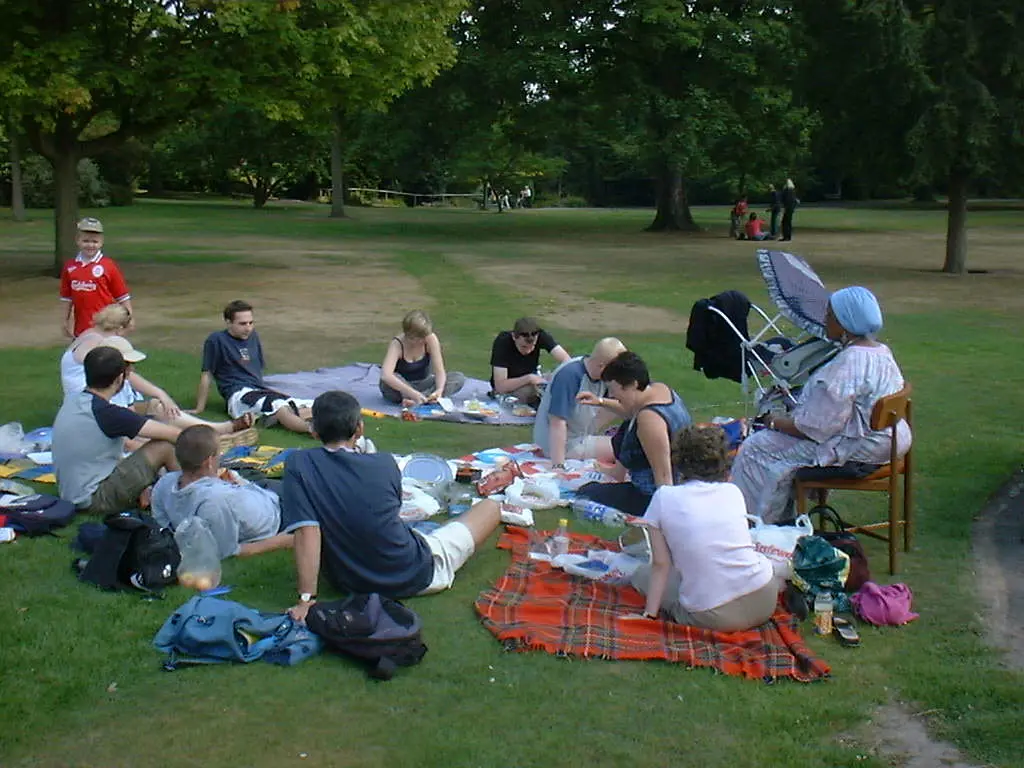
Can you have a picnic at a botanical garden?
Sometimes yes, but a botanical garden picnic is usually limited to a designated area rather than the whole property. Some gardens may require reservations for picnic spaces, and access may be limited in certain areas. If there is no picnic area, plan to eat elsewhere.
How designated picnic areas work
A designated picnic area is often the only place where a garden wants outside food, especially if it has sensitive plantings or crowded walkways. The wording can be very specific; for example, some sites allow picnicking only in the Clay Family Picnic Pavilions. That kind of rule leaves little room for guesswork.
Whether tables, pavilions, or reservations are required
Do not assume picnic tables are open seating. Some gardens have fixed tables, some have pavilions, and some ask visitors to reserve spaces ahead of time. If you are visiting with a group, a stroller, or mobility devices, check whether the picnic zone has enough room to settle in without blocking traffic.
What to do if the garden has no picnic zone
If the garden does not list a picnic area, plan on snacks only if they are allowed, or buy food on-site. A café, food kiosk, or nearby off-site lunch spot is safer than trying to eat on a bench or lawn that is not meant for picnicking. That is where people get redirected.
Where you can eat: outdoor grounds, picnic pavilions, and indoor spaces
Where you eat matters as much as what you bring. Botanical gardens often split outdoor grounds, picnic pavilions, and indoor exhibits into separate food rules, and those rules can be strict. If the garden says food is limited to one zone, stay in that zone and finish eating before moving on.
| Area | Typical food rule | What to expect |
|---|---|---|
| Outdoor grounds | Snacks may be allowed in approved outdoor areas | Good for sealed snacks, water, and short breaks if the garden permits them |
| Picnic pavilions | Usually the approved place for a full picnic | May have tables or covered seating; some require reservations |
| Indoor exhibit spaces | Food and beverages are often not permitted | Includes conservatories, galleries, and special collections areas |
Outdoor grounds and lawn areas
Outdoor grounds can be more flexible, but only if the garden says they are. Even then, stay away from beds, borders, and high-traffic walkways. Eating near plants may seem harmless, but crumbs, wrappers, and spills attract pests and create extra cleanup for staff.
Picnic pavilions and tables
Picnic pavilions are the safest choice when the garden allows outside food. They contain the mess, keep guests out of planted areas, and make it clear where eating belongs. If a pavilion is available, use it instead of spreading out on a random lawn or bench.
Conservatories, galleries, and other indoor exhibits
Indoor exhibit spaces are usually stricter than outdoor grounds because they protect collections, humidity levels, and fragile display areas. Food and beverages are not permitted in the Conservatory, the Mertz Library Art Galleries, and Ross Hall at some gardens. Finish snacks before entering, then store them away.
Use this yes/no checklist before you leave home
This is the simplest decision tool: decide whether you are packing snacks only, a full picnic, or no outside food at all. If the answer is unclear, treat the garden as a no-outside-food visit and plan to eat on-site or after you leave. That keeps the day calm.
Snacks only
- Check the visitor guidelines page.
- Confirm snacks are allowed in outdoor areas.
- Pack sealed, low-mess food and a closed water bottle if permitted.
- Plan to stop eating before entering any conservatory or gallery.
Full picnic
- Confirm there is a designated picnic area.
- Check whether the picnic zone has tables, pavilions, or reservation rules.
- Pack a full meal, utensils, and cleanup supplies.
- Eat only in the approved picnic spot, then clean up completely.
No outside food
- Look for an on-site café or refreshments stand.
- Skip the cooler, picnic basket, and loose snacks.
- Bring only what the garden allows, such as water if permitted.
- Plan a meal before or after your visit.
Can you bring alcohol to a botanical garden picnic?
Usually no. Outside alcohol is prohibited at some gardens, and many venues treat alcohol as a separate, stricter rule even when snacks are allowed. Do not assume wine, beer, or canned cocktails are acceptable with a picnic unless the garden states that they are allowed in writing.
Why outside alcohol is often banned
Alcohol raises safety, security, and conduct issues in places meant for family visits and plant protection. It can also complicate ticketed events and pavilion reservations. A garden may allow food while still banning alcohol completely, so do not mix the two policies in your planning.
How venue-specific bans can differ
One garden may prohibit all outside alcohol, while another may allow it only for private events or in a licensed café area. Special events can be even stricter. If you want a drink on-site, check whether the venue sells it rather than packing your own and hoping for the best.
What to do if you want a drink on-site
Look for a café, restaurant, or event service that is authorized to serve beverages. If the garden does not sell alcohol, assume it is not allowed. That is the simplest way to avoid having it confiscated or being asked to leave it in the car.
How to handle trash, compost, and leftovers
Use the bins the garden provides and clean up completely before you leave your spot. Put trash, recyclables, and compost in the right receptacles. If a site asks visitors to pack out waste, follow that rule exactly and take every wrapper, bottle, napkin, and leftover item with you.
Use the right bins when they are provided
Sort waste into the correct receptacle only if the garden provides separate containers and clear labels. Keep food scraps out of regular litter bins when compost bins are available, and do not leave recyclables on a table because they “look clean enough.” Staff still have to sort them later.
Pack out waste when required
Some gardens expect visitors to take waste home or back to the car, especially in sensitive areas or temporary event spaces. Bring a small bag for wrappers, compostable items, and leftovers so you are not stuck carrying loose trash around the grounds.
Keep food scraps away from plantings and wildlife
Even small crumbs can attract birds, ants, and other wildlife. Keep leftovers contained, wipe down your area, and leave no food behind on benches, ledges, or under tables. A clean picnic spot is a respectful one, and it reduces cleanup for staff.
What happens if you picnic outside the allowed area?
You may be asked to move, stop eating, or repack your food. In some gardens, staff will direct you to the designated picnic area; in others, they may require you to leave the food behind or take it to a café space. The more crowded or fragile the exhibit, the less flexibility you will get.
Respect plants, paths, staff directions, and other visitors
Stay on paths, avoid stepping into beds, and do not block narrow walkways with coolers, strollers, or bags. If staff point you to a specific spot, use it without arguing. Botanical gardens are built around live collections, and the rules protect both the plants and the flow of visitors.
Plan light and respectfully for family visits
Kids may need more frequent snacks, and stroller access matters on longer visits. Strollers are allowed throughout the Garden grounds at some sites, but backpacks must be worn front-facing in exhibition areas. For mobility devices, ask where you can pause to eat without blocking accessible routes.
Mixed visits need a food plan
If your day includes outdoor gardens and indoor conservatories, eat before you enter the indoor portion or wait until you return to the approved outdoor area. That avoids the awkward halfway point where food is still packed, but the next exhibit says no snacks, no drinks, and no exceptions.
Frequently asked questions
Can you bring snacks to a botanical garden?
Usually yes, but only where the garden allows them. Small, sealed snacks are the easiest choice, especially for outdoor grounds. Many gardens restrict food and beverages in indoor exhibit spaces, so snacks should be finished before entering a conservatory or gallery unless the policy says otherwise.
Can you have a picnic at a botanical garden?
Sometimes, but usually only in a designated picnic area. Some gardens require pavilions, tables, or reservations, and some do not allow full picnics at all. If the garden does not list a picnic zone, assume you need to eat elsewhere or rely on on-site food options.
Are food and drinks allowed everywhere in a botanical garden?
Visitor policies often vary by area, with outdoor spaces, picnic zones, and indoor exhibit spaces sometimes following different food rules. Food and beverages are commonly restricted in conservatories and galleries, and some gardens limit outside food to a single approved location.
Where are you allowed to eat at a botanical garden?
Usually in designated outdoor picnic areas, and sometimes in selected outdoor grounds if the policy allows it. Indoor exhibit spaces are often off-limits for food and drinks. The safest approach is to eat only where the visitor guidelines say you may, then store food away before moving on.
Can you bring alcohol to a botanical garden picnic?
Do not assume so. Outside alcohol is prohibited at some gardens and may be banned even when food is allowed. If a venue permits any alcohol at all, that rule is usually specific to the site, the event, or the service area, not the general picnic lawn.
What should you do with trash after picnicking at a botanical garden?
Put trash, recyclables, and compost in the designated receptacles if the garden provides them. If the site asks you to pack out waste, take everything with you. Keep scraps away from plantings and wildlife, and leave the picnic area cleaner than you found it.