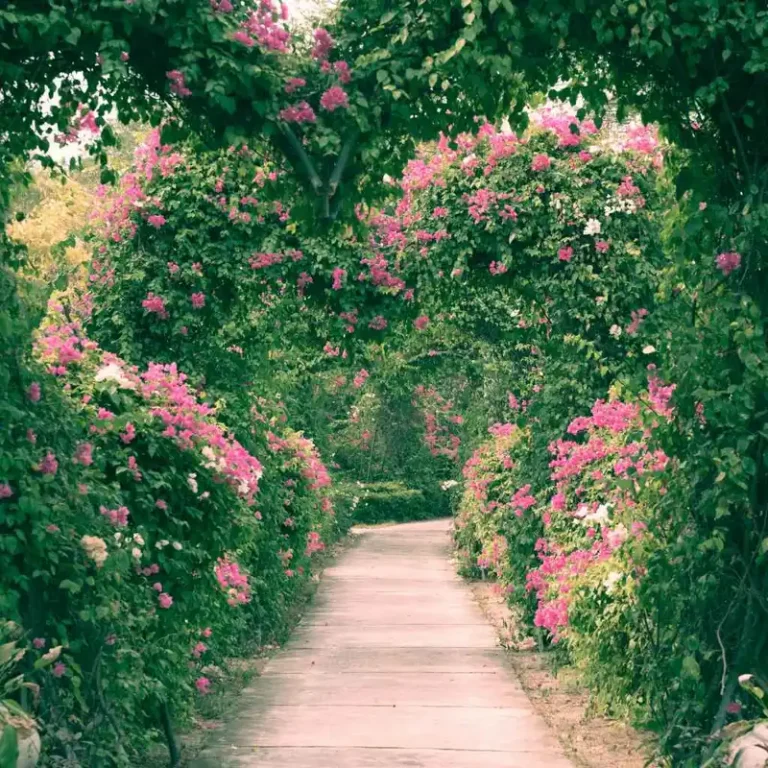
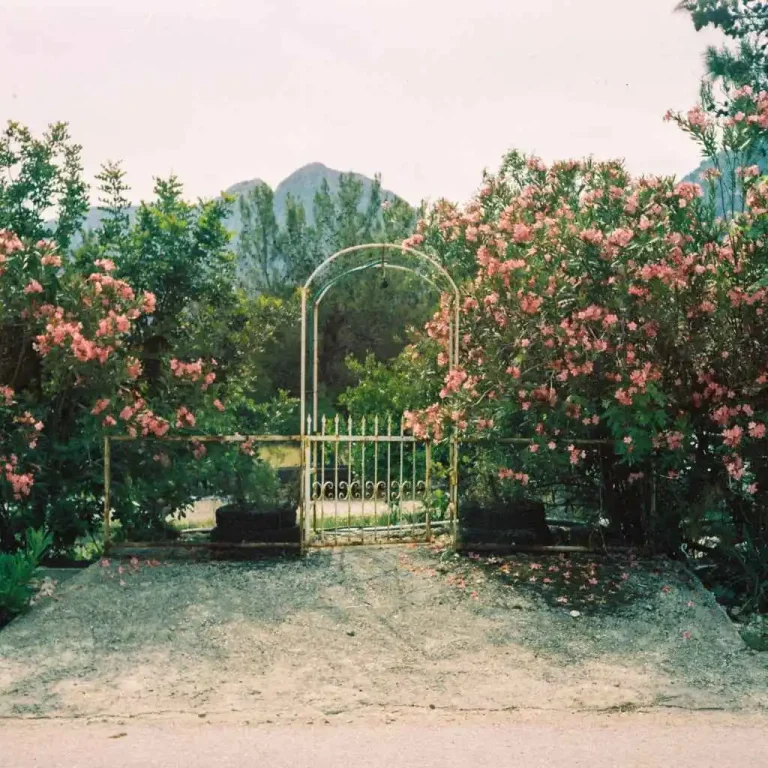
What Are the Best Botanical Garden Photo Spots to Use?
The best botanical garden photo spots are usually the top 5: shaded pathways for soft portraits, open lawns for golden-hour couples, conservatory glasshouses for weather-proof color, water features for symmetry, and flower beds at low-traffic edges for families and tripods. Start with light, then crowding. Pick wrong and you get harsh faces, empty backgrounds, or shots that fall apart when the weather turns. This guide ranks the spots by what they solve best: light, crowding, color, symmetry, and weather.
This guide is part of our Botanical garden guide series.
What makes a botanical garden photo spot worth stopping for?




The strongest photo spots solve a clear problem: softening light, giving clean backgrounds, blocking weather, or creating shape and depth. A good stop works for one frame, not just because it looks nice. That is why portrait-friendly places and wide scenic places should be ranked separately, then stitched into one route.
Rank spots by the problem they solve
Start with the shot you need. A couple portrait needs a different setting than a wide garden scene, and a tripod user needs more room than a family group. When the garden map is crowded with options, sorting by function keeps the route efficient.
Portrait-friendly backdrops versus wide landscape views
Portrait spots usually have shade, visual enclosure, and a simple background: hedges, arches, glass, or a wall of blooms. Wide views need open sightlines, distance, and layers. A lake edge, overlook, or broad lawn may look plain close up, but it gives the frame room to breathe.
How crowding, weather, and light change the score
Crowds shorten a stop’s useful window. Weather changes it again. A greenhouse often beats an outdoor bed in rain or wind, while a lake edge may look weak at noon and excellent at golden hour. The same spot can move from first choice to backup depending on those conditions.
According to cntraveler.com — Copenhagen’s botanical gardens contain more than 13,000 plant species.
The best botanical garden photo spots, ranked by shot type
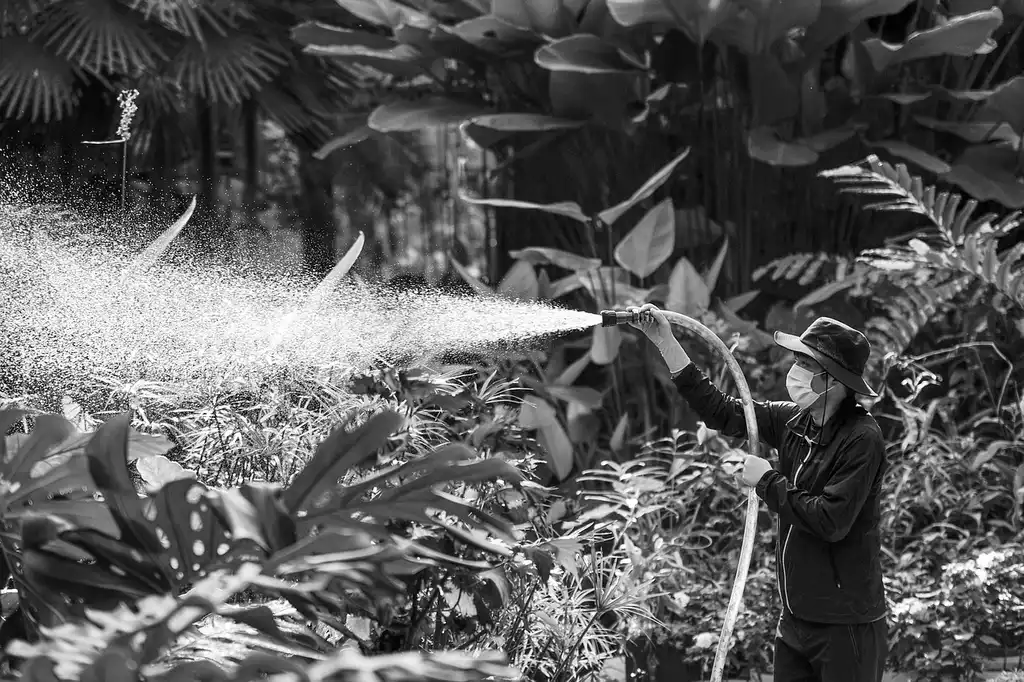
The most useful ranking is seasonal blooms for color, greenhouses for weather control, water views for reflection, signature architecture for symmetry, themed gardens for distinct visual identity, and overlooks for wide scenes. Each one solves a different framing problem, so the “best” stop depends on the image you want first.
Seasonal blooms for color-heavy portraits
Seasonal beds work when the goal is strong color density and a full-looking frame. They are most useful during peak bloom, when flowers are clustered rather than scattered. In many gardens, month-by-month planting shifts the look from spring bulbs to summer roses and late-season foliage.
Greenhouses for rain, wind, and harsh sun
Indoor glasshouses solve weather problems fast. They give controlled light, shelter from wind, and reliable color when outdoor beds are washed out or overexposed. The Copenhagen site includes historic 19th-century greenhouses, and the Palm House is a named feature there; that kind of structure usually gives the cleanest fallback when conditions turn.
Water views for golden-hour reflections
Lakes, ponds, and reflective basins are strong when the light is low and angled. They open the frame, add symmetry, and let the sky do part of the work. White Rock Lake is beside the Dallas Arboretum’s southeastern shore, which makes water-facing views especially useful near sunset.
Signature architecture for symmetry and formal portraits
Historic houses and estate facades are the most reliable choice when the frame needs structure. Straight lines, centered doors, and repeating windows help portraits feel balanced. The DeGolyer House at the Dallas Arboretum is a large historic house from the late 1930s, and it can work well for formal compositions.
Themed gardens for distinct visual identity
Themed spaces give the frame a clear subject language. Rose gardens feel classic, rhododendron areas feel dense and layered, butterfly gardens add motion, and children’s gardens create a looser family-friendly style. The Dallas grounds include A Woman’s Garden and an 8-acre Rory Meyers Children’s Adventure Garden with 17 indoor and outdoor galleries.
Viewing points and overlooks for wide compositions
Overlooks are the answer when the shot needs depth, not detail. They work for sweeping wide frames, layered planting, and garden context. A higher vantage point is also useful when the lower beds are crowded, because it shifts attention to paths, patterns, and the overall layout.
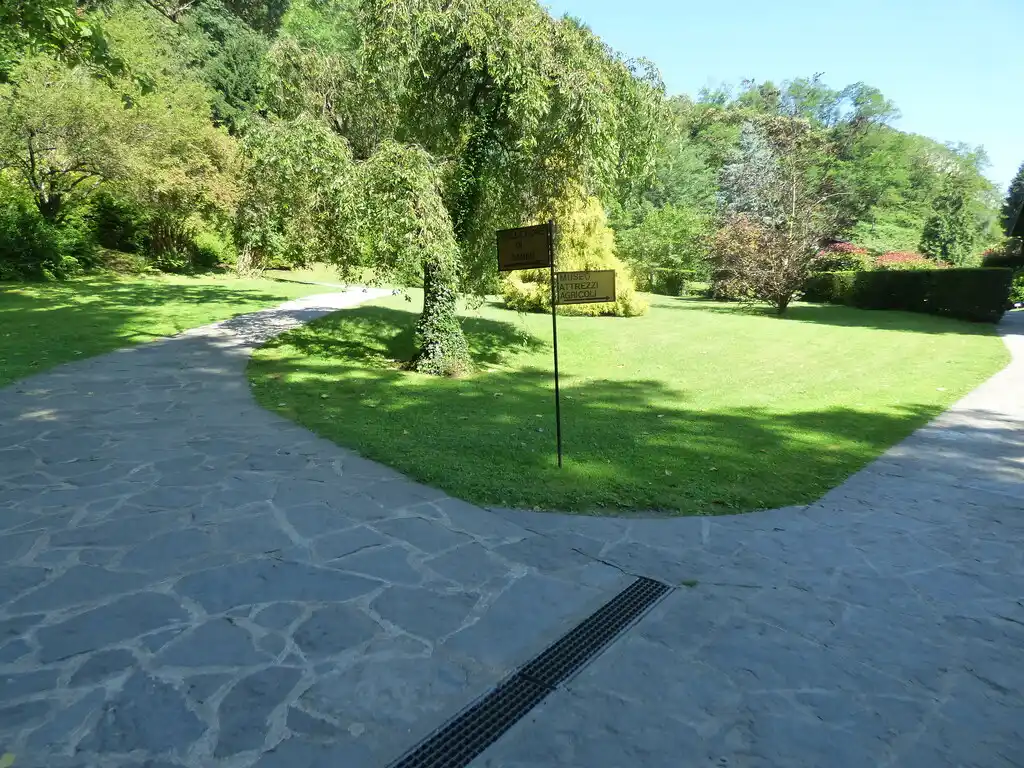
How do you choose the best spot for the light you have?

Choose the spot that matches the light instead of forcing every frame into the same place. Morning tends to be softer, midday harder, and late afternoon more forgiving. When sun, glare, or wind make outdoor beds difficult, move into shade or glass rather than waiting for conditions to improve.
Morning light
Morning works well for portraits, still water, and less crowded paths. The light is softer, shadows are shorter, and flower color reads cleanly without strong contrast. If the garden opens early, it is often the safest time to get one polished frame before foot traffic builds.
Midday sun
Midday is the hardest time for face-friendly portraits because shadows are sharp and highlights can blow out pale petals. If shooting then, look for tree cover, covered walks, or a greenhouse. If the garden has a bright white path or reflective water, step away from those surfaces to avoid glare.
Late-afternoon shade
Late-afternoon shade is often the most forgiving outdoor choice. It keeps color strong without the harsh overhead look of noon. For couples and solo portraits, a shaded edge near an open lawn gives a useful mix of soft skin tone and a brighter background.
When to move indoors instead of waiting it out
Move indoors when rain, wind, or hard sun starts to flatten the scene. Greenhouses and conservatories hold detail better than open beds under those conditions. They also protect a tight schedule, because a sheltered stop keeps the route usable instead of stalling the whole visit.
Wind, cloud cover, and glare
Wind is a problem for hair, dresses, and delicate blooms. Thin cloud cover can help by softening contrast, while glare on glass or water can ruin a clean frame. If the light is changing fast, pick a stable stop first and save open, reflective areas for later.
What should you photograph first if you have only one hour?
Start with the highest-value stop on the garden map, usually the one most likely to close, fill up, or change with light. Then move to the next closest photo stop in a tight loop. Save flexible areas like paths and lawns for the end, when time and crowd pressure are higher.
Use a short route that avoids backtracking
- Pick one anchor stop: greenhouse, signature building, or peak-bloom bed.
- Add one supporting stop nearby: water, overlook, or themed garden.
- Finish with an easy fallback: shaded path, lawn edge, or entrance planting.
- Keep moving in one direction on the map.
Save flexible spots for the end
Flexible spots are useful because they work in many conditions, but they rarely need perfect timing. A path, border bed, or open lawn can be saved for the final part of the route. That leaves the early part of the visit for the places most likely to disappear behind crowds or hard light.
Best shot type table: which spot works best for which photo?
This table is built to help a reader choose a stop quickly. It maps the common photo problem to the most useful spot, the light that flatters it, the time of day to aim for, the crowd risk, and a backup if the area is closed or out of season.
| Photo spot | Ideal subject | Lighting condition | Time of day | Crowd risk | Backup if closed or off-season |
|---|---|---|---|---|---|
| Seasonal bloom beds | Couples, solo portraits, detail shots | Soft side light, light cloud cover | Morning or late afternoon | High near peak bloom | Adjacent shrub border or entry planting |
| Greenhouse or conservatory | Portraits, rain-day sessions, tripod work | Even indoor light, rain shelter | Anytime | Medium to high | Covered walk, atrium, or interior courtyard |
| Water edge | Couples, wide scenes, reflection shots | Low-angle light, gentle sky glow | Golden hour | Medium | Near-lake path or mirrored fountain |
| Signature architecture | Formal portraits, family groups, solo frames | Open shade, balanced front light | Morning or late afternoon | Medium | Portico, terrace, or nearby stone steps |
| Themed garden | Story-driven portraits, candid family scenes | Mixed light with background depth | Late morning or afternoon | Varies by theme | Closest border bed with similar plant texture |
| Overlook or high point | Wide shots, group context frames | Clear or partly cloudy sky | Early morning or late day | Low to medium | Open lawn edge or elevated path |
How do you find blooms that are in season?
Use the garden map, planting notes, and bloom labels to see what is actually open now. Seasonal timing matters more than the general “flower season” label. If beds look sparse, patchy, or mostly green, keep moving. The strongest color backdrops usually sit inside the current bloom window, not beside it.
Use the garden map and seasonal planting notes
Entrance maps usually point to the highest-value areas first, and many gardens mark seasonal highlights near the entry. Copenhagen’s review recommends grabbing a map at the entrance, and that advice holds for most gardens. It cuts down on wandering and helps the route stay focused on what is blooming now.
Read bloom labels and month-by-month cues
Month cues matter because a garden changes quickly. Spring may bring bulbs and early shrubs, summer may shift to roses and dense borders, and late season often favors foliage and seed heads. A good photo bed should still feel full from edge to edge, not only on one side.
Avoid beds that look sparse or past peak
An empty-looking bed can still be worth a quick frame if it has shape, but it should not be the main stop. If petals are dropping and stems are visible, the backdrop will read thin. In that case, switch to a greenhouse, a water edge, or a formal facade.
Can I take family, couple, or solo photos here?
Yes, but each group should favor a different type of backdrop. Families need room and quick access. Couples usually want cleaner lines and softer light. Solo travelers and tripod users do best in places with stable footing, less traffic, and enough visual separation to keep the frame uncluttered.
Best backdrops for families
Families photograph well near children’s gardens, wide paths, lawns, and open borders with easy access. The Rory Meyers Children’s Adventure Garden is a practical fit because it mixes indoor and outdoor galleries, which helps when children need a break or the weather changes fast.
Best backdrops for couples
Couples do well at water edges, bloom tunnels, shaded walks, and estate facades. These spots create a clear subject-plus-background relationship without making the frame busy. Open shade near a reflecting pond is often more flattering than a sunlit bed packed with bright highlights.
Best backdrops for solo travelers and tripod users
Solo work needs room to set up and repeat a frame. Overlooks, open lawns, and quiet paths are easier than narrow flower borders. Tripod users should prioritize places with stable footing and a lower crowd risk, then shoot quickly before the frame is interrupted.
Which botanical garden areas have the best light and views?
The areas with the best light and views are the ones that match the day, not the ones with the loudest label. Greenhouses win in bad weather. Water edges win at sunset. Overlooks win for wide compositions. Open lawns and formal facades are strongest when you want space, balance, and a clean horizon.
Use the map to pair light with the right backdrop
On a big site like the Dallas Arboretum, which covers 66 acres and sits on White Rock Lake’s southeastern shore, the map matters because the scale creates tradeoffs. A wide site offers more options, but it also makes backtracking expensive. Pick one light-friendly area first, then move outward. (en.wikipedia.org)
Open views versus enclosed frames
Open views give depth and air. Enclosed frames give privacy and focus. A family group often looks better in an enclosed bed edge or courtyard, while a wide shot needs an overlook, lake edge, or broad lawn. If the background is busy, move to a higher or more open point.
How to keep wide shots from looking empty
Wide frames can fail when the subject is too small or the planting is thin. To avoid that, place a person, bench, path bend, or building in the foreground or middle ground. A broad scene needs a visual anchor. Without it, the photo feels unfinished.
What are the best botanical garden photo spots?
The best spots are the ones that solve a photo problem fast: seasonal beds for color, greenhouses for weather, water for reflection, architecture for symmetry, themed gardens for identity, and overlooks for scale. If the visit is short, start with the spot least likely to be crowded or closed, then build from there.
Where are the most Instagrammable spots in a botanical garden?
The most photographed areas are usually the places with a strong visual hook: glasshouses, rose gardens, estate facades, water features, and highly themed spaces such as butterfly or children’s gardens. These spots read well in a single frame because they give the viewer an immediate subject and a clear backdrop.
What time of day is best for botanical garden photos?
In my experience, morning and late afternoon are often the most forgiving times for outdoor garden photos. Morning gives softer light and fewer people. Late afternoon helps color and shape. Midday works better indoors, under shade, or near architecture that can control glare and flatten harsh contrast.
Which garden features make the best backdrops for portraits?
Portraits usually work best with shade, symmetry, and a simple background. Greenhouses, formal facades, hedge lines, shaded paths, and calm water all help the subject stand out. Busy flower beds can work too, but only when the blooms are dense enough to avoid thin or patchy negative space.
Are greenhouses good places for botanical garden photos?
Yes. Greenhouses are often the most reliable stop when weather or sun is a problem. They protect the frame from wind and rain, hold light more evenly, and give dependable color even when outdoor beds are difficult to shoot. They are especially useful for portraits and tripod setups.
How do I find blooms that are in season for photos?
Check the garden map, seasonal labels, and month cues at the entrance before committing to a route. Look for beds that appear full from edge to edge, not just one bright patch in a larger sparse area. If the flowers are fading or thin, move to a greenhouse or another planted zone.
What should I photograph first in a botanical garden?
Photograph the hardest-to-repeat stop first: peak bloom, a greenhouse, a signature house, or a water view at the right light. Those are the spots most likely to change with crowding or sun. Flexible areas like paths and lawns can wait until the end of the visit.
Can I take family photos at a botanical garden?
Yes. Family photos usually work best in open, easy-to-reach areas with room to regroup, such as children’s gardens, lawns, and broad paths. A greenhouse can be a smart backup if weather turns. For larger groups, avoid narrow beds where everyone has to stand in a tight line.
What photo spots should I prioritize if I only have one hour?
Prioritize one anchor stop, one nearby support stop, and one fallback. The anchor should be the most valuable frame on the map, often a greenhouse, peak bloom bed, or estate facade. Then move in one loop, saving open lawns and general paths for the last few minutes.