Gardening Techniques for Fall Planting Success
For fall planting success, a common rule of thumb is to count back about 6 to 10 weeks from your first frost date. The USDA Plant Hardiness Zone Map is useful for broad climate context, but local first-frost timing matters more for planting decisions. Pick crops that finish in that window or handle cold weather, and add row cover or low tunnels when nights are near 40°F or below. Plant too late, and fast crops stall, roots stay small, and tender seedlings can fail at the first hard freeze. This guide shows how to match crop choice, frost timing, and protection so your fall beds still pay off.
Which fall crops should you plant first?


Start with crops that either keep growing in cool weather or finish fast enough to beat your frost date. Leafy greens, many root crops, garlic, and onion sets fit that pattern better than warm-season vegetables. If your window is short, favor fast crops and transplants over slow seed starts.
Cool-season crops that keep going
Kale, spinach, Brussels sprouts, Swiss chard, and arugula are the core fall choices for many gardens. Cool weather often improves flavor or keeps growth moving without summer heat stress. The Old Farmer’s Almanac and local extension guidance both emphasize that fall planting windows vary by region, so these crops usually go in late summer to early fall depending on zone and first frost date.
Spinach and arugula are the quickest fits in a shrinking season. Kale and Swiss chard can keep producing through light frost, while Brussels sprouts need more time and work best when your first frost date leaves extra weeks for size gain.
Root vegetables that can stay in the ground
Carrots, beets, radishes, and turnips are useful because many can remain in the soil after maturity, especially when you add mulch or harvest as needed. Radishes are the speed exception. Some varieties can be ready in 3–4 weeks, while carrots and beets usually need more time to size up.
A common first-timer mistake is sowing carrots into soil that has already cooled and crusted after rain. Germination can slow sharply, so the seed sits too long and the bed dries or compacts. Radishes are the safer choice when you need proof of success before the weather turns.
Garlic and onion sets for overwintering beds
Garlic is planted in fall as cloves and overwinters for a summer harvest. Many extension services recommend planting garlic after the first light frosts but before the ground freezes hard, with mulch added after planting to buffer winter swings. Onion sets are the other useful allium option when fall timing is tight, because they can overwinter for early spring bulbs and are often easier to schedule than direct-seeded onions.
Use garlic and onion sets in beds you can leave in place for months. They are not quick harvest crops, but they are one of the cleanest ways to keep a bed productive after summer crops finish.
What are the best fall vegetables for my zone?
The best fall vegetables depend on how long your season stays warm after the first frost window begins. In colder zones, prioritize fast greens and roots; in moderate zones, add brassicas and longer-season crops; in warmer zones, you can stretch into more successive sowings. Zone is a starting point, but your local first-frost date is the deciding clock.
Zone-based planting guide
Use this section as a quick match between USDA zone group, likely first-frost window, and the crop styles that fit best. Regional weather shifts can move these windows earlier or later, so treat the dates as examples and confirm with a local first-frost calculator or extension forecast.
| USDA zone group | Example first-frost window | Best fall crops | Best planting choice |
|---|---|---|---|
| Zones 3-5 | Late August to mid-September in many areas | Spinach, arugula, radishes, lettuce, turnips, baby kale, garlic for overwintering | Direct sow fast crops early; use transplants for kale and chard; row cover or cold frame for cold snaps; mulch garlic and overwintering roots |
| Zones 6-7 | Mid-September to late October in many areas | Spinach, kale, Swiss chard, carrots, beets, cabbage-family crops, garlic, onion sets | Direct sow greens and roots; transplant brassicas for a head start; row cover for early frosts; mulch for garlic and in-ground roots |
| Zones 8-10 | Late October to December in many areas | Lettuce, spinach, arugula, carrots, beets, broccoli, cabbage, garlic in cooler inland spots | Direct sow repeated successions; transplant brassicas if heat is still lingering; row cover for rare freezes; mulch for soil moisture and later cold snaps |
How do you time fall planting?
The cleanest timing method is to work backward from your first frost date, then compare that date with days to maturity and your local soil temperature. Fast crops may still work late in the season, but slow crops need a head start. Cornell Cooperative Extension and other regional guides consistently point to local frost timing as the practical starting point for fall planning, since climate shifts can move the calendar from year to year.
Use your first frost date first
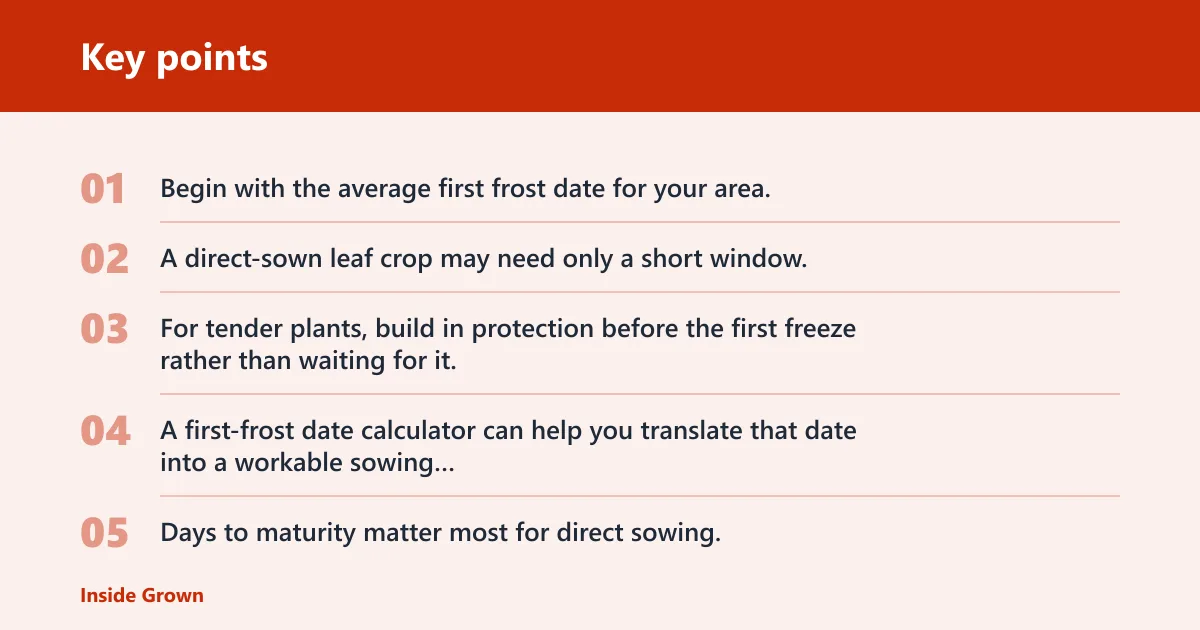
Begin with the average first frost date for your area, then count backward based on crop type. A direct-sown leaf crop may need only a short window, while broccoli-family crops or Brussels sprouts need more lead time. For tender plants, build in protection before the first freeze rather than waiting for it. A first-frost date calculator can help you translate that date into a workable sowing window.
Match days to maturity to the sowing window
Days to maturity matter most for direct sowing. If a packet says 30 to 45 days, that crop can fit a later slot than one that needs 70 days or more. Add several days for slower fall growth, because shorter days and cooler soil stretch the calendar even when the crop still survives.
Picture a zone 6 garden with a first frost in mid-October. A late-August sowing of radish, spinach, and lettuce can still work with row cover, but a late sowing of Brussels sprouts from seed usually misses the window. The crop choice, not just the date, decides whether the bed succeeds.
Adjust for zone and local soil temperature
Zone matters, but soil temperature matters too. A bed that stays warm after a sunny spell can support germination longer than a shaded bed with wet, cool soil. If your garden gets only 4 to 5 hours of sun, leafy greens are a better bet than sun-loving crops. Most vegetables need at least 6 to 8 hours of direct sunlight per day, according to common extension recommendations.
Fall planting also works best in a bed with reliable drainage. Raised beds drain quickly and are often easier on the back, which matters when rain comes more often in autumn. Pathways should leave beds no more than 4 feet wide so you can reach the middle without stepping on the soil. If your bed layout needs a refresh, a raised beds guide can help you decide whether to rebuild, resize, or simply improve what you already have.
Fall planting decision table

This table turns frost date, crop group, and protection method into a simple decision system. Use it to choose what to sow, what to transplant, and what needs protection from the start.
| Crop group | First-frost timing | Rough sowing window | Protection needed | Common failure point |
|---|---|---|---|---|
| Spinach, arugula, lettuce | About 4 to 8 weeks before frost | Late summer to early fall | Light row cover for cold snaps | Slow germination in cooling soil |
| Kale, Swiss chard | About 4 to 6 weeks before frost | Late summer to early fall | Row cover if frost arrives early | Planting too late for usable size |
| Brussels sprouts | Needs the longest lead time | Mid-summer to very early fall, depending on zone | Usually a transplant crop; row cover for cold snaps | Heads do not size up before hard frost |
| Carrots, beets, turnips | About 4 to 10 weeks before frost | Late summer to early fall | Mulch for harvest extension and in-ground storage | Crusted soil, uneven germination, or crowded roots |
| Radishes | As little as 3 to 4 weeks before frost for fast types | Very late summer to early fall | Usually none unless a hard freeze is near | Oversowing leads to woody roots |
| Garlic | Plant after summer heat eases | Fall, before the ground freezes | Mulch for winter insulation | Planting cloves too shallow or too late |
| Onion sets | Fall in mild to moderate climates | Early to mid-fall | Mulch if winter cold is severe | Using seed when timing is already tight |
Choose-your-path fall crop table
Use this version when you want a more practical decision tree. It adds maturity range, frost tolerance, planting method, and the failure point most likely to stop the crop from paying off before winter.
| Crop group | Days to maturity range | Frost tolerance | Sow or transplant? | Protection threshold | Most common failure point |
|---|---|---|---|---|---|
| Spinach, arugula, lettuce | 20 to 50 days | Light frost tolerant | Direct sow | Use row cover when nights trend toward freezing or growth slows sharply | Seedlings stall in cool, wet soil |
| Kale, Swiss chard | 40 to 70 days | Light to moderate frost tolerant | Transplant or direct sow early enough | Cover when an early frost arrives before plants size up | Planting too late to harvest meaningful leaves |
| Brussels sprouts, broccoli, cabbage | 60 to 100 days | Moderate frost tolerance once established | Transplant | Protect below a hard frost window or when extended cold settles in | Not enough lead time for heads or florets to develop |
| Carrots, beets, turnips | 30 to 80 days | Moderate frost tolerance | Direct sow | Mulch when frost will arrive before full size or when in-ground storage is the goal | Crusted seedbed, thin stands, or crowded roots |
| Radishes | 20 to 35 days | Moderate frost tolerance | Direct sow | Usually only when a hard freeze is forecast | Leaving roots too long until they get woody |
| Garlic | About 240+ days overall, with fall root establishment before winter | Cold hardy once mulched | Plant cloves | Mulch after soil cools and before severe freeze cycles start | Planting too shallow or missing the fall root-building window |
| Onion sets | Varies by climate and overwintering plan | Moderate to good cold tolerance in suitable zones | Set in place | Mulch if winter exposure is severe or soil heaves | Trying to start from seed when the fall window is already too short |
How do you prepare beds for fall planting?
Clear the bed first, then improve it, then plant. Remove spent summer crops and weeds, check drainage, and add compost if the soil looks tired or compacted. Fall prep is about resetting the bed fast enough to catch the remaining warm soil, not waiting for perfect conditions.
Remove spent summer crops and weeds
Pull finished tomatoes, beans, cucumbers, and any diseased debris before replanting. If plants are healthy, chop them and add them to the compost pile. If they show disease, discard them instead. A clean bed gives fall crops more light, less competition, and fewer places for rot to start. If you need a refresher on material handling, a composting guide can help you sort what can be reused from what should be removed.
Add compost before planting
Compost can improve fertility and soil structure, and fall is a good time to work it in. Spread a modest layer over the bed before sowing or transplanting, or after cleanup if the bed will rest over winter. That keeps the bed active without relying on heavy feeding later.
Do you need to add compost before fall planting? Usually yes, if the bed was heavily cropped or the soil has become thin and crusted. If the soil already drains well and still feels loose, a lighter topdress may be enough. The point is to support fall root growth without burying seedlings in coarse organic matter.
Check drainage and soil texture
Wet-cold soil can be the difference between a thriving fall crop and a stalled one. If water pools after rain, choose a raised bed, mix in compost, or plant crops that tolerate damp conditions better. Good drainage matters even more in autumn because cool temperatures slow drying and can invite rot.
When should you sow, transplant, or mulch?
Direct sow fast crops, transplant crops that need a head start, and mulch once roots or overwintering beds are in place. That split keeps you from wasting time on seeds that will not mature and from leaving exposed soil unprotected when the season turns cold.
Direct sowing for fast crops
Direct sow radishes, spinach, arugula, and many carrots when your frost clock still leaves enough weeks for growth. Direct seeding is the right move when the crop matures quickly and transplant shock would only slow it down. Keep the seedbed evenly moist until germination.
Transplants for crops that need a head start
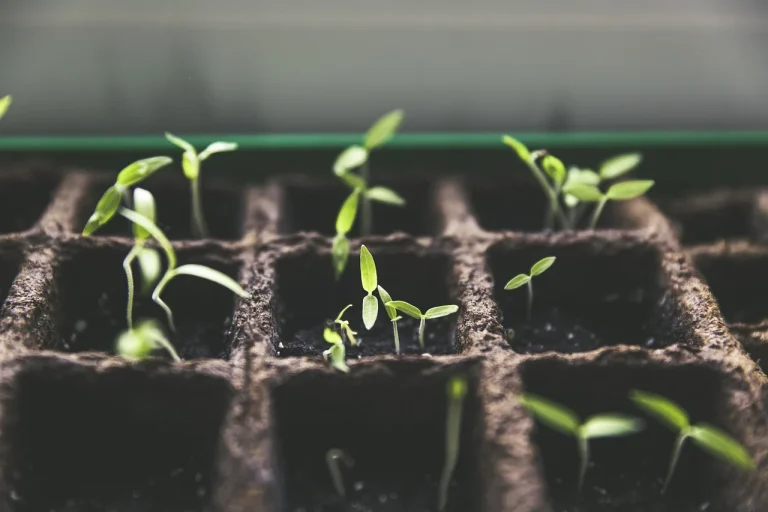
Use transplants for crops with longer days to maturity, such as kale, Swiss chard, and Brussels sprouts, when the fall window is already narrow. A transplant starts closer to harvest and gives you a better chance of beating cold weather. Set them into well-watered soil and protect them from bright, drying wind.
Mulch placement for roots, perennials, and empty beds
Mulch helps protect roots and soil over winter, especially around perennials, trees, and beds that will sit bare after harvest. It buffers temperature swings and helps retain moisture. For root crops left in the ground, a loose mulch layer can make harvesting easier after light freezes. A mulch types guide can help you match the material to the job instead of using the same cover everywhere.
Which protection method fits the crop?
Row covers, cold frames, and mulch solve different problems. Use row covers for light frost and short cold snaps, cold frames for stronger protection and gradual hardening, and mulch for soil temperature swings and overwintering roots. The crop and the weather should decide the tool, not habit. University extension guidance generally treats row covers as short-term frost protection and cold frames as a stronger season extender.
Row covers for light frost and short cold snaps
Row covers are lightweight fabric covers used over tender crops to extend the harvest. They are the easiest protection for leafy greens, small transplants, and beds that only need a few extra degrees of safety on cold nights. Secure the edges so wind does not lift the fabric. If you are building a setup from scratch, a row covers guide can help you choose the right weight and fastening method.
Cold frames for stronger protection and hardening off
Cold frames protect tender crops from cold and wind and help harden crops gradually. They are the better choice when nights stay colder for longer, or when you want to slow the transition for seedlings and greens. Open the frame on warmer days so moisture does not build up inside. A cold-frame setup guide can help you place and vent it so plants do not cook on sunny afternoons.
Mulch for roots and overwintering beds
Mulch is the right tool for garlic, onions in overwintering beds, and root crops meant to stay in the ground. It insulates the soil more than it protects leaves. Use it after the soil has started to cool, not immediately after sowing every crop, or you can slow germination too much. When garlic is the goal, a garlic planting guide can help you time clove spacing and mulch depth more confidently.
Suppose a bed of kale is already established and a cold front is due in two nights. Row cover is usually enough. Suppose the same bed is small, tender, and you want to keep it going deeper into fall. A cold frame gives more protection, but it needs more venting and closer monitoring.
What should you do with beds after summer crops finish?
Once a summer crop finishes, do not leave the bed idle unless you plan to mulch it heavily. Plant cover crops for winter soil building, or replant with a fall crop if the frost date still gives you time. The bed should either keep growing or go into winter covered.
Choose winter rye or clover for open beds
Cover crops such as winter rye and clover are planted after cleanup to improve beds over winter and reduce erosion. Winter rye is a strong choice when you want a dependable ground cover. Clover works well when you want living cover that also feeds the soil structure over time.
Decide when to leave beds bare and mulched
If the bed will not be planted again and a cover crop is not practical, cover it with mulch instead of leaving it exposed. That protects soil from rain, wind, and temperature swings. Bare soil loses structure faster and is more likely to crust before spring planting.
Do not forget water. Fall gardens still need moisture, especially right after sowing and before a freeze. Dry seedbeds fail just as often as wet-cold ones, and both problems get worse when days are shorter and growth slows.
Frequently asked questions
What can I plant in my garden in the fall?
Choose cool-season crops first: spinach, arugula, kale, Swiss chard, and quick roots like radishes. Garlic and onion sets also fit fall schedules because they overwinter. If your frost window is short, use transplants for slower crops and reserve direct sowing for the fastest greens and roots.
When should I plant for a fall harvest?
Count backward from your first frost date, then adjust for days to maturity and cooling soil. Fast greens may fit a later sowing, while Brussels sprouts and similar crops need much more lead time. If nights are already dropping and the soil stays cold, transplanting is safer than seed.
How do I prepare soil for fall planting?
Remove summer debris, pull weeds, and loosen the bed if it has crusted or compacted. Add compost if the soil needs more structure or fertility, then check drainage before you sow. Fall planting works best in loose soil that can absorb water without staying soggy after rain.
Do I need to add compost before fall planting?
Usually yes, especially if the bed was heavily used in summer or the soil looks thin. Compost helps fertility and structure, which matter more when cool weather slows root growth. If the soil already feels loose and balanced, a lighter topdress may be enough before planting.
Which fall crops handle light frost best?
Kale, Swiss chard, spinach, and arugula are among the best light-frost performers. Many root crops also tolerate cool nights, and some can stay in the ground after maturity. Tender transplants need row cover or a cold frame sooner, because frost can damage them faster than it damages established greens.
Should I use row covers or cold frames for fall vegetables?
Use row covers for short cold snaps, light frost, and larger beds that need quick protection. Use cold frames when the weather turns colder for longer or when you want stronger wind protection and gradual hardening. Mulch is better for roots and empty beds than for leafy crops that still need light.
Can I plant garlic in the fall?
Yes. Garlic is one of the standard fall crops, and it is planted as cloves, not seed. Set it in before the ground freezes, then mulch the bed to buffer winter temperature swings. It will overwinter and give you a summer harvest the following year.