
Gardening Techniques for Preparing Garden Beds in Fall
Choose fall bed prep by what is in the bed and how hard winter hits: clean, top-dress, and mulch empty beds; keep productive beds lightly protected; remove and trash diseased debris before anything else. Clean too hard or too little, and you spread disease, lose topsoil, and leave crowns or roots exposed to winter damage. This guide shows how to choose the right fall bed-prep method by bed type, residue risk, and winter severity.
What you’ll need


- Finished compost
- Mulch or shredded fall leaves
- Row cover or frost cloth
- Cold-frame or hoophouse materials
- Gloves, pruners, rake, and hoe
- Trash bags or a bin for diseased debris
Which fall bed prep should you use?
Start with bed type, then factor in residue risk and winter severity. Empty beds can be reset to protect soil. Productive beds usually need light coverage and access. Spent or diseased beds need the cleanest cut: remove infected material, then rebuild the surface with compost and mulch only after cleanup.
Fall bed prep decision table
| Bed type | Mild winter | Frost-prone winter | Hard-freeze winter |
|---|---|---|---|
| Empty bed | Remove weeds, top-dress with 1 to 2 inches of finished compost, then leave open or add a light mulch layer. | Remove weeds, add compost, then cover with 2 to 3 inches of mulch or shredded leaves. | Remove weeds, add compost, mulch 2 to 3 inches, and cover with row cover, frost cloth, or a cold frame if soil is exposed or windy. |
| Productive bed | Keep harvesting, remove seed heads, then use row cover if frost threatens tender crops. | Harvest often, add a light mulch between plants, and drape frost cloth over the bed at night. | Use frost cloth or a hoophouse for colder stretches; keep the bed active only if the crop can handle the temperature drop. |
| Spent or diseased bed | Remove all diseased debris, trash it, then reset the bed with compost and mulch. | Remove diseased material first, do not compost it, then top-dress and mulch after cleanup. | Clear infected debris and root balls, trash them, then cover the cleaned bed only after the surface is reset. |
How do you prepare an empty bed for winter?
For an empty bed, clear weeds and seed heads, then rebuild the surface so rain and freeze-thaw cycles do less damage. In mild climates, you can leave the bed open after compost. In harsher climates, finish with mulch and a cover to hold the soil in place.
- Pull fall weeds before they set seed and remove any seed heads that can drop into the bed.
- Clear healthy annual residue or chop it finely if the crop was clean and pest-free.
- Top-dress with 1 to 2 inches of finished compost to improve soil structure over winter.
- Add 2 to 3 inches of mulch or shredded fall leaves, keeping it off stems and trunks.
- Leave the bed open only if winter is mild and the soil is stable; otherwise add row cover, frost cloth, or a cold-frame top.
Say your 4×4-foot bed held beans and lettuce, and both crops finished cleanly in October. In a mild area, a compost top-dress plus leaf mulch may be enough. In a windy site with hard freezes, the same bed needs a cover so loose soil does not dry out and blow away.
How do you handle spent or diseased beds?
Spent or diseased beds need the most careful cleanup. Remove infected debris, do not compost it, and put it in the trash so pests and disease are less likely to overwinter in the bed. After the debris is gone, reset the soil surface with compost and mulch if the bed is otherwise clean.
- Pull all diseased plant debris and root balls from the bed.
- Bag the material and put it in the trash instead of the compost pile.
- Rake out fallen leaves, stems, and seed heads that could shelter pests or spores.
- Top-dress the cleaned bed with finished compost, then mulch it.
- Use covers only after the bed is clean, since a cover can trap trouble under it if debris remains.
A common first-timer mistake is to chop tomato vines into the bed after blight shows up on the leaves. That keeps the infected residue in place. Remove the vines whole, dispose of them, and wait until the bed is clean before adding compost or a winter cover.
How should you water, mulch, and cover beds?
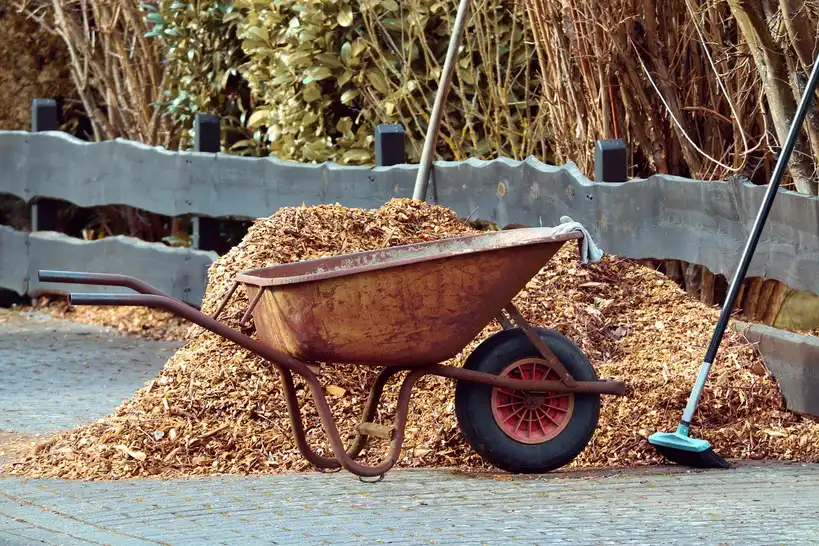
Watering, mulching, and covering do different jobs. Water through fall until the ground freezes, especially for trees, shrubs, and new plantings, because dry roots are more likely to desiccate. Mulch buffers soil temperature. Covers protect tender crops and hold in heat and moisture when frost is the main problem.
- Keep watering new plantings and woody plants until the ground freezes.
- Apply mulch in a 2 to 3 inch layer, but keep it away from stems and trunks.
- Drape row cover or frost cloth over active beds and weigh it down so wind cannot lift it.
- Use a cold frame or hoophouse for colder climates and tender crops that need more than a simple cover.
- If the soil has opened after settling, add another 1 inch of mulch and recheck coverage after a storm.
Suppose a bed still holds spinach and carrots in a frost-prone zone. A light mulch between rows plus frost cloth at night can keep the bed usable longer. If a hard freeze is forecast, move to a cold frame or hoophouse instead of leaving the crop exposed under a loose cover.
How do you compare no-dig, sheet-mulch, and in-ground reset approaches?
No-dig, sheet-mulch, and in-ground reset are three different ways to finish fall work. No-dig keeps soil disturbance low. Sheet-mulch builds on top of the bed with layered organic matter. In-ground reset clears and reworks the bed more directly, which suits beds with compaction, residue, or poor drainage.
No-dig
Use this on empty or lightly planted beds with clean residue. Remove weeds, top-dress with finished compost, then mulch. It fits beds that already drain well and do not need turning.
Sheet-mulch
Use this when you want to add surface layers without digging. Austin Organic Gardeners describes lasagna gardening as sheet composting and no-dig gardening. Layer compost, leaves, and mulch over a cleared bed, then let winter settle the material.
In-ground reset
Use this when soil has hardened or the bed needs a fresh start before winter planting. Eden Garden advises tilling hardened soil before the first frost. Keep the work light, then finish with compost and mulch so the surface does not stay bare.
How do you prepare a new raised bed for winter?
For a new raised bed, the goal is to avoid overfilling costs while still creating a stable winter surface. Build only as much height as the frame needs, use compost and organic matter near the top, and cover the bed so winter rain does not beat the mix down.
- Set the frame and fill it with a base layer that does not exceed the bed height you actually need.
- Use finished compost and other organic matter near the top instead of paying for extra fill across the full depth.
- Water the bed so the material settles before the first freeze.
- Top with mulch or shredded leaves to protect the surface from crusting and erosion.
- Cover the bed if winter is windy, snowy, or repeatedly freezing and thawing.
For a manageable starting size, a 4×4-foot garden bed keeps fill and mulch needs reasonable. If you plan spring vegetables, remember that many need about 6 to 8 hours of direct sunlight daily, so place the new bed where winter shade will not block the next season’s crop plan.
Common mistakes
The most common errors are cleaning too aggressively, leaving diseased debris in place, and covering beds that still need airflow. Another frequent miss is mulching too close to stems or trunks. Keep the layer off plant bases, and do not use compost to bury infected material.
- Do not compost diseased debris.
- Do not leave weed seed heads for spring germination.
- Do not bury crowns, stems, or trunks under mulch.
- Do not cover a dirty bed and call it finished.
- Do not stop watering woody plants too early in fall.
Frequently asked questions
How do I prepare garden beds for fall?
Sort the bed first by condition: empty, productive, or spent and diseased. Remove weeds and seed heads, add 1 to 2 inches of finished compost to cleared soil, then mulch 2 to 3 inches if winter is coming hard. Use row cover, frost cloth, or a cold frame only when the bed needs extra protection.
Should I add compost before winter?
Yes, if the bed is cleared and clean. A 1 to 2 inch layer of finished compost helps improve soil structure over winter and gives the bed a better surface for spring. Skip it on diseased residue until the infected material is out of the bed and in the trash.
Do I need to remove plants before fall cleanup?
Remove spent annuals, weeds, and anything diseased. Keep healthy residue only when you are using a no-dig or sheet-mulch approach and the crop was clean. Diseased debris should leave the bed entirely, because it can hold pests and disease through winter.
How thick should mulch be in fall garden beds?
Use a 2 to 3 inch layer. Keep it away from stems and trunks so moisture does not sit against the plant base. Shredded fall leaves work well as mulch, especially in beds that need winter cover without heavy material.
Should I cover garden beds for winter?
Cover beds that hold tender crops, loose soil, or exposed surface material, especially in frost-prone or hard-freeze climates. Row cover and frost cloth help conserve heat and moisture. Cold frames and hoophouses are better for colder areas where you want longer season protection.
When should I stop watering garden beds in fall?
Keep watering until the ground freezes. That matters most for trees, shrubs, and new plantings, because dry soil can pull moisture away from roots. Once the soil is frozen, watering stops until thaw returns.
What can I plant in fall after prepping beds?
After bed prep, you can plant cool-season crops or spring bulbs if your timing fits the climate. Eden Garden advises planting spring bulbs in October in cooler areas. For vegetables, choose crops that can handle the sunlight and temperature you still have left in the season.