How Roots, Stems, and Leaves Work Together
Roots take up water and dissolved minerals, stems move water through xylem and sugars through phloem, and leaves use light, carbon dioxide, and water to make sugars that drive growth. If any one part fails, the plant slows, wilts, or starves. This guide explains how each organ works and how the transport system links them.
Roots, stems, and leaves at a glance
Plants function as one connected system. Roots absorb water and mineral nutrients from soil, stems hold the plant upright and move materials, and leaves capture light and exchange gases through stomata. Growth depends on constant exchange among all three, not on any one part acting alone.
What each part does in simple terms
Roots anchor the plant in soil and absorb water and dissolved minerals. In many species, roots also store carbohydrates for later use. Stems support leaves and flowers, then move water upward and sugars to growing tissues. Leaves make sugars through photosynthesis and regulate gas exchange through stomata.
Why plants need all three to survive
A plant can lose function fast if one organ is damaged. Without roots, water uptake drops. Without stems, transport and support fail. Without leaves, sugar production falls and the whole plant runs short on energy. Survival depends on the loop between intake, movement, and sugar production.
The basic flow of water, sugars, and minerals
Water and minerals move from soil into roots, then upward through xylem in the stem and leaf veins. Leaves use that water, plus carbon dioxide from air and light energy, to make glucose. Phloem then carries sugars from leaf “source” tissues to “sink” tissues such as root tips, shoot tips, fruits, and seeds.
How roots get water and minerals
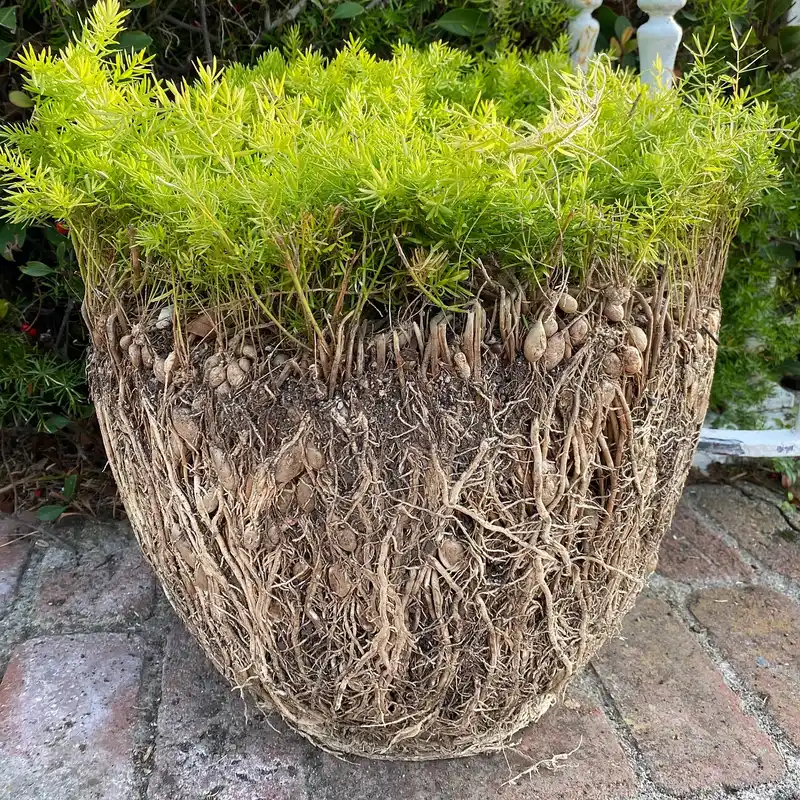
Roots absorb water and mineral nutrients from the soil, and root hairs help make that uptake more effective. They also anchor the plant, which matters because the rest of the system depends on a stable base that can keep drawing in water as conditions change.
Root hairs and absorption area
Root hairs are fine extensions of root epidermal cells. Their job is simple: increase surface area so the root can contact more soil water and dissolved ions. That matters most in dry soil or soil with low nutrient availability, where every bit of extra contact helps.
How roots anchor the plant
Anchoring keeps the shoot steady while the vascular system moves water and sugars. A loose or damaged root system cannot hold the plant in place or maintain steady intake. That makes the whole plant more likely to wilt, tip, or stall during heat or wind.
When root damage limits growth
Root injury reduces uptake first, then growth slows because the leaves no longer receive enough water to keep stomata open and photosynthesis running well. Transplant shock, root rot, compacted soil, and rough digging can all cut the absorbing surface and weaken the supply chain.
Suppose a tomato seedling is moved from a small pot into dry garden soil on a hot afternoon. If the root ball is disturbed and root hairs are torn, the plant may droop within hours even though the stem is still upright. The issue starts below ground, where intake has been reduced.
How stems move materials through the plant

Stems do more than hold leaves up. They contain xylem and phloem, which carry water, minerals, and sugars between roots, leaves, and growth points. A stem that is bent, cut, or crushed can interrupt that movement even if the plant still looks partly intact.
Xylem and phloem inside the stem
Xylem transports water and dissolved minerals, mostly upward from roots toward leaves. Phloem transports sugars and other organic compounds from source tissues to sink tissues. These are separate pathways, and it helps to keep them distinct when reading symptoms or deciding how to water and prune. (Wikipedia)
Why stems support leaves and flowers
Support matters because leaves need exposure to light and flowers need access for pollination and fruit set. A stem holds those organs in position while also moving materials through internal tissue. If the stem collapses, transport and support fail together.
What happens when a stem is cut or bent
A clean cut can stop xylem and phloem flow above the injury. A bent stem may still move some water, but the conducting tissue can be pinched enough to slow transport. The plant may wilt above the damage, then show slower growth or fruit drop if the blockage persists.
Picture a basil plant with a snapped stem near the top. The lower leaves may still look fine for a short time, but the upper part can wilt first because water cannot move past the break. New growth above the injury also suffers because sugars cannot travel normally.
How leaves make sugars and lose water
Leaves capture light for photosynthesis, exchange gases through stomata, and lose water through transpiration. They are the plant’s main sugar factory, but they are also a major water-loss site, so leaf function sits at the center of both energy supply and water control.
Photosynthesis in plain language
Photosynthesis uses light, water, and carbon dioxide to make glucose and oxygen. The glucose becomes the main energy source for growth, repair, storage, and reproduction. Leaves supply much of that sugar, then phloem moves it to root tips, shoot tips, fruits, seeds, and storage tissue.
Stomata and guard cells
Stomata are tiny pores, mostly on leaf surfaces. Guard cells open and close those pores to balance carbon dioxide intake with water loss. When stomata open, photosynthesis can proceed more easily. When they close under stress, carbon dioxide entry falls and growth can slow.
Transpiration and why it matters
Transpiration is water evaporation from leaves. It helps create a pull that moves xylem sap upward from roots through stems to leaves. Transpiration usually rises with heat, wind, and low humidity, which can increase water demand across the whole plant and make wilting more likely.
A common first-timer mistake is to blame wilt only on “too little water” in the soil. On a windy, dry day, a well-watered plant can still wilt because leaf water loss outpaces root uptake for a while. The roots, stem, and leaves are still linked; the imbalance shows up fast at the leaf surface.
Plant system map
This map shows the supply chain in one place. Read across each row to see what each structure takes in, what it sends out, and what fails when it is stressed or removed.
| Organ or process | What it takes in | What it sends out | What fails when stressed or removed |
|---|---|---|---|
| Roots | Water, mineral nutrients, oxygen around the roots | Water and minerals into xylem; anchored support to the plant | Uptake drops, leaves wilt, growth slows, and top growth may die back |
| Root hairs | Soil water and dissolved ions | Expanded absorption area for roots | Absorption becomes less efficient, especially in dry or nutrient-poor soil |
| Stems | Water and minerals from roots; sugars from leaves | Water upward through xylem; sugars to growing tissues through phloem | Transport slows, support weakens, and growth points may be starved |
| Xylem | Water and dissolved minerals | Upward flow to leaves and other tissues | Leaves dry out, transpiration pull weakens, and wilting appears first in upper parts |
| Phloem | Sugars and other organic compounds from source leaves | Sugars to sink tissues such as roots, fruits, and shoot tips | Roots, fruits, and new shoots get less fuel, so growth and filling slow |
| Leaves | Light, carbon dioxide, and water | Glucose, oxygen, and water vapor | Sugar production drops, gas exchange falls, and the whole plant loses energy supply |
| Stomata | Carbon dioxide in; water vapor out | Gas exchange controlled by guard cells | Too much closure limits photosynthesis; too much opening raises water loss |
| Transpiration | Water in leaf tissue | Water vapor to air; pull on xylem sap | Water movement slows, cooling drops, and drought stress rises in heat or wind |
What happens when one part is stressed?
Stress in one organ changes the whole system. Water flow, sugar supply, and growth points all react together, so the visible symptom often appears away from the original problem. Reading the pattern helps you find the right cause faster.
Wilting after root damage or drought
When roots are damaged or soil is too dry, water uptake falls below leaf demand. The plant loses turgor, so leaves droop first. If stress continues, xylem flow weakens further and young shoots may stop expanding. Transplant stress often shows this pattern.
Slow growth after stem injury
A damaged stem can restrict both xylem and phloem. Water may still reach some tissue, but sugar movement to root tips, shoot tips, and fruit can slow. That leaves the plant alive but sluggish, with fewer new leaves, smaller fruit, or weak extension growth.
Yellowing after leaf loss or poor light
When leaf area is reduced or light is too low, photosynthesis drops and sugar supply falls. Older leaves may yellow as the plant reallocates resources, and new growth may stay small. Without enough working leaf tissue, roots and shoots both receive less fuel.
How to read plant symptoms using the system
Start with the symptom, then trace it back through the supply chain. Wilt points to water delivery. Slow growth points to transport or sugar shortages. Yellowing often points to reduced photosynthesis, poor light, or a root problem that limits nutrient uptake.
Wilted plants
Check soil moisture first, then inspect roots for rot, damage, or severe crowding. Also look at weather: heat, wind, and low humidity can raise transpiration faster than roots can replace water. If the stem is broken or pinched, the problem may sit above the soil line.
Slow-growing plants
Look for stem constriction, repeated pruning that removed too much leaf area, or poor light that cuts sugar supply. Also check whether the plant is pushing new root tips, shoot tips, or fruit at the same time, since each of those sinks needs a steady flow of sugars.
Yellowing plants
Yellowing can come from weak photosynthesis, nutrient shortage, or root trouble that limits mineral uptake. If older leaves yellow first, the plant may be moving resources to new growth. If new leaves yellow first, root uptake, light levels, or iron availability may need attention.
- Check soil moisture before adding more water.
- Look at the base of the stem for cuts, bends, or rot.
- Inspect leaves for sun exposure, damage, or stomata stress.
- Gently examine roots only if the plant is already declining.
- Match the fix to the weakest link in the supply chain.
Frequently asked questions
How do roots stems and leaves work together for a plant’s survival?
Roots bring in water and minerals, stems move those materials and sugars, and leaves make sugars that power growth. Survival depends on the loop staying open. If uptake, transport, or photosynthesis slows too much, the plant can wilt, stall, or die back.
How do water and sugars move between roots stems and leaves?
Water and minerals move upward mainly through xylem from roots through stems to leaves, helped by transpiration pull. Sugars made in leaves move through phloem from source tissues to sink tissues such as roots, fruits, and growing tips, and that flow can go to several destinations.
What happens if a plant loses its roots stems or leaves?
Losing roots cuts water and mineral uptake. Losing stems interrupts support and transport. Losing leaves cuts photosynthesis and gas exchange. Each loss creates a different bottleneck, but all three can lead to the same outcome: weaker growth, wilting, and reduced survival.
Why do plants need roots stems and leaves to survive?
Plants need roots for intake, stems for movement and support, and leaves for sugar production. Those jobs are linked. A plant cannot grow well if one part is missing because the other parts depend on water, minerals, and sugars moving at the right time.
How did the roots stems and leaves work together in transporting water?
Roots absorb water from soil, xylem in the stem carries it upward, and leaves pull more water through transpiration as they lose vapor through stomata. That flow is continuous in a healthy plant, but drought, heat, wind, or stem injury can interrupt it.
How do roots stem and leaves work together to help the plant survive?
Roots secure the plant and gather water and minerals, stems distribute those supplies and sugars, and leaves turn light into usable energy. Together they keep growth points fed. When one part is stressed, the others often show symptoms soon after.