How Plant Reproduction Works Without Getting Technical
Plants make new plants in two main ways: the seed path, where flowers or cones produce seeds after pollination, and the clone path, where stems, roots, or leaves grow into a new plant without seeds. If you skip the basics, you can misread how a plant spreads, prune at the wrong time, or save seed that will not come true. This guide explains flowers, cones, and vegetative parts in plain English, step by step.
Seed path vs clone path
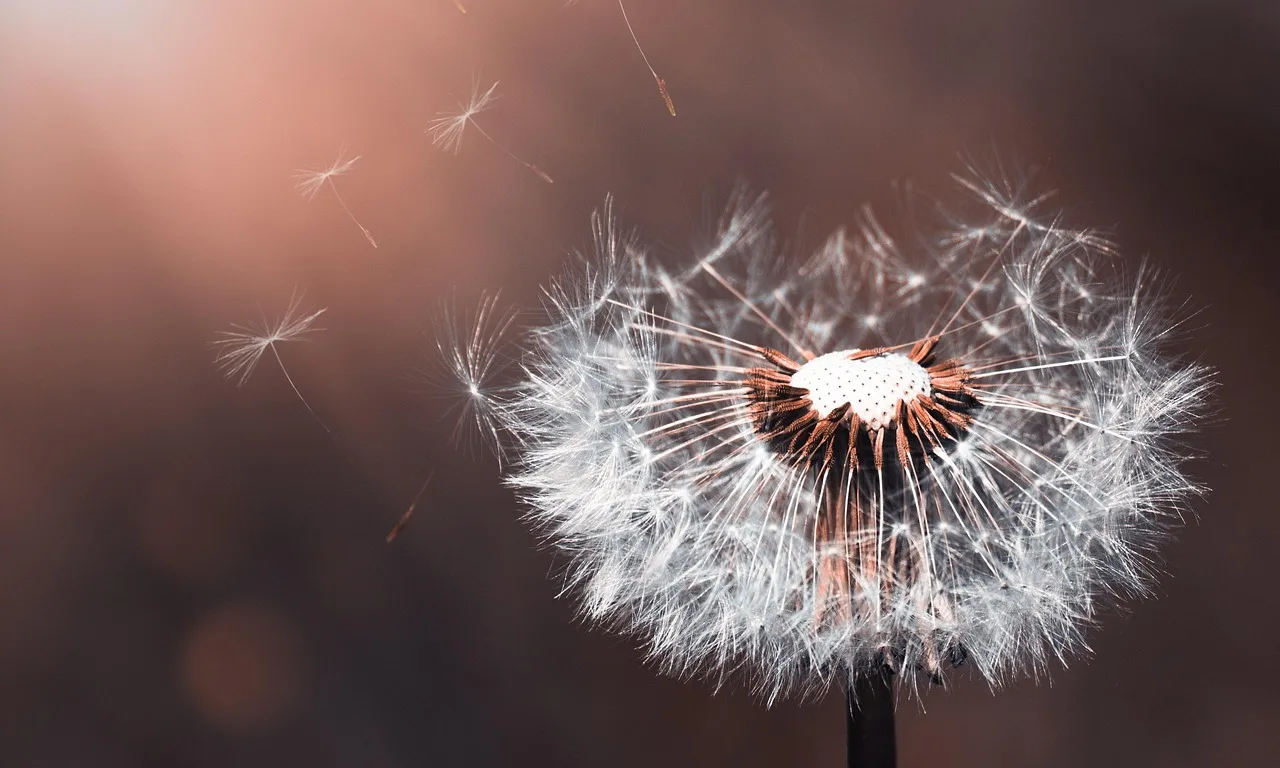
Plants reproduce in two main ways: sexual reproduction and asexual reproduction. In the seed path, pollen reaches an ovule and a seed forms. In the clone path, a new plant grows from a plant part such as a stem, root, or leaf, and the offspring matches the parent plant genetically.
The practical difference is simple. Seed path usually brings variation. Clone path usually copies the parent. That is why seed-grown plants can differ from one another, while a runner or cutting tends to make a new plant that behaves like the parent.
Why this matters for gardeners
You care about the path because it changes what happens next. A tomato that sets seed after pollination may give you mixed offspring if you save seed. A strawberry runner gives you a plant that matches the parent much more closely. The same plant group can sometimes use both methods.
Some flowering plants use seeds most of the time but can also spread by runners, bulbs, or cuttings. That means a single species can move in more than one way, depending on the plant and the conditions around it.
How does sexual reproduction make seeds?
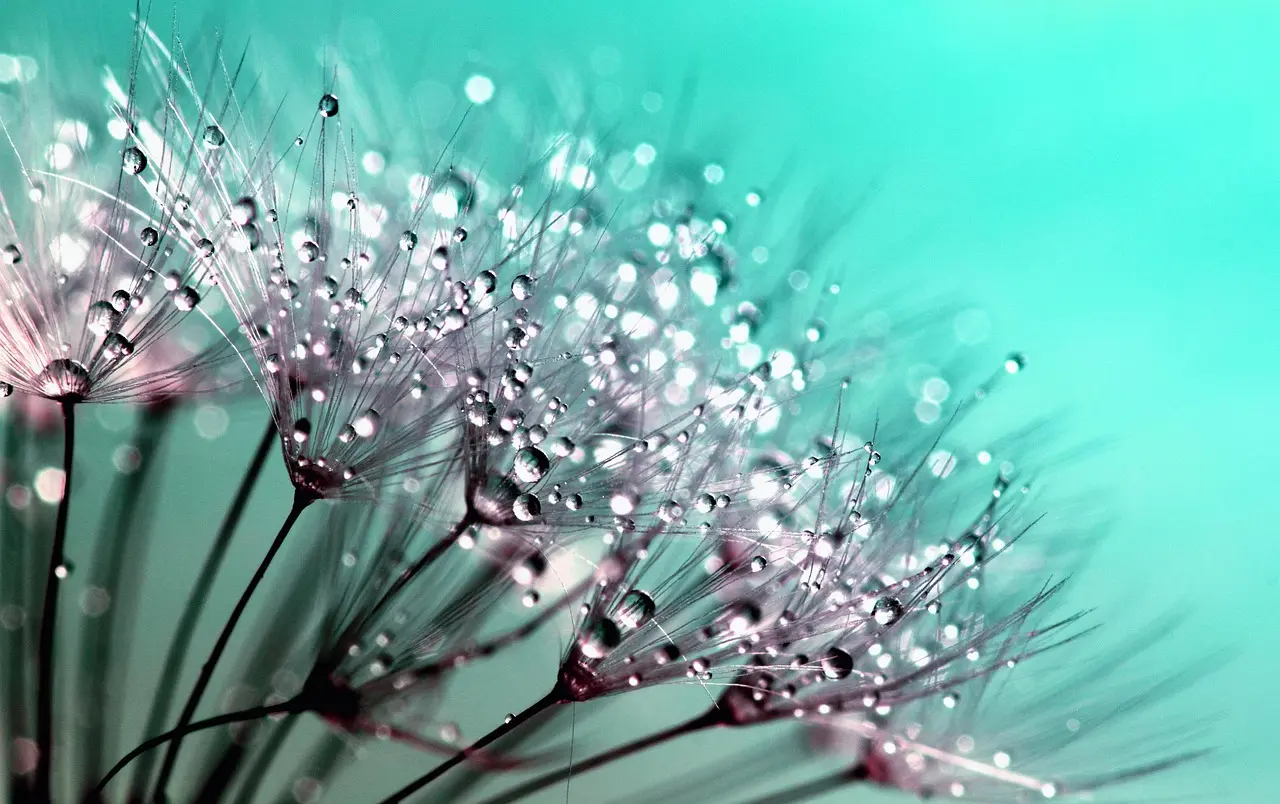
Sexual reproduction in flowering plants starts in the flower. Pollen from the anther reaches the stigma, then a pollen tube grows through the style toward the ovary. After that, male and female cells join, and seed formation begins.
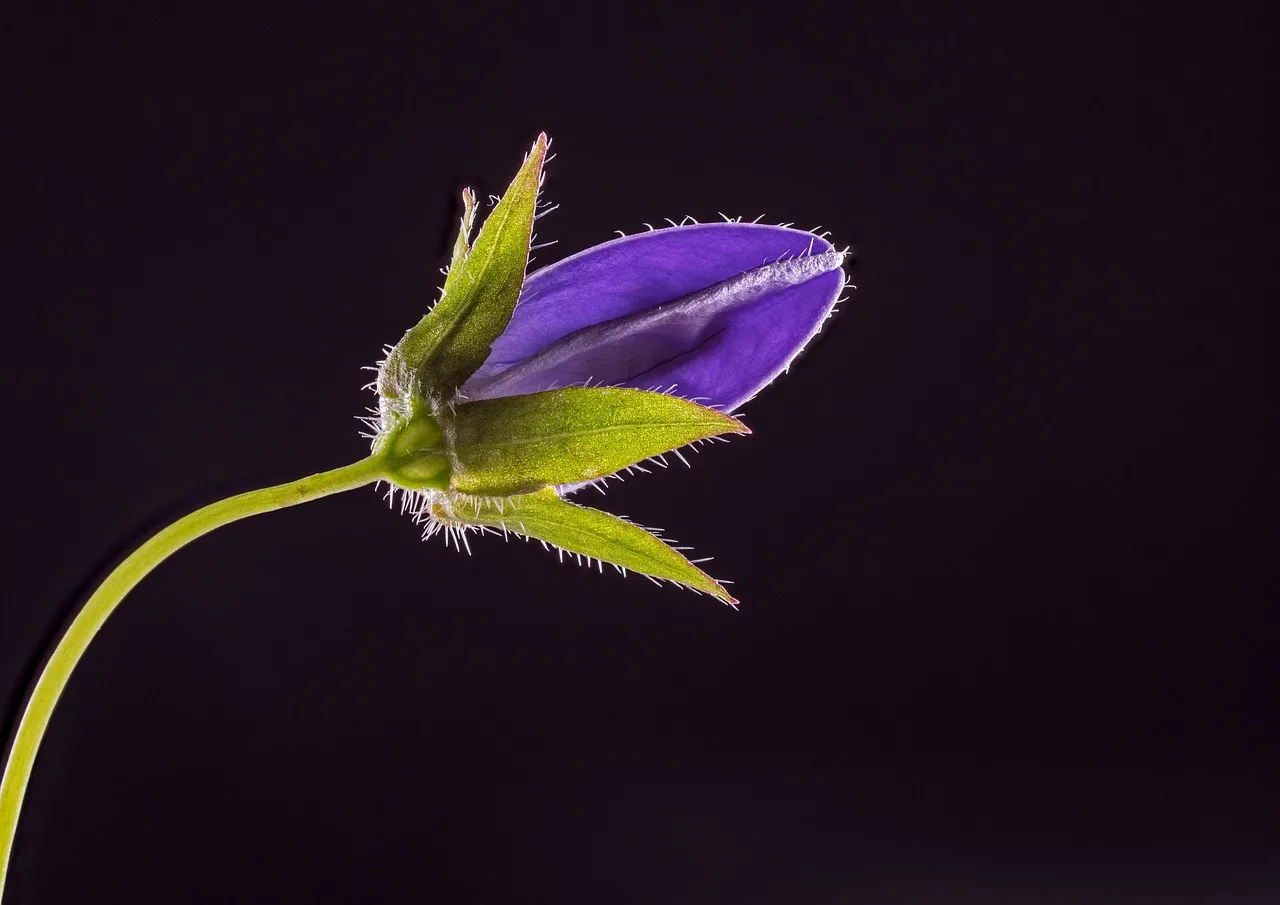
The flower is the sexually reproductive part of a plant. It usually has petals that help attract pollinators, plus the male part, the anther, and the female parts, the stigma, style, ovary, and ovule. Flowers may be unisexual or bisexual.
Flower parts that matter
- Anther: makes pollen grains.
- Stigma: sticky female part that receives pollen.
- Style: the passage the pollen tube grows through.
- Ovary: holds the ovules.
- Ovule: inside the ovary, later becomes a seed after fertilization.
Pollination: pollen moves to the stigma
Pollination is the transfer of pollen from the anther to the stigma of a flower. It can happen by self-pollination, where pollen reaches the stigma of the same flower or the same plant, or by cross-pollination, where pollen comes from a different plant of the same species.
Wind, insects, birds, bats, and water can move pollen. For example, many grasses depend on wind, while many garden flowers depend on insects. Birds and bats pollinate some plants with large, showy flowers. Water carries pollen in a smaller set of species that live in wet places.
Fertilization: what happens after pollination
After pollination, sperm cells travel down the pollen tube to the ovule. Fertilization happens when male and female cells join. In flowering plants, that leads to embryo formation and seed development. Double fertilization is unique to angiosperms.
A zygote becomes an embryo, which eventually becomes a seed. That seed contains an embryo, stored food, and a seed coat. Some seeds stay dormant for a while before germinating, which helps them wait for the right season.
What part of the flower becomes the seed?
The ovule becomes the seed after fertilization. The ovary usually becomes the fruit. So if you are checking whether a flower has completed its job, look for what happens to the ovules inside the ovary, not just for petals falling off.
A seed is more than a tiny plant. It holds the embryo, food for early growth, and a protective coat. That coat helps the seed survive dry spells, cold periods, or other rough conditions before germination starts.
What changes after fertilization
- Pollen lands on the stigma.
- A pollen tube grows through the style.
- Sperm cells reach the ovule in the ovary.
- Fertilization forms a zygote.
- The zygote develops into an embryo.
- The ovule becomes a seed.
- The ovary often becomes fruit around the seeds.
Say your bean flowers open, but the pods stay tiny and flat. The issue may be at the pollination or fertilization step, not in the seed itself. If pollen never lands on the stigma, or if the pollen tube fails to reach the ovule, no seed starts.
How do plants make new plants without seeds?
Asexual reproduction makes genetically identical offspring without pollination or fertilization in the usual sense. It often uses vegetative parts such as stems, roots, or leaves. This route is faster, and it can copy a plant that already has the shape, flavor, or flower color you want.
Vegetative propagation includes runners, bulbs, tubers, rhizomes, cuttings, and plantlets. These are not all the same plant part, and they do not all do the same job. What matters is the part that starts the new plant and what it becomes next.
Why clones are useful
Clones help a plant keep a successful trait going. A strawberry with good fruit can make runner plants that stay close to the parent’s type. A potato can sprout from a tuber and keep the same stored energy and growth pattern. That is why growers often use clone paths on purpose.
Not every asexual route skips seeds in every case, but the usual garden meaning is clear: the new plant comes from plant tissue rather than from pollination and fertilization. In those cases, the result is usually the same genetic copy as the parent.
How this plant makes a new plant decision table
| Plant type | Starting structure | What moves or happens next | Result | Why no seeds formed |
|---|---|---|---|---|
| Flowers | Anther, stigma, style, ovary, ovule | Pollen lands on the stigma, a pollen tube grows, and fertilization follows | Ovule becomes a seed; ovary often becomes fruit | Pollination failed, fertilization failed, or later seed development stopped |
| Cones | Male and female cones | Pollen moves between cones, then fertilization occurs in the female cone | Seeds form in the cone | Pollination did not happen, or the cone did not complete seed development |
| Runners | Horizontal stem | Nodes touch soil and roots form at each node | New plantlets form as clones | Seeds are not the main route; the plant spreads vegetatively instead |
| Bulbs | Short stem with fleshy leaves | Stored food supports a new shoot and roots | New plant grows from the bulb | Growth comes from stored tissue, not from a fertilized ovule |
| Tubers | Swollen storage stem | Buds on the tuber sprout into shoots and roots | New plant develops from the bud | The plant is using stored stem tissue, not seed formation |
| Rhizomes | Horizontal underground stem | New shoots and roots emerge from nodes along the stem | Several new plants can form | Spread happens through stem growth, not through pollen and ovules |
| Cuttings | Stem, leaf, or root section | The cut piece forms roots and then a new shoot | New clone grows from the cutting | New growth comes from the cut piece, so seeds are not required |
| Plantlets | Small plant formed on the parent | The plantlet detaches or roots while attached | Independent new plant forms | The parent tissue already built the new plant body |
Runners, bulbs, tubers, and rhizomes
Runners are horizontal stems that form new plants at nodes. Strawberries are the classic example, and that is why a strawberry patch can spread across bare soil. A runner bends down, roots at a node, and the node becomes a new plant.
Bulbs, tubers, and rhizomes do different jobs. A bulb stores food in fleshy leaves. A tuber stores food in a swollen stem, as in potato. A rhizome is a horizontal underground stem, as in ginger. Each one can give rise to a new plant without seed formation. (Wikipedia)
Picture a clump of ginger in a pot. One thick underground rhizome can send up shoots at several points. That is clone path growth, not seed path growth. If you dig up the plant and see a knobby underground stem with buds, you are looking at a rhizome.
How do plants reproduce without flowers?
Plants without flowers can still reproduce by using cones or by asexual methods. Cones are the reproductive structures used by gymnosperms instead of flowers. That includes many conifers, which rely on cones rather than petals, stamens, and pistils.
Plants use flowers or cones depending on the group. In flowering plants, the flower is the reproductive structure. In gymnosperms, the cone does that job. In both groups, wind can matter a lot, and wind pollination dominates among grasses, oaks, and conifers.
Why some plants need pollinators and others do not
Some plants need pollinators because their pollen must be moved from anther to stigma before seeds can form. Others do not depend on animal pollinators because wind, water, or self-pollination can move pollen. A few plants can also skip the usual flower route altogether and spread by vegetative parts.
A common first-timer mistake is expecting every flowering plant to need bees. A wind-pollinated grass can set seed without a single insect visit. A houseplant cutting can make a new plant without any pollen at all. The route depends on the species.
Frequently asked questions
How do plants reproduce without getting technical?
Plants make new plants in two main ways. The seed path uses pollen, flowers or cones, and fertilization. The clone path uses stems, roots, or leaves to grow a new plant without the usual seed step. Some plants use both, depending on the species and the conditions.
What is the difference between sexual and asexual reproduction in plants?
Sexual reproduction uses pollen and ovules to make seeds, and it usually creates variation among offspring. Asexual reproduction makes a new plant from plant tissue and usually creates a clone of the parent. Sexual reproduction is slower. Asexual reproduction is faster.
How does pollination lead to seeds?
Pollination is pollen moving from the anther to the stigma. After that, a pollen tube grows through the style to the ovary, where the ovule sits. Fertilization follows when male and female cells join, and the ovule then develops into a seed.
What are runners, bulbs, tubers, and rhizomes?
Runners are horizontal stems that root at nodes and make new plants. Bulbs are short stems with fleshy leaves that store food. Tubers are swollen storage stems with buds, and rhizomes are horizontal underground stems that send up shoots. Ginger is a rhizome, not a tuber.
Can one plant reproduce by more than one method?
Yes. Many species can use both sexual and asexual reproduction. A plant may set seed after pollination and also spread by runners, rhizomes, or bulbs. That dual strategy helps some plants spread quickly while still making seed for wider dispersal.