Which Part of a Plant Is Responsible for Reproduction?
Every living organism on Earth, from the simplest single-celled algae to the towering redwoods, owes its existence to the process of reproduction. In the world of plants, reproduction is not only vital for the survival of a species but also shapes entire ecosystems, drives genetic diversity, and sustains the global food chain.
Yet, for many, the details of how plants reproduce—and especially which plant parts are responsible—remain a mystery. Whether you’re a gardener, biology student, or simply curious about the natural world, understanding plant reproduction unlocks new appreciation for the complexity and beauty of plant life.
But which part of a plant truly drives the miracle of reproduction? Is it the flower, the fruit, the seed, or something more hidden? The answer is both fascinating and intricate, involving specialized organs and strategies that have evolved over millions of years.
In this comprehensive guide, we’ll unravel the secrets of plant reproduction, dissecting the structure and function of reproductive organs, exploring the astonishing diversity among plant groups, and spotlighting real-world examples that illustrate nature’s ingenuity.
Key Takeaways
- Flowers are the primary reproductive organs in most flowering plants, housing both male (stamens) and female (pistils) structures.
- Non-flowering plants reproduce using specialized structures like cones or spores rather than flowers.
- Pollination and fertilization are key processes enabling sexual reproduction in plants, often involving external agents such as wind, insects, or animals.
- Asexual reproduction allows plants to propagate without seeds, using parts like stems, roots, or leaves.
- Understanding plant reproduction is crucial for agriculture, conservation, and biodiversity.
The Anatomy Of Plant Reproductive Organs
Plant reproduction revolves around highly specialized organs, each tailored to ensure the successful transfer of genetic material. While flowering plants (angiosperms) have complex reproductive structures, non-flowering plants use different organs and strategies. Let’s dissect these key components.
The Role Of Flowers In Reproduction
The flower is the central reproductive organ in angiosperms. Its intricate design ensures the union of male and female gametes. A typical flower consists of four main parts:
- Sepals: Leaf-like structures protecting the bud from physical damage and desiccation. Sepals can sometimes be brightly colored, especially in plants where petals are reduced or absent.
- Petals: Often colorful and fragrant, petals act as visual or olfactory lures for pollinators. Their patterns and ultraviolet markings can be invisible to humans but are highly attractive to bees and other insects.
- Stamens: The male reproductive part, usually arranged in a ring around the pistil. The number and shape of stamens can vary widely among species, influencing pollination mechanisms.
- Pistils (Carpels): The female reproductive part, centrally located, and can consist of one or more fused carpels.
Male Reproductive Organ: The Stamen
The stamen is made up of two parts:
- Anther: Produces pollen grains containing male gametes. The structure of the anther can impact how pollen is released and transferred. In some plants, anthers open with a slit, while in others, they use pores or valves.
- Filament: Stalk that supports the anther. The length and flexibility of filaments can determine how easily pollen is accessed by pollinators or dispersed by wind.
Some flowers have specialized arrangements, such as the didynamous stamens (two long and two short) found in the mint family, or the monadelphous (all filaments fused together) arrangement in hibiscus, affecting how pollen is delivered.
Female Reproductive Organ: The Pistil (carpel)
The pistil comprises:
- Stigma: Sticky or feathery surface where pollen lands and adheres. The shape and texture of the stigma can be adapted for specific pollinators or for wind pollination.
- Style: Tube connecting stigma to ovary. The length and curvature of the style can affect the likelihood of cross-pollination.
- Ovary: Contains one or more ovules, which develop into seeds post-fertilization. The number and arrangement of ovules can vary, impacting seed production and fruit structure.
Some plants possess compound pistils formed by the fusion of multiple carpels, leading to complex fruit types like tomatoes or oranges.
Non-flowering Plant Structures
Not all plants reproduce through flowers. Gymnosperms (like pines and firs) use cones, while ferns and mosses rely on spores.
- Cones: Woody or fleshy structures in gymnosperms, with separate male (producing pollen) and female (producing ovules) cones. Female cones can be large and persist for several years, while male cones are often smaller and shed pollen in great quantities.
- Sporangia: Spore-producing structures in ferns, mosses, and other non-seed plants. Sporangia are often clustered in groups called sori (in ferns) and are adapted to release spores efficiently into the environment.
Example: Pine Tree Cones
In pines, the small male cones release clouds of pollen, which travel by wind to the larger female cones. Fertilization can take over a year, and the mature cones eventually open to release winged seeds.
Mosses And Ferns
Mosses and ferns have alternation of generations, with distinct gametophyte and sporophyte stages. The gametophyte produces gametes, while the sporophyte generates spores within sporangia.
Reproductive Adaptations Across Plant Groups
Plants have evolved a range of reproductive organs and strategies, tailored to their environments. For example:
- Cacti produce large, night-blooming flowers to attract nocturnal pollinators such as bats and moths. Their waxy petals and strong scents compensate for the lack of daytime pollinators in desert environments.
- Grasses have inconspicuous flowers adapted for wind pollination, with feathery stigmas and exposed anthers that maximize pollen dispersal.
Other examples include:
- Orchids often have highly specialized flowers mimicking the shape, color, or scent of their pollinators, ensuring precise pollen transfer.
- Aquatic plants like Vallisneria utilize water currents to move pollen from male to female flowers.
Comparative Table: Reproductive Organs In Major Plant Groups
| Plant Group | Main Reproductive Structure | Reproductive Method | Example Species |
|---|---|---|---|
| Angiosperms | Flower | Sexual (with pollination) | Rose, Sunflower |
| Gymnosperms | Cone | Sexual (with pollination) | Pine, Fir |
| Ferns | Sporangium | Asexual (spores) | Boston Fern |
| Mosses | Sporangium (Capsule) | Asexual (spores) | Sphagnum Moss |

Sexual Reproduction In Plants: Processes And Mechanisms
Sexual reproduction introduces genetic diversity and involves a series of coordinated processes. Here’s how it unfolds in flowering plants.
Pollination: Transferring Pollen
Pollination is the transfer of pollen grains from the anther to the stigma. There are two main types:
- Self-pollination: Pollen from the same flower or plant fertilizes the ovule. This can occur within a single flower (autogamy) or between flowers on the same plant (geitonogamy).
- Cross-pollination: Pollen is transferred between flowers of different plants, increasing genetic variation. This process, called allogamy, is promoted by mechanisms that discourage self-pollination, such as physical separation of male and female organs (dichogamy) or genetic incompatibility systems.
Pollinators And Pollination Agents
Plants rely on various agents for pollination:
- Insects (bees, butterflies, beetles, moths): Many flowers have evolved intricate relationships with specific insect species, offering nectar or pollen as a reward.
- Birds (hummingbirds, sunbirds): Bird-pollinated flowers are often brightly colored (red, orange) and produce copious nectar.
- Wind (grasses, conifers): Wind-pollinated plants typically have small, inconspicuous flowers and produce large quantities of lightweight pollen.
- Water (aquatic plants): In water-pollinated species, pollen can float and reach receptive female flowers at the water’s surface.
Additional Example: Fig Trees And Fig Wasps
Some figs rely on a single species of wasp for pollination, with the wasp laying eggs inside the fig’s reproductive structure and simultaneously pollinating the tiny flowers within.
Real-world example: The bee orchid mimics the appearance and scent of female bees, attracting males for pollination—a remarkable case of floral mimicry.
Fertilization: Fusion Of Gametes
Once pollen lands on the stigma, it germinates and forms a pollen tube down the style, delivering sperm cells to the ovule in the ovary. Fertilization produces a zygote, which develops into a seed.
In angiosperms, a process called double fertilization occurs: one sperm fertilizes the egg to form the zygote, while another fuses with two other nuclei to form endosperm, which nourishes the developing embryo.
Seed And Fruit Formation
Post-fertilization, the ovule matures into a seed, while the ovary develops into a fruit. Fruits aid in seed dispersal via animals, wind, or water.
Fruit Types:
- Simple fruits: Develop from a single ovary (e.g., cherry, tomato).
- Aggregate fruits: Form from multiple ovaries of one flower (e.g., raspberry).
- Multiple fruits: Develop from the ovaries of multiple flowers fused together (e.g., pineapple).
Fruits can be fleshy or dry, and adaptations such as hooks, wings, or buoyancy aid dispersal.
Data Table: Seed Dispersal Mechanisms
| Mechanism | Plant Example | Adaptation |
|---|---|---|
| Animal Ingestion | Apple, Blueberry | Fleshy, nutritious fruit |
| Wind | Dandelion, Maple | Lightweight, winged seeds |
| Water | Coconut, Lotus | Buoyant seeds |
| Mechanical Ejection | Touch-me-not | Explosive pods |
Additional Example: Burrs And Animal Dispersal
Some seeds, like those of burdock, have hooks that attach to animal fur for transportation to new locations.
Case Study: The Vanilla Orchid
The vanilla orchid (Vanilla planifolia) requires manual pollination outside its native range. In Madagascar, farmers use toothpicks to transfer pollen from the anther to the stigma, ensuring fertilization and vanilla bean production. This illustrates the delicate balance between plant reproductive organs and pollination strategies.
Importance Of Sexual Reproduction
- Genetic diversity: Enhances adaptability and resilience to pests, diseases, and environmental changes.
- Crop improvement: Enables breeding of new varieties with improved traits such as drought tolerance, nutritional content, or flavor.
- Ecosystem health: Sustains food webs and habitats, as seeds and fruits provide resources for countless animal species.
For more on plant reproductive processes, see Wikipedia: Plant Reproduction.
Asexual Reproduction: Vegetative Propagation
Not all plant reproduction involves seeds or flowers. Asexual reproduction allows plants to produce genetically identical offspring using specialized structures.
Common Forms Of Vegetative Propagation
- Runners (Stolons): Horizontal stems that give rise to new plants. Strawberries use runners to quickly colonize open ground.
- Rhizomes: Underground stems capable of forming new shoots and roots at nodes. Ginger and bamboo are examples, with some species spreading aggressively.
- Tubers: Swollen underground stems storing nutrients, such as potatoes. Each “eye” can sprout into a new plant.
- Bulbs: Short stems with fleshy leaves that store food, as in onions, garlic, and tulips.
- Cuttings: Fragments of stems, leaves, or roots that can grow into new plants. Many houseplants are propagated this way, including pothos and coleus.
Additional Examples
- Corms: Similar to bulbs but consist of solid tissue (e.g., crocus).
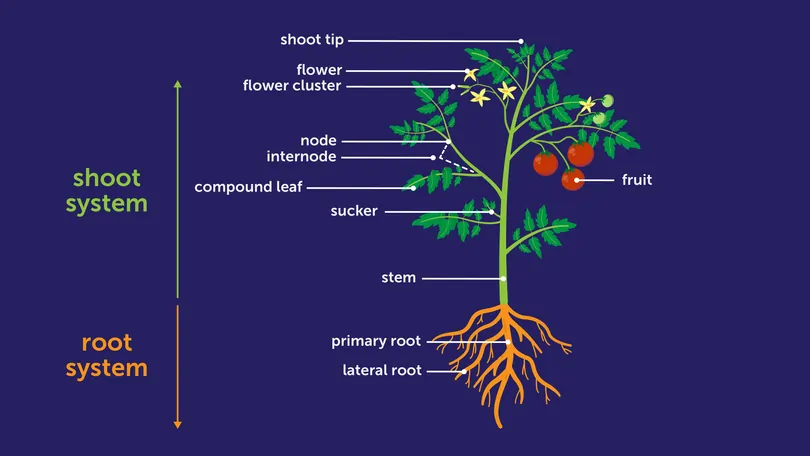
- Suckers: New shoots arising from roots (e.g., blackberries).
- Layering: Stems that touch the ground develop roots and can be separated to grow independently (e.g., blackcurrant).
Advantages And Limitations
Advantages:
- Rapid population increase, allowing plants to quickly exploit favorable conditions.
- Uniform offspring traits, which is valuable in agriculture for maintaining crop consistency.
- Useful in horticulture and agriculture for mass production and cloning elite varieties.
Limitations:
- No genetic variation, making populations susceptible to disease or environmental changes.
- Reduced ability to adapt to changing conditions.
- Limited dispersal, as new plants typically establish near the parent.
Real-world Example: The Aspen Grove
The Pando aspen grove in Utah is a single organism, covering over 100 acres. All trees arise from the same root system via vegetative propagation, making it one of the world’s largest and oldest living organisms. This highlights how asexual reproduction can dominate landscapes.
Data Table: Sexual Vs. Asexual Reproduction
| Aspect | Sexual Reproduction | Asexual Reproduction |
|---|---|---|
| Genetic Diversity | High | Low |
| Speed | Slower | Faster |
| Environmental Adaptation | Better | Poorer |
| Energy Requirement | Higher | Lower |
For further reading, consult Britannica: Vegetative Reproduction.

Specialized Plant Reproductive Strategies
Plant reproductive organs have evolved remarkable adaptations to ensure survival and propagation in diverse environments.
Self-pollination Vs. Cross-pollination
Some plants are capable of both self-pollination and cross-pollination, while others specialize in one form.
- Self-pollination: Common in peas, wheat, and barley; ensures seed set when pollinators are scarce or absent. Self-pollinating plants often have flowers that do not open fully (cleistogamy).
- Cross-pollination: Common in apple trees, oaks, and maize; enhances genetic diversity and evolutionary potential. Mechanisms such as self-incompatibility prevent self-fertilization and promote outcrossing.
Monoecious Vs. Dioecious Plants
- Monoecious plants: Both male and female flowers occur on the same plant (e.g., corn, squash, birch). This arrangement increases the likelihood of successful fertilization.
- Dioecious plants: Separate male and female plants (e.g., holly, kiwifruit, willows). Dioecy ensures outcrossing but requires both sexes in proximity for seed production.
Some species, like papaya, can have male, female, and hermaphroditic individuals, adding to the complexity of reproductive strategies.
Apomixis: Seed Formation Without Fertilization
Some plants, like dandelions and certain citrus varieties, produce seeds without fertilization—a process called apomixis. This allows rapid colonization of habitats and guarantees offspring identical to the parent, but limits genetic diversity.
Real-world Example: The Coconut Palm
The coconut palm exemplifies water-based seed dispersal. Its large seed floats across oceans, germinating on distant shores—a testament to the versatility of plant reproductive organs.
Plant Reproduction In Extreme Environments
Plants in deserts, arctic tundra, or aquatic environments have evolved unique reproductive organs and cycles. For instance:
- Saguaro cactus flowers open at night to attract bats, which are effective pollinators in hot, dry climates.
- Aquatic plants like water lilies have floating flowers and underwater pollination mechanisms, adapting to life at the water’s surface.
Other examples include:
- Alpine plants with compact flowers that reduce heat loss and protect reproductive organs from cold.
- Tundra plants with rapid life cycles, enabling them to reproduce during short growing seasons.
Explore more plant adaptation case studies at Kew Gardens: Plant Adaptations.
The Role Of Plant Reproduction In Agriculture And Biodiversity
Understanding plant reproductive organs is fundamental to agriculture, ecology, and global food security.
Crop Breeding And Hybridization
Selective breeding relies on manipulating reproductive organs to combine desirable traits, such as disease resistance or higher yields.
- Hybrid corn: Created by cross-pollinating distinct varieties to produce robust offspring with hybrid vigor.
- Seedless fruits: Developed by controlling fertilization (e.g., seedless watermelon, banana) or by using triploid plants that are sterile.
Modern agriculture depends heavily on knowledge of plant reproduction for the production of high-yield, uniform, and disease-resistant crops.
Conservation Of Endangered Species
Restoring endangered plant populations often requires knowledge of their reproductive biology. For example, the Franklin tree survives only in cultivation due to managed pollination and propagation, as it is extinct in the wild.
Supporting Pollinators
The decline of pollinators, such as bees and butterflies, threatens crop production. Planting pollinator-friendly flowers, creating habitats, and reducing pesticide use support both wild and agricultural ecosystems.
- Buffer strips of wildflowers in agricultural areas can increase pollinator abundance and crop yields.
- Urban gardens can provide crucial resources for pollinators in cities.
For more on pollinator conservation, see US Fish & Wildlife Service: Pollinators.
Invasive Species And Reproduction
Invasive plants often possess highly efficient reproductive organs or asexual propagation methods, allowing them to outcompete native flora. For example:
- Kudzu spreads rapidly via runners and seeds, smothering native vegetation.
- Water hyacinth propagates through fragmentation and seeds, clogging waterways and disrupting aquatic habitats.
Understanding these reproductive strategies is key to managing invasive species and protecting native biodiversity.
Data Table: Impact Of Plant Reproduction On Ecosystem Services
| Ecosystem Service | Role of Reproduction | Example |
|---|---|---|
| Food Production | Seeds, fruits, grains | Wheat, Rice, Apple |
| Habitat Creation | Supporting animal life | Oak forests for birds |
| Soil Stabilization | Colonization of bare soil | Grasses in prairies |
| Climate Regulation | Carbon sequestration | Tropical rainforests |
Learn more about plant reproduction’s role in biodiversity at UN Environment Programme.
Human Uses Of Plant Reproductive Parts
The organs responsible for plant reproduction are central not only to plant life but also to human society and culture.
Flowers In Culture And Economy
- Ornamental horticulture: Flowers like roses, lilies, and orchids are vital in landscaping, floristry, and ceremonial events worldwide.
- Perfumes and flavors: Many essential oils are derived from floral reproductive parts. Jasmine and lavender oils, for instance, are extracted from flowers and used in fragrances and aromatherapy.
Flowers also play symbolic roles in art, religion, and literature, often representing beauty, love, or renewal.
Fruits And Seeds As Food
- Staple crops: Wheat, rice, and maize are all seeds produced by plant reproductive organs and form the foundation of global diets.
- Nuts and spices: Almonds (seeds), vanilla (fruit), black pepper (dried fruit), and cardamom (seed capsules) are all derived from reproductive structures.
Fruits and seeds are rich sources of carbohydrates, fats, proteins, vitamins, and minerals, making them essential for human nutrition.
Medicinal Uses
Many reproductive plant parts are sources of medicine:
- Foxglove flowers: Source of digitalis, used in heart medications.
- Cloves: Unopened flower buds used as spice and traditional remedy for toothache and digestive issues.
- Milk thistle seeds: Used for liver health.
- Poppy capsules: Source of opiates for pain relief.
Industrial Applications
- Cotton fibers: Derived from seed coats and used in textiles worldwide.
- Biofuels: Seeds like canola and soybeans are processed into biodiesel, offering renewable energy alternatives.
- Timber and paper: Many reproductive structures, such as cones and seeds, are byproducts of forestry operations.
For more on the economic importance of plant reproductive parts, visit Food and Agriculture Organization (FAO).
Challenges And Future Directions In Plant Reproduction Research
The study of plant reproductive organs is at the frontier of biology, agriculture, and climate science.
Threats To Plant Reproduction
- Climate change: Alters flowering times (phenology) and pollinator availability, leading to mismatches that reduce reproductive success.
- Habitat loss: Reduces opportunities for cross-pollination and may isolate populations, increasing inbreeding.
- Pollinator decline: Threatens yields of pollinator-dependent crops, with cascading effects on food security and biodiversity.
- Pesticide use: Can harm both pollinators and beneficial soil organisms, disrupting reproductive cycles.
Advances In Reproductive Biology
- Genetic engineering: Enables precise modification of reproductive traits for improved yield, disease resistance, or stress tolerance.
- Cryopreservation: Stores seeds, pollen, and even entire embryos at ultra-low temperatures for long-term conservation of plant genetic resources.
- Artificial pollination: Used in crops where natural pollination is unreliable, such as vanilla, kiwifruit, and some hybrid seed production systems.
Case Study: Crispr And Seedless Fruit Production
Researchers use CRISPR gene editing to create seedless varieties of fruits like tomatoes and bananas by altering genes responsible for seed development, demonstrating the potential for innovation in manipulating plant reproductive organs. This technology also holds promise for enhancing drought tolerance, improving nutritional content, and combating plant diseases.
Future Outlook
Ongoing research aims to:
- Enhance crop resilience to environmental stress, such as drought, salinity, and temperature extremes.
- Develop sustainable, pollinator-independent crops to buffer against pollinator losses.
- Preserve genetic diversity in wild and cultivated plants through seed banks, living collections, and in situ conservation.
These advances are vital for feeding a growing global population and safeguarding natural ecosystems.
For recent advances, see Nature: Plant Reproduction.
Frequently Asked Questions
What Part Of The Plant Is Directly Responsible For Reproduction?
The flower is the main reproductive organ in flowering plants, containing both stamens (male) and pistils (female). In non-flowering plants, structures like cones or sporangia serve this function.
Do All Plants Have Flowers For Reproduction?
No. While angiosperms (flowering plants) reproduce via flowers, other groups like gymnosperms use cones, and ferns and mosses use spores produced in sporangia.
Can Plants Reproduce Without Seeds?
Yes. Through asexual reproduction (vegetative propagation), plants can reproduce using parts like stems, roots, or leaves, producing offspring without seeds or flowers.
Why Is Genetic Diversity Important In Plant Reproduction?
Genetic diversity increases a species’ ability to adapt to environmental changes, resist diseases, and maintain healthy populations, ensuring long-term survival.
How Does Pollination Differ From Fertilization In Plants?
Pollination is the transfer of pollen from the anther to the stigma, while fertilization is the fusion of male and female gametes inside the ovule, leading to seed formation.
The story of plant reproduction is a testament to the ingenuity and resilience of nature. From the delicate architecture of a flower’s reproductive organs to the sweeping strategies of seed dispersal and asexual propagation, plants have evolved myriad ways to ensure their legacy.
By understanding which parts of a plant are responsible for reproduction, we not only gain insight into the natural world but also empower ourselves to protect biodiversity, enhance agriculture, and sustain life on Earth for generations to come.