How Plants And Animals Depend on Each Other (With Worksheet)
Nature’s intricate web of life is built on interdependence. From the lush rainforests to vast grasslands, plants and animals rely on each other for survival, growth, and balance. This mutual dependence shapes ecosystems, drives evolutionary adaptation, and ensures the resilience of life on Earth. Understanding these relationships is not only fascinating—it’s critical for addressing environmental challenges and fostering sustainable practices.
Every day, millions of interactions occur between flora and fauna, some subtle, others dramatic. Bees pollinate wildflowers, trees provide homes for birds, and grazing animals fertilize the soil with their waste. These connections are foundational, supporting everything from food chains to global nutrient cycles. By exploring how plants and animals depend on each other, we reveal the hidden mechanisms that sustain biodiversity and unlock tools for education and conservation.
Key Takeaways
- Plants and animals form complex, mutual relationships that underpin ecosystem health and resilience.
- Interactions include food chains, pollination, seed dispersal, and habitat provision.
- Real-world examples and data highlight the significance of these dependencies for biodiversity and agriculture.
- Disruptions to these relationships, such as habitat loss or climate change, can threaten ecological balance.
- Understanding these connections is essential for conservation, environmental education, and sustainable development.
The Foundation Of Interdependence
The relationship between plants and animals is not one-directional; it is a dynamic exchange that fuels the cycle of life. The main forms of interdependence include food webs, nutrient cycles, and symbiotic partnerships.
Food Chains And Webs
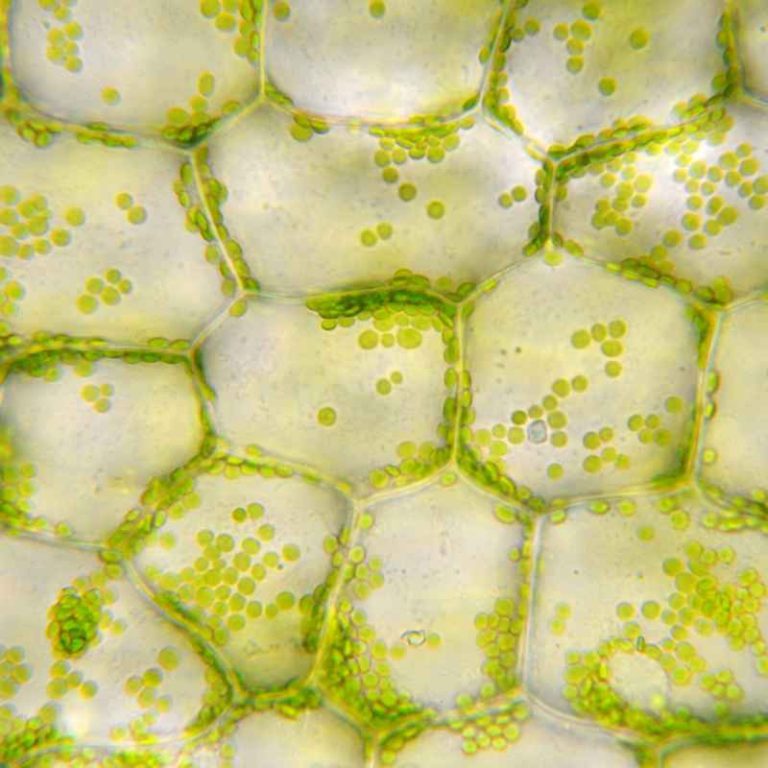
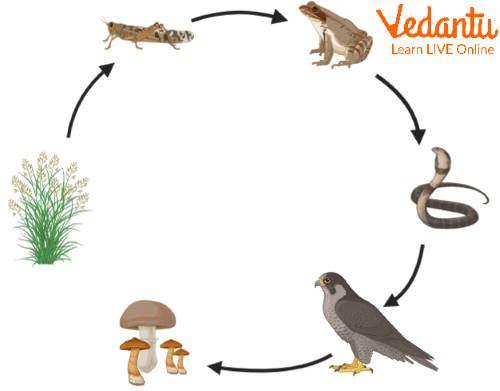
Plants are the primary producers, converting sunlight into energy through photosynthesis. This energy forms the foundation of nearly every terrestrial and aquatic food web:
- Herbivores (primary consumers) eat plants directly for energy and nutrients. Examples include deer, grasshoppers, and elephants.
- Carnivores (secondary and tertiary consumers) prey on herbivores or other carnivores, such as lions, hawks, and wolves.
- Omnivores like bears, raccoons, and humans eat both plant and animal matter, allowing them to occupy multiple places in the food web.
The complexity of food webs means that a single species can impact many others. For instance, if a disease wipes out a dominant grass species, herbivores may decline due to a lack of food, which in turn affects carnivores and scavengers.
This cascade effect demonstrates the delicate balance in ecosystems and the importance of each link.
In aquatic ecosystems, phytoplankton (microscopic plants) serve as the base of the food web, supporting zooplankton, small fish, larger predators, and even whales. Disruptions to primary producers, whether on land or in water, can ripple through the ecosystem with profound consequences.
Nutrient Cycling
Animals contribute to the nutrient cycle by:
- Consuming plants and returning nutrients via waste.
- Decomposing after death, enriching soil with organic matter.
Plants rely on these nutrients to grow, creating a self-sustaining loop that supports ecosystem productivity. According to the Wikipedia Nutrient Cycle, this process is vital for maintaining soil fertility.
The interaction between plant roots and soil organisms—such as bacteria, fungi, and invertebrates—facilitates the breakdown of organic matter, unlocking nutrients like nitrogen, phosphorus, and potassium. For example, the presence of dung beetles accelerates the decomposition of animal waste, enhancing soil structure and fertility.
In forests, leaf litter from trees is decomposed by fungi and microbes, releasing nutrients that feed the next generation of plants.
Symbiosis And Mutualism
Some relationships are highly specialized:
- Pollination: Bees, butterflies, and birds transfer pollen, enabling plants to reproduce.
- Seed Dispersal: Animals transport seeds, expanding plant territories.
Mutualistic relationships, such as those between acacia trees and ants, illustrate the depth of interdependence: ants protect the tree from herbivores, while the tree provides food and shelter.
Another notable example is mycorrhizal fungi, which form symbiotic partnerships with plant roots. The fungi increase the plant’s ability to absorb water and nutrients, while the plant supplies the fungi with carbohydrates produced during photosynthesis. This intricate exchange is essential for the health of forests and grasslands worldwide.
The Role Of Plants In Animal Survival
Plants serve as the cornerstone of animal life, offering food, shelter, and oxygen.
Food Source
Over 70% of terrestrial animals depend directly or indirectly on plants for food. Herbivores like elephants, deer, and rabbits consume leaves, stems, and fruits, while omnivores supplement their diet with plant matter. Even carnivores depend on plants indirectly since their prey are often herbivores that feed on plants.
Plants also provide a diverse range of food resources throughout the year. In temperate regions, fruiting trees offer food in the summer and fall, while evergreen shrubs and grasses sustain animals during winter. In tropical rainforests, the diversity of plant life supports a staggering variety of insects, birds, and mammals, many of which have evolved specialized diets.
Aquatic plants such as algae, seagrasses, and mangroves support marine and freshwater animals. For instance, manatees graze on seagrass beds, and many fish species feed on algae or aquatic plants during their life cycle.
Oxygen Production
Through photosynthesis, plants release oxygen, essential for animal respiration. According to the NASA Earth Science Study, forests and grasslands account for over 50% of global oxygen production.
Phytoplankton, the microscopic plants in oceans and lakes, contribute at least 50% of the planet’s oxygen supply. Without these plant-based producers, the atmospheric oxygen would be quickly depleted by respiration and combustion. This global cycling of oxygen is fundamental for the survival of all aerobic organisms.
Habitat And Shelter
Many animals rely on plants for shelter:
- Birds nest in trees.
- Insects hide in leaves.
- Mammals burrow beneath roots.
Plants also provide microhabitats for smaller organisms, such as fungi and microorganisms, further supporting biodiversity.
The structural complexity of forests, wetlands, and grasslands creates niches for countless species. For example, epiphytic plants like bromeliads form miniature ponds in their leaf axils, supporting frogs, insects, and even small crustaceans. In arid environments, cacti and succulents offer shade and moisture to animals like lizards, snakes, and birds.
Real-world Example: The African Savannah
In the African Savannah, acacia trees are central to animal life. Giraffes feed on their leaves, birds nest in their branches, and insects pollinate their flowers. When acacia populations decline due to overgrazing or drought, entire animal communities suffer.
Acacias also have a defensive relationship with ants, which deter herbivores and other insects from damaging the tree. This cooperation extends to the ground, where leaf litter from acacias enriches the soil, supporting grasses that feed herds of wildebeest and zebras.
When this delicate web is disrupted, such as by climate extremes or human activity, the loss of acacias triggers a cascade of negative impacts across the ecosystem.

How Animals Support Plant Life
Animals are equally crucial to plant survival, facilitating pollination, dispersal, and soil health.
Pollinators: Bees, Birds, And More
Approximately 75% of flowering plants rely on animal pollinators. Bees, butterflies, birds, and even bats transfer pollen, ensuring genetic diversity and fruit production. Without pollinators, many crops—including apples, almonds, and tomatoes—would fail.
- According to the FAO Pollinator Initiative, pollinators contribute over $235 billion annually to global agriculture.
In addition to bees, beetles, wasps, flies, and moths also play vital pollination roles. Hummingbirds and sunbirds pollinate flowers adapted for bird visitation, while bats are crucial pollinators for crops like bananas, mangoes, and agave (used to make tequila). In tropical forests, lemurs and other mammals pollinate large night-blooming flowers.
Pollinator populations are sensitive indicators of ecosystem health. Declines in bees and other pollinators due to pesticide use, disease, and habitat loss have prompted global conservation efforts.
Seed Dispersal
Animals distribute seeds across vast distances:
- Birds eat fruit and excrete seeds elsewhere.
- Mammals carry seeds in their fur.
- Insects bury seeds, aiding germination.
This process enables plants to colonize new areas, enhancing ecosystem resilience.
Fruit-eating animals, or frugivores, are especially important in forests, where their movements shape plant community structure. Elephants in African and Asian forests consume large fruits and disperse seeds through their dung, enabling the regeneration of trees that other animals cannot access.
Squirrels and jays cache acorns and nuts, inadvertently planting new trees.
Some seeds are adapted to hitch rides on animal fur or feathers—examples include burdock and cockleburs. Ants transport seeds with attached food bodies called elaiosomes, dispersing them underground where they are protected from fire and predation.
Soil Enrichment
Animal waste fertilizes the soil, providing essential nutrients. Earthworms and insects aerate the earth, improving plant growth .
Decomposers, such as fungi, bacteria, and detritivorous insects, break down dead plant and animal material, recycling nutrients into forms usable by plants. Grazing animals, like bison or cattle, stimulate plant growth by trimming old vegetation and depositing dung, which supports dung beetles and enriches the soil.
The activities of burrowing mammals, such as moles and prairie dogs, mix soil layers and increase water infiltration, benefiting plant roots. In tropical ecosystems, leaf-cutter ants harvest leaves and feed them to cultivated fungi, which in turn provide food for the colony—this process accelerates decomposition and nutrient cycling.
Case Study: The Amazon Rainforest
The Amazon Rainforest depends on animals for seed dispersal and pollination. For instance, agoutis bury Brazil nut seeds, ensuring their germination. Without these animals, many plant species would vanish, reducing forest diversity.
The Brazil nut tree is pollinated by specific orchid bees, and its seeds are dispersed by agoutis, who crack open the hard shells and bury the seeds for later consumption. This three-way interdependence showcases the complexity of tropical ecosystems. Loss of any partner—be it due to hunting, deforestation, or pesticide use—could threaten the entire life cycle of the tree, with economic and ecological repercussions.
Additionally, toucans, monkeys, and bats all play roles in dispersing the seeds of countless tree species, maintaining the rainforest’s unparalleled biodiversity.
Types Of Interdependence: Key Relationships
Different forms of interdependence drive ecosystem dynamics. The most significant relationships include:
Mutualism
Both organisms benefit. Examples:
- Bees and flowers: Bees collect nectar, flowers are pollinated.
- Birds and fruit trees: Birds eat fruit, seeds are dispersed.
Mutualism is widespread and can be highly specialized. For example, the yucca moth and the yucca plant have coevolved so that the moth pollinates the flower while laying eggs inside it—the larvae feed on some seeds, but enough seeds remain to propagate the plant.
Commensalism
One organism benefits; the other is unaffected. For example, orchids growing on trees do not harm their host.
Other examples include barnacles attaching to whales or remora fish hitching rides on sharks. In plant-animal interactions, birds like woodpeckers create tree holes for nesting, which are later used by other species such as owls or squirrels.
Parasitism
One organism benefits at the expense of another. Parasitic plants, such as mistletoe, extract nutrients from trees.
Other examples include dodder vines that attach to host plants, or brood parasitism, where birds like cuckoos lay eggs in the nests of other species, exploiting the parental care of the host.
Comparison Table: Types Of Interdependence
| Type | Example | Effect on Plants | Effect on Animals |
|---|---|---|---|
| Mutualism | Bee & Flower | Pollination | Food (nectar) |
| Commensalism | Orchid & Tree | Unaffected | Shelter |
| Parasitism | Mistletoe & Tree | Harmed | Food |
Short Case Study: Coral Reefs
Coral reefs exemplify mutualistic relationships: corals provide structure, while algae supply nutrients. Fish shelter in reefs, feeding on smaller organisms and maintaining reef health. Disruption of one partner can lead to reef collapse.
Coral polyps harbor symbiotic algae called zooxanthellae, which provide energy through photosynthesis. In return, the coral offers a protected environment and nutrients. Overfishing, pollution, and climate change can disrupt these relationships, causing coral bleaching and mass die-offs that threaten entire marine food webs.
Impact Of Human Activity On Plant-animal Relationships
Human actions have profound effects on plant-animal interdependence. Key issues include:
Habitat Destruction
Deforestation, urbanization, and agriculture reduce natural habitats, forcing animals and plants into smaller areas. This fragmentation disrupts food webs and pollination networks.
- According to WWF Habitat Loss Report, over 1 million species face extinction due to habitat loss.
Fragmented habitats create “islands” of biodiversity where species are isolated, reducing genetic diversity and making populations more vulnerable to disease and environmental changes. For example, the loss of hedgerows and wildflower meadows in agricultural regions has severely impacted pollinator populations and the plants that depend on them.
Climate Change
Shifts in temperature and weather patterns alter plant growth and animal migration. Pollinators may emerge before flowers bloom, reducing reproductive success.
Phenological mismatches occur when the timing of life cycle events (like flowering or migration) no longer align due to changing climates. For instance, earlier springs have caused some birds to arrive before the peak availability of insects or seeds, while flowers may bloom before bees or butterflies are active.
Rising temperatures also shift species ranges, driving some plants and animals to higher altitudes or latitudes and leaving others with no suitable habitat.
Pollution
Chemical pollutants harm both plants and animals, affecting growth, reproduction, and health.
Pesticides, herbicides, and industrial chemicals can reduce pollinator numbers, contaminate water sources, and disrupt hormonal systems in wildlife. Nitrogen runoff from agriculture leads to algal blooms in aquatic systems, suffocating fish and altering plant communities.
Overexploitation
Overhunting and overharvesting reduce animal populations, impacting pollination and seed dispersal.
For example, the decline of large fruit-eating animals in tropical forests due to hunting has resulted in fewer seeds dispersed, reducing the regeneration of certain tree species. Similarly, commercial harvesting of medicinal plants or timber often outpaces natural regeneration, threatening both plant and animal partners.
Comparison Table: Human Impact Vs. Natural Balance
| Factor | Natural Balance | Human Impact |
|---|---|---|
| Habitat | Stable, diverse | Fragmented, reduced |
| Pollination | Consistent cycles | Declining pollinators |
| Nutrient Cycle | Sustainable loop | Disrupted by pollution |
| Species Diversity | Rich, interconnected | Loss of species |
Educational Strategies: Teaching Interdependence
Understanding plant-animal relationships is essential for environmental education. Interactive learning tools, such as worksheets, models, and field trips, engage students and foster stewardship.
Worksheets And Activities
Worksheets help students visualize connections and reinforce concepts. Typical worksheet tasks include:
- Identifying plant-animal pairs (e.g., bee-flower)
- Mapping food chains and webs
- Matching animals to their habitats
- Drawing diagrams of ecosystem interactions
- Completing crosswords or quizzes based on symbiotic relationships
Interactive online platforms, such as iNaturalist and Seek, encourage students to document real-world examples and contribute to citizen science projects.
Field Observations
Outdoor activities deepen understanding:
- Observing pollinators in gardens
- Exploring local ecosystems for symbiotic relationships
- Conducting biodiversity surveys in schoolyards or parks
- Recording seasonal changes in plant and animal behavior
Field trips to botanical gardens, zoos, or nature reserves provide hands-on experiences and opportunities to interact with experts.
Real-world Example: School Pollinator Gardens
Many schools build pollinator gardens to illustrate interdependence. Students observe bees and butterflies, track flower blooming, and record data. This hands-on approach increases awareness and empathy for nature.
Pollinator gardens can be designed to support a variety of native species, using regionally appropriate plants that bloom throughout the growing season. Students may learn about the importance of plant diversity, the threats to pollinators, and ways to create wildlife-friendly habitats at home.
Data Table: Educational Outcomes
| Activity | Learning Outcome | Retention Rate (%) |
|---|---|---|
| Worksheet | Concept reinforcement | 60 |
| Field Trip | Experiential learning | 80 |
| Garden Project | Applied knowledge | 85 |
Additional research suggests that students who participate in outdoor learning and hands-on projects are more likely to pursue environmental stewardship and science-related careers.
Conservation And Sustainability
Protecting plant-animal relationships is vital for ecological health and human well-being.
Conservation Strategies
- Preserving natural habitats: Establishing protected areas, wildlife corridors, and buffer zones.
- Supporting pollinator populations: Creating pollinator gardens, reducing pesticide use, and protecting nesting sites.
- Restoring degraded ecosystems: Replanting native vegetation, eradicating invasive species, and reintroducing keystone animals.
Organizations like National Geographic and IUCN lead global efforts to conserve biodiversity.
Community-based conservation, involving local people in decision-making, has proven especially effective in sustaining both livelihoods and ecosystems. For example, agroforestry systems integrate trees, crops, and livestock, mimicking natural interdependence and supporting biodiversity.
Sustainable Practices
- Reducing pesticide use: Integrated Pest Management (IPM) uses biological controls to reduce chemical reliance.
- Planting native species: Native plants support local pollinators, birds, and other wildlife.
- Promoting organic agriculture: Organic farms rely on natural cycles and minimize synthetic inputs.
- Practicing crop rotation and polyculture: Rotating crops and planting multiple species together reduces pest outbreaks and improves soil health.
- Participating in citizen science: Tracking pollinator populations, reporting invasive species, and supporting conservation research.
These actions encourage healthy interdependence, reduce environmental impact, and sustain food production.
Short Case Study: Organic Farming
Organic farms prioritize plant-animal relationships, using natural pollinators and organic fertilizers. Crop rotation and mixed plantings attract beneficial insects, improving yield and ecosystem health.
For example, hedgerows and flower strips planted around fields provide habitat for bees, butterflies, and predatory insects that control pests. Livestock manure is composted to enrich soil instead of synthetic fertilizers, promoting soil organisms and reducing runoff. These practices not only boost biodiversity but also increase farm resilience to climate fluctuations and disease outbreaks.
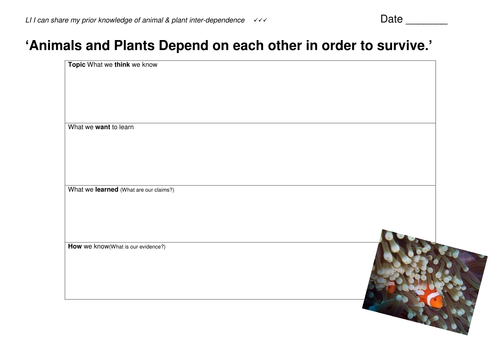
Plant-animal Interdependence Worksheet
Interactive worksheets help reinforce key concepts. Use the following worksheet to engage students or readers:
Worksheet: Exploring Plant-animal Relationships
Instructions: Read each question and answer in the space provided.
- Name three animals that help pollinate plants.
- List two ways animals disperse seeds.
- Describe how plants provide shelter to animals.
- Match the following pairs:
- Bee — Flower
- Squirrel — Oak Tree
- Butterfly — Milkweed
- Explain the role of earthworms in soil health.
- What happens if pollinators disappear from an ecosystem?
- Draw a simple food chain including a plant, herbivore, and carnivore.
- Identify a mutualistic relationship in your local environment.
- How do human activities disrupt plant-animal interdependence?
- Suggest one action to protect pollinators.
Bonus Challenge: Research and write about a plant-animal relationship not discussed in this article.
This worksheet can be used in classrooms or as a home activity to foster deeper understanding.
Frequently Asked Questions
What Are Some Examples Of Mutualistic Relationships Between Plants And Animals?
Mutualistic relationships include bees pollinating flowers, birds dispersing fruit seeds , and ants protecting acacia trees. Both partners benefit: plants gain reproductive success, while animals receive food or shelter.
Other examples include clownfish living among sea anemones (providing protection for the fish and nutrients for the anemone) and cleaner birds picking parasites off large mammals.
Why Is Pollination Important For Plants And Animals?
Pollination enables plants to reproduce and produce fruit. Animals, such as bees and butterflies, benefit by feeding on nectar. Without pollination, many crops and wild plants would fail, impacting food webs and biodiversity.
Pollination also promotes genetic diversity in plant populations, making them more resilient to disease and environmental changes.
How Does Habitat Loss Affect Plant-animal Interdependence?
Habitat loss fragments ecosystems, reduces biodiversity, and disrupts food webs, pollination, and seed dispersal. This can lead to species decline or extinction, as seen in many rainforests and grasslands.
Fragmented habitats isolate populations, making it harder for plants and animals to find mates, food, or suitable nesting sites. Over time, this can reduce genetic diversity and increase vulnerability to environmental changes.
What Role Do Animals Play In Soil Fertility?
Animals, including earthworms, insects, and larger mammals, enrich soil by aerating it, decomposing organic matter, and depositing nutrients. This improves plant growth and sustains ecosystem productivity.
Burrowing animals mix soil layers and enhance water infiltration, while decomposers break down complex organic materials into simpler nutrients available to plants.
How Can Individuals Help Protect Plant-animal Relationships?
People can support plant-animal interdependence by planting native species, reducing pesticide use, supporting organic agriculture, and creating habitats for pollinators. Participating in conservation efforts and environmental education also makes a difference.
Small actions, such as building bee hotels, setting up bird feeders, or joining local conservation groups, can have a meaningful impact on sustaining the natural world.
The intricate ties between plants and animals are the heartbeat of our planet’s ecosystems. By appreciating and protecting these relationships, we ensure a healthier, more resilient world for generations to come. Whether through education, conservation, or everyday actions, everyone has a role in sustaining the natural balance that makes life possible.