Why Did The Government Encourage Victory Garden Planting?
It’s easy to think of gardening as a hobby today. Many people grow plants for fun or fresh food. But sometimes, gardening has played a much bigger role.
It’s been vital for whole countries. This is especially true when times get tough. Let’s talk about why governments wanted people to plant gardens.
The government strongly encouraged Victory Garden planting during wartime to supplement food supplies, boost national morale, and involve citizens directly in the war effort by providing fresh produce when commercial supply lines were strained or cut. This initiative helped ensure families had access to nutritious food.
What Were Victory Gardens?
Victory Gardens were a big deal. They were planted in backyards. People also used empty lots.
Even schoolyards and parks became garden spots. The main goal was to grow food. This happened during World War I and World War II.
These gardens were special. They weren’t just for extra veggies. They were a patriotic duty.
People felt they were helping the war effort. Every tomato or bean grown meant more food for soldiers. It also meant less food for the home front.
This freed up food for the military.
Why the Government Pushed for Them
Imagine a country at war. So much food goes to soldiers. Supply trucks might get bombed.
Ships might be sunk. This makes it hard to get food to everyone. That’s where Victory Gardens came in.
The government saw this problem. They needed a way to get more food. They couldn’t just make more food magically.
So, they asked citizens to help. They said, “Plant a garden!” It was a simple idea. But it had a huge impact.
This wasn’t just about survival. It was also about morale. When people felt like they were doing something useful, they felt better.
They felt part of the team. Growing food gave them a sense of control. It was a way to fight back from home.
The Impact on Food Supply
Let’s talk numbers. During World War II, Victory Gardens were massive. Millions of gardens were planted.
They produced a lot of food. Some estimates say they grew as much as 40% of the nation’s vegetables!
Think about that. That’s a huge chunk of food. It wasn’t shipped across the country.
It wasn’t sent overseas. It was grown right in people’s towns. This took pressure off farmers.
It also helped feed families directly.
This food was fresh. It was healthy. It was often picked right from the garden.
This meant more vitamins and minerals for people. It helped keep everyone strong. A strong nation could better support the war effort.
Personal Experience: A Wartime Garden Story
I heard a story once from my grandmother. She grew up during World War II. Her family lived in a small house.
They had a tiny backyard. But her mother saw the posters. They showed smiling families with baskets of produce.
The posters said, “Plant a garden. Help win the war!”
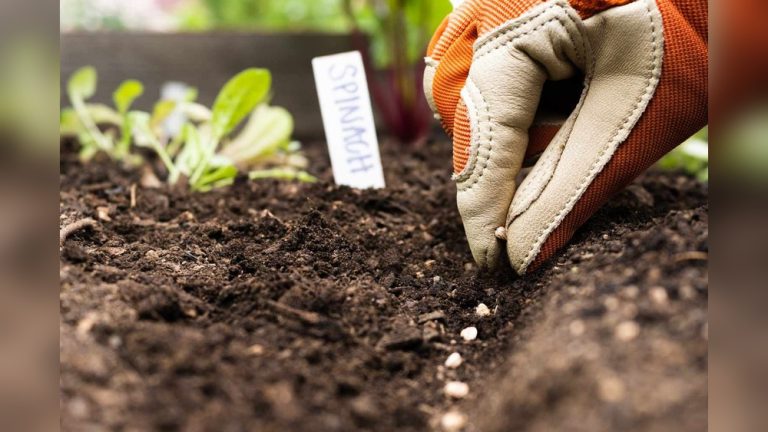
So, her mother got to work. She dug up a small patch of grass. They didn’t have fancy tools.
They used what they had. They planted seeds they saved or were given. Beans, carrots, lettuce, and a few tomato plants.
She said it was hard work. Her back often hurt. The sun was hot.
Sometimes pests ate their plants.
But when they picked their first ripe tomato, it was amazing. It tasted like pure sunshine. It was better than anything from the store.
They ate that tomato with pride. They knew they grew it. They knew it was helping.
That little garden felt like their contribution. It made them feel strong, even when things were scary.
Victory Garden Staples
Many common vegetables were perfect for Victory Gardens. They were easy to grow. They also provided good nutrition.
- Tomatoes: Great for salads and cooking.
- Beans: Provided protein and grew easily.
- Carrots: Good for eyesight and stored well.
- Lettuce: Quick to grow for fresh salads.
- Potatoes: A filling and important staple.
- Peas: Another protein-rich legume.
- Onions: Added flavor to many meals.
Government Support and Propaganda
The government didn’t just ask people to garden. They helped them. They created posters.
These posters were everywhere. They had bright colors. They showed happy families.
They made gardening look important and fun.
The messages were clear. “Dig for Victory.” “Your Country Needs You. to Garden.” These weren’t just requests.
They were calls to action. They made people feel like heroes. They were doing their part from home.
Agencies like the Department of Agriculture got involved. They handed out pamphlets. These pamphlets explained how to start a garden.
They showed people what to plant. They even gave tips on how to keep bugs away. It was a full-on national campaign.
Newspapers and radio also played a role. They shared gardening advice. They interviewed successful gardeners.
They told stories of how gardens were helping the war effort. It was a way to spread the word. It kept people motivated.
Poster Power: Messages That Inspired
The posters used powerful images and short, catchy phrases. Here are some common themes:
Patriotism
Gardens as a weapon in the fight for freedom.
Community
Neighbors working together for a common goal.
Self-Sufficiency
Reducing reliance on a strained food system.
Nourishment
Providing healthy food for families and soldiers.
What Was in the Gardens?
People grew what they ate. They also grew what was easy to grow. Tomatoes were very popular.
They are packed with vitamins. They also grow well in many places.
Beans were another favorite. They are a good source of protein. They also help the soil by adding nitrogen.
Carrots were grown for their vitamins. They are also pretty easy to grow from seed.
Lettuce and other leafy greens gave people fresh salads. Potatoes were a filling staple. Peas offered more protein.
Onions added flavor to meals. Some people even grew herbs. These added freshness and variety.
The focus was on practical food. Things that would end up on the dinner plate. It wasn’t about fancy flowers.
It was about survival and support. Every edible plant counted.
The Role of Schools and Organizations
It wasn’t just families doing this. Schools got involved too. Kids learned about gardening.
They helped plant and tend school gardens. This taught them about where food comes from. It also showed them how to help.
Organizations played a part. Scout troops often had garden projects. Community groups organized planting days.
Churches sometimes had garden plots for members to use.
These groups helped share resources. They might have had a shared water source. They could share tools.
They could also share knowledge. Someone experienced could help a beginner. This made gardening easier for everyone.
The idea was to make gardening accessible. People didn’t need big backyards. They didn’t need expensive equipment.
The government and these groups helped provide that. They wanted as many people as possible to participate.
Who Grew Victory Gardens?
Almost everyone got involved:
- Families: In backyards and on porches.
- School Children: Learning and contributing.
- Community Groups: Using shared spaces.
- Workers: In factory yards and vacant lots.
- Retirees: With time and a desire to help.
Challenges Faced
It wasn’t always easy. Growing food takes effort. Pests were a big problem.
Bugs could eat plants overnight. Rabbits or other animals might nibble them away.
Weather was another challenge. Too much rain could rot seeds. Not enough rain meant plants would dry out.
Extreme heat could scorch young plants. Frost could kill them before they grew.
Getting the right tools could be hard. Metal was needed for the war. So, buying new shovels or hoes might have been tough.
People often used old tools. Or they borrowed from neighbors.
Lack of knowledge was also an issue. Not everyone knew how to garden. They had to learn as they went.
Sometimes plants didn’t grow well. They had to try again next season.
Despite these problems, people kept gardening. They saw the bigger picture. Their small efforts added up.
The need was great. So, the motivation was strong.
The “Why” Beyond Food
The food was important. But there was more to it. Victory Gardens were about more than just eating.
National Morale: When people felt they were contributing, their spirits were higher. It gave them something positive to focus on. It made them feel less helpless.
Community Building: Neighbors worked together. They shared tips. They helped each other.
This built stronger communities. People felt more connected.
Education: Many people, especially children, learned about farming. They understood food production better. They learned about nature.
Resourcefulness: People learned to make do with less. They became more creative. They used scraps.
They saved seeds. This taught valuable lessons in self-reliance.
These gardens became symbols. They showed the strength of ordinary people. They showed what could be done when a nation united for a cause.
Victory Garden vs. Regular Garden
What made a Victory Garden different?
| Feature | Victory Garden | Typical Hobby Garden |
|---|---|---|
| Main Purpose | Supplement food supply for war effort. | Personal enjoyment, fresh food, decoration. |
| Motivation | Patriotism, civic duty, national need. | Hobby, health, relaxation, aesthetics. |
| Scale | Often larger, community efforts. | Typically smaller, private plots. |
| Government Role | Strong encouragement, propaganda, guidance. | Little to no direct government push. |
| Produce Focus | Edible, high-yield, nutritious crops. | Edible, ornamental, specialty crops. |
The Legacy of Victory Gardens
The war ended. But the impact of Victory Gardens didn’t. People had learned a lot.
Gardening Skills: Many continued to garden. They enjoyed the fresh food. They liked being outdoors.
It became a lasting hobby for many families.
Food Awareness: People became more aware of food. They understood how hard it was to grow. They valued fresh produce more.
Community Spirit: The idea of working together for a common good stuck with people. It showed them the power of collective action.
Even today, we can see echoes. Community gardens are popular. People grow more food at home.
The spirit of self-reliance lives on.
The government encouraged Victory Gardens because they were smart. They were practical. They were effective.
They helped win the war. They also built a stronger nation.
What This Means for You
Thinking about Victory Gardens is interesting. It shows how important food is. It shows how people can come together.
When it’s normal: It’s normal to have a garden just for fun. Or to grow a few herbs on your windowsill. It’s also normal to want fresh, healthy food.
When to worry: You don’t need to worry if your garden isn’t perfect. Not every plant will thrive. That’s okay.
Worry might set in if there were serious food shortages again. Or if people stopped growing food altogether.
Simple checks: If you’re curious about gardening, start small. Try a pot of basil. Or a tomato plant.
See how it feels. You might be surprised how rewarding it is. It connects you to the earth.
Quick Tips for Modern Gardeners
While we don’t have wartime restrictions, many lessons from Victory Gardens still apply.
Start Simple: Pick easy-to-grow vegetables like lettuce, radishes, or beans. Don’t try to grow too much at once.
Use Your Space: Even a small balcony or patio can host pots. Vertical gardens are great for small areas.
Learn From Others: Talk to experienced gardeners. Visit local garden centers. Many online resources offer great advice.
Choose What You Eat: Grow vegetables your family enjoys. This makes gardening more rewarding.
Enjoy the Process: Gardening should be fun. Don’t stress too much about perfection. Enjoy the fresh air and the connection to nature.
Frequently Asked Questions About Victory Gardens
Why did the government encourage Victory Gardens?
The government encouraged Victory Gardens during wartime to increase the food supply for civilians and soldiers. It helped ensure there was enough food when normal supply lines were disrupted by the war. It also boosted national morale and involved citizens in the war effort.
What kind of food was grown in Victory Gardens?
Victory Gardens mainly grew common, nutritious vegetables like tomatoes, beans, carrots, lettuce, potatoes, peas, and onions. The focus was on easy-to-grow, high-yield crops that provided essential vitamins and calories.
Who planted Victory Gardens?
A wide variety of people planted Victory Gardens. This included families in their backyards, school children in school gardens, community groups using vacant lots, and individuals in urban and suburban areas across the nation.
How much food did Victory Gardens produce?
Victory Gardens produced a significant amount of food. During World War II, it’s estimated that these gardens provided as much as 40% of the nation’s vegetables. This was a critical contribution to the overall food supply.
Were Victory Gardens only for food?
While food production was the main goal, Victory Gardens also served other purposes. They were important for boosting national morale, fostering community spirit, educating people about food and nature, and teaching resourcefulness and self-reliance.
Did Victory Gardens exist during World War I too?
Yes, Victory Gardens were also encouraged during World War I. Although perhaps not on the same massive scale as in World War II, the concept of citizen gardening to support the war effort was present in both global conflicts.
Final Thoughts
Victory Gardens were more than just patches of soil. They were symbols of unity. They showed what ordinary people could do.
They helped feed a nation. They inspired a sense of purpose. The lessons from these gardens still bloom today.