Where Were Victory Gardens Planted During World War 2
Victory gardens were planted in nearly every available open space across the United States during World War II, from private backyards and schoolyards to public parks and vacant lots. This comprehensive guide explains the exact locations where these wartime gardens flourished and why each site was chosen to support the war effort.
Simply put, victory gardens were planted anywhere with enough soil and sunlight to grow vegetables: backyards, school grounds, city parks, railroad embankments, rooftops, community gardens, and even window boxes. By 1944, an estimated 20 million victory gardens produced 40% of the nation’s fresh produce.
Key Takeaways
- Victory gardens were planted in backyards, schoolyards, parks, vacant lots, rooftops, and industrial grounds across the U.S.
- Over 20 million victory gardens produced 8–10 million tons of food by 1944, essential for feeding troops and civilians.
- Community and public spaces such as municipal parks and railroad strips were converted into productive garden plots.
- Rooftop and balcony gardens allowed urban residents without land to participate in the movement.
- Industrial and workplace gardens were planted at factories, shipyards, and company premises to boost employee morale and food supply.
Backyards: The Most Common Victory Garden Location
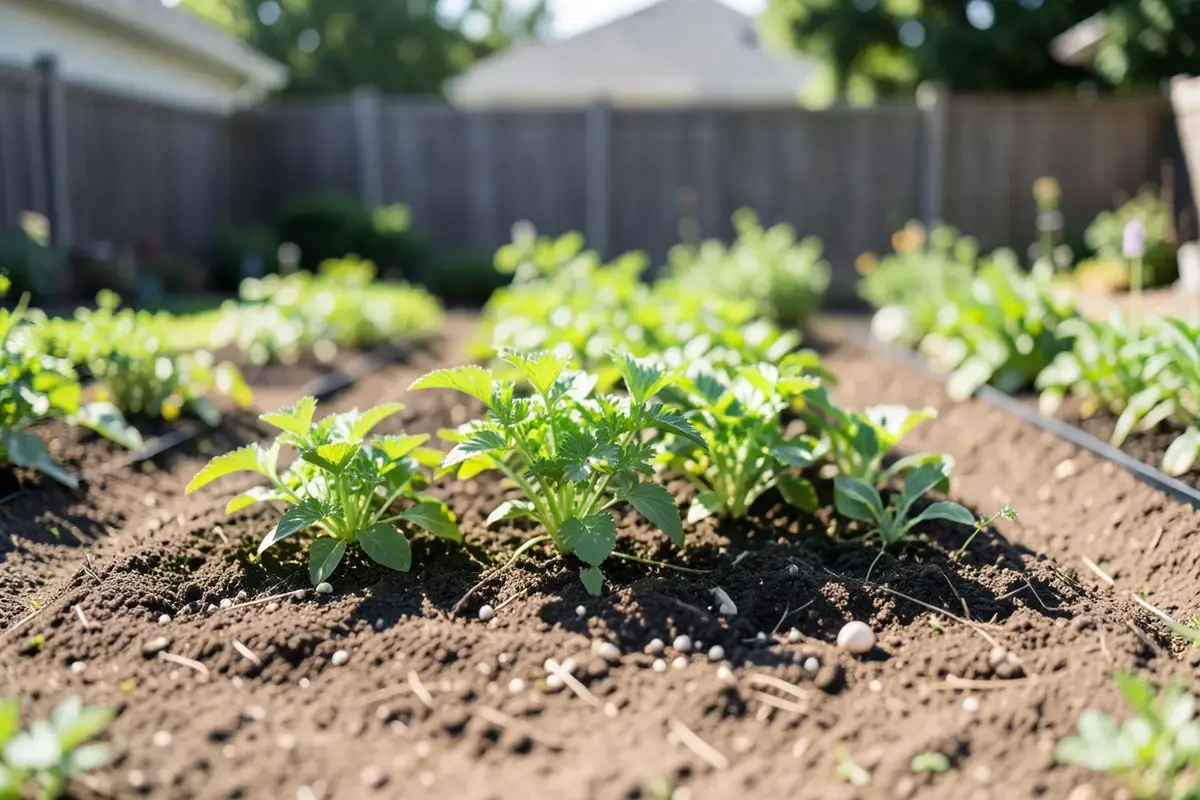
The majority of victory gardens were planted in private backyards. Homeowners converted lawns, flower beds, and unused patches of dirt into vegetable plots. By 1943, the U.S.
Department of Agriculture reported that over 18 million families maintained backyard gardens.
Backyards offered several advantages: they were convenient, required no commuting, and allowed families to control the quality of their produce. Typical crops included tomatoes, beans, carrots, lettuce, and potatoes.
- Small suburban lots yielded up to 300 pounds of vegetables per season.
- Backyard gardens required minimal tools: a spade, trowel, and watering can.
- Many families preserved surplus produce through canning and drying.
- Children often helped with watering and weeding after school.
- Government pamphlets provided seed recommendations for backyard plots.
Warning: Some homeowners mistakenly planted invasive species or crops that attracted pests. The USDA advised sticking to hardy, fast-growing vegetables for best results.
Backyard gardens became a symbol of civilian patriotism. Families proudly displayed “Victory Garden” signs, and neighbors often shared harvests. By 1945, backyard plots alone contributed nearly 40% of the vegetables consumed in American homes.
Schoolyards and Educational Gardens
Schools across the country dedicated portions of their grounds to victory gardens. Students planted, tended, and harvested vegetables as part of their curriculum, learning practical skills in agriculture and nutrition.
The program was endorsed by the U.S. Office of Education and the War Food Administration. By 1944, more than 1.5 million school victory gardens were active, producing food for school lunches and for donation to local war efforts.
- Elementary schools often planted lettuce, radishes, and green beans.
- High school agriculture programs managed larger plots with corn and squash.
- Some schools turned athletic fields into temporary gardens.
- Garden clubs and 4-H groups provided guidance to teachers.
- Harvests were used to supplement school meal programs.
Tip: Schools that lacked ground space used raised beds on asphalt playgrounds or partnered with nearby community gardens to involve students.
The educational value extended beyond food production. Students learned about biology, soil science, teamwork, and the importance of civilian contributions to the war effort. These gardens also fostered a lifelong appreciation for homegrown food in many young Americans.
Public Parks and Municipal Spaces
Many cities converted public parks and municipal spaces into victory gardens during the war. Large open areas like Boston Common, Chicago’s Grant Park, and San Francisco’s Golden Gate Park saw sections turned over to individual garden plots.
Local governments supported these efforts by providing tools, seeds, and watering facilities. Parks departments often designated specific zones for gardening, with residents assigned individual plots through a lottery or first-come system.
- Central Park in New York hosted over 200 victory garden plots in 1943.
- Philadelphia’s Fairmount Park had more than 500 family plots.
- Many parks posted signs: “This area is a Victory Garden – Do Not Walk On It.”
- Parks with sports fields often reserved sidelines and outfields for gardens.
- Some urban parks were entirely transformed into vegetable farms for the duration of the war.
| City | Park | Plots (approx.) |
|---|---|---|
| New York | Central Park | 200+ |
| Chicago | Grant Park | 400+ |
| Boston | Boston Common | 150+ |
| San Francisco | Golden Gate Park | 300+ |
Public park gardens were highly visible and encouraged passersby to start their own plots. They also served as demonstration sites where master gardeners taught techniques like companion planting and composting.
Vacant Lots and Urban Brownfields
Abandoned lots, often filled with rubble and weeds, were cleared and turned into productive gardens by community groups. Cities encouraged this practice to beautify neighborhoods and reduce fire hazards while increasing food production.
The Works Progress Administration (WPA) and local relief agencies helped clear debris and prepare soil. In some cases, landowners allowed temporary gardening in exchange for property upkeep.
- Detroit’s “Thrift Gardens” program cultivated over 9,000 vacant lots by 1943.
- Chicago’s “Garden Army” turned derelict land into 10,000 new plots.
- Los Angeles converted vacant downtown lots into community gardens.
- Railroad companies permitted gardening on unused rights-of-way.
- Vacant lot gardens often grew grain and sunflower seeds in addition to vegetables.
Important: Soil quality on vacant lots was often poor. Gardeners tested pH levels and amended soil with compost or manure donated by local stables and farms.
By turning blighted spaces into food-producing plots, victory gardens improved urban environments and reduced pressure on strained food distribution systems. Many of these makeshift gardens became permanent community gardens after the war.
Rooftops and Balconies: Urban Victory Gardens Without Land
City dwellers without ground space turned rooftops and balconies into miniature gardens. Tenement roofs, apartment building flat roofs, and even fire escapes became sites for container gardening.
Rooftop gardens required careful planning due to weight limits and wind exposure. Many used wooden boxes, barrels, or concrete blocks filled with potting soil. Popular crops included tomatoes, peppers, herbs, and strawberries.
- New York’s Lower East Side had rooftop gardens on over 1,000 buildings.
- Chicago’s apartment dwellers created “sky gardens” using window boxes and hanging pots.
- Rooftop gardening reduced heat absorption and improved building insulation.
- Some apartments pooled resources to maintain shared rooftop plots.
- Balcony gardens were especially popular for salad greens and herbs.
Tip: To prevent soil from blowing away, rooftop gardeners used burlap sacks and wooden slats. Daily watering was essential because containers dried out quickly.
The USDA distributed pamphlets specifically for container gardening, titled “Garden on Your Roof.” This innovation allowed millions of urbanites to participate in the victory garden movement despite having no ground-level land.
Industrial and Workplace Gardens
Factories, shipyards, and corporate campuses set aside land for employee victory gardens. Workers tended plots before shifts or during lunch breaks, often with tools and seeds provided by the company.
These gardens served dual purposes: they increased food production and boosted employee morale by giving workers a tangible connection to the war effort. Some companies awarded prizes for the best garden.
- Bethlehem Steel’s shipyards in California had over 2,000 employee garden plots.
- Ford Motor Company’s Rouge Plant dedicated 100 acres to gardens.
- Railroad yards allowed employees to plant along unused tracks.
- War plants in Seattle, Detroit, and Pittsburgh all had active garden programs.
- Company gardens often donated surplus to local war relief organizations.
| Company | Location | Acres in Gardens |
|---|---|---|
| Ford Motor Co. | Dearborn, MI | 100 |
| Bethlehem Steel | San Francisco, CA | 50 |
| International Harvester | Chicago, IL | 40 |
| Boeing | Seattle, WA | 30 |
Workplace gardens demonstrated that even the largest industrial employers could contribute to food security. By 1944, industrial victory gardens provided fresh vegetables for thousands of workers and their families.
Community Gardens and Allotment Associations
Many neighborhoods banded together to create shared victory gardens. These community plots were often located on land donated by churches, civic organizations, or private citizens. Allotment associations divided the ground into family-sized parcels.
Community gardens fostered cooperation and allowed those with no yard or balcony to still grow food. They also provided a social outlet, with gardeners exchanging tips and sharing harvests.
- Portland, Oregon, had over 5,000 community victory garden plots.
- Boston’s Fenway Victory Gardens, planted in 1942, remain the oldest continuously operated community garden in the U.S.
- Churches often donated churchyards and rectory land for gardens.
- YMCA and YWCA branches organized garden clubs for youth.
- Ethnic clubs and neighborhood associations managed gardens that grew culturally preferred vegetables.
Important: Community victory gardens required written agreements to prevent disputes over water rights and plot boundaries. Most associations elected a garden captain to oversee operations.
The community garden model proved so successful that many converted to permanent gardens after the war. Today, many historic community gardens trace their origins to the victory garden movement of the 1940s.
Other Unconventional Locations
Victory gardens appeared in many unusual places. Golf courses had fairways turned into vegetable beds. Prison yards, hospital grounds, and even military bases grew gardens on unused land.
The ingenuity of American gardeners knew no bounds. Some examples of atypical victory garden sites include:
- Railroad embankments alongside tracks, where commuters could see them.
- Graveyard plots (with permission) in rural areas with extra space.
- Rooftops of farm buildings such as barns and silos (using soil beds).
- Airfields and landing strips, where grassed areas were converted to crops.
- The White House lawn – First Lady Eleanor Roosevelt planted a victory garden on the South Lawn in 1943.
The White House garden was especially symbolic, inspiring countless Americans to plant their own. According to the National WWII Museum, Eleanor Roosevelt’s garden produced 7,000 pounds of vegetables in its first year.
These unconventional locations demonstrated the breadth of the victory garden campaign. No space was too small or too odd if it could yield food for the war-strained nation.
Why These Locations Mattered
The widespread placement of victory gardens in every conceivable space achieved a monumental goal: it reduced demand on the commercial food system, freeing up resources for the military. By 1944, victory gardens produced over 8 million tons of food.
The variety of locations meant that virtually every American could participate, regardless of income or housing type. From the poorest tenement dweller with a window box to the suburban homeowner with a large backyard, everyone had a role.
- Urban gardens reduced transportation costs and spoilage.
- School gardens educated a generation about food origins.
- Industrial gardens fostered worker loyalty and productivity.
- Community gardens strengthened neighborhood bonds.
- Rooftop gardens literally raised urban food production to new heights.
| Location Type | Estimated Plots (1944) | Primary Crops |
|---|---|---|
| Backyards | 18 million | Tomatoes, beans, carrots |
| Schoolyards | 1.5 million | Lettuce, radishes, green beans |
| Public parks | 2 million | Potatoes, squash, cabbage |
| Vacant lots | 3 million | Corn, sunflowers, root vegetables |
| Rooftops/balconies | 500,000 | Tomatoes, peppers, herbs |
The legacy of these diverse garden locations is still visible today in the popularity of urban agriculture and community gardening. The victory garden movement proved that food production can happen anywhere, a lesson that remains relevant for modern sustainability efforts.
Frequently Asked Questions
What types of locations were most common for victory gardens?
Backyards were the most common, with over 18 million families growing vegetables at home. Schoolyards, public parks, and vacant lots were also widely used, especially in cities where land was scarce.
Did victory gardens appear in rural areas or only cities?
While rural areas had more farmland, victory gardens were planted in both rural and urban settings. Rural families often expanded their existing vegetable plots, while urban dwellers used unconventional spaces like rooftops and window boxes.
How did people find space for a victory garden if they had no yard?
Many joined community gardens on donated land, used window boxes, or grew on rooftops.
City governments also provided garden plots in public parks and on cleared vacant lots.
Were any famous or unusual locations used for victory gardens?
Yes, the White House lawn hosted a famous victory garden planted by First Lady Eleanor Roosevelt. Other unusual locations included golf courses, prison yards, railroad embankments, and the grounds of military bases.
Why did the government encourage planting in so many different places?
Diverse locations ensured maximum participation and food production. By using every available inch of land, victory gardens freed up commercial food resources for the military and helped prevent food shortages on the home front.
Final Thoughts
Victory gardens were planted in virtually every type of space imaginable, from private backyards to public parks and even rooftops. This widespread effort mobilized millions of Americans and produced an astonishing amount of food. The locations chosen reflected both necessity and patriotism, proving that every patch of land could contribute to the war effort.
Today, the victory garden legacy lives on in the growing urban farming and community garden movements.