How Savanna Plants Have Adapted To Long Periods Of Drought
Savanna plants are masters of surviving drought. They develop deep root systems to reach water. Many store water in stems or leaves. Some shed leaves to save moisture. Others have tough, waxy coatings. These help prevent water loss. They are incredibly resilient.
For the broader gardening context, Does The Botanical Gardens Accept Ticket Transfers For Concerts? gives readers a useful next step on the same topic.
The Dry Season Challenge
Savannas are beautiful but demanding places. They cover large areas of the world. Africa, South America, and Australia have them.
The weather is not constant. There’s a wet season and a dry season. The dry season can last for many months.
During this time, water is very scarce. The sun is often hot. The ground can become very dry and cracked.
It’s a test of endurance for all living things. Plants are especially challenged.
Without enough water, plants cannot grow. They cannot make food. They cannot reproduce.
Many plants simply die. But savanna plants are different. They have evolved over thousands of years.
They have developed smart strategies to stay alive. These strategies are key to the savanna ecosystem. They shape the landscape we see.

Deep Roots: Reaching for Life
One of the most important adaptations is root depth. Savanna plants have very deep root systems. Think about how a tree’s roots spread.
They go down, down, down. They search for water deep in the soil. The surface soil dries out quickly.
It bakes in the sun. But deeper down, there can still be moisture. These deep roots act like straws.
They pull water up from far below.
Consider the iconic acacia tree. Its roots can go down many meters. Some studies show them reaching over 50 feet!
That’s as deep as a five-story building is tall. This is a huge advantage. While other plants wither, the acacia stays green.
It can keep its leaves and photosynthesize. This gives it a big head start when the rains return.
Not just trees have deep roots. Many savanna grasses also develop extensive root networks. Their roots spread wide and go deep.
This helps them anchor firmly in the dry soil. It also lets them capture every drop of rain that falls. Even brief showers are important.
These root systems are vital for survival.
The structure of the soil matters too. In some savannas, there are layers of hardpan clay. This can block roots from going deeper.
Plants that can crack this layer or grow around it have a better chance. They have adapted to these specific soil conditions.
Water Storage: Nature’s Canteens
Another clever trick is storing water. Some savanna plants are like nature’s canteens. They have parts that hold a lot of water.
This water can be used during the long dry spells. The most common storage organs are stems and roots. But sometimes, leaves can store water too.
Think of succulents. Many desert plants store water in their thick, fleshy leaves. Some savanna plants do this too.
Their leaves are often plump and juicy. This allows them to survive even when there is no rain for weeks. The water is held inside the plant’s tissues.
Many trees have swollen trunks or underground tubers. These parts are filled with stored water and nutrients. The baobab tree is a famous example.
Its massive trunk can hold thousands of liters of water. This makes it a life-saving resource for animals in the dry season. They can even chew on the bark to get moisture.
These storage tissues are often protected. They might be covered in thick bark or a tough outer layer. This prevents animals from easily accessing the stored water.
It also helps reduce water loss to the air. The plant can slowly use this stored water as needed.
Leaf Adaptations: Saving Every Drop
Leaves are where plants breathe and make food. But they also lose a lot of water through their leaves. This process is called transpiration.
Savanna plants have found ways to reduce this water loss. They modify their leaves in many interesting ways.
Some plants have very small leaves. Smaller leaves have less surface area. This means less water can escape.
Think of needle-like leaves on some shrubs. Others have leaves that are very narrow. They might look like blades of grass.
This reduces the surface exposed to the dry air.
Many savanna plants have leaves with a waxy coating. This coating is called a cuticle. It’s like a waterproof layer.
It seals the leaf surface. This stops water from evaporating too quickly. The leaves might also feel smooth or shiny because of this wax.
Some plants have leaves that are covered in fine hairs. These hairs can create a layer of still air around the leaf. This reduces the rate of evaporation.
It’s like having a tiny personal shade system. These hairy leaves can also reflect more sunlight. This keeps the leaf cooler.
Leaf Designs for Drought Survival
Small Size: Less surface means less water lost.
Waxy Coating: A waterproof layer seals the leaf.
Hairy Surface: Traps air and reflects sun.
Rolling or Folding: Reduces exposed area.
Another adaptation is leaf rolling or folding. When conditions get very dry, some plants can roll their leaves inward. This protects the inner surface.
It reduces the area exposed to the sun and wind. The stomata, the pores where gas exchange happens, are often on the underside of the leaf. Rolling them inward helps shield them.
Some plants even change their leaf shape during the dry season. They might have larger, thinner leaves during the wet season. Then, they switch to smaller, thicker leaves when it gets dry.
This is a very efficient way to manage water resources.
Shedding Leaves: A Necessary Sacrifice
For many savanna plants, the best way to survive the dry season is to simply get rid of their leaves. This is called leaf shedding or abscission. It’s a form of dormancy.
The plant stops most of its activity to conserve energy and water.
When the dry season starts, many trees and shrubs lose all their leaves. They become bare. This might look like they are dead.
But they are just waiting. They are conserving their precious water reserves. They are protecting themselves from drying out.
This shedding is a very smart strategy. Leaves are where most of the plant’s water is used. By dropping them, the plant drastically reduces its water needs.
It can then survive on stored water. It uses very little energy until the rains return. The plant basically shuts down its water-hungry operations.
Grasses also go through a similar process. The green leaves turn brown and dry. They may die back to the ground.
But the roots remain alive. The underground parts are protected from the harsh surface conditions. When the first rains arrive, new green shoots emerge quickly.
This shedding process is triggered by environmental cues. These include the length of daylight and the lack of soil moisture. The plant has internal signals that tell it when to drop its leaves.
It’s a timed response to the changing seasons.
Plant Dormancy During Drought
Why Shed Leaves? To drastically cut water use.
What Happens? Plant becomes bare or grass dries out.
Energy Savings: Conserves energy until rain returns.
Trigger: Dry soil and changing daylight.
Toughness and Protection
Savanna plants often develop tough outer layers. These protect them from dehydration and damage. The bark on trees can be very thick.
This bark insulates the inner tissues. It prevents water from escaping. It also protects the tree from fires, which are common in savannas.
Thorns are another common feature. While thorns are often seen as a defense against animals, they can also help reduce water loss. They are modified leaves or branches.
They have less surface area than full leaves. They also have a tough, waxy surface.
Some plants have very tough, leathery leaves. These leaves are less likely to wilt or dry out. They are built to withstand harsh conditions.
This toughness is a result of strong cell walls and reduced water content compared to softer leaves.
The seeds of savanna plants are also adapted. They are often hard-coated. This protects them from drying out in the soil.
It also means they can wait for the right conditions to sprout. They might need a good soaking rain or even fire to break their dormancy.
Timing is Everything: Life Cycles
The life cycles of savanna plants are closely tied to the seasons. Many plants are annuals. They complete their entire life in one year.
They sprout, grow, flower, and set seed very quickly. This happens during the wet season.
When the rains start, the savanna bursts into life. Annual plants take advantage of this short window. They grow fast.
They reproduce. Then, their seeds lie dormant in the dry soil. They wait for the next wet season.
Their survival depends on this precise timing.
Perennial plants, those that live for more than one year, have different strategies. They might flower and set seed during the wet season. But their main focus during the dry season is survival.
They use their stored resources. They wait for the rains to resume growth.
Some plants have flowering times that are very specific. They might only flower after a particular amount of rain has fallen. This ensures that their seeds have a good chance of germinating and growing.
It’s a gamble, but an educated one.
Annual Plants in Savannas
Life Cycle: Complete life in one year.
Activity: Grow and reproduce only during the wet season.
Seed Survival: Seeds wait in dry soil for rain.
Advantage: Avoid the harsh dry season.
Fire Adaptations: A Fiery Friend
Fire is a natural and frequent event in many savannas. Lightning strikes can start fires. They are also sometimes set by humans.
For many savanna plants, fire is not a threat. It is a part of their life cycle. They have adapted to survive and even benefit from fires.
Many grasses have thick, fibrous roots. These roots are often protected underground. They can survive the heat of a grass fire.
When the fire passes, new shoots emerge quickly from the burned soil. The ash from the fire also adds nutrients back to the soil. This helps the grass grow even stronger.
Some trees have thick, insulating bark. This bark protects the living tissues underneath from the flames. They might look scorched on the outside.
But the inside is usually fine. They can recover and continue to grow.
For other plants, fire is necessary for reproduction. Some seeds will not germinate unless they have been exposed to fire. The heat from the fire can break down a tough seed coat.
Or it can trigger chemical changes within the seed. This ensures they sprout only when conditions are good for growth after a fire.
The savanna ecosystem is a balance. Fire helps clear out old vegetation. It recycles nutrients.
It prevents forests from taking over. The plants that thrive there are those that can withstand or even use fire.
How Plants Survive Savanna Fires
Grasses: Underground roots and quick regrowth.
Trees: Thick, fire-resistant bark.
Seeds: Some need fire to sprout.
Ecosystem Role: Fire clears space and recycles nutrients.
The Savanna Ecosystem: A Web of Life
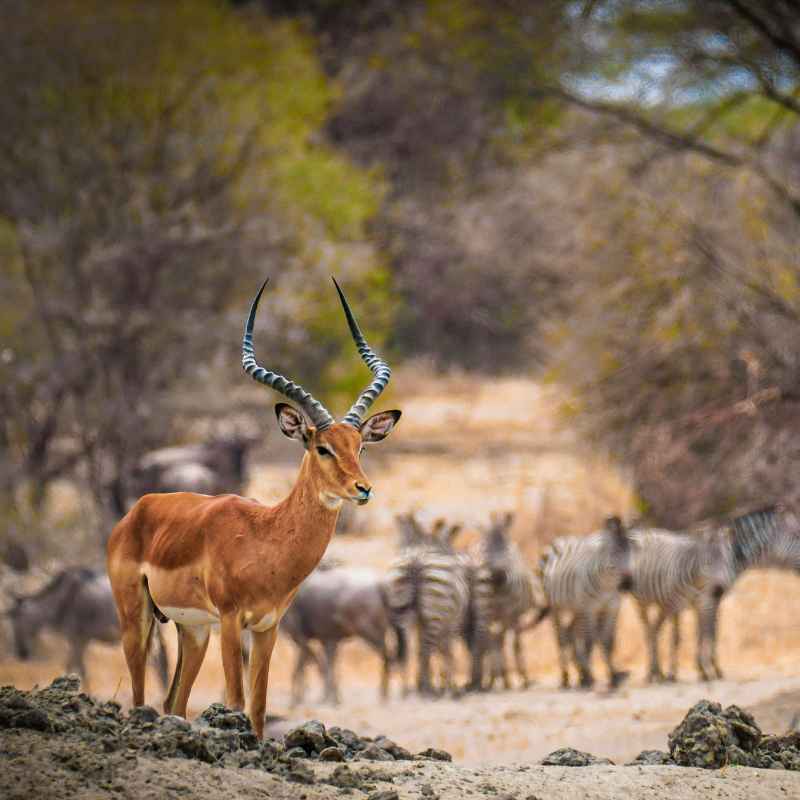
These plant adaptations are not just for the plants themselves. They support the entire savanna ecosystem. The grasses feed herbivores like zebras and wildebeest.
The trees provide shade and food for animals. They also offer nesting sites for birds.
When the dry season hits, the landscape changes. But the adapted plants provide resources. Animals rely on these plants for food and water.
Some animals migrate to find greener pastures. Others stay and adapt. They might eat dry grass or tree bark.
They might dig for water sources.
The ability of plants to survive drought is fundamental. It determines what other life can exist in the savanna. If the plants fail, the animals will also suffer.
The cycle of life in the savanna is built on these plant survival strategies.
Even the soil benefits. Deep root systems help bind the soil together. This prevents erosion.
When the rains come, the soil can absorb the water better because it’s held in place by the roots. This is a crucial service for the landscape.
My Experience with Savanna Plants
I remember visiting a savanna park in Kenya. It was the end of the dry season. The air was hot and dusty.
Everything looked brown and parched. The ground was cracked. I saw many animals, but the vegetation seemed stressed.
Then, I noticed a particular acacia tree. It was still full of green leaves. The sun beat down, but it looked vibrant.
I asked our guide why. He explained about the acacia’s incredibly deep roots. He told me they could reach water far below the dry surface.
He pointed out the waxy coating on the leaves. He said it helped them hold onto moisture. It was a powerful lesson.
Nature’s engineering is amazing.
Later, as the first clouds gathered, I saw a change. The dry grasses began to turn a faint green. Tiny shoots pushed up from the earth.
It was as if the land itself was waking up. The plants had been waiting, conserving their strength. They were ready to bloom again.
This made me appreciate the resilience of these plants so much more. They are truly survivors.
When is Drought Stress Normal?
In savannas, drought is a regular part of life. So, seeing plants go dormant or their leaves turn brown is normal. It’s expected.
This is not a sign of distress, but of adaptation. Plants are conserving energy and water. They are waiting for the wet season.
You might see many trees without leaves. You might see grasses looking completely dead and brown. This is all normal.
The plant is not dying. It is surviving. Its survival mechanism is simply to shut down or reduce activity.
It is a strategy for endurance.
The key is to understand the typical climate. If you are in a savanna during the dry season, expect a dry landscape. If you are somewhere else, and plants look dry, it might be different.
It’s important to know the environment you are observing.
When to Worry: Signs of Real Trouble
While drought is normal, there are times when plants might be in real trouble. This usually happens when the drought is much longer or more severe than usual. Or if the plants cannot access their usual survival mechanisms.
One sign of trouble is if plants don’t recover when the rains do come. If the grasses stay brown and don’t sprout new shoots, something is wrong. If trees remain bare after the rains start, and show no new buds, that’s a bad sign.
Another sign is widespread death. If entire stands of trees or large areas of grass die off completely, even after rain, it indicates a serious problem. This could be due to extreme drought, disease, or other environmental factors.
In a savanna context, if the deep root systems are damaged, or if there’s been overgrazing that prevents regrowth, plants might struggle more. But generally, the plants are built to handle the dry spells.
Savanna Plant Health Checks
Normal: Plants dormant, brown grass, bare trees during dry season.
Concerning: No regrowth after rains start.
Serious: Widespread death of plants, not just dormancy.
Context is Key: Understand the local climate and season.
Simple Checks and Observations
Observing savanna plants is fascinating. You can learn a lot just by looking closely. Look at the leaves.
Are they small? Do they have a waxy shine? Are they covered in hairs?
Look at the bark of trees. Is it thick? Does it seem fire-resistant?
Observe the ground. You might see many seeds lying dormant. You might see tough, dry grasses waiting for moisture.
If you visit during the transition from dry to wet season, watch for the signs of life returning. It’s a magical time.
Remember, in the savanna, resilience is the name of the game. The plants have developed incredible ways to endure. They are a testament to the power of adaptation.
Quick Tips for Savanna Gardeners (if Applicable)
While this article focuses on wild savannas, the principles apply to gardens in similar climates. If you live in a dry region with a distinct dry season, consider these tips:
- Choose Drought-Tolerant Plants: Select species known to survive with little water. Look for plants with small, waxy, or hairy leaves.
- Mulch Heavily: A thick layer of mulch helps the soil retain moisture. It also keeps roots cooler.
- Water Deeply, Less Often: When you do water, water thoroughly. This encourages roots to grow deeper. Avoid frequent, shallow watering.
- Group Plants by Water Needs: Place plants that need more water together. Place drought-tolerant plants together.
- Embrace Dormancy: Understand that some plants may go dormant during the dry season. This is normal.

Frequently Asked Questions About Savanna Plant Adaptations
How do savanna plants get water during the dry season?
Savanna plants get water in several ways. They have very deep root systems that reach underground water. Some plants store water in their stems or roots.
Others have leaves that reduce water loss.
Why do savanna plants shed their leaves?
Plants shed their leaves to conserve water. Leaves lose a lot of water through a process called transpiration. By dropping leaves, the plant drastically reduces its water needs during the long dry season.
Are savanna fires always bad for plants?
No, savanna fires are often natural and beneficial. Many grasses and some trees are adapted to survive fires. Fire can also help trigger the germination of seeds for some plant species.
What are some common adaptations of savanna plant leaves?
Savanna plant leaves are often small to reduce water loss. They might have a thick, waxy coating. Some are covered in fine hairs.
Others can roll or fold to protect themselves.
How do savanna plants store water?
Many savanna plants store water in their swollen stems or roots. These parts act like natural reservoirs. Some plants, like succulents, store water in their fleshy leaves.
Do all savanna plants look the same?
No, savanna plants are very diverse. There are many types of grasses, shrubs, and trees. Each species has its own unique set of adaptations to survive the dry conditions and other challenges of the savanna.
The Enduring Spirit of the Savanna
Savannas are dynamic places. They are shaped by the seasons and by natural events like fire. The plants that live here are not fragile.
They are incredibly tough and resilient.
Their adaptations are a masterclass in survival. From reaching deep for water to storing it wisely, they show us nature’s ingenuity. They thrive where others would perish.
These plants are the foundation of a vibrant ecosystem. They remind us of the power of adaptation.