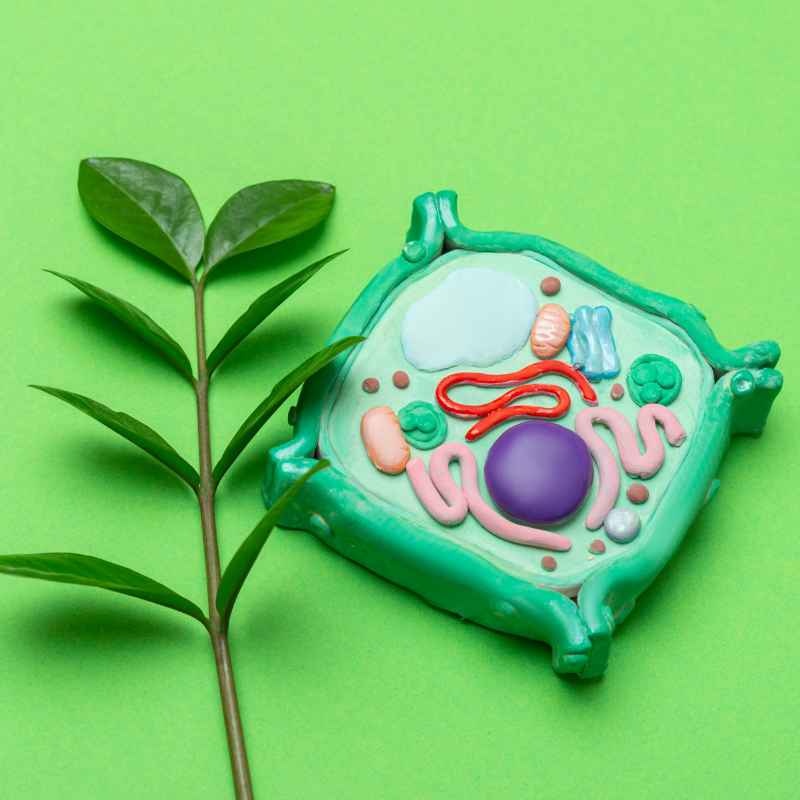

Plant cells control internal turgor pressure mainly through osmosis and the properties of their cell walls. Water enters and leaves the cell based on solute concentration, pushing against the rigid cell wall. This balance keeps the plant rigid and upright.
Understanding Turgor Pressure in Plant Cells
Turgor pressure is the force exerted by the water inside a plant cell against its cell wall. Think of it as the internal push. This pressure is key for plant structure.
Without it, plants would just collapse. It’s a bit like inflating a balloon inside a box. The balloon pushes outwards on the box walls.
This internal pressure is crucial for many plant functions. It helps plant cells maintain their shape. It also plays a big role in plant growth.
Turgor pressure can push cells to expand. This is how stems grow taller and leaves unfurl. Even tiny movements in plants, like a flower closing at night, can be linked to changes in turgor pressure.
The Role of the Cell Wall
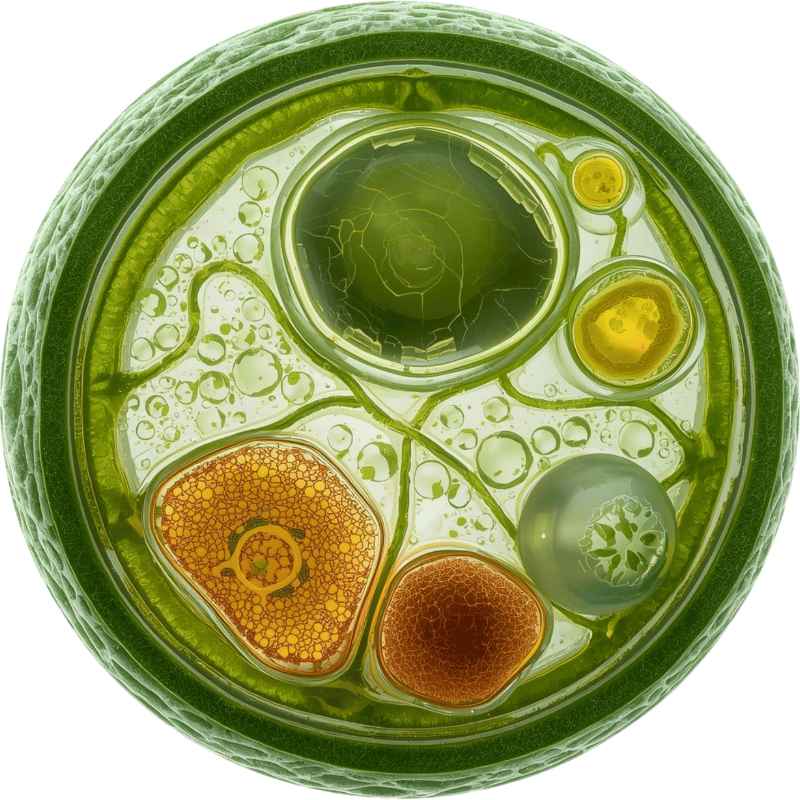
The plant cell wall is a tough outer layer. It surrounds the cell membrane. This wall is made of strong materials, mostly cellulose.
It’s like a sturdy, but slightly flexible, suit of armor for the plant cell. This rigid structure is essential for managing turgor pressure.
When water enters the plant cell, the cell swells. The cell membrane pushes outwards. It presses against the cell wall.
The cell wall resists this outward push. It doesn’t break. Instead, it exerts an equal and opposite pressure back on the cell.
This creates the turgor pressure we talked about. The wall prevents the cell from bursting.
The strength and composition of the cell wall can vary. Younger cells might have thinner, more flexible walls. As cells mature, their walls can become thicker and stronger.
This adaptation allows them to withstand higher turgor pressures. It also affects how much the cell can grow.
Osmosis: The Water Mover
Osmosis is the process that drives water into and out of plant cells. It’s a type of diffusion. Water moves from an area where it’s more concentrated to an area where it’s less concentrated.
This happens across a semipermeable membrane, like the cell membrane.
Inside a plant cell, there are dissolved substances called solutes. These include sugars, salts, and proteins. The more solutes there are, the less concentrated the water is.
If a plant cell is in pure water, the water outside is more concentrated than inside. So, water moves into the cell.
As water enters the cell, the volume inside increases. This causes the cell membrane to push against the cell wall. This builds up the turgor pressure.
The pressure then starts to push water back out. Eventually, a balance is reached. The inward movement of water due to osmosis is balanced by the outward push of turgor pressure.
This state is called incipient plasmolysis or turgidity.
Osmosis in Action: A Simple Example
Imagine a raisin in a glass of water. A raisin is a dried grape. It has very little water inside.
When you put it in water, osmosis happens. Water moves from the glass into the raisin. The raisin plumps up.
This shows how water moves into an area of lower water concentration.
Now think about a plant cell. If the cell is in a salty solution, the solutes outside are high. The water outside is less concentrated.
Water will move out of the cell. This causes the cell to shrink. This is the opposite of turgor pressure.
The Vacuole’s Crucial Role
Plant cells have a large central vacuole. This is like a big sac inside the cell. It can take up a lot of the cell’s volume, sometimes 30% to 80%.
The vacuole is filled with cell sap. Cell sap is mostly water, but it also contains dissolved sugars, salts, and waste products.
The vacuole is the main storage place for water in a plant cell. When water enters the cell through osmosis, much of it ends up in the vacuole. This increases the volume of the vacuole.
As the vacuole expands, it pushes the cytoplasm and the cell membrane against the cell wall. This is a direct contributor to turgor pressure.
The concentration of solutes within the vacuole is a key factor. Higher solute concentration in the vacuole means lower water concentration. This draws more water into the vacuole by osmosis.
This, in turn, increases turgor pressure. The plant can adjust the solute concentration in its vacuole to manage pressure.
When a plant wilts, it means the vacuoles have lost water. The turgor pressure drops. The cell becomes flaccid, meaning soft and limp.
Adding water allows the vacuoles to refill. This restores the turgor pressure and makes the plant firm again.
Vacuole: More Than Just Water Storage
- Storage: Holds water, ions, nutrients, and waste products.
- Support: Contributes significantly to turgor pressure.
- Waste Disposal: Can break down waste materials.
- Protection: Stores pigments that can attract pollinators or deter pests.
How Plants Use Turgor Pressure
Turgor pressure is not just about keeping plants from wilting. It’s actively used for many vital functions.
Plant Growth and Elongation
Plant growth, especially the lengthening of shoots and roots, is heavily reliant on turgor pressure. For a cell to grow larger, its cell wall must yield. This yielding happens when the turgor pressure is high enough to overcome the wall’s resistance.
Specialized enzymes can also loosen the cell wall.
As the cell wall softens slightly, the internal water pressure pushes the cell membrane outwards. This stretches the cell wall. The cell elongates.
This process is called cell expansion. It’s a dynamic balance between internal pressure and cell wall elasticity. This controlled stretching is how plants gain height and size.
Movement in Plants
Some plant movements are directly caused by changes in turgor pressure. A classic example is the opening and closing of stomata. Stomata are tiny pores on the surface of leaves.
They control gas exchange. They open when guard cells gain water and close when they lose water.
Another example is the sleep movements of some leaves. Leaves of plants like the Mimosa pudica fold up when touched. This is due to rapid changes in turgor pressure in specialized cells.
These cells lose water very quickly when a stimulus is received. This causes the leaf to droop or fold.
Contrast Matrix: Turgid vs. Flaccid Cells
| Feature | Turgid Cell (Full of Water) | Flaccid Cell (Low Water) |
|---|---|---|
| Turgor Pressure | High, pushes against cell wall. | Low or zero, no significant outward pressure. |
| Cell Wall | Stretched taut, provides support. | Not stretched, cell may appear soft. |
| Vacuole | Full of water, contributes to pressure. | Partially or fully collapsed. |
| Plant Appearance | Firm, upright, rigid. | Wilting, soft, drooping. |
Factors Affecting Turgor Pressure
Several factors can influence how much turgor pressure a plant cell has.
Water Availability in the Soil
The most direct factor is the amount of water available in the plant’s environment, especially the soil. If the soil is dry, the plant cannot absorb enough water. This leads to less water entering the cells, reducing turgor pressure.
This is why watering plants when they wilt is so effective.
Solute Concentration
As mentioned, the concentration of solutes inside the cell, particularly in the vacuole, is very important. Higher solute concentration means more water will be drawn into the cell. This increases turgor pressure.
Plants can regulate this concentration to some extent.
Environmental factors can also affect solute concentration. For example, in salty soils, the external solute concentration can be high. This makes it harder for water to enter the plant cell.
It can even cause water to leave the cell. Some plants have adaptations to cope with salty conditions.
Quick-Scan Table: Factors Influencing Turgor
Temperature and Humidity
While less direct, temperature and humidity also play a role. High temperatures can increase the rate of transpiration. Transpiration is the loss of water vapor from the plant’s leaves.
If transpiration is very high, the plant might lose water faster than it can absorb it. This can lead to reduced turgor pressure.
Low humidity also increases transpiration. This is why plants often wilt more on hot, dry days. The combination of heat and low humidity creates a challenging environment for maintaining turgor pressure.
The plant’s ability to absorb water must keep pace with its water loss.
Real-World Scenarios and Plant Health
Observing plant turgor pressure in action is easy if you know what to look for.
Gardening and Plant Care
For anyone who has a garden or houseplants, understanding turgor pressure is fundamental. Wilting is the most obvious sign of low turgor. It tells you the plant needs water.
Overwatering can also cause problems. Too much water can prevent roots from getting oxygen. This can damage the roots and affect water uptake.
Different plants have different needs. Some plants, like succulents, store water in their leaves. They can tolerate periods of low turgor better than others.
Other plants, like lettuce or ferns, have high water content. They wilt very quickly if they don’t get enough water.
Observational Flow: A Plant Wilting and Recovering
Scenario: A sunny afternoon, a potted tomato plant is left unwatered.
- Initial State: Plant is firm, leaves are spread wide, stems are upright. Turgor pressure is high.
- Water Loss Begins: Sun and heat increase transpiration. Plant loses water vapor from leaves faster than it can absorb from soil.
- Turgor Drops: Vacuoles start to lose water. Cells become less rigid.
- Wilting Appears: Leaves begin to droop. Stems may sag. Plant looks sad. Turgor pressure is low.
- Watering: You water the plant. Water soaks into the soil.
- Water Absorption: Roots take up water. Water moves into plant cells via osmosis.
- Vacuoles Refill: Vacuoles swell with water. Cytoplasm pushes against cell walls.
- Turgor Restored: Turgor pressure increases again. Cells become firm.
- Plant Recovers: Leaves perk up. Stems become upright. Plant looks healthy again.
Plant Diseases and Pests
Some plant diseases and pests can interfere with a plant’s ability to maintain turgor pressure. For instance, certain fungi can clog the plant’s vascular system (xylem). This blocks water from reaching the cells.
Other pests might damage root systems, reducing water absorption.
In some cases, a plant might appear wilted, but it’s not due to lack of water. It could be a sign of root rot or a vascular disease. This is why it’s important to check the soil moisture and the general health of the plant.
A plant that is consistently wilted despite adequate watering might have a more serious problem.
What This Means for You
Understanding how plant cells control turgor pressure gives you practical insights.
When is Low Turgor Normal?
It’s normal for plants to experience some temporary drops in turgor. This happens during the hottest part of the day if water uptake can’t keep up with transpiration. It’s also normal for certain plant movements, like leaves folding at night.
This is often controlled by changes in turgor.
When Should You Worry?
You should worry if a plant is wilting consistently. This is especially true if it happens even after watering. If leaves are yellowing, developing spots, or show signs of rot, these could be related to problems affecting water balance and turgor.
Check for pests or signs of disease.
If a plant doesn’t perk up after watering, it might indicate a problem with its roots or its ability to transport water. This is a sign that more investigation is needed. It could be root damage from overwatering, or a disease.
Simple Checks You Can Do
A very simple check is to feel the soil. Is it dry, moist, or waterlogged? This gives you a clue about water availability.
You can also gently touch the leaves or stems. Do they feel firm and crisp, or soft and limp? The firmness is a direct result of turgor pressure.
If you suspect a problem, gently dig around the base of the plant. Check the roots. Healthy roots are usually firm and white or tan.
Brown, mushy, or foul-smelling roots are a sign of rot.
Quick Fixes and Tips for Plant Health
While we can’t directly control individual cell turgor, we can create the right conditions for plants.
- Water Wisely: Water deeply when the top inch or two of soil is dry. Avoid frequent shallow watering. This encourages deep root growth.
- Choose the Right Spot: Place plants in locations that match their light and temperature needs. This reduces stress.
- Ensure Good Drainage: Use pots with drainage holes. Amend heavy soils with compost to improve drainage.
- Monitor Humidity: In dry indoor environments, misting plants or using a pebble tray can help.
- Observe Your Plants: Regularly look at your plants. Notice any changes. Early detection of issues is key.
Frequently Asked Questions
What is the primary function of turgor pressure?
The primary function of turgor pressure is to provide structural support and rigidity to plant cells and tissues, preventing them from wilting.
How does turgor pressure help plants grow taller?
Turgor pressure pushes against the cell wall. When the cell wall is flexible enough, this pressure causes the cell to expand or elongate, leading to plant growth.
Can too much turgor pressure harm a plant cell?
Normally, the rigid cell wall prevents plant cells from bursting due to high turgor pressure. However, in rare conditions or with certain pathogens, excessive pressure could theoretically contribute to issues, but the cell wall is designed to handle it.
What happens to turgor pressure in freezing temperatures?
Freezing temperatures can cause ice crystals to form inside or outside the cells. This can disrupt the cell membrane and damage the cell wall. Water movement also changes, which can lead to a loss of turgor and cellular damage.
How do plants adjust turgor pressure overnight?
Many plants exhibit nyctinasty, or sleep movements, where leaves fold at night. This is often caused by a decrease in turgor pressure in specific cells, usually due to the movement of ions and solutes, rather than a significant loss of water.
Is turgor pressure the same as osmotic pressure?
Osmotic pressure is the potential for water to move into a cell due to solute concentration differences. Turgor pressure is the actual pressure exerted by the cell contents against the cell wall, which counteracts osmotic pressure.
Conclusion
The control of turgor pressure by plant cells is a marvel of biological engineering. It’s a delicate dance between water, solutes, cell walls, and vacuoles. This internal pressure keeps plants standing tall.
It allows them to grow and react to their environment. Understanding this process helps us appreciate the resilience and complexity of plant life.