Which Part Of The Plant Is Responsible For Photosynthesis?
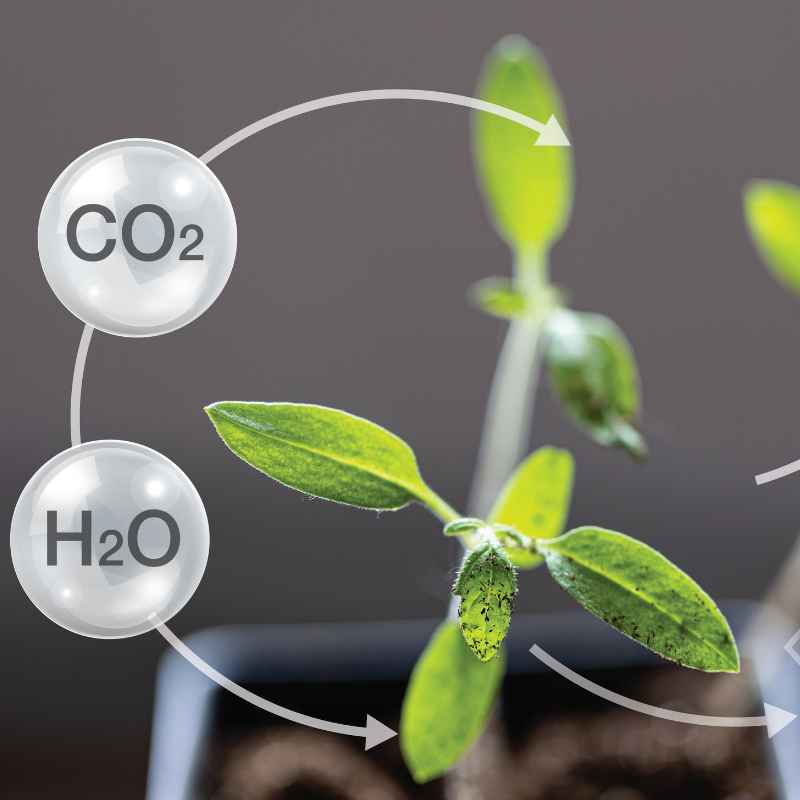
The part of the plant responsible for photosynthesis is primarily the leaves. These structures contain chlorophyll, the pigment that captures sunlight. This energy is then used to convert carbon dioxide and water into glucose (food) and oxygen.
For a related plant or gardening question, Which Gas Do Plants Absorb During Photosynthesis? Answered gives readers a focused next step.
For a related plant or gardening question, When A Plant Undergoes Photosynthesis What Are The Byproducts? gives readers a focused next step.
For a related plant or gardening question, Which Organelle Is Responsible For Photosynthesis In Plant Cells? gives readers a focused next step.
The Leaf: A Tiny Food Factory
Photosynthesis is how plants make their own food. It’s like their own little kitchen inside. This process uses sunlight, water, and air to create energy for the plant.
Without it, plants couldn’t grow or survive. We often think of plants as simple, but they are complex.
The main site for this food-making is the leaf. Leaves are perfectly shaped for this job. They are often flat and wide.
This shape helps them catch as much sunlight as possible. Think of a solar panel. The leaf acts much like one for the plant.
What Happens During Photosynthesis?
Photosynthesis takes place in tiny parts inside the leaf cells. These are called chloroplasts. Chloroplasts hold a special green stuff.
This green stuff is called chlorophyll. Chlorophyll is the key player here. It’s what gives plants their green color.
Chlorophyll’s job is to absorb light energy from the sun. It’s really good at soaking up red and blue light. It doesn’t absorb green light as much.
That’s why leaves look green to us. The green light bounces off, and that’s what we see.
The plant also needs water. Water travels up from the roots through the stem. It reaches the leaves.
The plant also takes in carbon dioxide. This gas comes from the air. Tiny pores on the leaves, called stomata, let the carbon dioxide in.
Stomata also let oxygen out.
Inside the chloroplasts, the sunlight’s energy helps mix the water and carbon dioxide. This creates glucose. Glucose is a type of sugar.
It’s the plant’s food. This food gives the plant energy to grow. It also makes oxygen.
Oxygen is released back into the air.
So, the simple equation is:
- Sunlight + Water + Carbon Dioxide → Glucose (Food) + Oxygen

My Own Green Discovery
I remember one summer, I was trying to grow tomatoes on my balcony. I had a few small plants. I was so excited.
I put them in pots with good soil. I watered them every day. But they just weren’t growing much.
They looked a bit sad and yellow.
I started reading up on what plants need. I knew about water and soil. But I hadn’t really thought much about sunlight.
My balcony gets sun, but maybe not enough. Or maybe the pots were too small. I felt a bit confused.
Then, I read about how important the leaves are. And how they need direct sun to make food. I realized my plants were in a spot that got shade for part of the day.
I moved them to a sunnier corner. I kept watering them. Slowly, I saw a change.
The leaves started to look greener and fuller. The plants began to grow taller. Tiny flowers appeared.
Then, little green tomatoes started to form. It was amazing. It showed me firsthand how much plants rely on their leaves and sunlight for their energy.
It was a real lesson.
Quick Leaf Facts
Shape Matters: Many leaves are broad and flat. This increases the surface area. More surface area means more sunlight can be captured.
Some leaves are long and thin, like grass. They still work efficiently.
Veins are Highways: Leaves have veins. These are like tiny pipes. They carry water up to the leaf.
They also carry food away from the leaf to other parts of the plant.
Tiny Mouths: Stomata are small openings. They are usually on the underside of leaves. They let in carbon dioxide.
They let out oxygen and water vapor. They can open and close.
More Than Just Leaves: Other Parts Play a Role
While leaves are the main stage, other plant parts are essential. They help the leaves do their job. They are like the support crew for the food factory.
The roots are crucial. They anchor the plant in the ground. More importantly, they absorb water and nutrients from the soil.
This water is sent up to the leaves. Without water, photosynthesis cannot happen. Roots also store food for the plant.
The stem is like a transport system. It connects the roots to the leaves. It has tubes that move water up.
It also has tubes that move the glucose (food) down. The stem supports the leaves and holds them up towards the sun.
Even flowers and fruits are linked to photosynthesis. The energy created by photosynthesis powers the plant’s growth. This includes making flowers and fruits.
These parts are for reproduction. They help the plant make more plants. The sugars made in the leaves are sent to these parts too.
Some plants have other structures that can perform photosynthesis. For example, young stems of some plants are green. These green stems can also make food.
This is common in plants that don’t have many leaves. Or plants that lose their leaves for a long time.
Photosynthesis vs. Respiration
Photosynthesis: This is how plants make food. It uses sunlight. It happens in chloroplasts (mostly in leaves).
It takes in carbon dioxide and water. It produces glucose and oxygen.
Respiration: This is how plants use food for energy. It happens in all living cells of the plant. It uses glucose and oxygen.
It produces carbon dioxide, water, and energy. It’s like burning the food for power.
When Does Photosynthesis Happen?
Photosynthesis needs light. So, it mostly happens during the day. When the sun is shining.
Plants don’t make food at night. However, plants still need to breathe. They use respiration all the time.
Day and night. Respiration uses the food made during the day.
The amount of photosynthesis can change. It depends on many things. Light intensity is a big factor.
More light often means more photosynthesis. Up to a point. Too much light can actually damage the plant.
The amount of carbon dioxide in the air matters. More CO2 can increase photosynthesis. Water availability is also key.
If a plant doesn’t have enough water, its stomata will close. This stops CO2 from getting in. Photosynthesis slows down.
Temperature plays a role too. Plants have an ideal temperature range. If it’s too hot or too cold, photosynthesis will not work well.
Or it might stop completely. Enzymes inside the plant cells work best at certain temperatures.
Factors Affecting Photosynthesis
Light: More light generally means more food. But there’s a limit.
Carbon Dioxide: Plants need this gas from the air.
Water: Essential for the chemical reaction. Absorbed by roots.
Temperature: Plants have a sweet spot for warmth.
Chlorophyll: The green pigment that captures light.
What This Means for Your Plants
Knowing that leaves are the main photosynthesis powerhouses is important for plant care. If your plant’s leaves look damaged or are falling off, it’s a big deal. The plant’s ability to make food is hurt.
When you see yellow leaves, it could mean a few things. It might be lack of nutrients. Or too much or too little water.
But it can also mean the plant isn’t getting enough light. The chlorophyll is breaking down. The plant can’t make enough food.
Consider where you place your houseplants. Do they get enough light for their needs? Some plants like bright, direct sun.
Others prefer indirect light. Research your specific plant type. This helps you give it the best spot.
For outdoor gardens, ensure plants have enough space. Crowded plants might not get enough light. Or they might have to compete for nutrients and water.
This affects leaf health and photosynthesis.
Quick Tips for Healthy, Photosynthesizing Plants
Here are some simple things to keep in mind:
- Provide Enough Light: Match the plant’s light needs to its location. Observe how much sun an area gets throughout the day.
- Water Wisely: Don’t let plants dry out completely. But also avoid soggy soil. Check the soil moisture before watering.
- Good Soil: Use potting mix that drains well. It provides nutrients and air for the roots.
- Air Circulation: Good airflow helps prevent diseases. It also helps with gas exchange through the stomata.
- Watch for Pests: Insects can damage leaves. This reduces the plant’s ability to photosynthesize. Deal with pests quickly.
Myth vs. Reality: Photosynthesis
Myth: Only green plants can photosynthesize.
Reality: While chlorophyll makes plants green and is the primary pigment, some plants have other pigments. These can mask the green color. Algae and some bacteria also photosynthesize, sometimes with different pigments.
Myth: Plants breathe in oxygen and breathe out carbon dioxide.
Reality: Plants do respire, which uses oxygen and releases carbon dioxide. However, during photosynthesis, they take in carbon dioxide and release oxygen. The oxygen released during photosynthesis is much more than the carbon dioxide used during respiration.

Common Questions About Plant Photosynthesis
What is chlorophyll and why is it important for photosynthesis?
Chlorophyll is the green pigment found in chloroplasts within plant cells. Its main job is to capture light energy from the sun. This captured energy is what drives the process of photosynthesis.
Without chlorophyll, plants would not be able to absorb the sunlight needed to make food.
Can stems do photosynthesis if they are green?
Yes, green stems can perform photosynthesis. If a stem has chloroplasts and chlorophyll, it can capture sunlight and convert carbon dioxide and water into food. This is common in younger stems or in plants that have adapted to have less leafy growth.
What happens to the oxygen that plants produce during photosynthesis?
The oxygen produced during photosynthesis is released into the atmosphere through the stomata on the leaves. This oxygen is vital for the survival of most living things on Earth, including humans and animals, as we need it to breathe.
Do plants need sunlight to survive even if they are not actively photosynthesizing?
Plants need sunlight for more than just photosynthesis. Light also helps regulate their growth patterns and flowering cycles. Even when they are not actively making food, like at night, they still rely on light for other biological processes and to complete their life cycle.
Can too much sunlight harm a plant’s ability to photosynthesize?
Yes, excessive sunlight can damage a plant’s photosynthetic machinery. The chlorophyll can be broken down, and the enzymes involved can be overwhelmed or denatured by intense light and heat. This can lead to a decrease in photosynthesis and even leaf damage.
Are there plants that do not photosynthesize?
Yes, there are some plants that do not photosynthesize. These are called parasitic plants. They get their nutrients and energy from other plants.
For example, the dodder plant attaches itself to a host plant and sucks its sap.
Wrapping Up Our Green Journey
We’ve explored how plants use their leaves to make food. This incredible process, photosynthesis, is the foundation of most life on Earth. It’s amazing how simple elements combine to create energy.
And how this energy sustains not just the plant, but us too.
Remember that healthy leaves mean a healthy plant. Pay attention to your green friends. Give them the light, water, and care they need.
It’s a rewarding experience to watch them thrive. And to know you’re helping nature’s wonders work their magic.