
TITLE: When a Plant Undergoes Photosynthesis, What Are the Byproducts?
It’s a quiet miracle happening all around us. Plants, in their leafy green glory, are busy making their own food. This amazing process, photosynthesis, powers life on our planet.
But what exactly do plants give back to the world as they work their magic? It’s a question many wonder about.
When a plant undergoes photosynthesis, the primary byproducts are oxygen and water vapor. While oxygen is a vital gas released into the atmosphere, excess water is also transpired. Glucose is the main product for the plant’s energy needs, but oxygen is its most well-known byproduct for the environment.
The Core of Photosynthesis: What’s Really Happening?
Photosynthesis is how plants turn light energy into food. Think of it as a plant’s personal chef. They use simple ingredients from their surroundings.
Sunlight is their power source. Carbon dioxide from the air is a key ingredient. Water from the soil is another must-have.
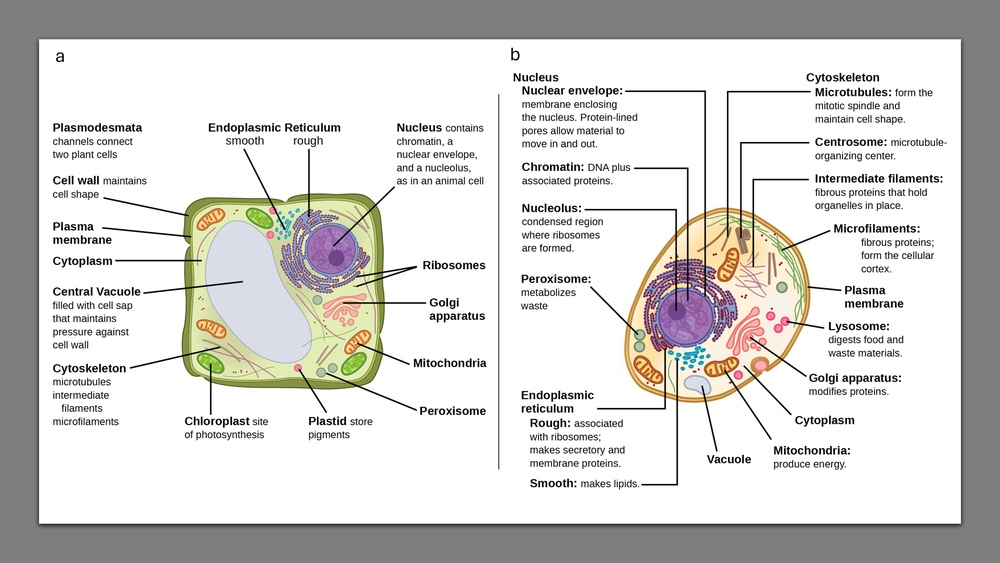
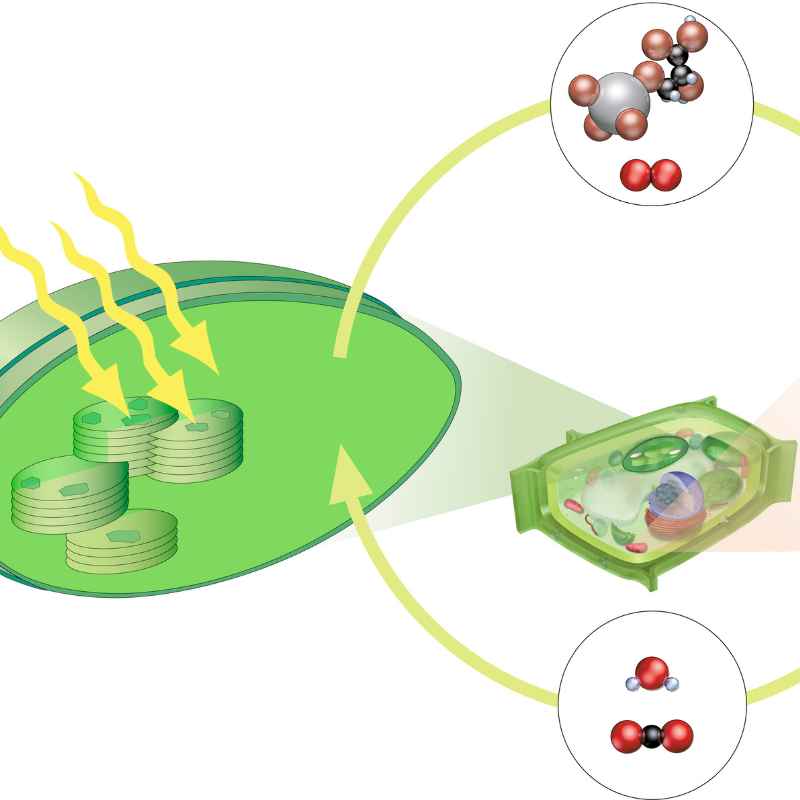
Inside the plant’s leaves are tiny powerhouses called chloroplasts. These contain a green pigment called chlorophyll. Chlorophyll is like a solar panel.
It captures the energy from sunlight. This energy then drives a complex chemical reaction.
The plant takes carbon dioxide (CO2) and water (H2O). It uses the captured light energy to change them. This creates glucose (sugar).
Glucose is the plant’s food. It gives the plant energy to grow and live. This is the main goal for the plant itself.
But this process doesn’t just benefit the plant. It also releases other substances. These are the byproducts we often hear about.
They are crucial for many other living things, including us.
My First Encounter with Plant Byproducts
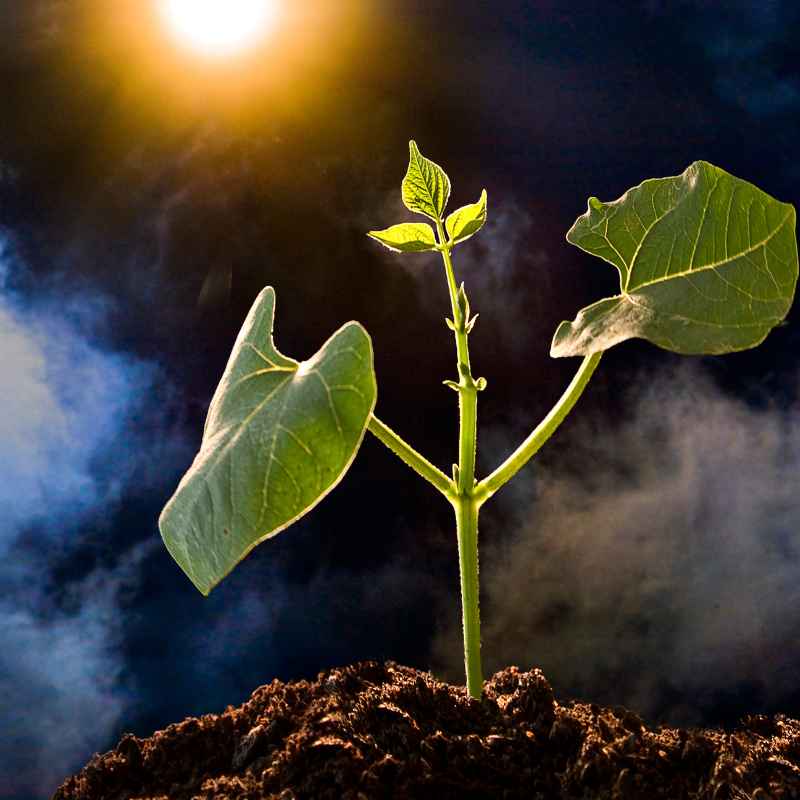
I remember a scorching summer day in my backyard. I was trying to grow tomatoes. My little plants looked a bit droopy in the heat.
I’d watered them, but they still seemed stressed. I sat there, fanning myself, and watched a busy bee buzz around a bright red tomato flower.
It struck me then, seeing the bee collect pollen and the plant basking in the sun. This plant was doing something incredible. It was breathing in the air I was breathing out and releasing something I needed.
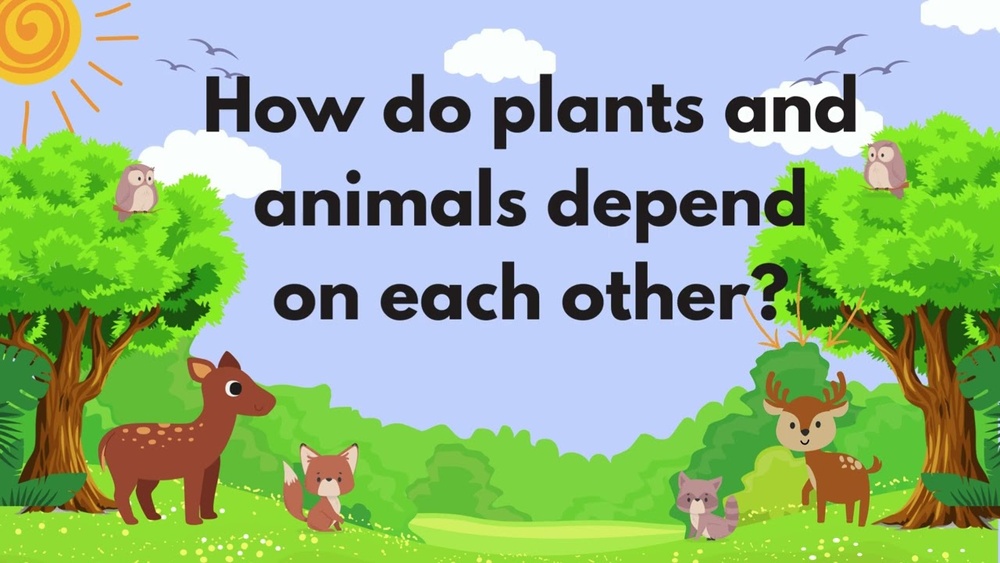
It felt like a secret pact between plants and animals. The air felt fresh and clean around the leaves, even on that hot day. It made me realize how much we depend on these silent workers.
The Star Byproduct: Oxygen
The most famous byproduct of photosynthesis is oxygen (O2). Plants take in carbon dioxide. They use it to build their sugary food.
As they do this, they also split water molecules. This splitting action releases oxygen gas.
This oxygen then escapes from the leaves. It goes out into the atmosphere. It’s like the plant exhales.
This is the very same oxygen that we and most other animals breathe. Without plants constantly producing oxygen, the air we need to survive would quickly disappear.
Think about it: every breath you take has oxygen that likely came from a plant. This has been happening for millions of years. It’s a continuous cycle of life.
Plants make oxygen. We breathe it. We then breathe out carbon dioxide, which plants use.
It’s a perfect, natural partnership.
Oxygen Release: A Quick Look
What it is: Oxygen (O2) gas.
How it’s made: A byproduct of splitting water molecules during photosynthesis.
Why it matters: Essential for respiration in most living organisms.
Where it goes: Released into the atmosphere through tiny pores in leaves.
Water Vapor: Another Key Output
Besides oxygen, plants also release water vapor. This process is called transpiration. It happens through the same tiny pores in the leaves where oxygen exits.
These pores are called stomata. They open and close to control gas exchange.
When stomata are open for carbon dioxide to enter, water can also escape. This loss of water as vapor is transpiration. For the plant, transpiration helps to pull water up from the roots.
It’s like a gentle suction that moves water and nutrients through the plant.
For the environment, transpiration contributes to the water cycle. It adds moisture to the air. This can influence local humidity and even rainfall.
In forests, transpiration from millions of trees plays a big role in regional weather patterns. It’s a less talked-about byproduct, but still very important.
Transpiration: The Water Cycle’s Helper
- What: Water released as vapor from leaves.
- When: Stomata open for CO2 intake.
- Plant’s role: Helps pull water and nutrients up.
- Environment’s role: Adds moisture to the air, aids water cycle.
The Main Product: Glucose (Sugar)
It’s important to remember that the main product of photosynthesis for the plant is glucose. This is a type of sugar. Glucose is the plant’s food.
It’s its energy source.
Plants use glucose for all their life processes. They use it to grow taller. They use it to make new leaves and flowers.
They store it for later use. This stored energy can be found in roots, fruits, and seeds.
While glucose is the plant’s primary goal, it’s not usually considered a “byproduct” in the way oxygen is. Byproducts are substances released or produced incidentally. Glucose is the main event for the plant’s survival and growth.
But its conversion process is what yields the other substances.
Photosynthesis: Product vs. Byproduct
Main Product for Plant: Glucose (sugar) for energy and growth.
Key Byproduct for Environment: Oxygen (O2) for breathing.
Other Byproduct: Water vapor through transpiration.
Factors Affecting Byproduct Release
The amount of oxygen and water vapor released by a plant isn’t always the same. Several things can influence it. These factors relate to the plant itself and its surroundings.
Light Intensity: More sunlight generally means more photosynthesis. This can lead to more oxygen production. However, too much light can also damage the plant.
It can cause stomata to close, reducing gas exchange.
Carbon Dioxide Levels: Plants need CO2. If there isn’t enough CO2 available, photosynthesis slows down. This means less oxygen is produced.
Higher CO2 levels can sometimes boost oxygen output, up to a point.
Water Availability: Water is a key ingredient. If a plant is thirsty, it will close its stomata to conserve water. This limits CO2 intake and, as a result, slows down photosynthesis and oxygen release.
It also reduces transpiration.
Temperature: Photosynthesis has an optimal temperature range. Too cold or too hot, and the process becomes less efficient. Extreme temperatures can stop it altogether.
This affects byproduct formation.
Plant Type and Health: Different plants have different needs and structures. A large, healthy tree will produce more oxygen than a small, struggling seedling. The overall health and species of the plant matter.
Quick Scan: Byproduct Influencers
| Factor | Impact on Photosynthesis | Impact on Byproducts |
| Light Intensity | Increases (up to a point) | More O2/H2O vapor possible |
| CO2 Levels | Increases (up to a point) | More O2 possible |
| Water Availability | Decreases (if scarce) | Less O2/H2O vapor |
| Temperature | Optimal range; slows outside it | Changes with efficiency |
The Bigger Why Plant Byproducts Matter
The byproducts of photosynthesis are not just interesting chemical outputs. They are fundamental to life on Earth. The very air we breathe is a gift from plants.
Oxygen for Life: As mentioned, oxygen is essential for aerobic respiration. Almost all animals, fungi, and many bacteria rely on it to break down food and release energy. Without the constant replenishment by plants, our atmosphere would become unbreathable.
Water Cycle Contribution: Transpiration adds water vapor to the atmosphere. This is a vital part of the global water cycle. It helps form clouds and eventually leads to rain.
This moisture is critical for ecosystems, agriculture, and drinking water sources.
Climate Regulation: Plants absorb carbon dioxide, a greenhouse gas. By removing CO2 from the atmosphere, they play a role in regulating Earth’s climate. The oxygen they release is also part of the balance of atmospheric gases.
Food Chains: The glucose produced by plants forms the base of most food chains. Herbivores eat plants to get energy. Carnivores eat herbivores.
Even decomposers get energy from dead organic matter, which originated from plants. So, indirectly, plant byproducts also fuel these cycles.
What Photosynthesis Byproducts Do For Us
- Oxygen: Allows us to breathe and live.
- Water Vapor: Powers the water cycle, brings rain.
- Carbon Balance: Helps regulate climate by absorbing CO2.
- Foundation of Food: Energy from glucose supports all life.
When Byproducts Might Be Concerning
For the most part, plant byproducts are a good thing. However, there are rare situations where things might seem unusual, or where their absence is a problem. It’s less about the byproducts themselves being harmful and more about what their state tells us.
Lack of Oxygen: The most obvious sign of trouble is when plants aren’t producing enough oxygen. This happens if they are dying or stressed. A general decline in plant life in an area could lead to lower oxygen levels over a long period.
But this is usually a symptom of larger environmental issues.
Excessive Water Loss: If a plant is losing water too rapidly through transpiration, it can be a sign of stress. This might be due to very hot, dry conditions or disease. The plant might wilt.
This is a cry for help, not a dangerous byproduct itself.
Algal Blooms and Oxygen Depletion: In aquatic environments, sometimes algae can grow rapidly (an algal bloom). When these algae die, their decomposition by bacteria uses up a lot of dissolved oxygen in the water. This can harm fish and other aquatic life.
While algae perform photosynthesis and produce oxygen, their uncontrolled growth and subsequent decay can lead to localized oxygen depletion. This is an ecosystem imbalance, not a direct byproduct issue from healthy plants.
Ethylene Gas: Some plants produce ethylene gas. This is a plant hormone. It plays a role in ripening fruit and aging.
It’s a natural part of plant life. However, too much can cause premature ripening or wilting in nearby plants. It’s a different kind of “byproduct” from respiration, but worth noting for gardeners.
Signs Related to Photosynthesis Byproducts
Normal: Fresh air (oxygen), visible dew or humidity (transpiration).
Concerning: Plants wilting excessively (water stress), lack of new growth (slow photosynthesis), foul odors near water (decomposition using oxygen).
Real-World Scenarios and Byproducts
Let’s look at a few everyday examples where these byproducts are at play.
Morning Dew: Ever wonder where morning dew comes from? Some of it is condensation. But a significant amount is also from transpiration overnight.
As temperatures drop, water vapor released by plants can condense on cool surfaces like leaves and grass.
Greenhouses: In a greenhouse, humidity can build up quickly. This is largely due to transpiration from the plants inside. Growers often need to ventilate greenhouses to control humidity and prevent fungal diseases.
It’s a clear example of how transpiration impacts enclosed environments.
Forest Air: Walk into a forest, and the air often feels cooler and fresher. This is partly due to shade. But it’s also the cumulative effect of oxygen production and transpiration from thousands of trees.
The scent of pine or damp earth is also linked to compounds plants release, though not direct photosynthesis byproducts.
Gardening: When you tend your garden, you’re interacting with this process. Watering your plants helps them perform photosynthesis and release oxygen. Providing good light and air circulation supports efficient gas exchange.
You’re essentially helping them breathe and give back.
Observational Flow: Photosynthesis in Action
- Sunlight hits leaves.
- Chlorophyll captures light energy.
- CO2 enters through stomata.
- Water is drawn up from roots.
- Light energy converts CO2 and H2O into glucose.
- Oxygen (O2) is released through stomata.
- Water vapor (H2O) is released through stomata (transpiration).
- Plant uses glucose for energy and growth.
What This Means for You
Understanding plant byproducts helps us appreciate our green friends even more. Here’s what it means for you:
When it’s normal: It’s completely normal for plants to release oxygen and water vapor. This is their job! A healthy plant in good conditions will be actively doing this.
When to worry: Worry if your plants are suddenly not growing, their leaves are yellowing, or they look droopy and stressed, especially when you’re providing adequate light and water. This can indicate that photosynthesis isn’t happening efficiently. This means less oxygen is being produced, and the plant is struggling.
Simple checks: Look at your plants. Are they green and vibrant? Are they producing new leaves?
If so, they are likely working hard, producing oxygen and contributing to the air. If they look sad, investigate why. Is it water, light, or pests?
Simple Tips to Support Photosynthesis
You can help plants perform their vital work. This ensures they continue to produce beneficial byproducts.
- Provide Enough Light: Most plants need ample sunlight. Place them in a spot that matches their needs.
- Water Wisely: Don’t overwater or underwater. Check the soil moisture.
- Ensure Good Airflow: Plants need fresh air for CO2. Avoid crowding them too much.
- Use Good Soil: Healthy soil provides the water and nutrients plants need.
- Consider Indoor Plants: Even a few houseplants can improve air quality by releasing oxygen.
Frequently Asked Questions About Photosynthesis Byproducts
What is the main byproduct of photosynthesis for the environment?
The main byproduct of photosynthesis for the environment is oxygen (O2). This gas is released into the atmosphere and is essential for the breathing of most living things on Earth.
Does photosynthesis produce carbon dioxide?
No, photosynthesis does not produce carbon dioxide. Plants actually consume carbon dioxide from the air as a key ingredient for making their food (glucose).
Are there other byproducts besides oxygen and water?
While oxygen and water vapor are the primary gaseous byproducts released into the atmosphere, the plant’s main goal is producing glucose (sugar) for its own energy. Other minor organic compounds might be produced, but oxygen and water are the significant outputs for the environment.
Why is oxygen important for us?
Oxygen is crucial for us because it allows our bodies to perform cellular respiration. This is the process that breaks down food and releases energy needed for all bodily functions. Without a constant supply of oxygen, we cannot survive.
How does transpiration affect weather?
Transpiration adds water vapor to the atmosphere, which is a key component of the water cycle. This increased moisture can influence local humidity levels and contribute to cloud formation, potentially affecting rainfall patterns in an area.
Can plants produce too much oxygen?
In normal conditions, plants cannot produce “too much” oxygen for the environment. The Earth’s atmosphere has a relatively stable balance of gases. Issues arise from a lack of oxygen production, not an excess from healthy plant life.
Conclusion
So, when a plant embarks on photosynthesis, it’s not just making food for itself. It’s also giving the gift of oxygen to the air and contributing to the water cycle through transpiration. These byproducts are fundamental to life as we know it.
They highlight the profound connection between plants and all other living things.