How Do Flowers Help Plants Survive? The Role Explained
Flowers are the reproductive structures of flowering plants. They are crucial for creating seeds, which allow plants to reproduce and continue their species. This process involves pollination, fertilization, and the development of fruits and seeds, ensuring the survival of the plant from one generation to the next.
The Blooming Purpose: What Flowers Are For
Think of flowers as nature’s very clever design for making more plants. They are the part of the plant that makes seeds. Without seeds, a plant can’t make new plants.
And if new plants aren’t made, that kind of plant might disappear forever. So, flowers are super important for plants to keep living on Earth.
Every flower is built to do this job. It has different parts that work together. Some parts make pollen.
Pollen is like tiny dust. Other parts are ready to receive this pollen. When the pollen gets to the right spot, it can start the process of making seeds.
It’s a whole system designed for success.
The colors, smells, and shapes of flowers are not by accident. They are all part of the plan. These features help attract other living things.
These helpers, like bees or birds, are needed to move the pollen around. This movement is called pollination. It’s a teamwork effort between the plant and other creatures.

My First Garden and a Flower Mystery
I remember when I was about ten years old. My grandma gave me my very own small garden plot. I planted tiny seeds, watered them every day, and watched them grow.
Soon, little green stems poked out of the soil. I was so excited! Then, some of them started to grow buds.
I thought, “Wow, it’s going to have pretty leaves!”
But then, a little bud opened up, and it was a bright red flower. I was a bit confused. Why a flower?
I thought plants just grew leaves and maybe got bigger. I didn’t really understand what the flower was for. It seemed like just an extra decoration.
I spent a lot of time just looking at the petals and wondering. It wasn’t until years later, learning more about nature, that I understood that flower was the start of something much bigger. It was the plant’s promise for the future.
Flower Parts and Their Jobs
Sepals: These are like the little green leaves at the bottom of a flower bud. They protect the flower before it opens.
Petals: These are often the colorful parts. They attract insects and other helpers.
Stamen: This is the male part. It makes pollen.
Pistil (or Carpel): This is the female part. It has a stigma at the top to catch pollen, a style in the middle, and an ovary at the bottom where seeds grow.
The Amazing Process: From Flower to Fruit
So, a flower opens up. What happens next? The main goal is to get pollen from one flower to another, or sometimes within the same flower.
This is pollination.
Pollination can happen in a few ways. Wind can carry pollen. Water can help move it.
But mostly, it’s done by living things. Bees are famous for this. When a bee visits a flower for nectar (a sweet juice), pollen sticks to its fuzzy body.
Then, when the bee visits another flower, some of that pollen rubs off onto the sticky top of the pistil. This is called the stigma.
Once pollen lands on the stigma, a tiny tube grows down the pistil. This tube carries the pollen’s message to the ovary. Inside the ovary are ovules.
These are like tiny eggs. When the pollen reaches an ovule, fertilization happens. This is like a tiny spark that starts the seed growing.
Each fertilized ovule will become a seed.
After fertilization, the flower starts to change. The petals might fall off. The ovary begins to swell.
This swelling ovary is what grows into a fruit. The fruit’s job is to protect the seeds. It also often helps spread them.
Think of an apple. The juicy part we eat is the grown ovary. Inside are the seeds.
How Pollen Travels
Wind Pollination: Plants like grasses and oaks release lots of light pollen into the air. Wind carries it far.
Insect Pollination: Bees, butterflies, and beetles are attracted by bright colors, sweet smells, and nectar. They pick up pollen on their bodies.
Bird Pollination: Birds often go for bright red or orange flowers that offer lots of nectar.
Water Pollination: Some aquatic plants use water currents to move pollen.
Why Different Flowers Look So Different
Have you ever noticed how flowers aren’t all the same? Some are tiny and plain. Others are huge and brightly colored.
This variety is also part of their survival plan.
Bright colors and strong smells are like billboards for pollinators. They catch the eye of a bee or a hummingbird. Some flowers have landing strips, like lines on their petals, that guide insects right to the pollen or nectar.
Other flowers might have unique shapes. This shape might only allow certain types of insects to get inside and pollinate them.
This helps ensure that pollen goes to the right place. If a bee visits many flowers of the same type, it’s more likely to carry pollen from one flower to another of the same kind. This makes successful seed production much more likely.
Some flowers don’t need helpers. They rely on wind or self-pollination. These flowers might be small and not very colorful.
They don’t need to attract anything. They just need to release their pollen. This is common in grasses and many trees.
Seed’s Journey: The Next Generation
Once the seeds are made inside the fruit, their journey isn’t over. The plant needs those seeds to get away from the parent plant. If all the seeds fell right under the parent, they would compete for the same sunlight, water, and soil.
This would make it hard for any of them to grow.
Fruits are often designed to help seeds travel. Berries are eaten by birds and animals. The seeds pass through their bodies and are dropped in a new location, often with some natural fertilizer.
Some fruits have wings, like maple seeds. The wind can spin them and carry them away. Others might have hooks or sticky surfaces to cling to passing animals.
This spreading of seeds is called dispersal. It’s vital for plants to find new places to grow. It helps plants spread into new areas.
It also helps avoid competition with the parent plant. This is another key step in how flowers help plants survive.
Seed Dispersal Methods
Animal Dispersal: Animals eat fruits and spread seeds in their droppings.
Wind Dispersal: Lightweight seeds with wings or fluffy parts are carried by the wind.
Water Dispersal: Seeds that can float are carried by rivers and oceans.
Self-Dispersal: Some plants have pods that explode, shooting seeds away from the plant.
When Flowers Aren’t Enough: Challenges for Plants
Even with beautiful flowers and clever seeds, plants face many challenges. Not every flower leads to a seed. Not every seed grows into a new plant.
Weather is a big factor. A sudden frost can kill flower buds. Heavy rain can wash away pollen.
Drought can prevent flowers from forming or fruits from developing properly. Strong winds can damage the whole plant.
Insects and animals can also be a problem. Some insects eat the pollen or nectar. Others might eat the flower petals themselves.
Deer might eat young shoots. Rabbits can nibble on stems. These can prevent the plant from reproducing.
Diseases caused by tiny fungi or bacteria can also harm plants. They can rot roots, spot leaves, or kill flowers. This weakens the plant and reduces its ability to make seeds.
The Environment’s Role in Flower Power
The place where a plant lives has a huge impact on its flowers and seeds. Plants have adapted to different environments over thousands of years.
In dry deserts, flowers might bloom only after a rare rain. Their seeds might stay dormant for years, waiting for moisture. In rainforests, flowers might have strong, unique scents to attract specific pollinators in the dense, often dark, undergrowth.
Plants in windy areas often have small, inconspicuous flowers and produce lots of lightweight pollen. Plants in shady forests might have flowers that open at night to attract nocturnal moths or beetles.
The soil quality also matters. Healthy soil provides the nutrients plants need to produce strong flowers and viable seeds. If the soil is poor, the plant might not have enough energy to reproduce effectively.
Plant Adaptations for Survival
Cactus Flowers: Often bright and open for short periods to attract scarce pollinators in hot, dry climates.
Orchid Flowers: Exhibit incredible diversity in shape and scent, often mimicking insects to attract specific pollinators.
Dandelion Flowers: Produce both seeds that fly on the wind and can also reproduce without pollination in some cases.
Oak Tree Flowers (Acorns): Small, wind-pollinated flowers lead to the development of acorns, which are hardy and nutritious for animals to disperse.
Is My Plant Healthy? Looking at the Flowers
You can often tell how a plant is doing by looking at its flowers. This is especially true for garden plants or houseplants.
Good Signs: If a plant is producing plenty of flowers, and the flowers look full and healthy, that’s usually a good sign. It means the plant has enough energy, water, and nutrients to focus on making seeds. Small, well-formed fruits or seed pods are also good indicators.
Warning Signs: If a plant isn’t flowering much, or the flowers are small, misshapen, or fall off too soon, something might be wrong. This could mean it’s not getting enough light, water, or food. It could also be a sign of stress or disease.
When to Worry: If you see wilting flowers, brown spots on petals, or if flowers are eaten or damaged, it’s time to investigate. Are there pests? Is the watering schedule correct?
Is the plant getting enough sun?
For most common garden flowers like roses or tulips, a lack of blooms can be due to pruning at the wrong time, poor soil, or lack of sunlight. For fruit trees, flower drop can be caused by temperature changes or lack of pollination.
Simple Checks for Flower Health
Here are a few easy things to check if your plants aren’t flowering well:
- Light: Is the plant getting the right amount of sun? Some plants need full sun, others prefer shade.
- Water: Is the soil too wet or too dry? Most plants like moist, but not soggy, soil.
- Nutrients: Has it been fertilized? Plants may need food to produce flowers.
- Pests: Look closely for tiny bugs on the leaves or flowers.
- Pruning: Was it pruned at the wrong time of year? Some plants bloom on old wood, others on new.
When Flowers Aren’t the Main Event
It’s important to remember that not all plants reproduce using flowers. Plants like ferns, mosses, and conifers (like pine trees) reproduce in different ways. Ferns and mosses use spores.
Conifers produce cones with seeds.
So, while flowers are the key to survival for a huge number of plants – the flowering plants, or angiosperms – they aren’t the only way plants make more of themselves. But for the plants that do have flowers, it’s the most critical part of their life cycle.
The Flowering Plant Family (Angiosperms)
Dominant Group: Flowering plants are the largest and most diverse group of plants on Earth.
Key Feature: They produce flowers and fruits containing seeds.
Examples: Roses, sunflowers, apples, oak trees, grasses, vegetables.
Importance: They form the base of many food chains and provide us with food, fiber, and medicines.
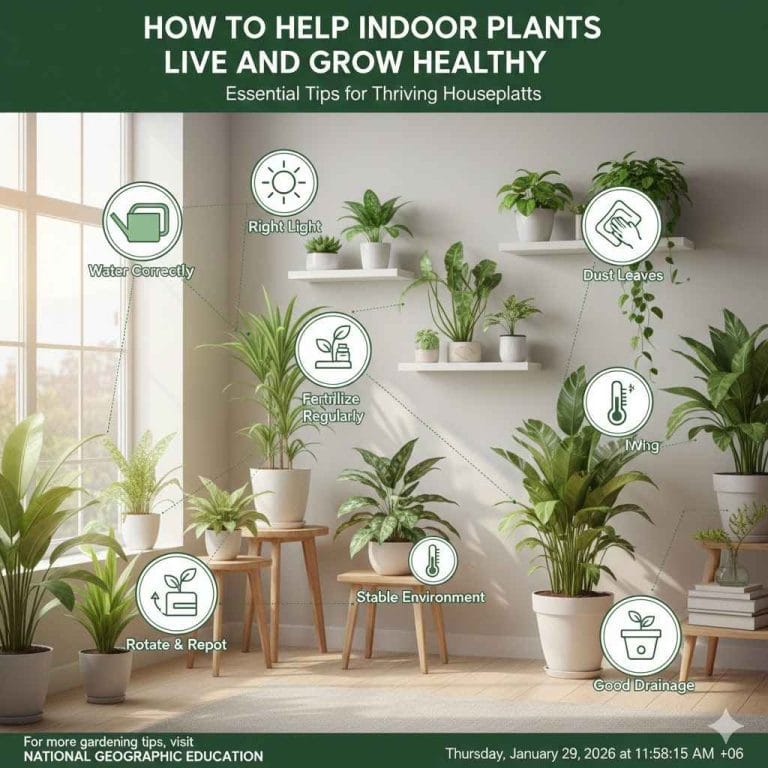
Tips for Helping Your Plants Flourish
If you want to help your flowering plants thrive and produce lots of beautiful blooms, here are some general tips:
Choose the Right Plant: Start with plants that are suited to your local climate and the conditions in your yard (sun, shade, soil type). This is the biggest step to success.
Proper Planting: Make sure to plant them at the correct depth and spacing. Don’t crowd them. Give them room to grow and get good air circulation.
Consistent Care: Water them regularly, especially when they are young or during dry spells. Use mulch to keep the soil moist and weeds down.
Feeding (When Needed): Use a fertilizer designed for flowering plants. Follow the package directions carefully. Too much fertilizer can be harmful.
Observe and Adapt: Pay attention to your plants. Notice any changes. If something looks off, try to figure out why and adjust your care.
Gardening is a learning process!
Remember, helping a plant produce flowers is about giving it the best conditions to fulfill its natural purpose. It’s about supporting its life cycle.

Frequently Asked Questions About How Flowers Help Plants
What is the main job of a flower?
The main job of a flower is to help the plant reproduce by making seeds. It’s the plant’s reproductive part.
How do flowers attract pollinators like bees?
Flowers use bright colors, sweet smells, and nectar to attract insects like bees. Some also have special shapes or patterns to guide them.
What happens after a flower is pollinated?
After pollination, the flower’s ovary starts to grow. It becomes a fruit that protects the developing seeds inside.
Do all plants have flowers?
No, not all plants have flowers. Plants like ferns, mosses, and pine trees reproduce in different ways, not with flowers and seeds.
Why do some flowers have very strong smells?
Strong smells can help attract specific pollinators, especially at night or in dense environments where bright colors might not be seen easily.
Can a plant survive without making flowers?
Some plants can reproduce in other ways, like through cuttings or runners. However, for flowering plants, flowers are essential for creating seeds and ensuring the survival of the species over generations.
What is the difference between pollination and fertilization?
Pollination is when pollen lands on the stigma of a flower. Fertilization is when the pollen grain actually fuses with the ovule inside the ovary to start seed development.
Putting It All Together: The Flower’s Vital Role
So, you see, flowers are much more than just pretty decorations. They are the engine of reproduction for a vast number of plants on our planet. From attracting tiny bees to creating the fruits and vegetables we eat, flowers are the start of a plant’s legacy.
Understanding how flowers work helps us appreciate nature more. It also helps us care for our own plants better. By giving them the right conditions, we help them do their most important job: ensuring their kind lives on.