Can Plants And Animals Use Nitrogen Directly From The Air?
Plants and animals cannot use nitrogen directly from the air. They need special help from bacteria to convert atmospheric nitrogen into a usable form. This conversion process is called nitrogen fixation.
The Air Around Us: A Nitrogen Storehouse
The air we breathe is mostly nitrogen. It’s about 78% nitrogen gas. That’s a huge amount! Oxygen, which we need to live, is only about 21%. The rest is other gases. So, the air is packed with nitrogen. It floats all around us, all the time.
But this nitrogen gas, called N₂, is very stable. It has a strong triple bond. This bond is hard to break. Because of this, most living things can’t use it as it is. Think of it like a locked treasure chest. The treasure is inside, but you need the right key to open it.

Why Nitrogen is So Important
Nitrogen is a key part of proteins. Proteins are the building blocks of our bodies. They help build muscles, skin, and organs. Nitrogen is also a vital part of DNA. DNA carries our genetic information. It tells our cells how to grow and work.
Plants also need nitrogen to grow strong and healthy. It’s a big part of chlorophyll. Chlorophyll is what makes plants green. It helps them capture sunlight for energy. Without enough nitrogen, plants can’t grow tall or produce many leaves or flowers. Their growth slows down.
Animals get nitrogen by eating plants or other animals. So, if plants can’t get nitrogen, it affects the whole food chain. This shows why getting nitrogen into a usable form is so crucial for all life.
The Nitrogen Cycle: Nature’s Recycling System
Nature has a clever way of handling this. It’s called the nitrogen cycle. This cycle is how nitrogen moves around. It goes from the air to the soil, then to living things, and back again. It’s a continuous loop.
This cycle has several main steps. These steps involve different natural processes and living organisms. It’s a complex but beautiful system.
Nitrogen Fixation: The Key to Usable Nitrogen
This is the most important step for getting nitrogen out of the air. Nitrogen fixation is the process of converting nitrogen gas (N₂) into compounds that living things can use. The most common usable forms are ammonia (NH₃) and nitrates (NO₃⁻).
Who does this hard work? Tiny, amazing organisms called bacteria. These bacteria are like nature’s nitrogen factories. They have special enzymes that can break the strong triple bond in nitrogen gas.
The Masters of Nitrogen Fixation: Bacteria
There are different types of nitrogen-fixing bacteria. Some live freely in the soil. Others have a special relationship with plants.
One famous example is Rhizobium. These bacteria live in the roots of plants in the legume family. Legumes include beans, peas, clover, and alfalfa. The bacteria live in little bumps on the roots called nodules.
The plant gives the bacteria a safe place to live. It also gives them sugars for energy. In return, the bacteria take nitrogen from the air. They use it to make ammonia. The plant then uses this ammonia. It’s a perfect partnership.
Other bacteria, like Azotobacter, live freely in the soil. They fix nitrogen on their own. They don’t need to live inside a plant.
There are also cyanobacteria. These are a type of algae. They can perform nitrogen fixation, often in water.
This bacterial work is the main way atmospheric nitrogen enters the biosphere. Without these tiny helpers, most life on Earth would struggle to get enough nitrogen.
Other Ways Nitrogen Enters the Usable Pool
While bacteria do most of the work, there are a couple of other ways nitrogen can be “fixed.”
Lightning
High in the atmosphere, lightning strikes are incredibly powerful. This energy can break apart nitrogen gas molecules. The nitrogen atoms then combine with oxygen. This creates nitrogen oxides. These oxides dissolve in rainwater. When the rain falls, it carries these nitrogen compounds to the soil. This process is called atmospheric nitrogen fixation. It contributes a smaller amount of usable nitrogen compared to bacteria.
Industrial Fixation (Haber-Bosch Process)
Humans have also learned to fix nitrogen. The Haber-Bosch process is a modern industrial method. It uses high temperatures and pressures to combine nitrogen from the air with hydrogen. This creates ammonia. This ammonia is then used to make fertilizers. These fertilizers are crucial for modern agriculture. They help grow enough food for our large population. However, overuse of these fertilizers can cause pollution.
How Nitrogen Moves to Plants
Once nitrogen is fixed into ammonia or nitrates, it becomes available in the soil.
Ammonia (NH₃)
Ammonia can be used by some plants directly. But it can also be converted further.
Nitrites (NO₂⁻) and Nitrates (NO₃⁻)
Other bacteria in the soil take ammonia and convert it into nitrites. Then, different bacteria convert nitrites into nitrates. This process is called nitrification. Nitrates are the form of nitrogen that most plants absorb easily through their roots.
So, even though plants can’t grab nitrogen from the air, they can take it from the soil after bacteria have done their magic. It’s a step-by-step process.
Plants and Nitrogen
Plants are the entry point for nitrogen into most food webs.
They absorb nitrates from the soil through their root hairs. These nitrates are then transported to the rest of the plant. Inside the plant, they are used to build amino acids. Amino acids are the building blocks of proteins. They are also used to make nucleic acids (like DNA and RNA) and chlorophyll.
Healthy plants have a good supply of nitrogen. This leads to strong stems, healthy green leaves, and good growth. If a plant is nitrogen-deficient, its leaves might turn yellow. Its growth will be stunted.
Animals and Nitrogen
Animals cannot fix nitrogen on their own. They are completely dependent on their diet for nitrogen.
Herbivores (plant-eaters) get nitrogen by eating plants. Carnivores (meat-eaters) get nitrogen by eating other animals. The nitrogen has already been processed by the plants the animals ate.
When animals eat, their digestive systems break down the proteins from their food. This releases amino acids. The animal’s body then uses these amino acids to build its own proteins.
This is why a balanced diet is so important. It ensures we get enough protein and other nitrogen-containing molecules.
What Happens to Nitrogen When Organisms Die?
The nitrogen cycle doesn’t stop when plants and animals die.
Decomposition
When plants and animals die, decomposers like bacteria and fungi go to work. They break down the dead organic matter. This process releases nitrogen back into the soil. It’s often released as ammonia. This ammonia can then be converted to nitrates by other bacteria. This is another way nitrogen gets back into the soil, ready for plants to use again.
Urine and Feces
Animals also release nitrogen waste products. Urine contains urea, which is a nitrogen compound. Feces also contain nitrogen. These waste products are broken down by decomposers in the soil, returning nitrogen to the cycle.
Denitrification: Returning Nitrogen to the Air
There’s one more important step in the nitrogen cycle. It’s called denitrification.
Certain bacteria, called denitrifying bacteria, can convert nitrates back into nitrogen gas (N₂). This nitrogen gas is then released into the atmosphere. This is how nitrogen returns to its original gaseous state in the air.
This process is important. It prevents too much nitrogen from building up in the soil and water. It keeps the cycle balanced. However, certain conditions can affect denitrification rates. For example, waterlogged soils can promote it.
The Nitrogen Cycle in Different Ecosystems
The nitrogen cycle plays out differently in various environments.
Forests
In forests, there’s a lot of organic matter. This leads to robust decomposition. This provides a steady supply of nitrogen for trees and other plants. The presence of nitrogen-fixing trees like alders can also add significant nitrogen.
Grasslands
Grasslands often have large amounts of nitrogen-fixing grasses and forbs. Grazing animals can also contribute to nitrogen cycling through their waste.
Aquatic Ecosystems
In lakes and oceans, cyanobacteria are major nitrogen fixers. Nitrogen is crucial for the growth of phytoplankton. These tiny plants form the base of the aquatic food web.
When the Nitrogen Cycle Goes Wrong
Human activities have significantly impacted the nitrogen cycle. This can cause problems.
Excess Nitrogen Fertilizers
The widespread use of synthetic nitrogen fertilizers has more than doubled the amount of nitrogen fixed globally. This sounds good for food production, but it has consequences.
Water Pollution: When fertilizers are applied, some nitrogen can wash off fields into rivers and lakes. This excess nitrogen can cause algae to grow rapidly. This is called eutrophication. When the algae die and decompose, they use up oxygen in the water. This can kill fish and other aquatic life.
Greenhouse Gases: The production of synthetic fertilizers and the over-application of them can release nitrous oxide (N₂O). Nitrous oxide is a potent greenhouse gas. It contributes to climate change.
Soil Acidification: Some nitrogen compounds can make soil more acidic over time. This can harm plant growth and affect soil organisms.
Deforestation
Removing forests can disrupt the nitrogen cycle. Trees hold onto nitrogen in their tissues and in the soil. When forests are cleared, this nitrogen can be lost through erosion or leaching.
Burning Fossil Fuels
Burning fossil fuels releases nitrogen oxides into the atmosphere. These contribute to air pollution and acid rain.
A Personal Experience with Nitrogen Deficiency
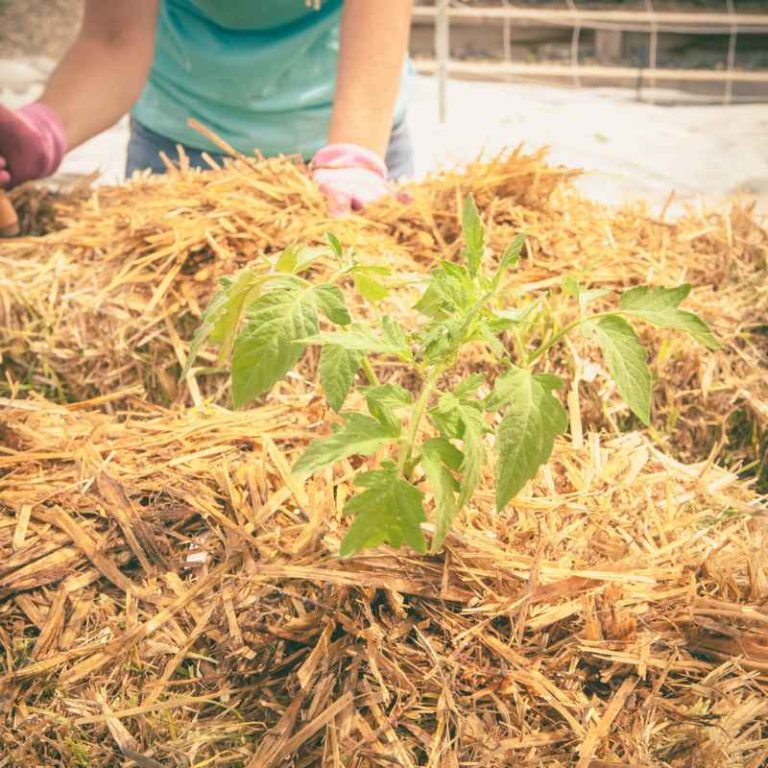
I remember gardening years ago. I was trying to grow tomatoes. They looked sad. The leaves were a pale green, almost yellow. The plants weren’t growing much. I was watering them. I was giving them sunlight. But something was missing.
I asked a more experienced gardener for advice. He looked at my plants. He immediately said, “They look hungry. They need more nitrogen.” I had been so focused on water and light. I hadn’t thought about the soil’s food.
He explained that my soil might be depleted. I hadn’t added compost in a while. He suggested I add some well-rotted compost. This compost was full of organic matter. It would slowly release nitrogen into the soil.
Within a couple of weeks after adding the compost, I saw a big difference. The leaves turned a deep, healthy green. The plants started growing much faster. New flowers appeared. Soon, I had plenty of tomatoes. It was a clear lesson. Plants can’t just magically get what they need from the air. They rely on a healthy soil system that has been enriched by natural processes and organic matter. That experience really drove home how essential the nitrogen cycle is.
The Interconnectedness of Life
This whole nitrogen process shows how connected everything is. We breathe air, but we can’t use its nitrogen directly. Plants can’t either. Tiny bacteria are the essential link. They make the nitrogen usable. Then plants grow. We eat plants or animals that ate plants. All life depends on this unseen work.
It’s a constant exchange. Nitrogen goes up into the air. It comes down in rain. It goes into the soil. Plants take it up. Animals eat plants. Everything eventually decomposes, returning nitrogen to the soil. And then some bacteria turn it back into gas, sending it to the sky. It’s a cycle that has been going on for millions of years.
Understanding Nitrogen in Your Own Garden or Lawn
If you’re a gardener, understanding nitrogen is key.
Soil Testing: It’s a good idea to test your soil. This will tell you what nutrients are missing. It will tell you if you need more nitrogen.
Compost and Organic Matter: Adding compost or aged manure is one of the best ways to provide nitrogen naturally. It also improves soil structure.
Cover Crops: Planting cover crops like clover or vetch can add nitrogen to your soil. These are legumes that host nitrogen-fixing bacteria. You till them into the soil before planting your main crops.
Fertilizers: If you use commercial fertilizers, choose wisely. Look for ones with nitrogen. Pay attention to the numbers on the bag. The first number is usually nitrogen (N). Use them according to package directions. Too much can be harmful.
What This Means for Ecosystem Health
A healthy nitrogen cycle is vital for a healthy environment.
When the cycle is balanced, ecosystems thrive. Forests are dense. Meadows are full of flowers. Waterways are clean. Wildlife has food and shelter.
When human activities disrupt the cycle, we see problems. Too much nitrogen can harm wildlife. It can pollute our water. It can contribute to climate change.
Protecting wetlands and forests helps maintain a healthy nitrogen cycle. Reducing our reliance on synthetic fertilizers and managing waste properly are also important steps.
When is Nitrogen Availability a Concern?
Nitrogen availability is a concern in several situations.
Agriculture: Farmers constantly manage nitrogen levels. They need to provide enough for crops without causing pollution.
Restoration Projects: When restoring damaged habitats, understanding nitrogen is crucial. Sometimes, nitrogen-fixing plants are introduced to help rebuild the soil.
Urban Green Spaces: Parks and gardens need nitrogen for healthy plants. But runoff from lawns can contribute to water pollution.
Common Misconceptions about Air Nitrogen
People sometimes think that because nitrogen is in the air, it’s readily available. This is a common misunderstanding.
Myth: Plants breathe nitrogen from the air like we breathe oxygen.
Reality: Plants absorb nitrogen from the soil in the form of nitrates or ammonia. They cannot directly use nitrogen gas (N₂) from the atmosphere.
This is why soil health is so important for plant life.
The Role of Microbes in the Nitrogen Cycle
It’s hard to overstate the importance of microbes. They are the unseen heroes.
Fixation: Bacteria convert N₂ to ammonia.
Nitrification: Bacteria convert ammonia to nitrites and then nitrates.
Decomposition: Bacteria and fungi break down dead organic matter, releasing nitrogen.
Denitrification: Bacteria convert nitrates back to N₂ gas.
Without these tiny organisms, the nitrogen cycle would grind to a halt. Life would cease to exist as we know it.
Quick Tips for Supporting Nitrogen Cycles
Here are some simple things you can do.
Compost Your Food Scraps: This reduces waste and creates nutrient-rich compost.
Use Organic Fertilizers: These release nutrients more slowly. They are less likely to cause runoff.
Plant a Pollinator Garden: Many flowering plants, especially legumes, help fix nitrogen.
Reduce Lawn Size: Lawns often require a lot of fertilizer. Consider reducing lawn size and planting native plants.
Support Sustainable Agriculture: Choose food from farms that use environmentally friendly practices.
What Happens If There’s Too Little Nitrogen?
If there isn’t enough nitrogen, plants show clear signs.
Yellowing Leaves (Chlorosis): Older leaves often turn yellow first. This is because the plant moves nitrogen to new growth.
Stunted Growth: Plants will grow much slower. They may appear smaller overall.
Poor Flowering and Fruiting: Without enough nitrogen, plants can’t produce flowers or fruits effectively.
This is why farmers and gardeners often add nitrogen-rich materials to the soil.
What Happens If There’s Too Much Nitrogen?
Too much nitrogen can also be harmful.
Excessive Leaf Growth: Plants may produce lots of lush green leaves. But they might not flower or fruit well.
Weak Stems: Lush growth can lead to weak stems that are prone to falling over.
Increased Susceptibility to Pests and Diseases: Over-fertilized plants can be more attractive to certain pests.
Environmental Damage: As mentioned before, excess nitrogen leads to water pollution and greenhouse gas emissions.
It’s a delicate balance. Too little is bad. Too much is also bad.
The Future of Nitrogen Management
Scientists are working on better ways to manage nitrogen. This includes:
Precision Agriculture: Using technology to apply fertilizers only where and when they are needed.
Developing New Crop Varieties: Breeding crops that are more efficient at using nitrogen.
Restoring Natural Ecosystems: Protecting and restoring wetlands and forests that naturally cycle nitrogen.

FAQ
Can humans get nitrogen directly from the air?
No, humans cannot get nitrogen directly from the air. Like plants, our bodies need nitrogen in a usable form. We get this by eating food that contains proteins.
What is the main way nitrogen enters the soil?
The main way nitrogen enters the soil is through a process called nitrogen fixation. This is done by special bacteria that convert nitrogen gas from the air into usable compounds like ammonia and nitrates.
Why are legumes important for soil nitrogen?
Legumes, such as beans, peas, and clover, have a symbiotic relationship with nitrogen-fixing bacteria called Rhizobia. These bacteria live in nodules on the plant’s roots and convert atmospheric nitrogen into a form the plant can use, enriching the soil.
Can animals fix nitrogen?
No, animals cannot fix nitrogen from the air. They obtain nitrogen by consuming plants or other animals that have already processed nitrogen.
What happens if there’s too much nitrogen in a lake?
Too much nitrogen in a lake can lead to a process called eutrophication. This causes excessive growth of algae. When the algae die, their decomposition uses up oxygen, harming fish and other aquatic life.
Is all nitrogen in the air unusable?
Yes, the nitrogen gas (N₂) that makes up most of the air has a strong bond that most organisms cannot break. It must be converted into other forms, like ammonia or nitrates, through processes like nitrogen fixation.
Conclusion
So, while nitrogen is everywhere in the air around us, neither plants nor animals can use it directly. It’s like having a huge pile of gold coins locked away. The key to unlocking that nitrogen is the incredible work of specific bacteria. These microbes are the true heroes of the nitrogen cycle, making it possible for life to grow, thrive, and build the complex structures we see all around us. Understanding this process helps us appreciate the delicate balance of nature and how our actions can impact it.