How Often Should You Put Coffee Grounds On Tomato Plants?
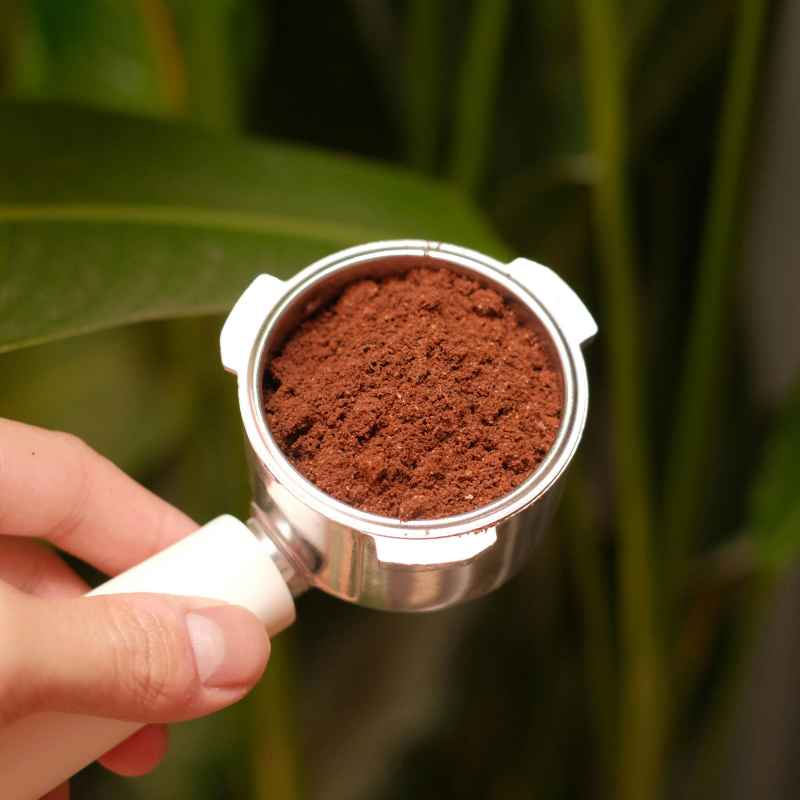
Putting coffee grounds on tomato plants can be helpful. It adds nutrients and can improve soil. However, doing it too often or in the wrong way can cause problems. The best approach is to use them sparingly and mix them into the soil, not just layer them on top. Aim for a light application every few months, rather than daily.

Dunkin' Donuts
Dunkin’ Original Blend Medium Roast Ground Coffee,…
- Dunkin' Original Blend Ground Coffee: Contains one (1) 30 oz canister of Dunkin' Original Blend Medium Roast Ground Coffee
- Rich, smooth flavor: Medium roast coffee delivers the easy-drinking taste and smooth flavor Dunkin' coffee fans know and enjoy eve…
- Made with Arabica beans: Crafted with Arabica coffee beans for a rich, satisfying brew
As an Amazon Associate I earn from qualifying purchases.

Understanding Coffee Grounds for Tomatoes
Coffee grounds are a popular topic for gardeners. Many people wonder about their real benefits. They come from used coffee beans after brewing.
These grounds hold some nutrients. They can also change the soil a bit.
What nutrients are in coffee grounds? They contain nitrogen. Nitrogen helps plants grow green leaves.
They also have small amounts of potassium and phosphorus. These are important for flowers and fruit. You might also find trace minerals like calcium and magnesium.
How do coffee grounds affect soil? They can help make clay soil drain better. They can also help sandy soil hold more water.
This is good for plant roots. Coffee grounds can also attract earthworms. Earthworms are great for aerating and improving soil.
However, there’s a catch. Used coffee grounds are often thought to be acidic. This is not always true.
The brewing process removes most of the acid. So, they are usually close to neutral in pH. But putting too many grounds on the surface can still cause issues.
One main issue is creating a barrier. A thick layer of grounds can block water and air from reaching the soil. This can hurt the roots.
It can also lead to mold growth on the surface. This isn’t good for young plants.
Another thing to consider is how much you add. Too much of any one thing can upset the soil balance. It’s like eating too much of one food.
Your body needs a variety. Plants also need a balanced diet from their soil.

My Coffee Ground Mishap
I remember my first year trying to get serious about my tomato plants. I had read all about using coffee grounds. They seemed like a miracle cure.
So, I started collecting every used coffee filter from my kitchen. I’d dump the wet grounds right around the base of my young tomato plants.
I did this almost every day. I thought more was better. I was sure my plants would grow bigger and stronger than anyone else’s.
For the first week or so, things looked okay. Then, I started noticing a change. The leaves on my tomato plants began to look a bit yellow.
They weren’t growing as fast as I expected.
Worse, a strange, fuzzy white mold started appearing on top of the coffee grounds. It looked pretty gross. I started to panic.
Was I killing my plants? I had spent so much time tending to them. The smell wasn’t great either, a bit musty and damp.
That’s when I realized I had gone overboard. I had read about the benefits, but I missed the part about moderation and how to apply them correctly. I had created a soggy, moldy blanket over the soil.
It was suffocating the roots instead of feeding them. It was a clear lesson in “too much of a good thing” can be bad.
Coffee Grounds: Nutrient Snapshot
What’s Inside:
- Nitrogen (N): Essential for leafy growth.
- Potassium (K): Helps with flowering and fruiting.
- Phosphorus (P): Important for root development.
- Trace Minerals: Small amounts of calcium, magnesium, and others.
Key Benefit: Improves soil structure and drainage. Attracts earthworms.
Potential Drawback: Can form a water-repellent layer if applied too thickly.
How Coffee Grounds Help Tomato Plants
When used correctly, coffee grounds can be a friend to your tomato plants. They offer a few key advantages that many gardeners appreciate. It’s all about giving your plants the right support.
First, they add organic matter to the soil. This is like giving your soil a good meal. Organic matter helps improve the soil’s texture.
It makes it easier for roots to spread out and breathe. It also helps soil hold onto moisture without becoming waterlogged.
The nitrogen in coffee grounds is released slowly. This is great for plants. They get a steady supply of this important nutrient.
It’s not a sudden rush like with some chemical fertilizers. This slow release helps prevent the plant from growing too quickly and becoming weak. Steady growth is often stronger growth.
Coffee grounds can also help in attracting beneficial organisms. Earthworms love coffee grounds. As they burrow through the soil, they create tunnels.
These tunnels let air and water reach the roots more easily. Earthworms also leave behind castings, which are rich in nutrients and good for the soil.
Some people also believe coffee grounds can help deter certain pests. This is not a guarantee. But some gardeners report that the smell or texture might discourage slugs or certain insects from crawling onto the plants.
It’s more of a gentle discouragement than a strong repellent.
Remember, coffee grounds are a supplement. They are not a complete fertilizer. Tomato plants need a range of nutrients to thrive.
Coffee grounds provide some, but not all. It’s best to use them as part of a balanced feeding plan.
Coffee Grounds vs. Soil pH
Myth: Coffee grounds make soil very acidic.
Reality: Used coffee grounds are usually close to neutral (pH 6.5-6.8). The brewing process removes most of the strong acids. While very fresh grounds might be slightly acidic, used ones are generally safe for most plants regarding pH.
What to watch for: The physical effect of a thick layer is more of a concern than the pH level for most home gardeners.
When is it Too Much?
We’ve talked about the benefits. Now let’s focus on the risks. Knowing when you’ve used too many coffee grounds is key.
It’s about finding that sweet spot.
The most common mistake is applying grounds in a thick layer. Think of it like putting a heavy blanket on your plant. This layer can dry out on top.
It becomes hard. Then, water can’t get through to the roots. The soil underneath stays dry.
This is bad for plants.
This thick layer can also block air. Plant roots need to breathe. If they can’t get air, they can suffer.
This can make the plant weak and more prone to diseases. It can stunt growth significantly.
Another sign of too many grounds is mold. You might see white or gray fuzzy stuff growing on the surface. This mold often thrives in damp, poorly aerated conditions.
It looks unpleasant and can indicate the soil isn’t healthy.
If your plants look unhealthy, and you’ve been adding lots of coffee grounds, that’s a big clue. Are the leaves yellowing? Is growth slowing down?
Are there spots on the leaves? These could be signs the soil is out of balance due to too much of one thing.
It’s also about the type of soil you have. In very sandy soil, grounds might not form a barrier as easily. But in clay soil, they can clump together and create a problem faster.
Your local soil type matters.
A good rule of thumb is to think of it as a sprinkle, not a blanket. You should be able to see the soil through the grounds you add. If you can’t see much soil, you’ve probably added too much.
Common Mistakes with Coffee Grounds
- Mistake 1: Layering grounds thickly on the soil surface.
- Mistake 2: Applying grounds too frequently, like daily.
- Mistake 3: Not mixing grounds into the soil.
- Mistake 4: Using grounds from flavored coffees (additives can be harmful).
The Right Way to Apply Coffee Grounds
So, how often should you put coffee grounds on tomato plants? The answer is: not very often. And always do it the right way.
For most home gardeners, a light application every 2-3 months is plenty. This is especially true during the main growing season. You want to give your plants a little boost, not overwhelm them.
Method 1: Mix them in. The best way to use coffee grounds is to mix them into the soil. You can dig them into the top few inches of soil around your plants. This helps them break down.
It also prevents that barrier effect. It gets the nutrients directly to the roots.
Method 2: Compost them first. An even better approach is to compost your coffee grounds. Add them to your compost bin. Let them break down fully with other organic materials.
Composted grounds are much safer. They are balanced and ready for your plants.
Method 3: Sprinkle and water. If you are in a hurry, you can lightly sprinkle them around the plant. But you MUST water them in thoroughly. This helps push them into the soil a bit.
It reduces the risk of that surface crust forming.
How much is a light application? Imagine a fine dusting. You should still see the soil clearly. For a medium-sized tomato plant, maybe a quarter cup of grounds spread out around the base.
This is a safe amount. Never dump a whole scoop directly at the stem.
When to avoid them: If you have very young seedlings, wait a bit. Let them get a bit stronger first. Also, if your soil already has a lot of organic matter, you might not need them at all.
Observe your plants and your soil.
Quick Application Guide
Frequency: Every 2-3 months during the growing season.
Amount: Light sprinkle, about 1/4 cup per plant.
Best Method: Mix into the top 2-3 inches of soil.
Alternative: Compost them first for best results.
Important: Water thoroughly if not mixed in well.
Coffee Grounds in Your Compost Pile
Composting is perhaps the safest and most effective way to use coffee grounds for your garden. It turns a potential problem into a superfood for your plants. It also helps reduce waste from your kitchen.
Coffee grounds are considered a “green” material in composting. This means they are rich in nitrogen. They help balance out “brown” materials like dried leaves or cardboard.
A good mix of greens and browns is essential for healthy compost.
What makes composted grounds so good? The composting process breaks down the grounds. It makes their nutrients more available.
It also neutralizes any potential issues. The compost becomes a rich, balanced soil amendment. It’s like a slow-release multivitamin for your tomatoes.
How do you compost them? Just add them to your compost bin or pile. You can add them in batches as you use coffee.
Don’t dump a huge amount all at once. Mix them with other materials. Turn your compost pile regularly.
This ensures good aeration and faster decomposition.
You’ll know your compost is ready when it looks and smells like dark, rich soil. There shouldn’t be any recognizable food scraps. It should smell earthy, not sour or rotten.
Once your compost is ready, you can mix it into your garden beds before planting. You can also use it as a top dressing around established plants. It’s much gentler than fresh grounds.
It feeds the soil microbes, which in turn feed your plants.
Compost Mix: Greens & Browns
Greens (Nitrogen-rich):
- Coffee grounds
- Tea bags
- Fruit and vegetable scraps
- Grass clippings
Browns (Carbon-rich):
- Dried leaves
- Shredded newspaper/cardboard
- Straw
- Twigs
Goal: Aim for roughly a 2:1 or 3:1 ratio of browns to greens by volume for good compost.
When to Worry About Your Tomato Plants
It’s important to know when your tomato plants are trying to tell you something is wrong. Coffee grounds are just one part of their care. Many things can affect plant health.
If you see yellowing leaves, consider a few things. Is it just the lower leaves? That’s often normal as the plant grows.
If all the leaves are yellow, especially new ones, it could be a nutrient deficiency. Or it could be overwatering or poor drainage.
Wilting plants are another concern. If the soil is dry, they need water. If the soil is wet and they’re still wilting, the roots might be damaged or rotting.
This is where a thick layer of coffee grounds can contribute to problems.
Stunted growth is also a red flag. If your plants aren’t growing much, especially after a good start, something is off. Check the soil.
Are there signs of pests like aphids or whiteflies? Are they getting enough sunlight?
The presence of mold on the soil surface is a clear indicator of too much moisture and not enough air circulation. This needs to be addressed right away. You might need to gently remove the moldy layer and improve drainage.
If you suspect your coffee ground application has caused issues, the best first step is to stop adding them. You might need to gently rake away the top layer if it’s causing problems. You can also try to mix the top inch of soil to aerate it.
For serious problems, like widespread disease or root rot, you might need to consult a local garden center or extension office. They can offer specific advice for your area and conditions.
Signs Your Tomato Plants Need Help
- Yellowing Leaves: Especially if widespread or on new growth.
- Wilting: Even when soil is moist.
- Stunted Growth: Plants not developing as expected.
- Fuzzy Mold: White or gray growth on soil surface.
- Unusual Spots: On leaves or stems.
Quick Tips for Using Coffee Grounds Wisely
Here are some simple takeaways to help you use coffee grounds effectively and avoid problems.
Tip 1: Quality Control. Only use grounds from plain, brewed coffee. Avoid grounds from flavored coffees. The added oils and flavorings can be harmful to plants and soil microbes.
Tip 2: Let Them Dry Slightly. If possible, let the grounds dry out a bit after brewing. Spread them on a tray for a day. This makes them easier to handle.
It also reduces the immediate sogginess when applied.
Tip 3: Use a Handful, Not a Bucket. Think small amounts. A light dusting is all your plants need. Too much can do more harm than good.
Tip 4: Consider Your Neighbors. Earthworms are good! Ants can sometimes be attracted to coffee grounds. If you have ant problems, be mindful of where you apply them.
Tip 5: Observe Your Plants. Your plants will tell you what they need. If they look happy and healthy, you’re likely doing things right. If they start to struggle after you add grounds, it’s time to reassess.
Tip 6: Blend It In. Always try to mix coffee grounds into the soil. Don’t just let them sit on top like a mulch. This is the most important rule.

Frequently Asked Questions
How often can I put coffee grounds on my tomato plants?
You should only put coffee grounds on your tomato plants sparingly. A good rule is about once every 2 to 3 months. Too often can cause problems like mold and poor drainage.
Should I put coffee grounds directly on the soil or mix them in?
It is much better to mix coffee grounds into the soil. You can dig them into the top few inches. Never just lay a thick layer on top of the soil.
Mixing helps them break down properly and prevents a barrier.
Are coffee grounds acidic enough to harm tomato plants?
Used coffee grounds are usually close to neutral pH. The brewing process removes most of the acid. While fresh grounds can be acidic, used ones are generally safe in moderation.
The main risk is from applying too much, which causes physical problems with the soil.
Can I use coffee grounds from flavored coffee on my tomatoes?
It is best to avoid coffee grounds from flavored coffees. The added oils and flavorings can sometimes be harmful to plants and beneficial soil microbes. Stick to plain, unflavored coffee grounds for your garden.
What are the benefits of coffee grounds for tomatoes?
Coffee grounds add valuable organic matter to the soil. They provide nitrogen, which helps with leaf growth. They can also improve soil structure, drainage, and moisture retention.
They are also known to attract earthworms, which further benefit the soil.
How much coffee grounds should I use per plant?
Use a light sprinkle. For a medium-sized tomato plant, about a quarter cup of grounds spread out around the base is a safe amount. You should still be able to see the soil through the grounds.
Final Thoughts on Coffee Grounds
Using coffee grounds for your tomato plants can be a great way to give them a little boost. But like anything in the garden, moderation is key. Remember to mix them in, don’t overdo it, and compost them if you can.
Your tomatoes will thank you with healthy growth and delicious fruit.
Related pick: Check today's price on Amazon