How to Garden With Saponaria Ocymoides Plug Plants Easily
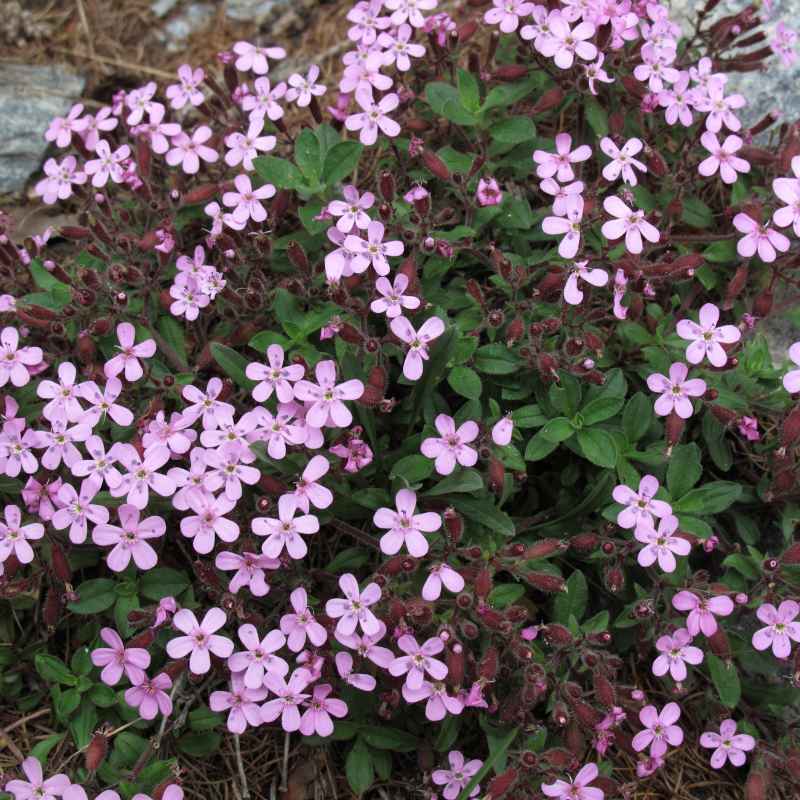
Saponaria ocymoides plug plants provide the simplest and most budget-friendly way to add a waterfall of vivid pink flowers to your rock garden, wall, or border. Starting with well-rooted plugs skips the tricky seed germination stage, giving you strong, blooming plants in their very first season. This guide covers everything from preparing your soil to designing a stunning display, ensuring your Saponaria ocymoides thrives with minimal fuss.
Simply put, using Saponaria ocymoides plug plants is the most rewarding strategy for busy gardeners. Plugs establish fast in free-draining soil and full sun, delivering vigorous growth and an abundance of flowers within weeks. With very little daily care, you get a spectacular, cascading perennial ground cover.
Key Takeaways
- Saponaria ocymoides plug plants establish best when planted in spring or early autumn.
- Excellent drainage and maximum sunlight are non-negotiable for healthy growth and heavy blooming.
- Proper hardening off and gentle handling at planting time prevent transplant shock and speed up establishment.
- Once settled in, these perennial plugs are drought tolerant and come back reliably year after year.
- Regular deadheading after the main flush of flowers encourages a second, lighter bloom later in the season.
1. What You Need to Garden With Saponaria Ocymoides Plug Plants
Before you start, gathering the right tools and materials makes the job smooth and enjoyable. Saponaria ocymoides, also known as rock soapwort, is an alpine plant. This means it thrives in lean, sharply draining conditions.
Standard garden soil that stays wet will kill the roots quickly.
For best results, use a mix that mimics its natural habitat. The table below shows the ideal growing medium to prepare for your plugs.
| Component | Purpose | Recommended Ratio |
|---|---|---|
| Multi-Purpose Compost | Base nutrients and moisture retention | 50% |
| Horticultural Grit or Perlite | Critical drainage and root aeration | 40% |
| Loam or Native Sandy Soil | Natural structure and trace minerals | 10% |
This alpine-style mix prevents water from pooling around the sensitive root system. You will also need a small trowel, a watering can with a fine rose, and your chosen spot in full sun. If you are planting into a container, ensure it has large drainage holes at the base.
Having everything ready before you unbox the plugs reduces stress on the plants. Plugs are vigorous but need prompt planting or potting on once they arrive to stop them from drying out.
2. How to Prepare Your Garden Bed for Saponaria Ocymoides Plugs
Site preparation is the single most important step for long-term success. Saponaria ocymoides originates from mountainous regions, so it craves sun-drenched, rocky spots. Copy these conditions in your garden, and the plants will reward you.
Start by clearing the area of weeds, large stones, and debris. Dig over the soil to a depth of about 20 cm (8 inches). If your garden has heavy clay, you must improve the drainage or the plugs will rot.
Mix in plenty of grit, sharp sand, or crushed gravel to open up the soil structure.
Light levels directly affect how well your plugs perform. Use this quick reference to pick the perfect spot.
| Light Condition | Flowering Performance | Growth Habit |
|---|---|---|
| Full Sun (6+ hours) | Exceptional, carpet of blooms | Compact, dense, and healthy |
| Partial Shade (3-6 hours) | Moderate, fewer flower heads | Leggy, open, and floppy |
| Full Shade (under 3 hours) | Poor, very sparse blooms | Yellowing, weak, prone to rot |
If your chosen bed does not drain naturally, create a raised mound or a sloping rockery. Elevating the crown of the plant above the surrounding soil level is a great trick to prevent moisture buildup around the neck of the plug.
3. Step-by-Step Guide to Planting Saponaria Ocymoides Plug Plants
Planting plugs is straightforward, but paying attention to the details here makes a massive difference. Follow these steps carefully to give your soapwort the strongest possible start.
- Hardening Off: If your plugs were grown in a greenhouse, place them outside in a sheltered, shady spot for a few hours each day. Increase their exposure to sun and wind over 7-10 days. This toughens up the foliage and prevents sun scald.
- Water the Plugs First: An hour before planting, give the plugs a thorough soak. This makes them easier to remove from the tray and ensures the root ball stays intact during transplanting.
- Dig the Hole: Use your trowel to dig a hole slightly larger than the plug root ball. The hole should be deep enough so the top of the plug soil sits level with the surface of your garden bed.
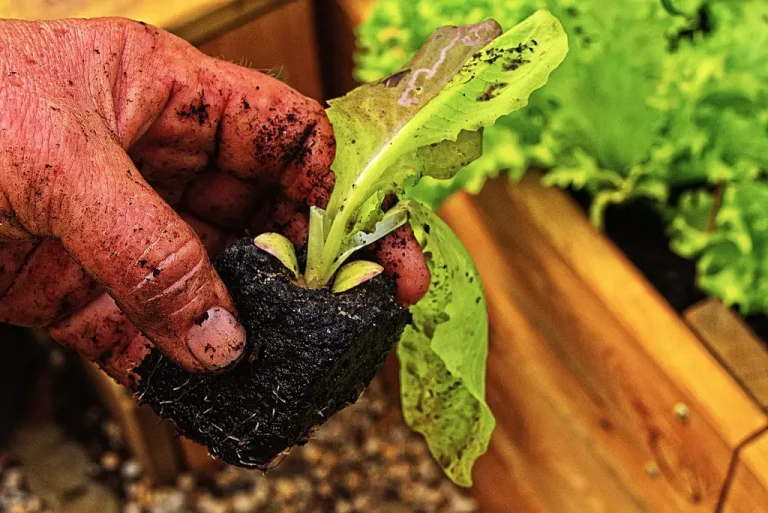
- Remove the Plug: Gently push up from the bottom of the cell tray to release the plug. Handle it by the leaf or root ball, never by the stem. Squeeze the sides of the pot if the roots are stuck.
- Loosen the Roots: If the roots are circling the bottom of the plug, gently tease them apart with your fingers. This encourages them to spread outwards into the surrounding soil rather than choking themselves.
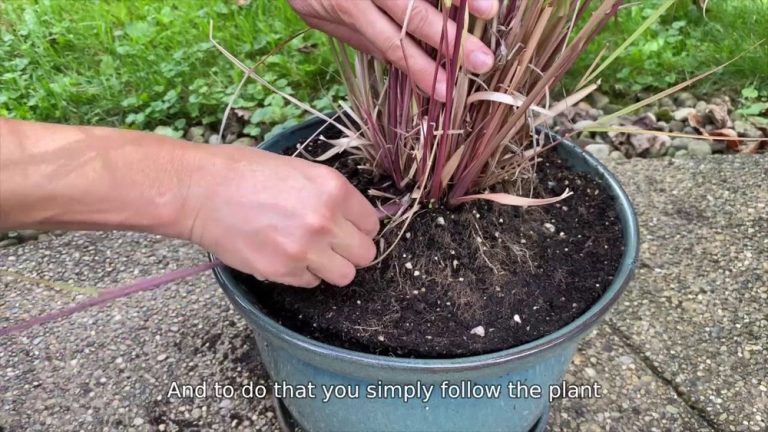
- Place and Backfill: Set the plug in the hole and fill around it with your prepared soil mix. Firm the soil down gently with your fingertips to remove air pockets. Do not press too hard.
- Water In: Use a watering can with a fine rose to settle the soil around the roots. This initial watering is crucial for root-to-soil contact and kickstarting growth.
- Space Correctly: Space each Saponaria ocymoides plug about 30 cm (12 inches) apart. They spread quickly, so this spacing gives them room to fill in without overcrowding.
Pro Tip: Pinch off the very tip of the main stem when planting. This simple action forces the plug to branch out from the base, creating a bushier plant that covers more ground and produces many more flowers.
4. How to Water and Care for Newly Planted Saponaria Ocymoides Plugs
Getting the watering right in the first few weeks is the key to helping your plugs settle in. Too little water and they will shrivel; too much and they will rot. The goal is consistency without saturation.
For the first two weeks after planting, check the soil moisture daily. Water deeply only when the top inch of soil feels dry to the touch. After the plugs show new growth, you can reduce the frequency.
Saponaria ocymoides is drought tolerant once its roots are established in the ground.
- First 2 Weeks: Water every 2-3 days if no rain falls. Aim the water at the soil, not the leaves, to prevent fungal issues.
- Established Plants (After 1 month): Water only during prolonged dry spells. A deep soak once a week is plenty.
- Fertilizing: Feed lightly in early spring with a balanced, slow-release fertilizer. Avoid high-nitrogen feeds, which create weak, floppy growth at the expense of flowers.
- Deadheading: When the first flush of pink flowers fades in early summer, sheer the whole plant back by about half. This prevents it from going to seed and promotes a tidy, compact shape.
- Winter Care: In colder zones, apply a thin layer of grit or gravel around the crown to protect it from winter wet and frost heave. Do not use heavy mulch, which can hold moisture against the stems.
Important: Saponaria ocymoides is naturally adapted to poor, rocky soils. You rarely need to feed established plants. Over-fertilizing can actually reduce the number of flowers and make the plant more susceptible to pests like aphids.
5. Common Mistakes When Handling Saponaria Ocymoides Plug Plants
Even experienced gardeners can run into trouble with alpine plugs if they forget their specific needs. The most common issues come from treating them like thirsty annuals. Here are the pitfalls to avoid for a healthy, vibrant display.
Rock soapwort needs space and sharp drainage. Coddling them with rich soil and constant water is the fastest route to failure. Recognizing these signs early can save your plants.
Warning: Overwatering is the single biggest killer of Saponaria ocymoides plug plants. Their roots are built for the fast-draining scree of alpine slopes, not soggy garden soil. If the leaves turn yellow and the stems go mushy at the base, you are giving them too much water.
- Planting Too Deep: Burying the central crown of the plant below soil level is a major mistake. The crown needs to sit at the surface to breathe. Planting deep leads to stem rot and death.
- Rich Soil: Using heavy, nutrient-rich compost or adding manure causes rapid, weak growth. The stems become soft and prone to collapsing under the weight of the flowers.
- Ignoring Drainage: Failing to add grit to heavy clay soil is a fatal error. The roots suffocate in wet conditions. Always test the drainage by filling the hole with water and timing how long it takes to drain.
- Planting in Too Much Shade: In low light, the plant stretches towards the sun, resulting in a sparse, leggy mess that flops over and fails to flower properly.
- Skipping Deadheading: Allowing the spent flowers to set seed tells the plant its life cycle is complete. It stops producing new buds and puts energy into seeds instead of foliage and roots.
- Pests: Aphids and slugs can sometimes attack tender new growth. Slugs are attracted to damp, shady spots. Move the plant to a sunnier, drier location to discourage them.
6. How to Propagate Saponaria Ocymoides From Your Established Plugs
Once your original plugs are thriving and have filled out, you can easily create new plants for free. Propagation is simple and gives you more material to fill gaps in the garden or share with friends. The best method is taking softwood cuttings in late spring or early summer.
Softwood cuttings root quickly because the stems are young and full of growth hormones. You can also divide mature clumps in the autumn, but cuttings have a higher success rate with less disturbance to the mother plant.
- Select Healthy Stems: Choose non-flowering shoots that are flexible and snap cleanly when bent. Avoid old, woody stems or soft, sappy tips.
- Make the Cut: Use sharp, clean secateurs to take a cutting about 7-10 cm (3-4 inches) long. Cut just below a leaf node.
- Prepare the Cutting: Remove the lower leaves from the bottom half of the stem. Dip the cut end in rooting hormone powder to speed up root development.
- Potting Up: Insert the cutting into a small pot filled with the same gritty, free-draining mix you used for the original plugs. Water it in well.
- Create Humidity: Place a clear plastic bag over the pot or put it in a propagator. This keeps the humidity high while the roots form. Keep the pot in a bright spot out of direct sunlight.
- Check for Roots: After 3-4 weeks, gently tug on the cutting. If you feel resistance, roots have formed. Remove the covering and let the new plant grow on in the pot for another few weeks before planting it out.
Propagation is a fantastic way to create a uniform carpet of soapwort across a large area without buying dozens of plug plants initially.
7. Design Ideas for Saponaria Ocymoides in Your Garden
Saponaria ocymoides is a versatile plant that adds a soft, romantic feel to hard landscape features. Its trailing habit and masses of bright pink flowers make it a star player in several garden settings. Knowing where to place it maximizes its visual impact.
The plant looks best when it can spill over an edge. This softens the lines of stone, brick, or wood and creates a natural, cottage-garden feel. It also works well as a filler between stepping stones or in the crevices of a dry-stone wall.
| Companion Plant | Why It Works | Color Contrast |
|---|---|---|
| Creeping Thyme | Same soil and sun needs, low growing | Purple/pink on green/yellow |
| Campanula poscharskyana | Similar spreading habit, flowers at same time | Pink on blue/lavender |
| Aubrieta | Classic rockery partner, early spring bloomer | Pink on rich purple |
| Sedum spurium | Drought tolerant, textural contrast | Pink on red/green foliage |
Use Saponaria ocymoides to soften the edges of patios, raised beds, and retaining walls. It cascades beautifully over the lip of containers and hanging baskets, where its stems can hang down 30-60 cm (12-24 inches). In a rock garden, plant it where it can weave between boulders and sprawl over the sunny slopes.
Its drought tolerance makes it a smart choice for low-water gardens and xeriscaping. Pair it with other Mediterranean or alpine plants like lavender, rosemary, and ornamental grasses for a cohesive, low-maintenance landscape.
Frequently Asked Questions
When is the best time to plant Saponaria ocymoides plug plants?
The ideal planting window is spring, after the last hard frost has passed. Early autumn is also a great time, as the soil is still warm and autumn rains help the roots establish before winter. Avoid planting in the middle of summer heat or during freezing winter weather.
How long does it take for Saponaria ocymoides plugs to flower?
Well-rooted plugs planted in spring will often produce a modest flush of flowers within 8 to 10 weeks. They will put on full, impressive displays in their second season. Patience pays off, as the second year brings a much denser carpet of blooms.
How far apart should I space my Saponaria ocymoides plugs?
Space the plugs about 30 to 45 cm (12 to 18 inches) apart. This spacing allows them to spread and fill in the gaps within one growing season. Closer spacing gives you a quicker full cover, but wider spacing saves money and is better for airflow.
Can I grow Saponaria ocymoides in a hanging basket or container?
Yes, it is excellent in containers and hanging baskets. Use the same gritty, well-drained compost mix you would use in the garden. Ensure the container has plenty of drainage holes.
The trailing stems will spill over the edges beautifully all summer long.
Is Saponaria ocymoides invasive in the garden?
It is a vigorous spreader but is not considered invasive. It fills in space quickly with its creeping stems but is easy to pull out or cut back if it strays outside its bounds. Deadheading also helps control any unwanted self-seeding.
Final Thoughts
Gardening with Saponaria ocymoides plug plants is a straightforward and deeply satisfying project. By providing sharp drainage, full sun, and a light hand with the watering can, you will be rewarded with a spectacular cascade of pink flowers that returns year after year. Use these tips to transform a bare wall or rocky slope into a vibrant focal point with minimal ongoing effort.