How to Harvest Lemongrass Without Killing the Plant
Lemongrass, with its zesty citrus aroma and robust growth habit, has become a staple in kitchens and gardens worldwide. Whether you’re brewing a soothing tea, preparing a tangy soup, or looking for a natural pest deterrent, this versatile herb delivers on flavor and function. Yet, many gardeners hesitate when it comes time to harvest: How do you collect those fragrant stalks without damaging or even killing the plant? The answer lies in understanding lemongrass’s unique growth pattern and applying proven, gentle harvesting techniques.
By mastering the art of sustainable lemongrass harvesting, you’ll enjoy a continuous supply of fresh stalks all season long—and for years to come. This guide unpacks everything you need to know, from identifying the best time to cut, to the precise tools and methods that maximize both yield and plant health. Whether you’re a backyard gardener, an urban farmer, or a culinary enthusiast, you’ll find actionable strategies, real-world examples, and expert tips to ensure your lemongrass thrives.
Key Takeaways
- Harvest lemongrass stalks by cutting outer stems at the base, leaving inner shoots to ensure regrowth.
- Use sharp, sanitized tools to prevent disease transmission and plant stress.
- Harvest during peak growth—late spring through early fall—for optimal flavor and plant vitality.
- Avoid overharvesting: Never remove more than one-third of the plant at a time.
- Regular, correct harvesting encourages bushier, more productive growth.
- Lemongrass can be grown and harvested year-round in warm climates, with special care in cooler regions.

Understanding Lemongrass Growth And Anatomy
Getting to know the structure and life cycle of lemongrass is crucial for effective, non-destructive harvesting.
Lemongrass Growth Habit
Lemongrass (Cymbopogon citratus) is a tropical perennial grass known for its tall, slender stalks and clumping growth. Each clump consists of multiple shoots, with new ones emerging from the center as the plant matures. This clump-forming habit allows for continual harvesting, as outer stalks mature and become harvest-ready while inner shoots develop.
Lemongrass can grow rapidly in optimal conditions, reaching heights of 3-5 feet (90-150 cm) and spreading to form dense, fountain-like clusters. This vigorous growth makes it a reliable perennial in frost-free climates, and an annual or container plant in colder zones.
Anatomy Of The Lemongrass Plant
A typical lemongrass plant comprises:
- Bulbous base: The white, aromatic portion used in cooking.
- Green stalk: The fibrous, flavorful stem above the base.
- Leaf blades: Long, flat, and sharp-edged, often used for teas or as an aromatic garnish.
The edible portion is primarily the lower stalk, which is tender and packed with essential oils.
The base of each stalk is where the highest concentration of flavor and aroma resides, thanks to the plant’s natural storage of citral and other volatile compounds. Above the bulb, the stalk becomes increasingly fibrous and less suitable for direct culinary use, but the leaves can still be used to impart subtle flavor to broths, teas, and herbal sachets.
Growth Cycle And Seasonal Patterns
Lemongrass thrives in warm, humid climates, growing vigorously from late spring to early fall. In temperate regions, it may slow or go dormant in winter. Understanding these cycles helps determine optimal harvest times and guides how aggressively you can cut.
During spring, lemongrass emerges from dormancy or begins rapid growth after planting . The plant puts energy into producing new shoots and leaves, preparing for the high-growth summer period. By mid to late summer, the stalks will be thick and robust, providing prime harvesting opportunities.
If temperatures drop below 40°F (4°C), growth will slow or stop, and the plant may require protection.
Regeneration After Harvest
Unlike many herbs, lemongrass regenerates from the base, not the tip. This means that as long as the base and root system remain healthy and undisturbed, the plant will continue to send up new shoots after harvesting.
The plant’s basal meristem (growth tissue at the base of each stalk) allows it to push out new growth even after repeated cuttings, making it a forgiving herb for gardeners who follow best practices. With proper care, a single clump can provide harvests for several years before needing division or renewal.

When And How Often To Harvest Lemongrass
Timing is critical to balancing yield with plant health.
Best Season And Plant Age For Harvest
For most climates, the best time to harvest is from late spring through early autumn, when growth is most vigorous. In frost-free regions, harvesting can occur year-round.
- Plant age: Wait until lemongrass is at least 12-18 inches tall with several stalks. This usually takes 4-8 months from planting.
- First harvest: Avoid cutting in the first 3-4 months to allow robust root and shoot development.
Giving your plant time to establish a strong root system ensures it can withstand the stress of regular harvesting. If planted from a stalk or division, expect to wait until a healthy clump forms before harvesting regularly. In some climates, patience during the first season pays off with far more vigorous regrowth in subsequent years.
Harvest Frequency
A healthy, mature lemongrass clump can be harvested every 2-3 weeks during active growth. In cooler climates or with smaller plants, space out harvests to every 4-6 weeks.
Frequent, light harvesting encourages the plant to produce more shoots, leading to a bushier and more productive clump over time. However, overzealous harvesting can weaken the plant, especially if done in quick succession or during periods of stress such as heat waves or drought.
Signs That Lemongrass Is Ready
- Stalks are at least 1/2 inch thick at the base.
- Stalks feel firm and aromatic when pinched.
- Outer stalks begin to yellow slightly at the base (a sign of maturity).
You may also notice that mature stalks have a slightly swollen, juicy appearance at the base, and the leaves may begin to arch outward away from the center of the clump. These indicators signal that the stalks are ready for harvest and at their peak flavor.
How Much To Harvest
- Never remove more than 1/3 of the total stalks at a time.
- Always leave at least 2-3 inner shoots per clump to allow continued growth.
This “one-third rule” applies to nearly all perennial herbs and ensures the plant retains enough green tissue to photosynthesize and regenerate. If your plant is especially vigorous or well-established, you may get away with slightly more aggressive harvesting, but err on the side of caution, especially during the first year.
Step-by-step Guide: Harvesting Lemongrass Without Killing The Plant
Following the right method ensures your lemongrass plant remains healthy and productive.
Gathering Tools And Preparation
- Sharp garden shears or a clean knife
- Gloves (lemongrass edges can be sharp)
- A clean container for harvested stalks
- Optional: Disinfectant for tools
Why sanitize tools? Dirty blades can transmit fungal or bacterial diseases, weakening the plant or causing rot.
Before harvesting, inspect your tools for rust or sap buildup, and wipe blades with a 10% bleach solution or rubbing alcohol if moving between plants. This simple habit can prevent the spread of harmful pathogens, especially in community or shared garden settings.
Identifying Stalks To Harvest
- Focus on outermost stalks—these are the oldest and most mature.
- Select stalks that are thick, robust, and green to pale yellow at the base.
- Avoid removing new growth from the center.
Outer stalks are naturally shaded by new growth and tend to mature more quickly. As they age, they become the best candidates for harvest, and removing them allows light and space for younger shoots to develop.
Cutting Technique
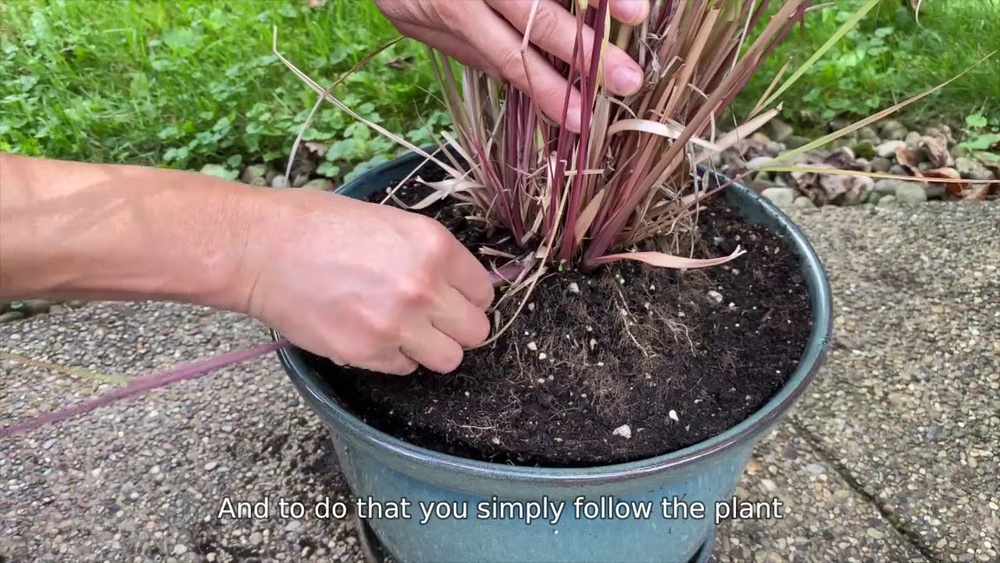
- Grip the stalk close to the base, just above the soil line.
- With a sharp tool, cut or twist off the stalk at ground level.
- Remove roots only if dividing the plant—otherwise, keep the root system intact.
A clean, low cut prevents stubs that can harbor disease and encourages the plant to channel energy into new shoots. Twisting gently can also help free stubborn stalks, but avoid pulling or yanking to prevent root disturbance.
For culinary use, trim away the leafy top and any tough outer layers, retaining the lower white section and a few inches of green stalk.
Post-harvest Care
- Water the plant lightly after harvesting, especially in dry conditions.
- Mulch around the base to retain moisture and suppress weeds.
- Fertilize sparingly with a balanced organic fertilizer to support regrowth.
Lemongrass responds well to post-harvest hydration, especially during hot spells. A layer of compost or straw mulch not only conserves soil moisture but also adds slow-release nutrients. Avoid over-fertilizing, which can promote lush leaf growth at the expense of flavorful stalks.
Common Mistakes To Avoid
- Yanking stalks out by hand (can damage roots).
- Cutting too high—always cut at the base for best regrowth.
- Overharvesting—removing too many stalks stresses the plant and reduces future yields.
Other pitfalls include neglecting to sanitize tools, harvesting during plant stress (such as drought or after transplanting), and failing to provide adequate aftercare. If you notice stunted regrowth, yellowing, or dieback, review your harvesting practices and adjust accordingly.
Real-world Examples And Case Studies
Examining how others manage their lemongrass harvests provides practical insights.
Case Study 1: Urban Balcony Gardener
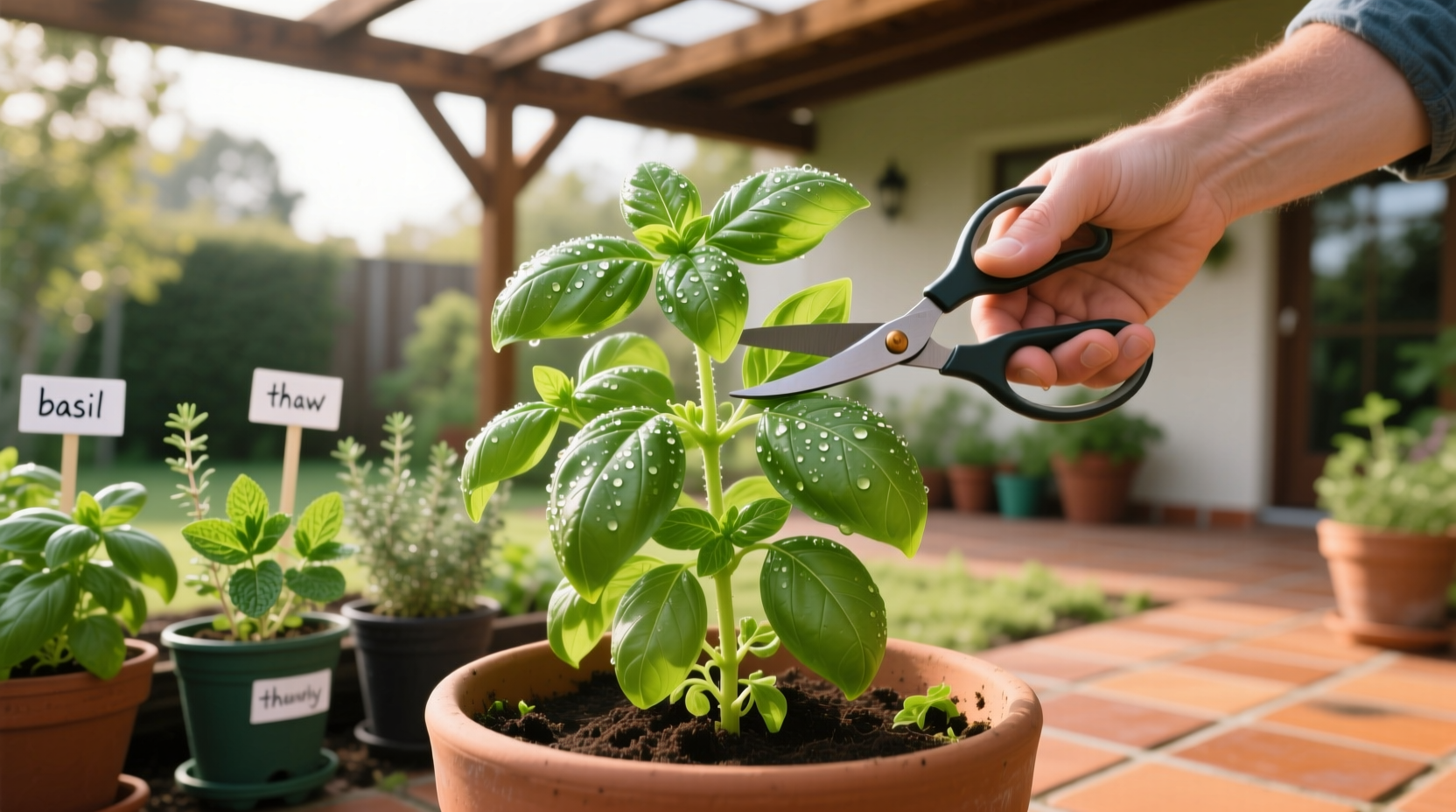
Maria, a city gardener in Los Angeles, grows lemongrass in a large container. She harvests 4-5 outer stalks every month during the growing season. By using sanitized scissors and never cutting from the center, her plant has thrived for three years, supplying her kitchen year-round.
Maria’s approach also highlights the benefits of container gardening: portability for overwintering, easy access for harvesting, and the ability to control soil quality and drainage. She notes that adding a light layer of compost every few months and regular watering keeps her plant lush and productive, even in the dry Southern California climate.
Case Study 2: Community Garden Plot
In a New York City community garden, volunteers manage a lemongrass patch. They rotate harvesting duties, ensuring no more than 1/3 of stalks are taken at a time. The group logs each harvest, which prevents overcutting and has led to a bushier, more productive stand.
By tracking harvests in a shared logbook, the gardeners avoid overlapping or excessive cutting and ensure every member benefits from a steady supply. They also share tips on pest control and seasonal care, creating a living knowledge base that benefits new and experienced gardeners alike.
Case Study 3: Small-scale Herb Farm
A small herb farm in Florida employs a staggered harvesting system, with each lemongrass row harvested every 2-3 weeks. This approach maximizes yield while maintaining plant health, allowing for continuous supply to local restaurants.
The farm’s manager, Jacob, rotates harvests across different clumps and records yields to spot trends or issues early. The farm practices integrated pest management and uses drip irrigation to maintain ideal growing conditions even during the hot, humid summer. Their careful approach has built a reputation for top-quality, fresh lemongrass among local chefs.
Comparison Of Lemongrass Harvesting Methods
Understanding the pros and cons of different harvesting approaches helps you choose the best technique for your needs.
| Method | Yield | Plant Longevity | Effort | Regrowth Speed |
|---|---|---|---|---|
| Selective Outer Stalk Cutting | Medium-High | Excellent | Low | Fast |
| Cutting All Stalks (Clear Cutting) | High (initially) | Poor (plant may die) | Medium | Slow or none |
| Dividing the Clump | Medium (per division) | Excellent (if replanted) | High | Varies |
Selective outer stalk cutting is the safest and most sustainable method for home gardeners.
Clear cutting can shock or kill the plant, particularly if performed during periods of stress or on immature clumps. Division, while labor-intensive, is best reserved for plant renewal or propagation, and it’s not a routine harvesting method for culinary use.
Maximizing Lemongrass Yield And Plant Health
Sustainable harvesting is only one part of the equation. Proper aftercare and strategic cultivation boost ongoing yields.
Soil, Water, And Fertilizer Needs
- Soil: Well-draining, rich in organic matter.
- Water: Consistent moisture, but avoid waterlogged conditions.
- Fertilizer: Apply a slow-release balanced fertilizer every 6-8 weeks during active growth.
Amend heavy or clay soils with compost, sand, or aged manure to improve drainage. In containers, use a high-quality potting mix blended with compost and perlite. Drip irrigation or soaker hoses can help maintain even moisture levels, especially in hot or windy climates.
Pruning For Bushier Growth
After harvesting, prune back dead or damaged leaves to channel energy into healthy new shoots.
Regular pruning also improves air circulation, reducing the risk of fungal diseases such as rust. Removing yellow or tattered leaves keeps your plant looking tidy and directs nutrients to productive tissues.
Pest And Disease Management
Common lemongrass issues include:
- Rust fungus: Remove affected leaves, improve air circulation.
- Root rot: Ensure proper drainage.
- Aphids or mealybugs: Wash off with water or use organic insecticidal soap.
Slugs and snails may also nibble young shoots, especially in damp conditions. Use organic slug pellets or traps as needed. For more on organic pest management, visit the EPA Safe Pest Control site.
Overwintering And Seasonal Care
In cooler climates, dig up and pot lemongrass before the first frost. Bring indoors or place in a greenhouse to continue light harvesting through winter.
When overwintering, reduce watering and avoid heavy feeding, as growth naturally slows. Keep plants in bright, indirect light and rotate pots to promote even growth. In spring, gradually reintroduce outdoor conditions to prevent shock.
Record-keeping And Observation
Track each harvest and observe how the plant responds. Documenting growth rates and yields helps optimize your technique over time.
Consider keeping a simple garden journal or spreadsheet. Note planting dates, harvest quantities, fertilizer applications, and weather patterns. Over time, you’ll build a personalized reference that helps improve your yields and troubleshoot issues more effectively.
Storing And Using Harvested Lemongrass
Proper storage preserves flavor and extends shelf life.
Short-term Storage
- Refrigerate fresh stalks in a plastic bag; lasts 2-3 weeks.
- Place cut ends in water for up to 10 days.
For best results, wrap stalks in a damp paper towel before sealing in a bag, which helps maintain moisture. If storing in water, change the water every few days to prevent bacterial growth.
Long-term Preservation
- Freeze trimmed stalks for up to 6 months.
- Dry leaves for teas or potpourri.
To freeze, peel away any tough outer leaves, chop into desired lengths, and store in airtight bags or containers. Frozen stalks can be used directly in recipes without thawing. For drying, bundle leaves and hang in a dry, well-ventilated area or use a dehydrator.
Culinary Uses
Lemongrass is prized for its citrusy flavor in:
- Thai soups (Tom Yum)
- Curries
- Herbal teas
- Marinades and sauces
Finely minced lemongrass adds punch to stir-fries and salads, while bruised stalks infuse broths and stews with subtle aroma. For recipe ideas, see BBC Good Food’s lemongrass guide.
Medicinal And Home Uses
Traditionally, lemongrass has been used for:
- Digestive aid
- Anti-inflammatory applications
- Mosquito repellent
A simple lemongrass tea can soothe an upset stomach and promote relaxation. The oil, extracted from leaves and stalks, is a popular ingredient in homemade sprays and balms for its antimicrobial and insect-repellent properties. For scientific insight, review the research on the phytochemistry and medicinal uses of lemongrass.
Troubleshooting Common Lemongrass Harvesting Problems
Encountering issues? Here’s how to fix common harvesting mishaps.
Plant Fails To Regrow
- Possible causes: Overharvesting, damaged roots, or disease.
- Solution: Allow plant to rest, water lightly, and fertilize. Check for rot or pests.
If you suspect disease, trim away affected tissues and apply an organic fungicide. For root issues, consider repotting in fresh, well-draining soil.
Weak Or Thin Stalks
- Possible causes: Insufficient nutrients, overcrowding, or lack of sunlight.
- Solution: Feed with organic fertilizer, thin out weak shoots, and ensure at least 6 hours of sun daily.
If growing in containers, repot every 1-2 years to refresh soil and provide more space. Mulching can also help retain moisture and moderate soil temperature, contributing to stronger growth.
Yellowing Leaves After Harvest
- Possible causes: Natural aging, shock from cutting, or water stress.
- Solution: Trim yellow leaves, water consistently, and mulch.
Occasional yellowing is normal, but persistent leaf discoloration may signal nutrient deficiency or root issues. Test soil pH (ideal: 6.0–7.0) and amend as needed.
Comparison: Lemongrass Vs. Other Culinary Grasses
How does lemongrass stack up against similar herbs for harvesting and regrowth?
| Herb | Harvest Method | Regrowth Potential | Common Uses |
|---|---|---|---|
| Lemongrass | Cut outer stalks at base | Excellent | Soups, teas, curries |
| Chives | Shear tops, leave base | Excellent | Salads, garnishes |
| Green Onions | Cut above white bulb | Good | Soups, stir-fries |
| Mint | Pinch tips | Excellent | Drinks, desserts |
Lemongrass is unique for its robust regrowth when harvested properly, making it an ideal perennial herb.
Its sturdy clumping nature and ability to regenerate from the base set it apart from annual or bulb-forming herbs, offering both resilience and high yields for minimal effort.
Advanced Harvesting Techniques: Dividing And Propagating Lemongrass
Beyond standard harvesting, dividing your lemongrass clumps can rejuvenate old plants and expand your garden.
When To Divide
Every 2-3 years, or when the clump becomes dense and growth slows.
Division is also recommended if you notice a decline in stalk size, increased pest problems, or poor regrowth after harvesting. Early spring or fall, when temperatures are moderate and the plant is not in peak active growth, is the ideal time to divide.
How To Divide Without Killing
- Water the plant thoroughly the day before dividing.
- Use a sharp spade to dig up the entire clump.
- Gently separate into smaller sections, each with several shoots and roots.
- Replant divisions immediately in prepared soil.
Handle divisions gently to avoid breaking roots and water thoroughly after replanting. Divisions may wilt initially but typically rebound within a few weeks.
For a visual guide, see Clemson University’s lemongrass factsheet.
Benefits Of Division
- Revitalizes aging plants
- Prevents overcrowding
- Increases overall yield
Dividing also helps control plant size and allows you to share healthy divisions with friends, neighbors, or community gardens.
Rooting Lemongrass From Cuttings
- Place trimmed stalks with nodes in water for 2-3 weeks.
- Once roots develop, plant in soil.
This propagation method ensures a steady supply of young, productive plants.
For best results, change the water every few days and keep the container in a bright spot. Once strong roots (1–2 inches long) appear, transplant into moist potting mix and acclimate to outdoor conditions gradually.
Lemongrass In Different Climates And Growing Conditions
Successful harvesting depends on adapting to your specific environment.
Tropical And Subtropical Regions
- Lemongrass can be harvested year-round.
- Requires minimal protection from cold snaps.
In regions with ample rainfall and warm temperatures, lemongrass will flourish with minimal care. Watch for fungal issues during extended wet periods, and provide light mulching to moderate soil temperature.
Temperate Zones
- Grow in large pots for easy overwintering indoors.
- Limit outdoor harvesting to late spring through early fall.
Move containers indoors before the first frost, or dig up clumps and pot them for the winter. Provide as much natural light as possible, supplementing with grow lights if needed.
Indoor And Hydroponic Lemongrass
- Harvest outer stalks as with outdoor plants.
- Use grow lights to supplement natural light for vigorous regrowth.
Hydroponic systems offer a controlled environment, reducing pest and disease risks. Ensure adequate nutrients and space for roots to avoid stunted growth.
Challenges In Arid Climates
- Mulch heavily to retain soil moisture.
- Harvest less frequently to prevent stress.
Consider planting in partial shade or using drip irrigation to conserve water. Lemongrass can handle brief droughts but prefers consistent, moderate moisture for best growth.
For more on climate adaptation, read the USDA lemongrass technical note.
Sustainability And Community Impact
When harvested sustainably, lemongrass contributes to resilient food systems and community health.
Reducing Food Waste
By harvesting only what you need, you minimize kitchen waste and ensure a continuous supply of fresh herbs.
Harvesting stalks as needed, rather than cutting all at once, helps maintain freshness and flavor. Any unused leaves or trimmings can be composted or used as mulch, returning nutrients to your garden.
Community Gardens And Shared Harvests
Lemongrass is ideal for community plots, thanks to its resilience and ease of division. Group harvesting and sharing promotes food security and culinary diversity.
Organized harvest schedules and record-keeping ensure fair access for all participants. Shared gardens can also host workshops on propagation, sustainable harvesting, and culinary uses, building community knowledge and resilience.
Biodiversity And Ecological Benefits
Lemongrass attracts beneficial insects and deters pests, reducing reliance on chemicals. Its dense root system helps prevent soil erosion.
By interplanting lemongrass with vegetables and flowers, you create a balanced ecosystem that supports pollinators and suppresses common garden pests like aphids and whiteflies.
Lemongrass As A Permaculture Plant
In permaculture systems, lemongrass is valued for:
- Natural pest control
- Mulch production
- Companion planting
Plant lemongrass on slopes or as border hedges to stabilize soil, or use its leaves as a fragrant, weed-suppressing mulch. For more on permaculture uses, visit Wikipedia’s lemongrass article.
Frequently Asked Questions
How Do I Know Which Lemongrass Stalks To Harvest?
Harvest thick, mature outer stalks that are at least half an inch in diameter and have a firm base. Avoid cutting new, tender shoots from the center as these are the plant’s active growth points.
Can I Harvest Lemongrass In Winter?
In warm climates, you can harvest lemongrass year-round. In cooler regions, limit winter harvesting to indoor or greenhouse-grown plants, and always ensure at least a few stalks remain to support regrowth.
What Is The Best Way To Store Fresh Lemongrass?
Refrigerate fresh stalks in a sealed bag for 2-3 weeks or freeze trimmed stalks for up to 6 months. You can also dry leaves for tea or aromatics.
How Often Can I Harvest Lemongrass Without Harming It?
A mature plant allows for harvesting every 2-3 weeks during peak growth. Always leave at least one-third of the plant uncut to promote continued health and regrowth.
Is It Possible To Regrow Lemongrass From Store-bought Stalks?
Yes. Place the bottom 3-4 inch portion of a fresh stalk in water until roots develop, then plant in soil. Not all store-bought stalks will root, but many do—especially if they’re fresh and not treated with growth inhibitors.
Harvesting lemongrass without killing the plant is both an art and a science, blending gentle technique with attentive care. By following the strategies in this guide—timing your harvests, using the right tools, and tending to your plant’s needs—you’ll enjoy a steady supply of zesty stalks and lush, healthy growth for years to come.
Whether you’re cultivating a single clump on a balcony or managing a thriving herb garden, sustainable harvesting ensures lemongrass remains a star ingredient in your kitchen and landscape.