Why Is Evaporative Cooling Important To Both Plants & Animals?
Evaporative cooling is a critical natural process that helps living organisms, including plants and animals, manage heat. By using water evaporation, it lowers temperatures, conserves resources, and is essential for survival in warm environments. This article explains its importance and mechanisms for both plant and animal life.
How Evaporative Cooling Works
Evaporative cooling is simple science. It happens when water turns into a gas. This gas is called water vapor.
When water changes from a liquid to a gas, it needs energy. It takes this energy from its surroundings. This makes the surroundings cooler.
Think about sweating. When you sweat, the water on your skin evaporates. This evaporation pulls heat away from your body.
Your body feels cooler.
This same idea applies everywhere. It happens in large lakes. It happens in small puddles.
It happens on your skin. And it happens with plants. The key ingredient is water.
The key process is evaporation. The result is a cooling effect. It’s nature’s way of beating the heat.
It doesn’t need electricity or fancy machines. It’s a natural balance.
The amount of cooling depends on a few things. Humidity is a big one. If the air is already full of water vapor (high humidity), evaporation slows down.
This means less cooling. If the air is dry (low humidity), evaporation happens faster. This leads to more cooling.
Wind also helps. A breeze blows away the moist air. It brings in drier air.
This helps more water evaporate. So, a windy, dry day is great for evaporative cooling.
Evaporative Cooling in Plants
Plants need to stay cool too. They make their own food using sunlight. This process is called photosynthesis.
But if it gets too hot, photosynthesis can stop. High temperatures can damage plant cells. Plants have a clever way to stay cool.
They use a process called transpiration. Transpiration is basically plant sweating. Water is absorbed by the roots.
It travels up the stem. It reaches the leaves. Tiny pores on the leaves, called stomata, open up.
Water then evaporates from these pores into the air.
As this water evaporates, it cools the leaf surface. This is a vital cooling system for plants. It keeps their internal temperature from getting too high.
This allows them to continue photosynthesis even on hot days. Without transpiration, many plants would struggle to survive in warm climates. They would overheat and shut down.
The amount of water a plant transpires can be quite large. Some plants can lose liters of water each day. This water loss needs to be balanced.
Plants have developed many ways to manage this. Some plants have smaller leaves. This reduces the surface area for water loss.
Others have waxy coatings on their leaves. This coating helps slow down evaporation. Many plants in dry areas only open their stomata at night.
This saves water during the hot day.
Think about a sunny afternoon. You walk past a tree. The leaves feel cool to the touch.
That’s the effect of transpiration at work. It’s a silent, constant cooling. It helps the plant live and grow.
It also helps the environment around it. The air near the tree is cooler and more humid. This can be a welcome relief for insects and small animals.
Plant Cooling: Quick Facts
What is Transpiration? It’s when plants release water vapor through tiny pores on their leaves. This is their natural cooling method.
Why is it Important? It prevents plants from overheating. This lets them keep doing important jobs like making food.
Factors Affecting Cooling: Air temperature, humidity, and wind all play a role. Hot, dry, and windy conditions boost cooling.
Plant Adaptations: Many plants have special features to manage water loss, like small or waxy leaves.
The stomata are like tiny mouths on the leaf. They open to let carbon dioxide in for photosynthesis. They also let water vapor out.
It’s a trade-off. Plants need CO2 but don’t want to lose too much water. So, they have to be smart about when and how much they open them.
This balance is crucial for their survival.
In my own garden, I’ve noticed a big difference. On really hot days, plants that are well-watered seem to perk up more. Their leaves stay a deeper green.
They don’t wilt as much. It’s like they’re better able to cope with the heat. This is thanks to effective transpiration.
Plants with shallow roots or in poor soil struggle more. They can’t get enough water to cool themselves. It’s a clear sign of how vital this process is.
Evaporative Cooling in Animals
Animals also rely heavily on evaporative cooling. We humans do it by sweating. Dogs pant.
Birds flutter their throats. Elephants use their ears. Each animal has its own way to use water to lower its body temperature.
Our bodies work hard to keep a stable internal temperature. This is called thermoregulation. When it gets too hot, this system is put to the test.
Evaporative cooling is a key tool in this defense.
Sweating is very common in mammals. Humans have millions of sweat glands. When sweat evaporates from our skin, it takes heat with it.
This is incredibly effective. However, it also means losing water. So, animals that sweat a lot also need to drink a lot.
This is why staying hydrated is so important when it’s hot.
Dogs and cats can’t sweat like humans all over their bodies. They sweat a little from their paws. But their main cooling method is panting.
Panting is rapid, shallow breathing. This increases airflow over the tongue and into the lungs. Moisture from the mouth and lungs evaporates quickly.
This cools the blood circulating there. This cooler blood then circulates through the body. It helps lower the overall body temperature.
You’ve seen a dog panting hard after a run. It’s their body’s way of cooling down fast.
Animal Cooling Methods: A Look
Mammals (like humans): Use widespread sweating. Water evaporates off skin, taking heat away.
Canids (like dogs): Rely on panting. Evaporation from the tongue and lungs cools blood.
Birds: Often flutter their throat pouches or use gular fluttering. This increases evaporation from moist membranes.
Reptiles & Amphibians: May absorb water through their skin or seek out cooler, moist areas. Less reliance on active evaporation.
Large Animals (like elephants): Use large surface areas like ears to radiate heat, and also enjoy water for cooling.
Birds have a unique method. They don’t sweat. They often use a technique called gular fluttering.
This involves rapid vibration of the throat muscles. It increases airflow and evaporation from the moist lining of the throat and mouth. You might see a bird sitting with its beak open, its throat pulsing.
It’s working hard to cool down.
Elephants are amazing. They have huge ears. These ears are filled with blood vessels.
When the blood passes through the ears, heat can escape into the air. This is like a natural radiator. They also love to spray water on themselves.
The water evaporates from their skin, cooling them down. This dual approach works well for such large animals.
Desert animals have incredible adaptations. Many are nocturnal, meaning they are active at night when it’s cooler. Others have specialized kidneys to conserve water.
Some can tolerate higher body temperatures. But even these animals need ways to dissipate heat. Some, like the camel, can let their body temperature rise significantly during the day.
Then, they cool down at night. This reduces the need for water loss through evaporation. It’s a balancing act of water and heat.
I remember visiting a zoo in the summer. The lion enclosure was spacious, but it was a hot day. The lions were mostly lying in the shade.
One lion kept licking its paws. I later learned that cats have sweat glands on their paws. Licking them might help transfer some moisture to the paws for evaporation.
It was a small thing, but it showed me how every little bit of cooling counts for animals.
Why is Evaporative Cooling So Important?
The importance of evaporative cooling can’t be overstated. It is fundamental to the survival of many species. For plants, it means they can grow and thrive in a wide range of climates.
Without it, deserts would be even more barren. Many crops we rely on would not be possible in warmer regions. It allows plants to perform photosynthesis and produce oxygen.
For animals, it’s a lifeline. It prevents heatstroke and organ damage. It allows them to be active and find food and mates.
It helps maintain the delicate balance of their internal systems. Without this cooling mechanism, many animals would simply overheat and die. It’s a primary defense against the sun’s power.
Evaporative cooling also plays a role in the larger environment. Forests and large bodies of water create cooler microclimates. This is partly due to transpiration from trees and evaporation from water surfaces.
This localized cooling can benefit many plants and animals living in and around these areas. It helps maintain biodiversity.
The Big Why It Matters
Survival: It’s essential for preventing overheating in both plants and animals.
Ecosystem Health: Helps regulate local temperatures and humidity, supporting habitats.
Agriculture: Allows crops to grow in warmer regions, supporting food supplies.
Biodiversity: Enables a wider variety of life to exist in diverse climates.
Comfort: Provides relief from heat for many creatures, including us.
Consider the impact on agriculture. Many fruits and vegetables need warm weather to grow. But if the temperatures get too extreme, the plants suffer.
They might produce fewer fruits, or the quality might suffer. Farmers often irrigate their fields. This not only waters the plants but also uses evaporation to cool the immediate area.
It’s a practical application of this natural principle.
In natural ecosystems, this process contributes to the water cycle. Water evaporates from plants and surfaces. It goes into the atmosphere.
It eventually forms clouds and rain. So, evaporative cooling is tied to weather patterns. It’s a powerful force shaping our planet.
It’s easy to forget about this silent process. But it’s working all the time, everywhere.
Factors Affecting Evaporative Cooling Efficiency
While the principle of evaporative cooling is simple, its efficiency can vary greatly. Several environmental factors influence how well it works. Understanding these can help us appreciate the challenges plants and animals face.
The most significant factor is humidity. High humidity means the air is already saturated with water vapor. There’s less room for more water to evaporate.
Think about a humid summer day. You feel sticky. Sweat doesn’t dry easily.
This is because evaporation is slow. So, on humid days, animals pant more, and plants may reduce transpiration. The cooling effect is less pronounced.
Low humidity, on the other hand, is ideal for evaporative cooling. Dry air can absorb a lot of water vapor. This allows sweat and plant moisture to evaporate quickly.
This leads to rapid cooling. This is why desert animals are so well-adapted to dry heat. Their cooling systems work very efficiently when water is available.
Temperature is another key factor. The hotter it is, the more energy is available for water to turn into vapor. So, evaporation happens faster at higher temperatures.
This means evaporative cooling is most effective when it is needed most – during hot periods. However, extreme heat can also stress plants and animals, making it harder for them to maintain their water balance.
Wind also plays a vital role. A breeze helps to remove the moist air that forms around a wet surface. It
The surface area available for evaporation matters too. Animals with larger ears or more exposed skin can dissipate heat more effectively. Plants with broad leaves can transpire more water.
Some plants have evolved to have very small leaves or to curl their leaves. This reduces the surface area exposed to the sun and wind, conserving water.
Efficiency Boosters & Busters
Humidity: High humidity = Less evaporation = Less cooling. Low humidity = More evaporation = More cooling.
Temperature: Hotter = More evaporation = More cooling (up to a point).
Wind: Windy = Faster evaporation = More cooling. Calm = Slower evaporation = Less cooling.
Surface Area: Larger exposed wet surfaces = More evaporation = More cooling.
Water Availability: Crucial. No water means no evaporation. Plants and animals need access to water.
Finally, water availability is the absolute foundation. All these factors are irrelevant if there isn’t enough water to evaporate. Plants need to access groundwater through their roots.
Animals need to drink. In times of drought, evaporative cooling becomes a significant challenge. This is when heat stress becomes a major concern for all living things.
I’ve noticed this directly with my own plants. If a heatwave hits and I haven’t watered thoroughly, some plants droop very quickly. Even though the air might be dry and windy, they simply don’t have enough water to transpire effectively.
They’ve run out of their internal cooling fluid. It’s a stark reminder of how interconnected these factors are.
Real-World Scenarios: How Evaporative Cooling Helps
Let’s look at some everyday scenarios where evaporative cooling is at play. These examples show how vital this process is for comfort and survival.
Scenario 1: A Hot Summer Day in the Park. You’re walking through a park on a hot afternoon. You notice that the air under a large, leafy tree feels much cooler. This is partly due to the tree’s transpiration.
The leaves are releasing water vapor, cooling the air around them. This creates a small pocket of relief. Birds and squirrels might also be found near the tree, benefiting from the cooler, more humid air.
The shade helps too, but the evaporative cooling from the leaves is a significant contributor.
Scenario 2: A Dog on a Walk. You’re walking your dog on a warm day. Your dog is panting. The rapid breathing is its way of cooling down.
The moist lining of its mouth and lungs are evaporating water, helping to regulate its body temperature. If the air were very humid, you might notice your dog panting even harder. This is because the evaporation is less effective, and it needs to work harder to cool down.
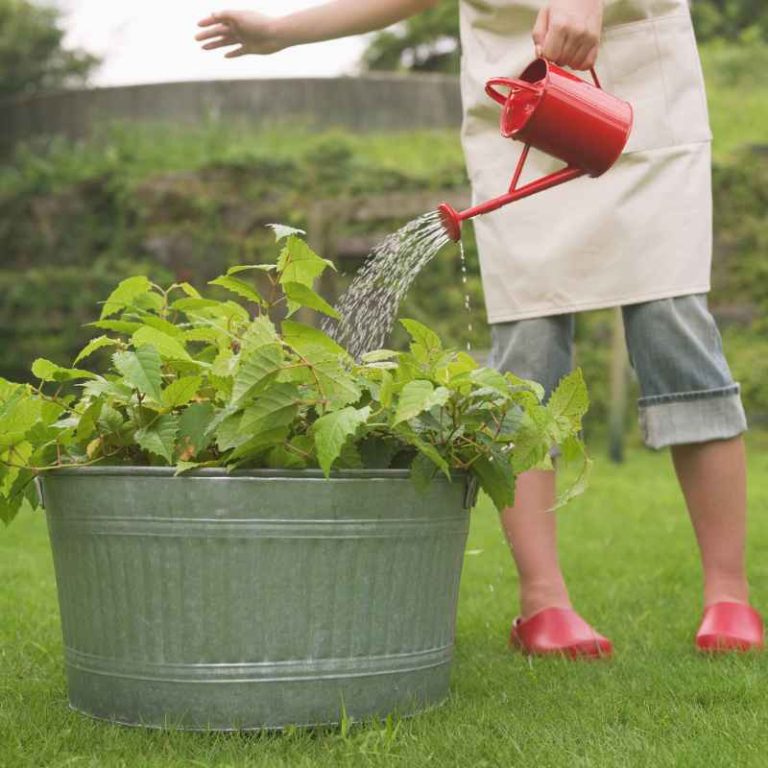
Scenario 3: A Garden After Watering. After you water your garden on a hot day, you might notice a faint coolness in the air. The water on the soil surface and the leaves evaporates. This evaporation draws heat away from the soil and plants, offering a temporary cooling effect.
This is why some gardeners mist their plants or spray down patios in hot weather – it’s using evaporative cooling to make the environment more pleasant.
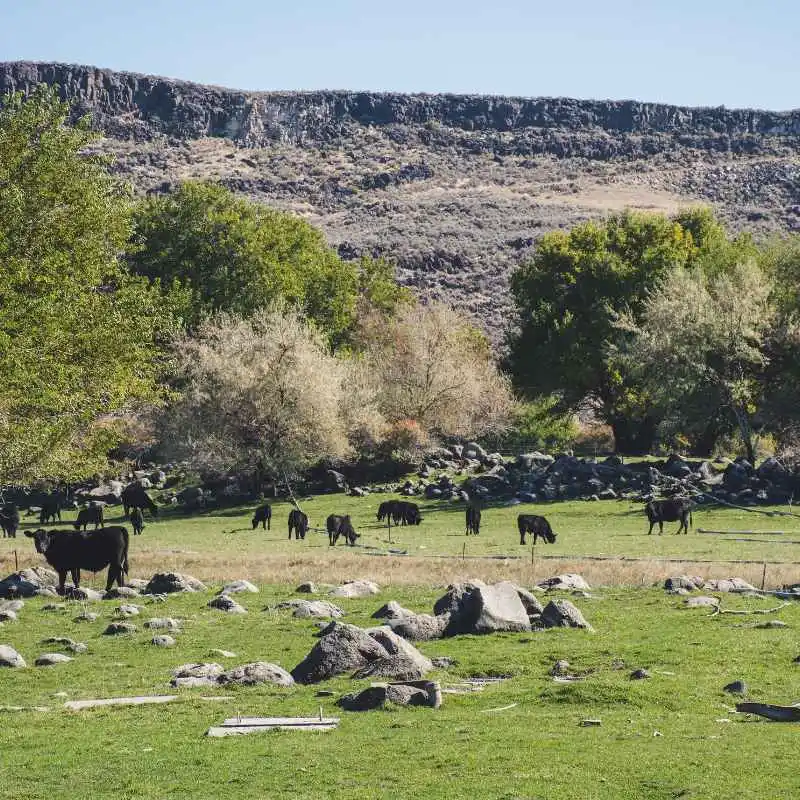
Scenario 4: Livestock in Pasture. Farmers often provide water sources for their livestock. On hot days, animals will drink a lot. Some animals, like cattle, sweat quite a bit.
The sweat evaporates from their skin, helping them stay cool. If there’s shade and a breeze, this process is more effective. In very hot, still conditions, livestock can suffer from heat stress, showing the limits when evaporative cooling is inefficient.
Evaporative Cooling in Action
Park Tree: Transpiration from leaves cools the surrounding air.
Panting Dog: Evaporation from tongue and lungs cools blood flow.
Watered Garden: Evaporation from soil and plants cools the microclimate.
Farm Animals: Sweating and drinking help manage body heat through evaporation.
Bird Cooling: Gular fluttering increases evaporation from moist throat tissues.
Scenario 5: A Bird at a Birdbath. You see a bird splashing vigorously in its birdbath. It’s not just for drinking. The water it splashes onto its feathers and skin will evaporate.
This helps cool the bird down. Birds don’t sweat, so this method of cooling through evaporation is crucial for them, especially during hot weather. They might also perch in shaded, breezy spots to maximize cooling.
These scenarios highlight how evaporative cooling is not just a biological curiosity. It’s a practical, everyday process that affects the comfort and survival of life around us. It’s nature’s air conditioning system, working continuously.
When is Evaporative Cooling Less Effective or a Problem?
While essential, evaporative cooling isn’t a perfect solution for every situation. There are times when it’s less effective or can even pose challenges.
The most obvious time is during high humidity. As we’ve discussed, when the air is already full of moisture, evaporation slows to a crawl. Animals that rely heavily on sweating or panting will struggle to cool down.
This can lead to heat exhaustion or heatstroke. Plants may also wilt faster if they can’t transpire effectively to cool their leaves.
Another issue is water scarcity. Evaporative cooling requires water. If there isn’t enough water available, the process simply cannot happen.
This is a major problem in arid regions or during droughts. Plants may shut down their stomata, and animals may seek out water sources constantly. The lack of available water limits this crucial cooling method.
For humans, excessive sweating without adequate water intake can lead to dehydration. This is a serious health risk. The body loses not only water but also essential electrolytes.
This can disrupt bodily functions. It’s why drinking plenty of fluids is so important in hot weather, especially when sweating a lot.
There’s also a point where extreme heat becomes too much, even with efficient evaporative cooling. If the ambient temperature is higher than the body’s core temperature, and the air is dry enough for evaporation, the body can still cool. However, if the heat is intense and prolonged, the body’s cooling mechanisms can be overwhelmed.
This is especially true if the organism is already weakened or stressed.
For plants, there’s a concept called the optimum temperature range for photosynthesis. If temperatures go too high, enzymes involved in photosynthesis can break down. Transpiration might keep the leaf cool, but the high heat can still cause damage.
Some plants have adaptations to avoid this, like orienting their leaves away from direct sun.
When Cooling Struggles
High Humidity: Slows evaporation, making cooling difficult.
Drought Conditions: Lack of water prevents evaporation.
Dehydration Risk: Excessive sweating without rehydration can be dangerous.
Overwhelmed Systems: Extreme or prolonged heat can stress even efficient cooling mechanisms.
Enzyme Damage: Very high temperatures can harm crucial biological processes like photosynthesis.
Even with efficient evaporative cooling, some animals in very hot climates must also rely on other behaviors. They might seek shade, reduce activity during the hottest parts of the day, or burrow underground where temperatures are more stable. These behavioral adaptations are just as important as physiological ones.
They help animals survive when their cooling systems are pushed to their limits.
I’ve seen this with my own vegetable garden. On days where the temperature reaches the high 90s or 100s, and humidity is also high, my plants really suffer. Even with good watering, some leaves start to look scorched.
The system is struggling. It’s a clear indicator that nature’s cooling limits are being tested.
Human Applications: Inspired by Nature
Humans have long understood the power of evaporative cooling. We’ve created technologies inspired by this natural process. These technologies are incredibly effective, especially in drier climates.
The most common example is the swamp cooler, also known as an evaporative cooler. These devices work by drawing hot, dry outside air through water-soaked pads. As the water evaporates from the pads, it cools the air.
This cooler, slightly more humid air is then blown into a building. They are much more energy-efficient than traditional air conditioners, especially in areas with low humidity.
Think about misting fans you see at outdoor events or patios. These fans spray a fine mist of water into the air. As the tiny water droplets evaporate, they cool the surrounding air.
This can make a significant difference in comfort on a hot day. It’s a direct application of evaporative cooling.
Even simple things like hanging wet towels or sheets in front of an open window can provide some cooling effect. The water evaporates, and the breeze blowing through the wet fabric cools the air entering the room. It’s a low-tech, DIY approach to using evaporation for comfort.
In agriculture, farmers sometimes use misting systems in greenhouses. This helps to control the temperature and humidity, keeping plants from overheating. It’s a controlled way to leverage evaporative cooling for optimal plant growth.
It mimics the cooling effect of transpiration on a larger scale.
Nature’s Influence on Human Tech
Evaporative Coolers (Swamp Coolers): Use water-soaked pads to cool air through evaporation, ideal for dry climates.
Misting Fans: Create a cooling effect outdoors by evaporating fine water sprays.
Greenhouse Misting: Used in agriculture to regulate temperature and humidity for plants.
Personal Cooling: Wet cloths or sprays used by individuals to cool down.
Wicking Fabrics: Modern textiles designed to draw moisture away from the skin for faster evaporation and cooling.
The concept of wicking fabrics in clothing also relates to this. These materials are designed to pull sweat away from your skin to the outer surface of the fabric. Once on the surface, the sweat can evaporate more easily and quickly.
This helps keep you cooler and drier. It’s about enhancing the body’s natural evaporative cooling system.
It’s fascinating how much we can learn from observing nature. The simple act of water turning into vapor has inspired solutions that make our lives more comfortable. These human-made systems are, in essence, sophisticated versions of what plants and animals have been doing for millions of years.
What This Means for You and Your Plants/Pets
Understanding evaporative cooling has practical implications for how you care for your plants and pets, and even for your own comfort.
For Your Plants: On hot days, ensure your plants have access to enough water. This is crucial for transpiration. Grouping plants together can create a slightly more humid microclimate around them, which can help.
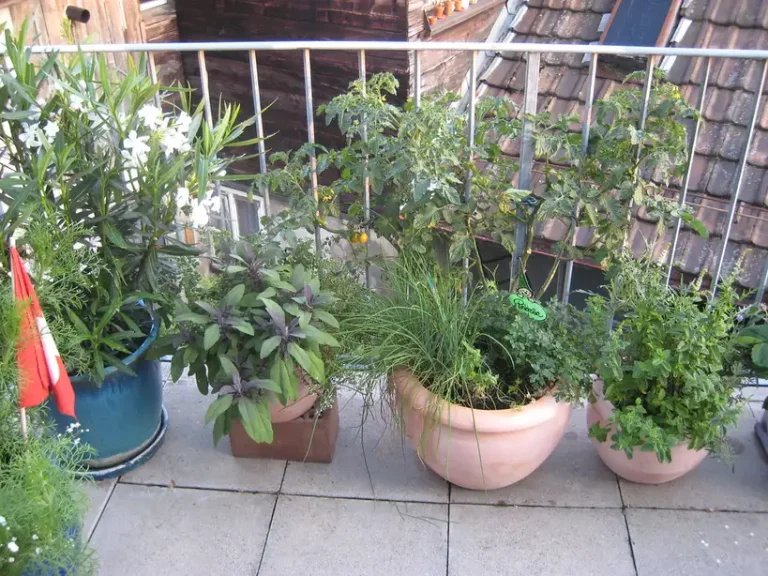
If you have a patio or balcony, misting your plants can provide a temporary cooling effect. For potted plants, consider moving them to a shadier spot during the hottest part of the day.
For Your Pets: If you have pets that pant, like dogs, make sure they have access to fresh, cool water at all times. On hot days, offer them opportunities to cool down. This could be a shallow wading pool, wet towels, or simply ensuring they have shade.
Avoid strenuous activity during peak heat. For pets that don’t sweat much, like cats, grooming them with a damp cloth can help. Always observe your pet for signs of heat stress, such as excessive panting, lethargy, or drooling.
For Your Home: In dry climates, consider using an evaporative cooler. If you don’t have one, opening windows on opposite sides of your house during cooler parts of the day (early morning, late evening) can create a cross-breeze. This helps move air and can aid in cooling.
Misting your houseplants can also slightly increase humidity indoors.
For Your Own Comfort: Remember to stay hydrated! Drink plenty of water, especially when you’re active outdoors. Wear light-colored, loose-fitting clothing.
Seek shade when possible. If you’re feeling overheated, a cool shower or applying a damp cloth to your neck and wrists can provide quick relief through evaporation.
Actionable Tips: Stay Cool!
Plants: Water well, group them, mist them, provide shade.
Pets: Always have fresh water, create cool spots, use damp cloths, avoid peak heat exercise.
Home: Consider evaporative coolers in dry areas, create cross-breezes.
Yourself: Hydrate, wear light clothes, find shade, use cool water for relief.
It’s about working with nature, not against it. Understanding how evaporative cooling works helps you create a more comfortable and safe environment for all living things under your care, and for yourself. It’s a simple but powerful concept.

Frequently Asked Questions
How does plant transpiration help cool the plant?
When water evaporates from the surface of a plant’s leaves through tiny pores called stomata, it takes heat energy with it. This process is like the plant sweating. It lowers the temperature of the leaf, preventing it from overheating and allowing photosynthesis to continue even on hot days.
Why do dogs pant to cool down?
Dogs don’t have a lot of sweat glands all over their bodies. Instead, they pant. Panting involves rapid, shallow breaths.
This increases airflow over the moist surfaces of their tongue and lungs. As this moisture evaporates, it cools the blood in those areas. This cooler blood then circulates through the dog’s body, lowering its overall temperature.
Is evaporative cooling effective in humid climates?
No, evaporative cooling is much less effective in humid climates. High humidity means the air is already holding a lot of water vapor. This slows down the rate at which water can evaporate from skin or plant leaves.
As a result, the cooling effect is significantly reduced.
Can too much evaporation harm plants?
Yes, if a plant cannot keep up with water loss through transpiration, it can be harmed. If the roots can’t absorb water fast enough to
What is the difference between a swamp cooler and an air conditioner?
An air conditioner cools air by removing heat and moisture from it using a refrigerant cycle. A swamp cooler, or evaporative cooler, cools air by adding moisture to it through water evaporation. Swamp coolers work best in dry climates and use less energy than air conditioners.
How can I help my outdoor plants survive a heatwave?
Ensure they are well-watered, especially in the morning. Provide temporary shade if possible, using shade cloth or umbrellas. Grouping plants together can increase local humidity.
Misting plants can offer brief relief. Avoid fertilizing during extreme heat, as this can encourage new growth that requires more water.
Are there animals that don’t use evaporative cooling?
Most animals use some form of evaporative cooling. However, the methods vary greatly. Some animals, especially those in very cold climates or with specific metabolisms, might rely more on behavioral cooling (seeking shade, burrowing) or reducing heat production.
But the principle of water evaporation is a nearly universal cooling strategy.
Conclusion
Evaporative cooling is a fundamental process. It keeps plants alive and allows animals to thrive. It’s nature’s way of managing heat.
Understanding how it works helps us appreciate the natural world. It also guides how we care for our own plants and pets. By recognizing its importance and limitations, we can all stay cooler and safer, especially when the temperatures rise.
It’s a simple yet powerful mechanism that sustains life.