
The world’s highest mountains hold a unique secret beneath their snow-capped peaks. If you walk across an alpine meadow, you’ll notice something strange: almost all the plants are small, hugging the earth, rarely reaching above your knee. Why are alpine biome plants typically low growing? The answer is more complex—and more fascinating—than it first appears.
The alpine biome is one of the planet’s harshest environments. It stretches above the tree line, where forests end and only the hardiest forms of life survive. Here, plants face biting winds, freezing nights, intense sunlight, and thin soils. Yet, instead of growing tall to capture more sunlight as you might expect, most alpine plants stay close to the ground.
This article explores the science behind this survival strategy, the adaptations plants have developed, and what we can learn from these masters of resilience.
What Is The Alpine Biome?
The alpine biome refers to high mountain regions found across the world, usually above 10,000 feet (3,000 meters) in elevation. You’ll find it in the Rockies, Andes, Alps, Himalayas, and other ranges. This biome is not defined by latitude or country, but by altitude—above the elevation where trees can no longer grow.
Conditions here are extreme:
- Average temperatures remain low, often below freezing much of the year.
- Growing seasons are very short, sometimes only 60–90 days.
- The air is thin, with less oxygen and lower atmospheric pressure.
- Sunlight is intense, with high ultraviolet (UV) radiation.
- The soil is rocky, shallow, and poor in nutrients.
- Winds can reach hurricane force, especially on exposed ridges.
Despite these challenges, the alpine biome supports a surprising diversity of plants—over 10,000 species globally, according to botanists. Most are low-growing herbs, shrubs, mosses, and cushion plants.
Key Environmental Challenges In Alpine Regions
To understand why alpine plants are low growing, it’s important to look closely at the main challenges they face.
1. Extreme Cold And Frost
Temperatures can drop below -20°C (-4°F), even in summer. At night, frost is common, and snow can fall any month of the year. Tall plants would expose more of their tissues to these freezing temperatures, increasing the risk of frost damage.
2. Strong Winds
Alpine zones are notorious for their winds. Wind speeds regularly exceed 60 miles per hour (100 km/h) on ridges and open slopes. These winds strip away moisture, increase evaporation, and can physically break or damage taller plants.
3. High Uv Radiation
The atmosphere is thinner at altitude, letting in more ultraviolet (UV) light. This can damage plant tissues and DNA. Shorter plants, especially those that grow close to rocks or in clusters, receive some protection from reflected light and radiation.
4. Poor, Shallow Soils
Alpine soils are typically only a few inches deep, full of stones, and low in nutrients. There is little organic matter, and erosion from wind and water is constant. Deep-rooted, tall plants struggle to anchor themselves or get enough nutrients.
5. Short Growing Season
Warmth is brief. Sometimes, the snow melts only for a few weeks before returning. Plants must grow, flower, and set seed quickly. Tall growth would require more time and energy than the climate allows.
6. Water Stress
Despite snow and ice, water can be scarce. Soils dry out quickly in the sun and wind. Low-growing forms help reduce water loss by minimizing exposure.
Adaptations: How Alpine Plants Survive
Over thousands of years, alpine plants have evolved clever ways to survive. Their low stature isn’t just a coincidence—it’s a set of adaptations that help them deal with all the challenges above.
Cushion Growth Form
One of the most distinctive adaptations is the cushion plant form. These are dense, rounded mats of stems and leaves, often only a few centimeters tall.
Examples: Silene Acaulis (moss Campion), Azorella Compacta (yareta)
Benefits:
- Traps heat from the sun, warming the plant’s interior by up to 10–20°C above air temperature.
- Reduces wind exposure, protecting leaves from drying and physical damage.
- Maintains higher humidity inside the cushion, lowering water loss.
- Offers shelter for pollinators and other small creatures.
Rosette And Mat-forming Habits
Many alpine plants grow in a rosette (a circular arrangement of leaves) or form spreading mats.
Examples: Saxifraga Species, Draba Species
Benefits:
- Leaves overlap, shielding each other from cold and sunburn.
- Close contact with the ground allows plants to absorb reflected heat from rocks and soil.
- Mats can trap bits of organic matter, slowly improving soil.
Leaf And Stem Adaptations
Alpine plants also show special features in their leaves and stems:
- Small, thick leaves: Reduce water loss and resist freezing.
- Hairy or waxy coatings: Reflect UV light, hold in moisture, and insulate from cold.
- Pigments (like anthocyanins): Protect from UV damage and sometimes give leaves a reddish color.
Growth Timing
Alpine plants often have rapid life cycles. They grow, flower, and set seed in just a few weeks—sometimes in less than 30 days.
Some can even photosynthesize at temperatures just above freezing, making the most of any warmth.
Underground Storage
Many species invest in large roots or underground stems (rhizomes, tubers). These store energy and nutrients to survive long winters and support rapid growth as soon as the snow melts.
Why Low Growth Is Better: The Science
There are clear reasons why low growth is favored in the alpine biome.
Heat Conservation
Low plants stay closer to the ground, where it’s warmer. The soil and rocks absorb sunlight during the day and radiate heat at night. By hugging the earth, plants can avoid the coldest air, which settles higher up.
Research shows that temperatures just 2 inches (5 cm) above the ground in alpine zones can be 10°C (18°F) warmer than the air only 1 meter above.
Wind Protection
Short stature reduces the surface area exposed to strong winds. This means less physical damage, less drying out, and lower risk of being uprooted. Tall plants would act like sails, catching the wind and suffering breakage.
Water Conservation
Evaporation rates are lower at ground level, especially when plants form mats or cushions. The microclimate inside these mats is more humid than the open air, helping plants retain water.
Rapid Reproduction
By not investing in tall stems, alpine plants can put more energy into roots, leaves, and reproduction. This is crucial when the growing season is so short.
Resistance To Snow And Ice
Low plants can be buried by snow, but this is often a good thing—it insulates them from extreme cold and protects from wind. Tall plants, in contrast, would be crushed or broken by snow load.
Data Table: Alpine Vs. Lowland Plant Growth
Let’s compare some key traits of typical alpine and lowland plants.
| Trait | Alpine Plants | Lowland Plants |
|---|---|---|
| Average Height | 5–20 cm (2–8 inches) | 50–200 cm (20–80 inches) |
| Leaf Size | Small, thick, often hairy | Larger, thinner |
| Root System | Shallow, wide, storage organs | Deep, extensive |
| Growth Form | Cushion, mat, rosette | Upright, bushy, tree-like |
| Reproduction Speed | Very fast (weeks) | Slower (months) |
Case Studies: Iconic Alpine Plants
Learning from real examples helps us understand why these adaptations matter.
Moss Campion (silene Acaulis)
This small, pink-flowered cushion plant is found in the Alps, Rockies, and Arctic tundra. It forms tight mats only a few centimeters tall. Studies show that the inside of a moss campion cushion can be up to 15°C warmer than the surrounding air, even when it’s near freezing outside.
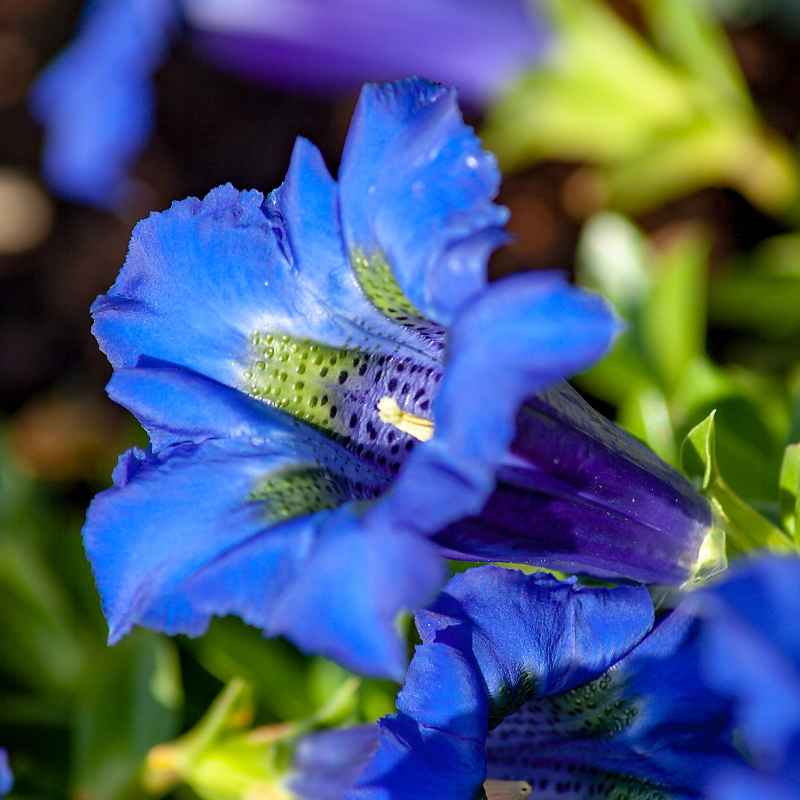
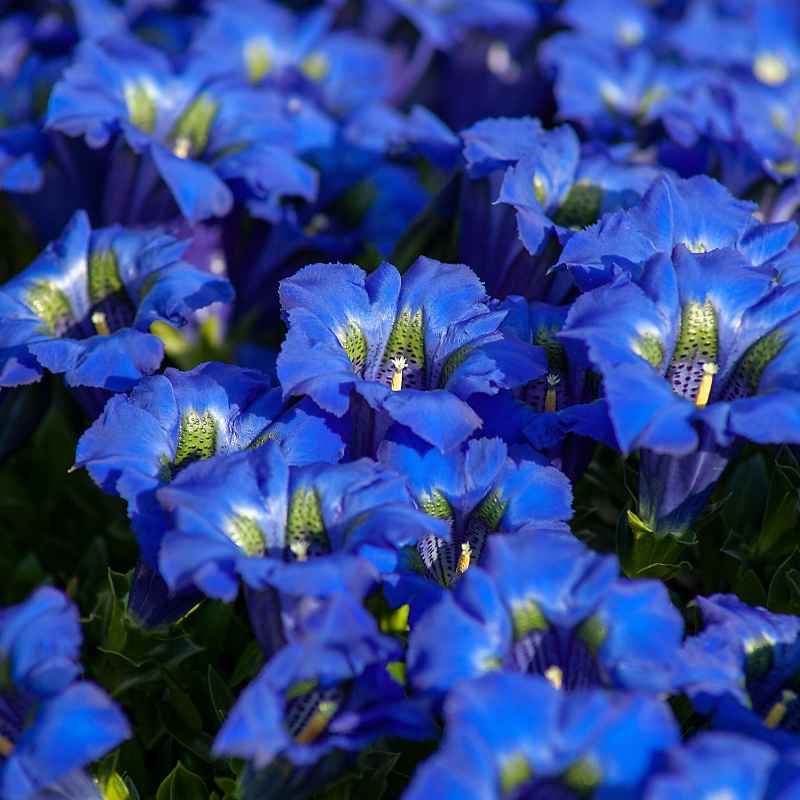
Alpine Forget-me-not (myosotis Alpestris)
This delicate blue flower grows in mats and blooms just after snowmelt. Its leaves are covered in tiny hairs, protecting it from UV and wind. Its rapid life cycle lets it set seed before the cold returns.
Yareta (azorella Compacta)
Native to the Andes, yareta grows in huge, dense cushions that can be thousands of years old. The plant’s structure allows it to survive freezing nights, intense sun, and wind at 4,500 meters (14,700 feet) elevation.
Arctic Willow (salix Arctica)
One of the smallest willows in the world, this shrub grows flat along the ground. Its flexible stems avoid wind damage, and it uses underground runners to spread.
Comparison Table: Alpine Plant Adaptations
Here’s a side-by-side view of how specific adaptations help alpine plants.
| Adaptation | Purpose | Example Species |
|---|---|---|
| Cushion form | Heat retention, wind protection | Silene acaulis |
| Hairy leaves | UV protection, reduce water loss | Myosotis alpestris |
| Small size | Resist wind, avoid frost | Salix arctica |
| Rapid flowering | Quick seed set during short summer | Draba species |
| Large underground storage | Survive winter, enable fast spring growth | Geum rossii |
Non-obvious Insights: What Beginners Miss
Most people focus on cold or wind when thinking about the alpine biome, but two less obvious factors are crucial:
Microhabitats Are Everything
Alpine landscapes look empty, but even small variations—like a cluster of rocks or a slight slope—create microhabitats. Low-growing plants take advantage of these spots, gaining extra warmth or shelter. The difference of just a few centimeters can mean survival or death.
Soil Building Is Slow But Vital
Because soils are so thin, alpine plants play an active role in creating and improving their own environment. Cushion and mat-forming plants trap dust, dead leaves, and moisture, slowly building richer soil that helps future generations. This process can take centuries.
Alpine Plants Vs. Other Biomes
It’s natural to wonder why, for example, tundra plants in the Arctic are also low-growing, while rainforests or grasslands support much taller plants. The answer lies in the combination of stress factors.
- In forests, competition for light drives plants to grow tall.
- In grasslands, fire and grazing shape plant height and form.
- In the alpine, extreme cold, wind, and short seasons make tall growth a disadvantage.
Table: Biome Comparison—why Plants Grow Tall Or Short
| Biome | Main Stress Factors | Typical Plant Height | Why? |
|---|---|---|---|
| Alpine | Cold, wind, short season | Low (5–20 cm) | Protection, warmth, rapid growth |
| Tundra | Cold, permafrost, wind | Low (5–15 cm) | Similar to alpine |
| Temperate forest | Light competition | Tall (10–40 m) | Reach sunlight above canopy |
| Grassland | Fire, grazing | Medium (0.5–2 m) | Regrow after damage |
| Desert | Water scarcity, heat | Variable (often low) | Reduce water loss, avoid heat |
Common Misconceptions
“alpine Plants Are Small Because They’re Young”
Many low alpine plants are actually very old—some cushions can be hundreds or even thousands of years old. Their small size is not due to immaturity, but to adaptation.
“they Don’t Need Sunlight”
Alpine plants get intense sunlight, but their form helps them avoid UV damage. They still need to photosynthesize, but maximize this with small, thick, or hairy leaves rather than tall growth.
“low Growth Means Less Biodiversity”
Despite their size, alpine zones can be rich in species, especially in undisturbed areas. Diversity comes from specialized adaptations, not from height.
How Climate Change Is Affecting Alpine Plants
The alpine biome is especially sensitive to climate change. As global temperatures rise, the tree line moves higher, and alpine zones shrink. Some impacts:
- Encroachment by trees and shrubs: Taller plants from lower elevations move up, outcompeting specialized alpine species.
- Longer growing seasons: This may help some species, but can disrupt the balance of plant communities.
- Loss of microhabitats: Warming changes snowmelt patterns, affecting the small niches alpine plants rely on.
Research published by the Global Mountain Biodiversity Assessment shows that alpine plant diversity could decline by up to 50% in some regions by 2100. Some species may have nowhere else to go—they’re already at the top.
What Alpine Plants Teach Us
The survival of alpine plants offers lessons for ecology, gardening, and even technology.
- Efficiency over size: These plants thrive not by being big, but by being efficient with resources.
- Teamwork: Many cushion plants create micro-communities, supporting insects and other plants.
- Adaptation to stress: Rather than fighting harsh conditions, alpine plants adapt to them.
Practical Applications: Growing Alpine Plants
Many gardeners admire alpine plants for their beauty and toughness. Rock gardens often use species like Edelweiss, moss campion, and alpine forget-me-not.
Tips for success:
- Use well-drained, gritty soil—avoid heavy clay.
- Plant in full sun, but protect from the hottest afternoon rays.
- Water sparingly; these plants dislike wet roots.
- Group them with rocks or in crevices to mimic natural microhabitats.
- Avoid over-fertilizing—alpine plants prefer lean conditions.
Remember, the biggest mistake is treating them like lowland flowers. Their adaptations work best in conditions that mimic the wild alpine environment.
Non-obvious Insight: Alpine Plant Pollination Strategies
Because insects are less common at high altitudes, alpine plants often have bright flowers and strong scents to attract the few available pollinators. Some use self-pollination as a backup, ensuring reproduction even in bad weather.
The Future Of Alpine Biomes
Protecting alpine environments is essential for biodiversity. These unique plants are not just survivors—they’re indicators of the planet’s health. Scientists study them to understand climate change, adaptation, and even new medical compounds.
For more details on the biodiversity and conservation of alpine biomes, visit the Wikipedia page on Alpine tundra.
Frequently Asked Questions
Why Do Alpine Plants Stay Low To The Ground?
Alpine plants stay low to conserve heat, avoid wind damage, reduce water loss, and survive in poor soils with short growing seasons. Their growth form lets them make the most of difficult conditions above the tree line.
Are All Alpine Biome Plants Small?
Most are, but not all. Some alpine shrubs can reach up to 1 meter (3 feet), but even these usually have prostrate or spreading forms. True tall trees and large bushes are almost always absent above the tree line.
How Do Cushion Plants Survive Extreme Cold?
Cushion plants trap heat inside their dense mats, keeping the interior warmer than the air. They also reduce exposure to wind and water loss, and the snow cover in winter acts as insulation.
Can Alpine Plants Be Grown In Gardens?
Yes, many alpine species are used in rock gardens. Success depends on well-drained soil, full sun, and avoiding too much water or fertilizer. Mimicking their natural conditions is key.
What’s The Difference Between Alpine And Tundra Plants?
Both have similar adaptations due to cold, wind, and short seasons, but alpine plants are found in high mountains worldwide, while tundra plants occur in polar regions. Some species overlap, but the exact community is different.
The alpine biome is a world of extremes, but it proves that life can thrive against the odds. The next time you see a tiny flower clinging to a mountain slope, remember: sometimes, staying low is the best way to rise above adversity.