Which Plant Does Saguaro National Park Get Its Name From?
Saguaro National Park, located in southern Arizona, is a place where the landscape feels alive with character. The park’s name comes from a plant that is not only iconic in the American Southwest, but is also a symbol of resilience and beauty.
For a related topic, Where To Buy A Concrete Border Machine For Landscaping gives readers a useful next step.
When visitors first arrive, they are greeted by a forest of towering cacti that seem almost unreal. But what exactly is the saguaro, and why does this plant deserve to have a national park named after it?
The answer is more than just botanical. The saguaro cactus stands as a pillar of desert life, history, and culture. Understanding this plant helps you appreciate why Saguaro National Park exists, and why it protects so much more than just a patch of land. This article explores the saguaro cactus in detail: its biology, its role in the environment, its cultural meaning, and the unique challenges of preserving it. Whether you are planning a visit or simply curious, you’ll discover how this remarkable plant shapes the park and the region.
The Saguaro Cactus: The Namesake Of Saguaro National Park
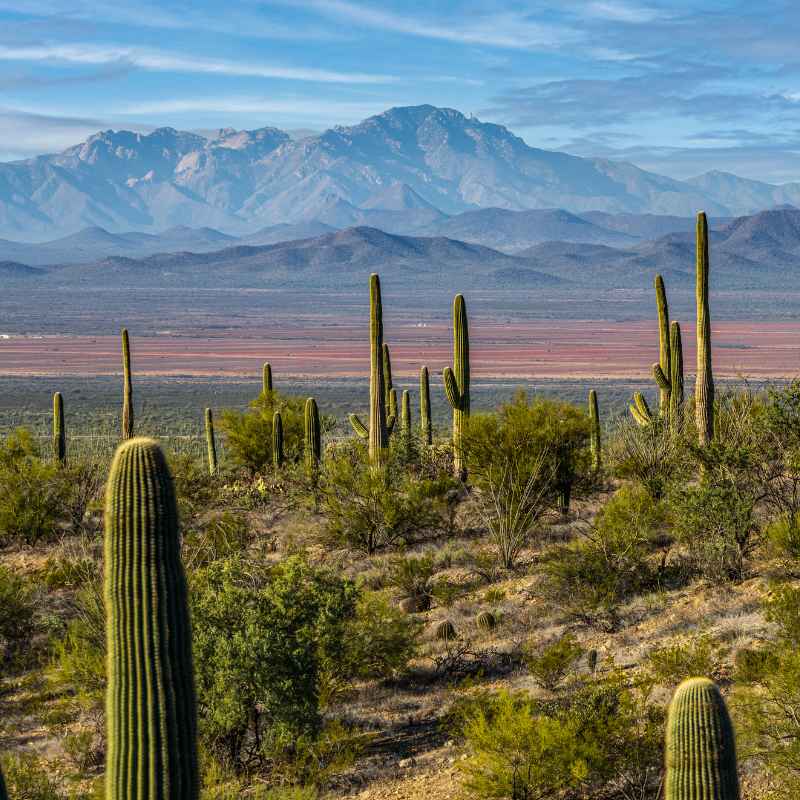
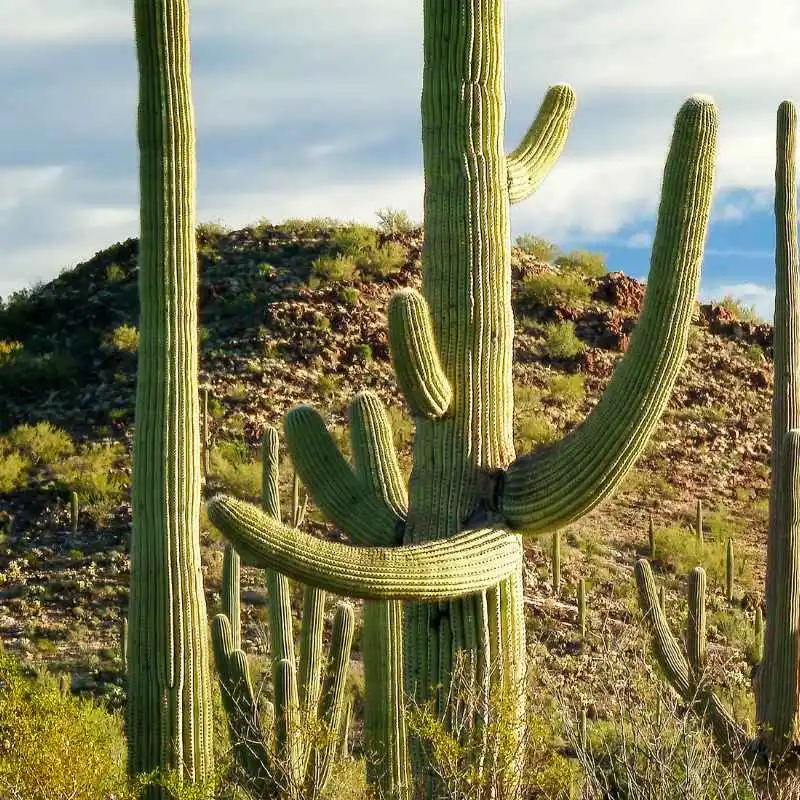
The park’s name comes from the saguaro cactus (Carnegiea gigantea). This cactus is native to the Sonoran Desert and is one of the largest cacti in the world. Its tall, column-like shape, with arms stretching upwards, is instantly recognizable. The saguaro is not just a plant; it is a living monument, standing up to 50 feet tall and living for over 150 years.
Saguaros have become a symbol of the American Southwest. Images of wild west movies and Arizona postcards often feature these cacti. The park was named to honor this unique plant, which is found only in the Sonoran Desert. Without the saguaro, the landscape would lose much of its identity.
Saguaros are not just famous for their size, but also for their presence in art and media. Their silhouette is used in everything from cartoon backgrounds to logos and advertisements. Interestingly, many people in the U. S. have never seen a real saguaro, yet they recognize its shape instantly.
The saguaro’s unique design makes it one of the most “photogenic” plants in the world, often appearing in sunrise and sunset photos.
Unique Features Of The Saguaro
The saguaro cactus has several characteristics that make it special:
- Height and Lifespan: Saguaros can reach up to 50 feet (15 meters) and live 150–200 years.
- Arms: Not all saguaros have arms. Some grow them as they age, usually after 75 years.
- Flowers: The saguaro blooms with white flowers in May and June, which are Arizona’s state flower.
- Fruit: After flowering, the saguaro produces red fruits that are important for wildlife and people.
The saguaro is adapted to survive in harsh, dry environments. Its ribbed body expands to store water during rains, and its shallow roots spread wide to catch moisture.
A single saguaro can weigh over 2,000 kilograms (more than 4,000 pounds) when fully hydrated. This massive water storage helps it survive long droughts, sometimes lasting months. The ribs of the saguaro act like accordion folds, expanding and contracting as water is taken in or used up.
After rainstorms, saguaros can look noticeably plumper.
The arms of the saguaro are not just for show. They increase the plant’s ability to produce flowers and fruit, spreading its reproductive capacity. Some saguaros grow many arms, while others never develop them, often due to injuries, climate, or genetic differences.
The flowers are remarkable because they open at night and close by midday. This unique timing helps attract nocturnal pollinators like bats, as well as bees and birds in the morning. The fruit, bright red inside, is not only delicious but also packed with seeds.
Each fruit can contain up to 2,000 seeds, providing food for animals and material for new saguaros.
Saguaro National Park: Why It Exists
Saguaro National Park was created to protect the saguaro cactus and its habitat. In the early 20th century, people noticed that saguaros were disappearing due to development and cattle grazing. The park was established in 1933 to ensure these cacti would not vanish.
The park covers two main areas, called the East (Rincon Mountain District) and West (Tucson Mountain District). Both districts have large populations of saguaros, but also protect other plants and animals.
The saguaro is the main reason for the park’s existence. Its importance goes beyond being a plant; it supports many species, and its shape defines the desert’s look.
When the park was first created, many locals were worried that the saguaro would vanish forever. Ranching, farming, and suburban growth had destroyed large areas of Sonoran Desert. Some early photos show fields where saguaros once stood, now cleared for roads and houses.
The park’s protection allowed saguaros to recover in many areas, and today, visitors can see healthy forests that would have otherwise been lost.
Saguaro National Park also protects other rare plants and animals, such as the desert tortoise and the Sonoran mountain kingsnake. The park is not just about the saguaro, but about the entire ecosystem that depends on it.
The Saguaro’s Ecological Role
Saguaros are called “nurse plants” because they help other species survive. Their shade protects young plants from the hot sun. Animals use the saguaro for food, water, and shelter.
Wildlife Supported By Saguaros
Many animals depend on saguaros:
- Gila woodpeckers and gilded flickers drill holes in saguaros to make nests.
- Elf owls, the smallest owls in the world, use abandoned woodpecker holes.
- Harris’s hawks perch on the saguaro’s arms to hunt.
- Packrats, lizards, and insects live near the base.
The saguaro’s flowers and fruits feed bats, birds, and mammals. During dry months, the fruit provides rare moisture for desert creatures.
Saguaros also help stabilize the soil with their roots. This prevents erosion, especially after heavy rains. Their presence changes the microclimate around them, cooling the ground and providing shade for smaller plants.
An interesting example: after a woodpecker makes a hole in a saguaro, the cactus seals the wound with a tough layer called “callus tissue.” This protects the plant from infection, and the resulting cavity becomes a safe home for birds. Sometimes, dozens of different birds will use a single saguaro over its lifetime.
Another detail: some species of bees, like the digger bee, rely on saguaro flowers for nectar. Mammals such as coyotes and javelinas eat the fallen fruit. Even insects, like ants and beetles, use saguaros as shelter or for food.
| Animal | How it Uses Saguaro | Benefit |
|---|---|---|
| Gila woodpecker | Nests inside holes | Safe breeding site |
| Elf owl | Uses old woodpecker holes | Shelter from heat |
| Desert tortoise | Eats flowers and fruit | Food and water source |
| Bats | Pollinate flowers | Nectar from blooms |
| Harris’s hawk | Perches on arms | Hunting vantage point |
Saguaros are a key part of the desert’s web of life. If saguaros disappeared, many animals would struggle to survive.
How The Saguaro Grows And Survives
Growing a saguaro is slow and difficult. The seeds are tiny, and only a few survive to become mature plants. They need special conditions to grow.
Saguaro Growth Process
- Seed Germination: Seeds must land under a “nurse plant,” like a mesquite or palo verde tree, which provides shade.
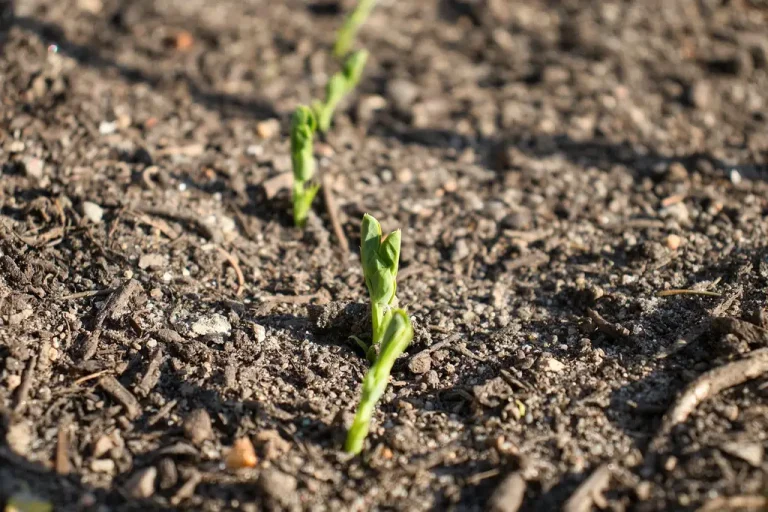
- Early Growth: Young saguaros are only the size of a coin after a year. They are vulnerable to heat, frost, and animals.
- Maturity: After 10–15 years, a saguaro may reach 1–2 feet tall. Arms start to grow after 75 years.
- Flowering and Fruiting: Mature saguaros bloom each spring, producing fruit by summer.
Saguaros are sensitive to climate changes. Too much cold or drought can kill them. Wildfires, caused by invasive grasses, are a new threat.
Growing a saguaro from seed is a challenge even for experts. The seeds are so tiny that they can be washed away by rain or blown away by wind. If they land in the open, the sun can cook them before they start growing.
That’s why most successful saguaros begin life in the shade of another plant.
Animals also play a role in the growth process. Packrats and birds spread the seeds, helping them find safe spots. In some years, only a handful of new saguaros survive out of thousands of seeds. This slow process means that saguaro forests change very gradually, and the loss of old saguaros can take decades to replace.
The saguaro’s roots are shallow but wide, stretching as far as the plant is tall. This helps it collect rainwater quickly. However, these roots can be damaged by digging or heavy vehicles, which is why visitors are asked to stay on trails.
| Age of Saguaro | Typical Height | Key Changes |
|---|---|---|
| 1 year | 0.5 inch | Seedling under nurse plant |
| 10 years | 1–2 feet | Slow growth, vulnerable |
| 75 years | 7–10 feet | First arms appear |
| 150 years | Up to 50 feet | Full maturity, many arms |
Cultural Importance Of The Saguaro
For many Native American groups, especially the Tohono O’odham, the saguaro is sacred. The fruit is used in rituals and as food. Harvesting the fruit is a tradition that connects people to the land.
The saguaro appears in stories, art, and songs. Its arms are said to reach out like people, and it is sometimes called the “desert giant. ” Festivals celebrate the saguaro’s bloom and fruit.
The Tohono O’odham use the fruit to make syrup and wine, which play a key part in their rain ceremonies. These traditions have been practiced for hundreds of years and are still observed today. The saguaro is respected as a relative, and its life cycle marks important times in the calendar.
Saguaros are also featured in modern celebrations. Local artists paint murals of saguaros, and community events highlight the saguaro’s role in the region’s history. In Tucson, annual festivals coincide with the blooming season, drawing locals and tourists alike.
Saguaro In Modern Culture
The saguaro is used in logos, business names, and Arizona’s state symbols. Many people believe all cacti in the Southwest are saguaros, but this is not true. The saguaro’s shape is so famous that it is often used as a simple drawing to represent the desert.
The saguaro’s image is seen on everything from T-shirts to road signs. Even restaurants, hotels, and sports teams in Arizona use the saguaro as their logo, showing its deep connection to local identity. Its presence in pop culture helps make Saguaro National Park more recognizable around the world.
Saguaro National Park: Location And Landscape
Saguaro National Park is divided into two districts: East and West. Both protect large forests of saguaros, but they are different in terrain and wildlife.
East District (rincon Mountain)
- Larger area, higher elevation
- Includes mountains and grasslands
- More diverse plant life, including oaks and pines at higher levels
West District (tucson Mountain)
- Smaller area, lower elevation
- Dense saguaro forests
- More typical Sonoran Desert landscape
The park is near Tucson, Arizona, making it easy to visit. Trails and scenic drives show visitors the saguaro in its natural habitat.
The East District offers longer hiking trails and higher elevations, where visitors can see not only saguaros but also wildflowers, manzanita shrubs, and even snow in winter. The West District is known for its thick saguaro forests and dramatic sunsets, which photographers love.
Both districts have visitor centers with exhibits about saguaros, local wildlife, and history. Rangers lead guided walks, teaching about desert survival, saguaro biology, and the threats facing these plants.
| District | Size (acres) | Main Features | Elevation Range |
|---|---|---|---|
| East (Rincon Mountain) | 67,000 | Mountains, diverse plants | 2,800–8,666 ft |
| West (Tucson Mountain) | 25,000 | Dense saguaro, desert | 2,400–4,687 ft |
Saguaro Conservation: Challenges And Solutions
Saguaros face several threats. Urban growth, climate change, and invasive plants can harm them. The park works to protect saguaros and educate visitors.
Main Threats To Saguaros
- Development: Building roads and houses destroys saguaro habitat.
- Climate Change: Hotter temperatures and less rain make it harder for saguaros to grow.
- Invasive Species: Plants like buffelgrass increase fire risk, which saguaros cannot survive.
Less obvious but important: trampling by hikers or vehicles can damage young saguaros or their roots. Even small changes to the soil can make it harder for seeds to grow.
Park Conservation Efforts
- Removing invasive plants
- Educating visitors to protect saguaros
- Studying saguaro health and growth
The park also works with local communities and scientists. Volunteers help remove harmful plants and monitor saguaro populations.
A key conservation effort is the removal of buffelgrass, an invasive species that causes wildfires. Park staff and volunteers spend hundreds of hours digging out buffelgrass, often in tough conditions. They also track saguaro health using satellite images and ground surveys, checking for signs of disease, drought, or injury.
Education is another major tool. Signs and ranger programs teach visitors to respect saguaros and avoid disturbing their habitat. The park also works with schools and local groups, encouraging young people to appreciate and protect the saguaro.
Saguaro Cactus Vs. Other Desert Plants
Many people confuse the saguaro with other cacti. The Sonoran Desert has several types, but the saguaro is the tallest and most famous. Here are some comparisons:
| Cactus | Height | Shape | Flower Color | Distribution |
|---|---|---|---|---|
| Saguaro | Up to 50 ft | Column with arms | White | Sonoran Desert |
| Organ Pipe | 16–26 ft | Multiple stems | Purple-pink | Southern Arizona, Mexico |
| Barrel Cactus | 3–10 ft | Short, round | Yellow, orange | Southwest US |
| Cholla | 3–15 ft | Branching, spiny | Various | Southwest US |
The saguaro’s unique height and arms make it easy to identify.
A common mistake is to call any tall cactus a saguaro. For example, the organ pipe cactus has many stems and looks bushier, while barrel cacti are short and round. Cholla cacti have jointed, spiny stems that can detach easily and stick to animals or people.
Only the saguaro grows arms that curve upward, giving it that classic “desert giant” look.
Visiting Saguaro National Park
The best way to appreciate the saguaro is to visit the park. Both districts offer trails and scenic drives.
What To See And Do
- Walking trails: See saguaros up close
- Visitor centers: Learn about the cactus and park history
- Wildlife watching: Spot birds, lizards, and mammals
- Photography: Capture the dramatic landscape
The park is open year-round, but the best time to visit is spring or early summer, when saguaros bloom.
Some trails, like the Cactus Forest Loop in the East District, offer easy walks through dense saguaro stands. The Valley View Overlook Trail in the West District is popular for sunset views. The park also has picnic areas, and some trails are wheelchair accessible.
Wildlife sightings are common. You might see a roadrunner darting through the shrubs, a coyote stalking its prey, or a family of quail crossing the path. Early morning is the best time to spot animals, especially birds nesting in saguaros.
Tips For Visitors
- Bring water and sun protection
- Stay on trails to avoid damaging young saguaros
- Respect park rules; do not touch or remove plants
Many visitors miss seeing saguaro flowers, which bloom at night and early morning. Plan your visit for May or June to catch the bloom.
For photographers, the golden hour—just after sunrise or before sunset—is perfect for capturing the saguaro’s dramatic shapes. If you want to see fruit harvesting by locals, check for guided programs in late June.
Saguaro Research And Science
Scientists study saguaros to understand how they live and respond to changes. Research helps park managers protect the cactus.
Ongoing Studies
- Saguaro growth rates
- Effects of drought and fire
- Wildlife interactions
- Climate change impact
One insight from research is that saguaros are very sensitive to small changes in temperature and rainfall. A few bad years can affect their survival.
Researchers also look at genetic differences among saguaros, trying to understand why some grow arms early and others do not. They use drones and satellite images to track saguaro populations and health. Studies show that saguaros can recover from damage, but only if conditions improve quickly.
Some scientists focus on pollinators, especially bats and bees. They monitor flower openings and fruit set to see how climate affects pollination. Their work helps explain why saguaros are so dependent on healthy desert ecosystems.
Non-obvious Insights About Saguaros
Many beginners overlook a few key facts:
- Saguaros can store thousands of gallons of water, making them look swollen after rain. This storage is vital for survival in dry periods.
- Saguaros do not grow everywhere in the desert. They need precise conditions: Warm temperatures, certain rainfall, and no frost. Even a few cold nights can kill young saguaros.
- Saguaros rely on pollinators like bats. While bees and birds help, long-nosed bats are important for moving pollen between flowers at night.
- Saguaros can survive fire only if it’s small. Large wildfires, common now due to invasive grasses, can kill entire stands.
Another point: saguaros grow faster in urban areas due to more water runoff, but often face more risks from development. Also, saguaros have a unique “wooden skeleton” inside, which supports their heavy bodies. When a saguaro dies, this skeleton remains, sometimes used by animals or even collected for decoration.
Saguaro Cactus: The Symbol Of The Sonoran Desert
The saguaro is more than a plant. It is a symbol of the Sonoran Desert and Arizona. Its shape is used in art, signs, and logos. The saguaro is protected by law, and harming or removing one is illegal.
The park’s name reflects the importance of the saguaro. Without it, the desert would be less rich and less beautiful.
Saguaros remind us of the desert’s slow rhythms and patient growth. Each saguaro stands as a witness to change—some have survived lightning strikes, droughts, and floods. Their survival shows the strength of nature and the need for careful stewardship.

Frequently Asked Questions
What Plant Is Saguaro National Park Named After?
Saguaro National Park is named after the saguaro cactus (Carnegiea gigantea), a giant cactus native to the Sonoran Desert. The park protects large forests of these unique cacti.
How Tall Can A Saguaro Cactus Grow?
A mature saguaro can reach up to 50 feet (15 meters) tall. The tallest recorded saguaro was over 78 feet, but most reach about 40–50 feet.
Why Is The Saguaro Cactus So Important?
The saguaro is important because it supports many desert animals and plants. Its flowers and fruit feed wildlife, and its body provides homes for birds. It is also a symbol of desert culture.
When Does The Saguaro Bloom?
Saguaros bloom in May and June. The white flowers open at night and close by midday. This timing allows bats and bees to pollinate the flowers.
Can Saguaros Be Found Outside Arizona?
Saguaros are native to the Sonoran Desert, which covers parts of Arizona, California, and Mexico. They are not found naturally in other deserts or regions.
Saguaro National Park is more than just a place to see cacti. It is a celebration of the saguaro and all that it supports. By understanding this plant, visitors and locals can appreciate the park’s purpose and beauty. The saguaro’s slow growth and long life remind us to value patience, resilience, and the delicate balance of nature. For anyone interested in learning more, visit the official National Park Service site for Saguaro National Park.
Whether you visit in person or explore from afar, knowing the story behind Saguaro National Park’s name adds meaning to every view of these desert giants. The saguaro stands as a reminder of the importance of protecting our natural treasures for generations to come.