How To Use Rain Barrels To Water Vegetable Gardens Easily
It’s frustrating when you want to grow fresh veggies, but your water bill keeps climbing. Or maybe you worry about the local water restrictions during dry spells. You want that crisp lettuce and juicy tomato, but the thought of watering all the time feels like a chore.
There’s a better way to keep your garden happy and your wallet full. We’re talking about using nature’s own supply: rainwater. Let’s explore how rain barrels can make watering your vegetable garden simple and smart.
Rain barrels offer an easy, eco-friendly way to collect free water from your roof. This collected water can then be used to water your vegetable garden, reducing your reliance on tap water and helping your plants thrive, especially during dry periods.
What Are Rain Barrels and How Do They Work?
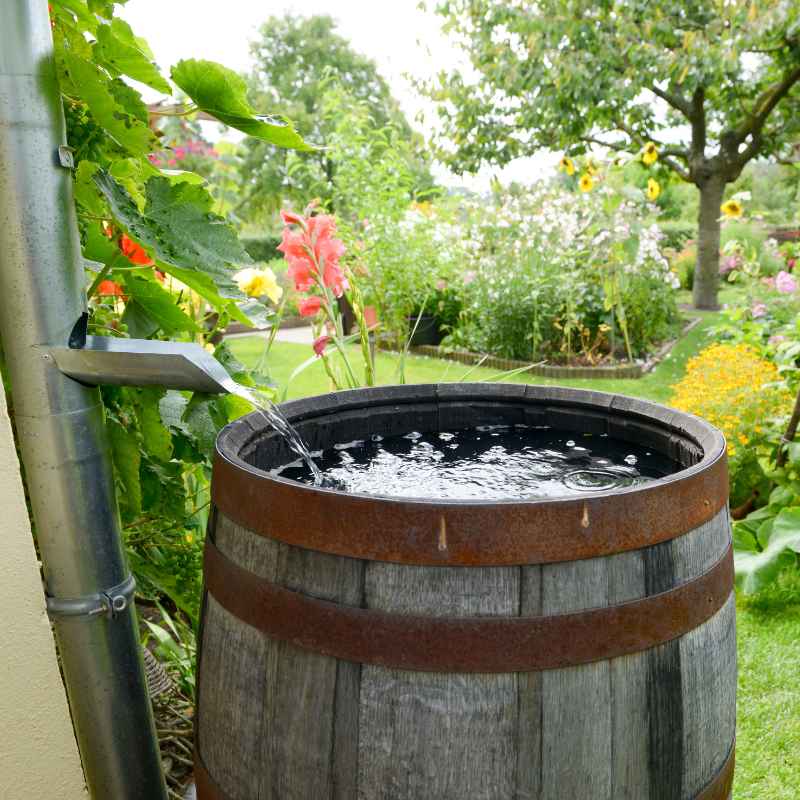
A rain barrel is simply a container that catches rainwater. It usually sits under a downspout from your roof. When it rains, water flows from your roof, down the gutter, and into the downspout.
The rain barrel collects this water. It’s like a big bucket for rain.
Most rain barrels have a spigot near the bottom. You can attach a hose or watering can to this spigot. This lets you easily get the water out when you need it.
Some barrels also have an overflow pipe. This stops the barrel from overflowing when it’s full. It directs extra water away from your house.
Using a rain barrel helps conserve water. It also means you are using water that is free of chlorine and other chemicals found in tap water. Many gardeners believe this makes the water better for their plants.
It’s a simple system that works with the rain.

My First Rain Barrel Experience
I remember the first time I set up a rain barrel. It was a hot, dry summer in Ohio. My vegetable garden was looking sad, and I was constantly running the hose.
I had bought a basic 55-gallon plastic barrel online. It came with a screen on top to keep out leaves and bugs. It also had a brass spigot.
I spent an afternoon clearing a spot next to my house, right under a downspout. I put a few cinder blocks down to lift it off the ground. This made it easier to get a watering can under the spigot.
Then, I just connected the downspout to the barrel’s inlet. The next time it rained, I watched with excitement. Water started flowing into the barrel.
It felt like a small victory. That barrel filled up quickly. It gave me enough water to keep my tomatoes and peppers from wilting.
It was a real game-changer for my garden that year.
Choosing the Right Rain Barrel
Size Matters: Barrels come in many sizes, from 50 to over 100 gallons. Consider how much rain you get and how much space you have.
Material: Most are plastic, which is durable and affordable. Some are made of wood for a nicer look but require more upkeep.
Features: Look for a secure lid, a good quality spigot, and an overflow outlet.
Screening: A screen is vital to keep out debris and bugs.
Setting Up Your Rain Barrel System
Getting a rain barrel ready for use is pretty straightforward. You don’t need to be a construction expert. First, pick a good spot.
It should be close to a downspout from a roof area that collects a lot of rain. Think about where your garden beds are too. You want to make watering easy.
Next, you need to elevate the barrel. Using cinder blocks or a sturdy stand is a good idea. This gives you enough height.
It allows a watering can or hose to fit under the spigot. It also helps increase water pressure. A higher barrel means water flows out faster.
Now, connect it to your downspout. You might need a diverter kit. This piece fits into your downspout.
It directs water into the barrel. When the barrel is full, the diverter sends the rest of the water down the pipe as usual. This prevents flooding around your foundation.
Make sure the lid is secure. This keeps out mosquitoes and other pests. It also stops children or pets from falling in.
A mesh screen on the inlet is also very important. It stops leaves and twigs from clogging up your barrel and spigot.
Quick Setup Steps:
- Choose a level spot near a downspout.
- Elevate the barrel on blocks or a stand.
- Attach a downspout diverter.
- Connect the diverter hose to the barrel inlet.
- Ensure the lid is secure and screened.
How Much Water Can You Collect?
The amount of water you can collect depends on a few things. First, how much rain falls in your area? A good rule of thumb is that for every inch of rain, one inch of water covers one square foot of roof.
So, a 1,000-square-foot roof can collect about 600 gallons of water from one inch of rain.
Second, how big is your roof? A larger roof area means more water can flow to your downspout. Your barrel size is the limit.
A 55-gallon barrel can only hold 55 gallons, no matter how much rain falls. You can connect multiple barrels together to store more water.
Third, how efficient is your setup? If your downspout diverter is well-placed, you’ll catch more water. If there are leaks, you’ll lose some.
Rain barrels are a great way to supplement your watering. They might not provide all your garden’s water in a long drought, but they help a lot.
Rainwater Collection Calculation
Roof Area (sq ft) x Rainfall (inches) x 0.62 = Gallons Collected
(0.62 is a conversion factor for gallons per square foot per inch of rain)
Example: A 500 sq ft roof getting 1 inch of rain can potentially collect 310 gallons.
Watering Your Vegetables with Rainwater
Using your collected rainwater is the best part. You can fill watering cans directly from the spigot. For larger gardens, you can attach a garden hose.
Some people use a small pump to increase the pressure if needed. This is especially helpful for reaching plants further away or for overhead watering.
When should you water? The best time is early morning. This is when the sun is not too hot.
Watering in the morning lets plants absorb the water before the heat of the day. It also helps prevent fungal diseases. Wet leaves at night can lead to problems.
How much water do your vegetables need? This varies. Leafy greens like lettuce and spinach need consistent moisture.
Fruiting plants like tomatoes and peppers need more water when they are producing fruit. The soil should feel moist, not soggy. Stick your finger about an inch into the soil.
If it feels dry, it’s time to water.
Rainwater is great because it’s natural. It’s free of chemicals that can build up in the soil. Plants seem to love it.
I’ve noticed my leafy greens grow faster and look greener when I use rain barrel water. It makes a noticeable difference.
Watering Tips:
- Water deeply and less often rather than shallowly every day.
- Aim water at the base of the plant, not the leaves.
- Mulch around plants to keep the soil moist.
- Check soil moisture with your finger.
When Is Rainwater Not Ideal?
While rainwater is fantastic, there are times to be cautious. If your roof is made of certain materials, it could contaminate the water. For example, old asphalt shingles can release small particles.
If you have a very old house with lead flashing, that’s a concern too. Most modern roofing materials are fine.
Also, if you live in an area with high air pollution, the rain can pick up pollutants. This is less common in suburban and rural areas. But it’s something to consider in very industrial zones.
The screen on your barrel helps with debris. It doesn’t filter out microscopic pollutants.
Another thing to think about is water stagnation. If the water sits in the barrel for too long, especially in hot weather, it can become smelly or develop algae. It’s good to use the water regularly.
If you won’t be using it for a while, consider draining it or treating it. Many people just use the water from the bottom spigot first.
It’s also important to know that rainwater collection may have local regulations. Some places have rules about it. It’s always good to check with your local government or water authority.
In most of the U.S., however, collecting rainwater for your own garden is perfectly fine and encouraged.
Things to Watch For:
- Roof material contamination (older roofs).
- Air pollution in industrial areas.
- Stagnant water or algae growth.
- Local regulations (rare but possible).
Connecting Multiple Rain Barrels
One 55-gallon barrel might not be enough, especially if you have a large garden or get a lot of rain. The good news is you can easily connect multiple rain barrels together. This lets you store much more water.
It’s a simple process that makes a big difference.
You usually connect barrels using a hose or a special connector. One barrel will fill up first. Then, the excess water will flow into the next barrel.
This is called daisy-chaining. You place the barrels next to each other. You drill a hole in the side of the first barrel, near the bottom.
Then, you insert a bulkhead fitting. A hose connects to this fitting. The other end of the hose connects to a fitting on the second barrel.
You repeat this for any additional barrels. Most barrel kits come with the necessary parts or tell you what to buy.
Connecting barrels means you have a larger water reserve. It’s very satisfying to see all the water you’ve collected. It’s a smart way to maximize your rainwater harvesting.
This is especially helpful during longer dry spells. You won’t have to worry about running out of water as quickly.
Connecting Barrels:
What you need:
- Bulkhead fittings
- Short hose or connector pipe
- Drill
Process:
- Position barrels next to each other.
- Drill holes near the bottom of each barrel.
- Install fittings.
- Connect barrels with the hose.
Seasonal Maintenance for Your Rain Barrel
Like anything outdoors, rain barrels need a little care. This ensures they work well and last longer. You should clean your barrel at least once a year.
The best time is usually in the fall, after the main growing season is over.
First, drain any remaining water. Then, remove the lid and screen. Wash the inside of the barrel.
Use mild soap and water. A scrub brush can help remove any algae or sediment. Rinse it out thoroughly.
Make sure no soap residue is left behind.
Check the spigot and any hoses or connectors. Make sure they are clean and not leaking. Clear out any debris from the inlet screen.
This is really important to prevent clogs.
In winter, you need to prepare your barrel for freezing temperatures. If you live where it freezes, you should drain the barrel completely. Disconnect it from the downspout.
Store it upside down or indoors. This prevents ice from cracking the plastic. Leaving a barrel full of water in freezing weather can damage it badly.
Spring is when you can reconnect your barrel and get it ready for the new growing season. A little bit of care goes a long way. It keeps your rainwater system working smoothly.
Seasonal Checklist:
Spring:
- Clean barrel and screen.
- Reconnect to downspout.
- Check for leaks.
Summer:
- Use water regularly.
- Check screen for debris.
Fall:
- Drain and clean thoroughly.
- Inspect spigot and fittings.
Winter (if freezing occurs):
- Drain completely.
- Disconnect and store indoors or upside down.
The Benefits of Using Rain Barrels for Your Veggies
There are so many good reasons to use rain barrels for your vegetable garden. It’s a simple step that benefits you and the environment. The most obvious benefit is saving money.
You use less tap water, so your water bill goes down. This can add up, especially in the summer.
It’s also great for the planet. Conserving water is crucial. Especially as more areas face drought conditions.
Rain barrels reduce the strain on local water supplies. They help recharge groundwater levels too. It’s a small action with a big impact.
Your plants will thank you. Rainwater is naturally soft. It doesn’t have the chlorine or fluoride that can sometimes stress plants.
This natural water is perfect for growing healthy, tasty vegetables. You get better harvests.
Rain barrels also help manage stormwater runoff. When rain falls on hard surfaces like roofs and driveways, it can pick up pollutants. This polluted water then flows into storm drains and rivers.
By collecting rain, you reduce the amount of runoff. This helps keep our waterways cleaner.
Finally, it’s a satisfying way to garden. There’s a sense of independence in using a natural resource. You’re working with nature, not against it.
It feels good to grow food using a sustainable method. It connects you more to the process of gardening.
Key Benefits Summary:
- Cost Savings: Lower water bills.
- Environmental Help: Conserves water, reduces runoff.
- Healthier Plants: Uses pure, chemical-free water.
- Stormwater Management: Less polluted water entering rivers.
- Gardener Satisfaction: Connects you to nature’s cycles.
When to Worry About Your Rain Barrel Water
While rain barrel water is generally safe for vegetables, there are a few things that might make you pause. The biggest concern is contamination. If your roof is old or treated with chemicals, you might want to test the water.
For most modern homes with standard roofing materials, this is not a major issue.
Another point is bacteria. If the barrel isn’t kept clean or the water sits for a very long time, bacteria can grow. This is more of a concern if you plan to use the water on any edible parts of plants that are eaten raw, like lettuce, especially if the water has splashed onto the leaves.
However, for watering roots, it’s usually fine.
Mold and algae can also grow. This happens if the barrel is left open or if water sits too long. This can make the water smell bad.
It might also clog your spigot or hose. Regular cleaning and ensuring the lid is secure prevents this.
If you notice a strange smell coming from the barrel, or if the water looks unusually murky, it’s best to err on the side of caution. Give it a good cleaning. If problems persist, consider replacing the barrel or using the water for non-edible plants.
For most home gardens, these are minor issues that are easily managed with basic care.
Simple Checks You Can Do
Checking on your rain barrel is easy. You don’t need special tools. Just take a look and a sniff from time to time.
Is the water clear, or does it have a lot of sediment or green color? A little bit of sediment might be okay, but a lot could mean your screen is failing or the barrel needs cleaning.
Smell the water. Does it smell fresh, or does it have a rotten or stagnant odor? A bad smell usually means the water has been sitting too long.
It might be time to drain and clean the barrel. Or, it could mean you need to use the water more quickly.
Look at the overflow. Is it working correctly when the barrel is full? If water is backing up and overflowing from the top, your overflow system might be blocked or not installed correctly.
Make sure leaves and debris are cleared from the overflow pipe.
Check the spigot. Is it easy to open and close? Does it leak when it’s turned off?
Sometimes debris can get stuck in the spigot. A quick rinse or a little tightening might fix it. If it’s old and corroded, it might be time for a replacement.
These simple checks will help you keep your rain barrel in good working order. They ensure you get the best water for your vegetables without any hassle.
Tips for Maximizing Your Rain Barrel Use
To get the most out of your rain barrel, think about a few key things. First, position it well. Place it as close to your garden as possible.
This reduces the effort of hauling water. Also, consider the sun. Putting it in a spot that gets some shade can help keep the water cooler.
This might slow down algae growth.
Connect multiple barrels if you have the space. This significantly increases your storage capacity. It means you’ll have water available for longer periods between rains.
Make sure the connection is secure to avoid leaks.
Use a filter on your downspout if you have a lot of trees. This catches leaves and larger debris before they even get into the barrel. This keeps your water cleaner and prevents clogs.
Consider using a rain barrel pump. If you want to water from a distance or use a sprinkler, a pump will give you the pressure you need. Many small, submersible pumps work well with rain barrels.
Don’t let the water sit too long. Try to use the oldest water first. Rotate your stored water.
This ensures you are always using the freshest water. If you have a very large barrel, you might drain some out periodically to refresh it.
Finally, keep it maintained. Regular cleaning and checks prevent problems. A well-maintained rain barrel will serve you for many years.
It’s a simple system that gives great rewards for your garden.
Maximizing Your Harvest:
- Location: Near garden, some shade.
- Storage: Connect multiple barrels.
- Pre-filtration: Use downspout filters.
- Pressure: Consider a pump.
- Water Rotation: Use oldest water first.
- Maintenance: Clean and check regularly.

Frequently Asked Questions About Rain Barrels
Are rain barrels safe for watering vegetables?
Yes, rain barrels are generally safe for watering vegetables. The water is free of chlorine and other chemicals found in tap water, which is beneficial for plants. However, ensure your roof is made of suitable materials and that the barrel is kept clean to prevent contamination.
How much rain do I need to fill a rain barrel?
The amount of rain needed depends on the size of your roof, the amount of rainfall, and the size of your rain barrel. A 55-gallon barrel can fill up from a moderate rain shower on an average-sized roof.
Can I connect more than two rain barrels together?
Absolutely. You can connect as many rain barrels as you have space and a system for. This is a great way to increase your water storage capacity significantly.
What happens to the overflow water from a rain barrel?
When a rain barrel is full, the overflow directs excess water away from the barrel. This is typically done through an overflow hose connected to the barrel’s outlet. It should be directed away from your home’s foundation to prevent water damage.
Do I need to treat the water in my rain barrel?
For watering vegetables, treatment is usually not necessary if the barrel is clean and the water is fresh. However, if the water sits for a long time or if you have concerns about contamination, you might consider simple filtration or just using the water for root watering.
Will mosquitoes breed in my rain barrel?
Mosquitoes can breed in standing water. It’s crucial to have a secure, tight-fitting lid on your rain barrel. A fine mesh screen over the inlet also helps prevent mosquitoes from getting in to lay eggs.
How do I clean my rain barrel?
To clean your rain barrel, drain it completely. Then, use a soft brush with mild soap and water to scrub the inside. Rinse it thoroughly.
Pay attention to the spigot and any filters or screens.
Conclusion: Water Your Garden Naturally
Using rain barrels is a smart, easy way to keep your vegetable garden thriving. You save money on water bills. You help the environment by conserving water.
Your plants get the pure, natural water they love. Setting them up is simple. Maintaining them is straightforward.
They are a fantastic tool for any gardener.