Are Moth Balls Ok for Vegetable Gardens
Gardeners often go to great lengths to protect their vegetable patches from pests and critters. One common but controversial tactic is the use of moth balls—those small, pungent spheres typically used to repel moths in closets and storage spaces. Some gardeners believe that scattering moth balls can deter rabbits, squirrels, insects, and even deer from feasting on prized vegetables. But is this method effective, safe, and even legal? The answer is more complex than many realize.
The use of moth balls in vegetable gardens isn’t just a question of efficacy; it also raises serious concerns about chemical safety, environmental impact, and food contamination. Federal regulations, public health advisories, and scientific studies all weigh in on the risks, benefits, and alternatives. This article explores the science, law, and real-life outcomes of using moth balls in edible gardens, and provides actionable, safer solutions for those striving for a pest-free harvest.
Key Takeaways
- Moth balls are not approved or safe for use in vegetable gardens due to their toxic ingredients and risks to humans, pets, and the environment.
- Naphthalene and paradichlorobenzene—the active chemicals in moth balls—can contaminate soil and crops, and are hazardous to health.
- Legal restrictions prohibit off-label use of moth balls; using them outdoors or around food crops is against EPA guidelines.
- Safer, effective alternatives for garden pest control include physical barriers, organic repellents, and integrated pest management.
- Real-world case studies show serious consequences from improper moth ball use, including crop damage, soil contamination, and health issues.
- Understanding the risks and regulations can help gardeners make informed, safe decisions for their vegetable gardens.
Understanding Moth Balls: Composition, Uses, And Toxicity
What Are Moth Balls Made Of?
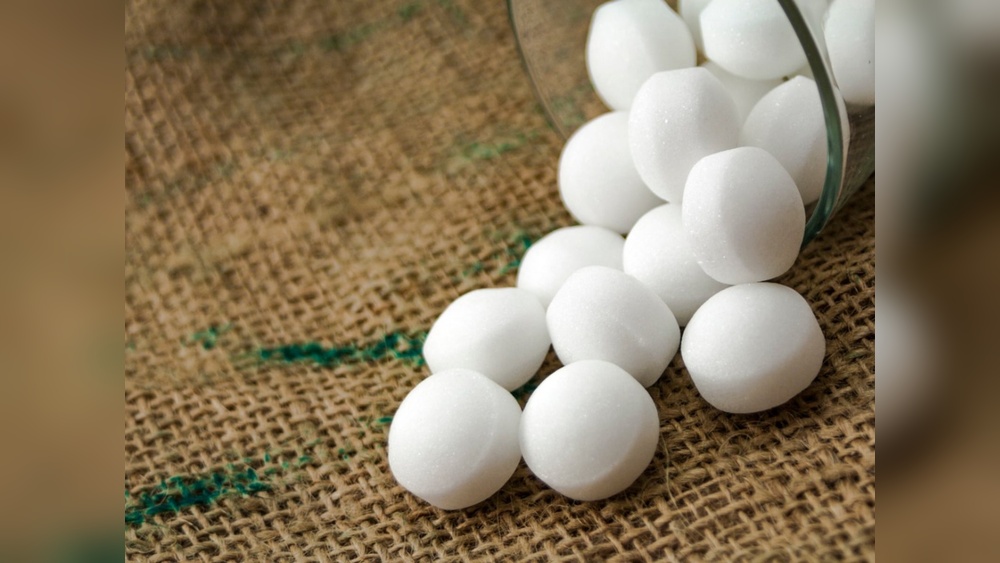
Moth balls are solid pesticide products designed to slowly release a toxic vapor that repels and kills moths and their larvae. The two main active ingredients found in commercial moth balls are:
- Naphthalene: A white, volatile, polycyclic aromatic hydrocarbon.
- Paradichlorobenzene (PDCB): A chlorinated aromatic hydrocarbon.
Both chemicals are classified as hazardous by the U.S. Environmental Protection Agency (EPA), with documented health risks for humans and animals. Naphthalene, for example, is derived from coal tar and petroleum, and has a distinct, pungent odor that is immediately recognizable. Paradichlorobenzene is a chlorinated compound that also emits a strong, chemical odor. These chemicals are not naturally occurring in the environment and persist long after their intended use, which raises red flags for any application outside of strictly controlled environments.
Naphthalene and PDCB are designed to volatilize at room temperature, which is why they’re so effective in enclosed spaces—over time, the solid balls become smaller as the chemicals turn into gas. However, their volatility also means that they can rapidly disperse into the surrounding environment, contaminating air, soil, and water far beyond their original location.
Intended Use And Legal Labeling
Moth balls are specifically labeled for use in enclosed spaces such as sealed clothing storage containers or closets. The EPA strictly prohibits their use in open-air environments, gardens, or any area where people and pets might be exposed to the vapors. Using moth balls in ways not specified by the product labeling is considered illegal and may result in penalties.
Product labels are legally enforceable documents. They are designed not only to provide instructions for use but also to protect public health and the environment by restricting high-risk applications. The language on a moth ball package is unambiguous: “For use in air-tight containers only.” The rationale for this restriction is that the concentration of chemical vapors necessary to kill moths is only achieved in sealed environments. In open spaces like a vegetable garden , vapors disperse rapidly, making the product ineffective for its intended pest and potentially hazardous for other organisms.
Ignoring label instructions is not just a minor infraction; it can be treated as a violation of federal law under the Federal Insecticide, Fungicide, and Rodenticide Act (FIFRA). Retailers and manufacturers are required to include clear warnings on packaging, yet many consumers remain unaware of these restrictions.
Toxicity And Health Risks
Exposure to moth ball vapors—especially over time—can have significant health consequences:
- Acute symptoms: Headaches, nausea, vomiting, dizziness, eye and respiratory irritation.
- Chronic exposure: Liver and kidney damage, hemolytic anemia, neurological effects, and potential carcinogenicity.
- Children and pets are particularly vulnerable, with documented cases of poisoning from ingestion or inhalation.
Both naphthalene and paradichlorobenzene are listed as possible human carcinogens by the International Agency for Research on Cancer (IARC) and the EPA (EPA Naphthalene Fact Sheet).
Even at low levels, exposure to these chemicals can cause a range of symptoms that may not be immediately linked to their source. For example, chronic exposure to naphthalene has been associated with the development of hemolytic anemia, particularly in individuals with glucose-6-phosphate dehydrogenase (G6PD) deficiency—a genetic condition more common in certain populations.
Young children are at especially high risk because their smaller body size and developing organs make them more susceptible to toxic effects. Pets, especially dogs, are also at risk, often attracted to the scent and shape of moth balls, mistaking them for food or toys.
How Do Moth Balls Work?
Moth balls act by sublimation: the solid chemical turns directly into a gas, creating a toxic environment for moths and larvae. This vapor, however, is not selective and can harm beneficial insects, pets, wildlife, and humans.
Key Points
- Moth balls are registered pesticides.
- Only legal for use as specified on the label.
- Their toxic vapors can migrate far from the application site.
The process of sublimation is why moth balls shrink and eventually disappear when used properly in a sealed container. However, when scattered in an open garden, the vapors quickly dilute, offering little to no protection against garden pests while potentially drifting into nearby homes, gardens, or play areas, increasing the radius of exposure.
The Science: Do Moth Balls Work For Garden Pests?
Effectiveness Against Common Garden Pests
Many gardeners turn to moth balls with the hope of deterring pests such as:
- Rabbits
- Squirrels
- Deer
- Moles and voles
- Insects (aphids, beetles, etc.)
However, scientific studies and field trials indicate that moth balls are largely ineffective against most outdoor pests. The vapor concentration required to repel mammals or insects outdoors is far higher than what is typically achieved—even with liberal application.
Outdoor environments are dynamic, with wind, rain, and sunlight all acting to disperse and degrade chemical vapors. The open nature of a garden means that any repellent effect is short-lived or nonexistent. Insects and mammals that frequent gardens are generally undeterred by low levels of naphthalene or PDCB, and there is little evidence that these chemicals act as effective deterrents except in the most confined of spaces.
Case Study: Rabbits And Moth Balls
A 2013 study by the University of Nebraska-Lincoln tested several deterrents for rabbits, including moth balls. The results showed no significant reduction in rabbit damage to vegetable crops compared to untreated controls.
Similar findings have been reported for other pests. For example, a trial examining squirrel behavior found that animals quickly adapted to the presence of moth balls, ignoring them entirely after initial exposure. Insects, too, are often unaffected, as the vapor concentration in open air is simply too low.
Risks To Soil And Plant Health
Moth ball chemicals are not selective; they can leach into soil, persist in the environment, and be absorbed by plants. This poses a risk of:
- Crop contamination: Residues of naphthalene and PDCB may be found in edible plant tissues.
- Soil toxicity: Harmful to beneficial soil microbes and earthworms, disrupting the garden ecosystem.
- Groundwater contamination: Especially in sandy soils or areas with high rainfall.
Additionally, naphthalene and PDCB can interfere with root growth and nutrient uptake in sensitive plants. Soil-dwelling organisms, such as earthworms, play a crucial role in soil fertility and structure. Exposure to moth ball chemicals can reduce their populations, leading to poorer soil health and reduced yields over time.
Comparison Table: Moth Balls Vs. Other Pest Control Methods
| Pest Control Method | Effectiveness | Safety for Edible Crops | Environmental Impact | Legal/Regulatory Status |
|---|---|---|---|---|
| Moth Balls | Poor | Unsafe | High risk | Illegal for gardens |
| Physical Barriers (Fencing/Netting) | High | Safe | Low impact | Permitted |
| Organic Repellents | Moderate | Safe | Low to moderate | Permitted |
| Integrated Pest Management (IPM) | High | Safe | Minimal | Recommended |
Summary Of Scientific Consensus
The consensus from university extension services, the EPA, and scientific studies is clear: moth balls are not a safe or effective method for outdoor pest control and should never be used in vegetable gardens . For more on this, see the Penn State Extension.

Legal And Regulatory Issues: What Does The Law Say?
Epa Regulations And Labeling
The EPA classifies moth balls as a restricted-use pesticide, with labeling that strictly limits their use to enclosed indoor spaces. Using moth balls outdoors or in gardens is a violation of federal law under the Federal Insecticide, Fungicide, and Rodenticide Act (FIFRA).
- The label is the law: Using a pesticide in a manner inconsistent with its labeling is illegal.
- Penalties: Fines and legal action can result from improper use.
The EPA’s guidance is clear and unambiguous: the only legal use for moth balls is inside airtight containers to protect fabrics from moth larvae. The agency regularly issues advisories reminding the public of these restrictions, and enforcement actions are not uncommon in cases of large-scale or repeated misuse.
State And Local Laws
Many states and municipalities have additional regulations regarding pesticide use. Some states have issued specific advisories or bans against the use of moth balls in gardens or landscapes.
For example, California’s Department of Pesticide Regulation (CDPR) enforces state-level prohibitions and may require remediation and reporting of contaminated soils. In New York, the Department of Environmental Conservation (DEC) has actively fined individuals for using moth balls outdoors, citing risks to both human health and local ecosystems.
Real-world Enforcement
There have been documented cases of gardeners being fined or cited for improper use of moth balls in outdoor settings. In extreme cases, contaminated soil has led to the destruction of vegetable crops and costly remediation.
Enforcement is typically complaint-driven, meaning neighbors or community members concerned about chemical odors or visible moth balls in gardens may report suspected misuse to local authorities. In addition to monetary fines, gardeners may be required to remove and dispose of contaminated soil, which can be a significant expense and cause long-term loss of garden productivity.
Table: Legal Status Of Moth Balls In Gardens (selected Jurisdictions)
| Jurisdiction | Outdoor Use Legal? | Penalty for Misuse | Advisory Agency |
|---|---|---|---|
| United States (Federal) | No | Fines, legal action | EPA |
| California | No | Fines, remediation | CDPR |
| New York | No | Fines | DEC |
| Texas | No | Fines | TDA |
For further details, visit the EPA’s official guidance on moth balls.

Health And Environmental Risks Of Using Moth Balls Outdoors
Human Health Hazards
Moth balls pose significant risks to gardeners, children, and pets when used outdoors:
- Inhalation of vapors: Can cause respiratory distress, especially in children and the elderly.
- Skin contact: May result in rashes, burns, or allergic reactions.
- Accidental ingestion: Particularly dangerous for small children and animals, sometimes leading to severe poisoning or death.
Case Example: Pediatric Poisoning
The Centers for Disease Control and Prevention (CDC) reported multiple cases of pediatric poisoning from naphthalene moth balls placed in gardens, leading to emergency hospitalizations (CDC MMWR Report).
Symptoms of poisoning can be subtle and may include fatigue, confusion, jaundice, or dark urine—signs of hemolytic anemia. In severe cases, ingestion can lead to neurological symptoms, seizures, or even coma. Prompt medical attention is critical in suspected cases.
Environmental Contamination
- Soil: Persistent residues affect soil biota, reducing fertility and ecosystem health.
- Water: Runoff can pollute local streams, harming aquatic life.
- Wildlife: Birds, mammals, and beneficial insects may be poisoned by direct or indirect exposure.
Wildlife is particularly vulnerable to both direct exposure—such as eating moth balls or contaminated insects—and indirect exposure through the food chain. Earthworms, a cornerstone species in many gardens, are susceptible to both acute and chronic effects from soil contamination, which can lead to a cascading decline in soil health and nutrient cycling.
Persistence And Bioaccumulation
Both naphthalene and paradichlorobenzene are persistent organic pollutants, with half-lives in soil ranging from several weeks to months. They can bioaccumulate in the food chain, posing long-term ecological risks.
Their persistence means that even a single, improper application can have effects that last for an entire growing season or longer. This is particularly problematic in community or school gardens, where vulnerable populations may be exposed without realizing the source of contamination.
Data Snapshot: Soil Residue Levels After Moth Ball Use
A 2018 study in the Journal of Environmental Science and Health found that application of naphthalene moth balls in garden soil resulted in residue levels exceeding EPA safety thresholds for edible crops for up to 60 days post-application.
This means that even if moth balls are removed after a short period, the risk to subsequent crops and to those consuming them remains high. Routine soil testing is rarely performed by home gardeners, so contamination may go unnoticed until symptoms appear in plants, wildlife, or people.
Long-term Risks
- Reduced crop yield and quality
- Soil and water remediation costs
- Potential legal liabilities
For a deeper dive into environmental impacts, see ATSDR Toxicological Profile for Naphthalene.
Real-world Examples And Case Studies
Case Study 1: Suburban Garden Contamination
In 2019, a suburban gardener in Illinois used moth balls around his tomato plants to deter squirrels. Within weeks, he noticed wilting, yellowing leaves, and a chemical odor from the soil. Testing revealed high levels of naphthalene contamination, rendering the vegetables unsafe for consumption.
The garden required expensive soil removal and replacement, and the gardener was fined by local authorities for pesticide misuse.
This case underscores the hidden costs of chemical misuse. Not only was the harvest lost, but the expense of removing and replacing contaminated soil ran into thousands of dollars—far outweighing any potential benefits from the initial pest control attempt.
Case Study 2: School Garden Incident
A community garden project at a public elementary school in California suffered crop loss and health complaints after a volunteer parent placed moth balls around bean and lettuce beds. Several children reported headaches and nausea. The garden was closed for remediation, and the school district issued a public warning about the dangers of using moth balls outdoors.
The community suffered not just financial losses but also a loss of trust, as parents became concerned about the health impacts of chemical exposure on their children. The incident led to new policies on acceptable pest control practices in school gardens.
Case Study 3: Pet Poisoning
A Texas resident scattered moth balls in her backyard vegetable patch to keep out armadillos. Her dog ingested several moth balls and suffered acute poisoning, requiring emergency veterinary treatment. The pet survived, but the event led to extensive vet bills and media coverage warning against moth ball misuse.
This situation is all too common in suburban and rural areas, where pets and wildlife are more likely to encounter and be harmed by improperly used pesticides.
Lessons Learned
- Direct health impacts: Poisoning of children and pets is a documented risk.
- Crop loss: Chemical contamination can render produce inedible.
- Legal and financial consequences: Fines, remediation, and reputational damage are real outcomes.
These examples demonstrate that, beyond regulatory and scientific concerns, the practical consequences of using moth balls in gardens are overwhelmingly negative.
Effective And Safe Alternatives For Garden Pest Control
Physical Barriers
The most reliable and safe methods for protecting vegetable gardens are physical barriers, such as:
- Fencing: Wire mesh or electric fencing to exclude rabbits, deer, and larger mammals.
- Row covers: Lightweight fabrics to keep out insects and birds while allowing air and water penetration.
- Netting: Overhead or side netting for berries and fruiting plants.
Physical barriers provide an immediate, long-lasting, and non-toxic solution to most pest problems. For example, a 2-foot tall wire fence can exclude most rabbits, while a taller fence with an angled top will deter deer. Row covers can be draped directly over plants or supported with hoops to protect against flying insects and birds.
These methods require some initial investment and setup, but are reusable and pose no risk to people, pets, or the environment.
Organic And Natural Repellents
- Hot pepper or garlic sprays: Repel some mammals and insects without chemical residues.
- Essential oils: Certain oils (e.g., peppermint, citronella) deter pests but should be tested for plant safety.
- Predator urine: Commercially available (e.g., coyote urine) to scare off herbivores.
Many organic repellents use natural ingredients that break down rapidly in the environment. For example, hot pepper sprays can be made at home by blending hot peppers and garlic with water, straining, and spraying on plant leaves. While the effectiveness varies depending on the pest and weather conditions, these repellents are generally safe for edible crops and pose minimal risk to non-target organisms.
Some gardeners also use strong-smelling herbs (such as rosemary, sage, or thyme) as companion plants to deter pests. These methods can be integrated with other approaches for greater overall effectiveness.
Integrated Pest Management (ipm)
IPM combines multiple tactics to manage pests with minimal environmental impact:
- Monitoring: Regular inspection for pest activity.
- Cultural controls: Crop rotation, interplanting, and proper sanitation.
- Biological controls: Encouraging beneficial insects (ladybugs, lacewings) through planting and habitat creation.
- Selective, low-risk pesticides: Only as a last resort and always according to label directions.
IPM is a science-based approach that starts with prevention and only resorts to targeted interventions when necessary. By fostering a diverse and healthy garden ecosystem, gardeners can minimize pest outbreaks and reduce reliance on chemical controls.
Table: Comparison Of Common Organic Pest Control Methods
| Method | Pest Targets | Human Safety | Cost | Effectiveness |
|---|---|---|---|---|
| Fencing | Mammals (rabbits, deer) | Very Safe | Moderate-High | High |
| Row Covers | Insects, birds | Very Safe | Low-Moderate | High |
| Garlic/Hot Pepper Spray | Mammals, insects | Safe | Low | Moderate |
| Beneficial Insects | Insects | Safe | Low-Moderate | Moderate-High |
| Predator Urine | Mammals | Safe | Moderate | Moderate |
Resources For Organic Pest Management
For in-depth guidance, see the University of Minnesota Extension’s IPM Guide.
Addressing Common Myths And Misconceptions
Myth 1: “moth Balls Are A Natural Alternative”
Reality: Moth balls are synthetic, chemical pesticides. They are not a natural or organic solution and pose significant health and environmental hazards.
Myth 2: “if A Little Is Good, More Is Better”
Reality: Increasing the number of moth balls in an outdoor setting only raises toxicity risks without improving pest deterrence.
Myth 3: “they Only Affect Pests”
Reality: The vapors from moth balls can harm people, pets, beneficial insects, and wildlife.
Myth 4: “moth Balls In The Garden Are Legal If I Buy Them At A Garden Center”
Reality: Retail availability does not override federal and state laws. Always follow pesticide label instructions.
Myth 5: “i’ve Used Moth Balls For Years With No Problems, So It Must Be Safe”
Reality: Lack of immediate visible harm does not mean the practice is safe. Many risks are cumulative or delayed.
For further reading, visit the National Capital Poison Center for up-to-date information on moth ball safety.
Frequently Asked Questions
Are There Any Circumstances Where Moth Balls Can Be Safely Used In Gardens?
No. Moth balls are not approved or safe for use in any garden, especially those growing edible crops. Their use is limited to enclosed, indoor spaces as specified on the product label. Using moth balls outdoors or in vegetable gardens poses serious risks to health and the environment and is illegal.
What Should I Do If I’ve Already Used Moth Balls In My Vegetable Garden?
Immediately remove any visible moth balls and avoid consuming produce from the affected area until the soil has been tested for contamination. Contact your local university extension office or environmental health agency for guidance on soil remediation and safe gardening practices.
Are There Any Safe Chemical Repellents For Vegetable Gardens?
Yes, but always use products labeled for use on edible crops and follow the instructions carefully. Many organic and synthetic repellents are available that are specifically designed and tested for use in vegetable gardens. Look for products with OMRI (Organic Materials Review Institute) certification or those recommended by your local extension service.
How Can I Keep Pests Out Of My Vegetable Garden Without Chemicals?
- Install physical barriers: Fencing, netting, and row covers.
- Practice good garden hygiene: Remove debris and fallen fruit.
- Encourage natural predators: Attract birds and beneficial insects.
- Rotate crops: Reduce pest buildup by changing plant locations yearly.
Can Moth Ball Chemicals Leach Into Vegetables And Make Them Unsafe To Eat?
Yes. Naphthalene and paradichlorobenzene can be absorbed by plant roots and accumulate in edible tissues, making the crops potentially unsafe for consumption. This is one of the primary reasons moth balls are not approved for use in or around food crops.
References And Further Reading
- EPA Naphthalene Fact Sheet
- Penn State Extension: Misuse of Mothballs
- CDC: Pediatric Poisoning from Mothballs
- National Capital Poison Center: Mothballs
- University of Minnesota Extension: IPM
- ATSDR: Naphthalene Toxicology
Protecting your vegetable garden is important, but the risks of using moth balls far outweigh any perceived benefits. By understanding the science, regulations, and real-world consequences, gardeners can make informed choices that safeguard their health, environment, and harvest. Safer, more effective methods are available—choose these for a thriving, healthy garden.