How to Rid Vegetable Gardens of Fungus
Fungal diseases can swiftly devastate even the healthiest vegetable gardens, turning lush growth into wilting, spotted, or rotting plants seemingly overnight. The challenge of managing fungus is one that frustrates both new and experienced gardeners, as fungal spores are ever-present in the environment and thrive in the same moist, warm conditions that vegetables love.
The good news is that, with a strategic approach, you can significantly reduce the risk of fungal outbreaks and take decisive action when they do occur.
This comprehensive guide will walk you through the most effective ways to rid your vegetable garden of fungus—integrating proven prevention techniques, organic and chemical treatment options, real-world examples, and actionable maintenance strategies. Whether you’re battling powdery mildew on zucchini, blight on tomatoes, or damping-off in seedlings, you’ll find practical, science-backed solutions here to protect your harvest and restore garden health.
Key Takeaways
- Fungal diseases are common in vegetable gardens but can be managed with proactive and integrated strategies.
- Prevention methods—such as crop rotation, adequate spacing, and mulching—are the most effective long-term solutions.
- Both organic and chemical treatments have roles in controlling fungal outbreaks, but each has pros and cons.
- Early identification and prompt action are crucial to minimizing damage and spread.
- Real-world case studies demonstrate that combining cultural, biological, and chemical methods yields the best results.
- Regular monitoring and soil management are key to sustaining a fungus-resistant vegetable garden.
Understanding Fungal Diseases In Vegetable Gardens
Fungal diseases are among the most frequent and destructive problems facing vegetable gardeners worldwide. They are caused by a vast array of fungal pathogens, each targeting specific crops or affecting many types of vegetables. Understanding how these organisms operate is the first step in crafting an effective management plan.
Common Types Of Fungal Diseases
Several fungal diseases are notorious for attacking vegetable gardens:
- Powdery mildew: Produces white, powdery spots on leaves, common in cucurbits and beans. If left untreated, it can quickly spread and cover the entire plant, reducing photosynthesis and vigor. In severe cases, powdery mildew can lead to premature leaf drop, stunted growth, and poor fruit development.
- Downy mildew: Yellowish patches on leaves, often affecting brassicas and cucumbers. The undersides of leaves may show gray or purple fuzz, and infected leaves often curl and die. Downy mildew outbreaks are particularly problematic during periods of cool, wet weather and can wipe out crops in a matter of days.
- Early and late blight: Cause leaf spots, stem lesions, and fruit rot, particularly in tomatoes and potatoes. Early blight is characterized by concentric rings in leaf spots, while late blight results in water-soaked lesions that quickly turn brown and spread in humid conditions. Both diseases can severely reduce yields and quality.
- Damping-off: Kills seedlings suddenly, especially in moist, cool conditions. Affected seedlings collapse at the soil line and rot. This disease is especially devastating in greenhouses and seed-starting trays, where conditions are ideal for pathogens.
- Anthracnose: Leads to dark, sunken lesions on fruits and pods. It is common in beans, cucumbers, and tomatoes, and can cause fruit to rot before harvest.
How Fungi Spread In Gardens
Fungal spores are microscopic and travel via:
- Wind: Spores can travel long distances, infecting new plants. For example, the spores of late blight can travel several miles under the right wind conditions.
- Water splash: Rain or overhead irrigation spreads spores from soil to leaves. This is a major pathway for soil-borne fungi like Alternaria and Fusarium to infect foliage.
- Infected tools and hands: Poor sanitation can transfer spores between plants. Even a small amount of contaminated soil stuck to a trowel can introduce disease to healthy beds.
- Contaminated seeds or transplants: Starting with infected material introduces disease into the garden. Purchasing certified disease-free seeds and seedlings is essential for disease prevention.
Environmental Conditions Favoring Fungi
Fungi thrive in:
- High humidity: Moisture on leaves creates ideal conditions for spore germination. Persistent dew, fog, or overwatering can all contribute to outbreaks.
- Warm temperatures: Most fungal pathogens are more active in warm weather. For instance, Fusarium wilt and powdery mildew flourish when daytime temperatures exceed 70°F (21°C).
- Poor air circulation: Crowded plants hold in moisture and prevent leaves from drying. Stagnant air between dense plantings creates microclimates where fungi thrive.
Impact On Vegetable Yields
Fungal diseases can reduce yields dramatically. For example, late blight can destroy an entire tomato crop within a week. According to the American Phytopathological Society, global crop losses due to plant diseases reach up to 20-40% each year, with fungi responsible for the majority. In addition to yield loss, fungal diseases can also lower the marketability and storage life of harvested vegetables, leading to further economic impact for home gardeners and commercial producers alike.
Prevention: The Foundation Of Fungal Control
Preventing fungal diseases is more effective and less labor-intensive than trying to treat them after infection occurs. Prevention strategies focus on creating an environment where fungi cannot thrive or spread easily.
Crop Rotation
Rotating crops interrupts fungal life cycles. Avoid planting the same crop or related species in the same spot year after year.
- Example: Rotate tomatoes with beans or carrots rather than other nightshades (like peppers or potatoes). This reduces the buildup of pathogens such as Verticillium and Fusarium in the soil.
- Benefit: Reduces buildup of soil-borne fungi. A four-year rotation cycle is often recommended for the most persistent diseases.
Regularly introducing cover crops, such as legumes or grains, into your rotation can also improve soil health and further suppress fungal populations by promoting beneficial soil microbes.
Proper Plant Spacing
Overcrowded plants are a haven for fungal diseases.
- Recommendation: Follow spacing guidelines on seed packets or plant tags. For example, tomatoes should be spaced 18–36 inches apart, depending on variety.
- Outcome: Improved air circulation allows foliage to dry quickly after rain or dew. This simple step can dramatically lower the incidence of foliar diseases.
In addition to spacing, pruning lower leaves and thinning dense foliage can further enhance airflow and reduce humidity at the plant canopy level.
Mulching
Mulch acts as a barrier, preventing soil-borne spores from splashing onto leaves.
- Types: Straw, wood chips, or compost. Choose mulch that is clean and free of weed seeds or disease.
- Caution: Keep mulch away from plant stems to avoid excess moisture and rot. A 2–4 inch layer is usually sufficient.
Mulching also helps regulate soil temperature and moisture, indirectly reducing plant stress and susceptibility to disease.
Watering Techniques
Fungi love wet foliage. Modify watering practices to keep leaves dry.
- Drip irrigation: Delivers water directly to the soil, minimizing leaf wetness. It can reduce fungal spread by as much as 50% compared to overhead watering.
- Water early in the day: Allows leaves to dry before evening. This limits the time that foliage remains damp, reducing opportunities for infection.
If drip irrigation isn’t possible, use a watering can with a narrow spout to target the soil and avoid the leaves.
Resistant Varieties
Many seed companies offer disease-resistant vegetable varieties bred to withstand specific fungal pathogens.
- Label codes: Look for codes like ‘VFN’ (Verticillium, Fusarium, Nematode resistance) on tomato seeds.
- Limitations: Resistance is not immunity; good cultural practices are still needed.
Examples of resistant varieties include ‘Celebrity’ tomatoes (VFN resistant), ‘Marketmore 76’ cucumbers (resistant to downy mildew), and ‘Green Magic’ broccoli (resistant to clubroot and downy mildew).
Sanitation And Tool Care
Clean up and dispose of infected plant debris at the end of each season.
- Disinfect tools: Use a 10% bleach solution between uses, especially after cutting diseased plants.
- Remove weeds: Weeds can harbor fungal spores and serve as alternate hosts for diseases.
It’s also important to sanitize garden gloves, stakes, and trellises, as these can carry spores from one season to the next.
Identification And Early Detection
Catching fungal diseases early can mean the difference between a minor setback and a total crop loss. Timely identification enables quick intervention, limiting spread and severity.
Symptoms Of Fungal Infection
- Spots or patches: Brown, yellow, or black spots on leaves. Some spots have halos or concentric rings.
- Powdery or fuzzy growth: Often white, gray, or black. For example, powdery mildew appears as white talcum-like dust, while gray mold (Botrytis) has a fuzzy gray appearance.
- Wilting: Especially when soil is moist. Wilting may be sudden and irreversible if roots are attacked by soil-borne fungi.
- Fruit rot: Soft or sunken areas on vegetables. Anthracnose and gray mold often start as small spots that quickly expand.
Other signs can include leaf curling, stunted growth, or a general decline in plant vigor. In root diseases, you may notice brown or decaying roots upon inspection.
Monitoring And Scouting
- Inspect weekly: Check the underside of leaves, stems, and fruit for symptoms. Pay special attention after periods of rain or high humidity.
- Use a magnifying glass: Some early signs are tiny and easily missed, especially on seedlings.
- Keep a garden journal: Document unusual symptoms to track patterns, which can help in both diagnosis and prevention planning.
Scout during different times of day, as some symptoms (like wilting) may be more apparent during midday heat and less so in the morning.
Diagnostic Tools
- Extension services: Many universities offer diagnostic labs to confirm fungal infections. For example, the Cornell Plant Disease Diagnostic Clinic can analyze samples for a small fee.
- Field guides: Books and apps with photos can help match symptoms to diseases. Apps like PictureThis or Plantix use AI to suggest possible diseases from uploaded photos.
For more advanced gardeners, rapid test kits for common pathogens are available and can give results in minutes.
Example: Early Blight In Tomatoes
A home gardener in Indiana noticed small brown spots with concentric rings on lower tomato leaves. Early detection, removal of infected leaves, and an organic copper spray prevented spread, and the plants continued producing fruit. This example underscores the importance of vigilance and immediate action.
Organic And Chemical Treatment Options
When prevention isn’t enough and fungal disease appears, a range of treatment options is available. Choosing the right approach depends on the severity, type of fungus, and your gardening philosophy.
Organic Fungicides
Organic options are favored by many home gardeners for their low environmental impact.
- Copper-based sprays: Effective against blight, mildew, and leaf spots. Use with caution—excess copper can accumulate in soil, potentially impacting beneficial microbes and earthworms.
- Sulfur: Controls powdery mildew and rusts. Apply when temperatures are below 85°F to avoid plant burn. Sulfur can also help correct soil pH, benefiting some crops.
- Neem oil: Derived from the neem tree, it disrupts fungal growth and acts as an insecticide. It is biodegradable and less harmful to beneficial insects when used properly.
- Baking soda sprays: A mixture of baking soda, water, and a small amount of soap can help prevent powdery mildew. The alkaline environment inhibits fungal spore germination.
Table: Common Organic Fungicides And Their Targets
| Fungicide | Target Disease(s) | Application Frequency | Notes |
|---|---|---|---|
| Copper Spray | Blight, Downy Mildew | 7-10 days | Can accumulate in soil |
| Sulfur | Powdery Mildew, Rusts | 7-14 days | Do not apply in high heat |
| Neem Oil | Powdery Mildew, Black Spot | 7-14 days | Also controls insects |
| Baking Soda | Powdery Mildew | Weekly | Preventative, not curative |
Biological Controls
Beneficial organisms can help suppress fungal pathogens.
- Trichoderma: A beneficial fungus that colonizes roots and outcompetes harmful fungi. Some commercial products contain Trichoderma spores for soil or seed treatment.
- Bacillus subtilis: A bacterium used as a foliar spray to prevent leaf diseases. It produces antibiotics that inhibit many plant pathogens and is approved for organic farming.
Applying compost teas rich in beneficial microbes is another way to introduce natural disease suppressors to your garden ecosystem.
Chemical Fungicides
For severe outbreaks, synthetic fungicides may be necessary.
- Chlorothalonil: Broad-spectrum control for vegetables. It is effective against a wide range of diseases but should be rotated to avoid resistance.
- Myclobutanil: Systemic action against powdery mildew. It penetrates plant tissue and protects new growth for up to two weeks.
- Mancozeb: Effective against early and late blight. It is often used in commercial farming but requires careful adherence to pre-harvest intervals.
Table: Chemical Vs. Organic Fungicides
| Aspect | Organic Fungicides | Chemical Fungicides |
|---|---|---|
| Environmental Impact | Low | Moderate to high |
| Residue Concerns | Minimal | Possible, observe pre-harvest intervals |
| Effectiveness | Moderate | High |
| Resistance Risk | Low | Higher, rotate modes of action |
| Application Frequency | Frequent | Less frequent |
Application Best Practices
- Follow label instructions: Overuse can harm plants and the environment. Mixing rates and timing are critical for success.
- Rotate products: Prevents resistance development. Using products with different modes of action minimizes the risk of resistant fungal strains.
- Protect pollinators: Apply when bees are not active, typically in the early morning or evening. Avoid spraying open flowers.
Personal protective equipment, such as gloves and masks, is recommended when handling concentrated fungicides, even those labeled as organic.
Example: Managing Downy Mildew In Cucumbers
A market grower in Florida faced recurring downy mildew despite crop rotation. By integrating weekly neem oil sprays, using drip irrigation, and promptly removing infected leaves, they reduced losses by 60% over two seasons, as documented by the University of Florida IFAS Extension. This integrated approach not only controlled the disease but also improved overall plant vigor and reduced labor costs associated with repeated replanting.
Integrated Pest Management (ipm) For Fungus Control
Integrated Pest Management (IPM) is a holistic approach that combines multiple control methods to manage fungal diseases while minimizing risks to people and the environment.
The Four Pillars Of Ipm
- Cultural controls: Crop rotation, sanitation, resistant varieties, and proper irrigation methods.
- Physical controls: Mulching, hand-removal of infected plant parts, and using row covers to protect young plants from spore splash.
- Biological controls: Beneficial microbes and fungi, such as Trichoderma and Bacillus subtilis, as well as encouraging natural predators of disease vectors.
- Chemical controls: Targeted, minimal use of fungicides, focusing on critical periods and rotating products to prevent resistance.
Combining these strategies reduces reliance on any one method, thereby increasing resilience and sustainability.
Monitoring And Thresholds
- Regular scouting: Identify problems early, before they spread extensively.
- Action thresholds: Decide when intervention is necessary; not every spot requires treatment. For example, a few isolated powdery mildew spots may be pruned off, while widespread infection may warrant a fungicide application.
Setting thresholds for action helps avoid unnecessary chemical use and focuses attention where it’s most needed.
Real-world Example: Community Garden Ipm Success
A community garden in Oregon struggled with severe powdery mildew on squash. By coordinating crop rotation, applying compost tea, removing infected foliage, and alternating between neem oil and sulfur sprays, they lowered infection rates from 80% to under 15% in one season.
This collaborative effort also fostered knowledge sharing and increased overall garden productivity.
Benefits Of Ipm
- Reduced chemical use: Protects beneficial insects and soil health.
- Sustainable, long-term control: Less likelihood of resistance development or environmental harm.
- Lower costs: Fewer inputs and reduced crop loss translate to savings.
- Healthier soil and beneficial insect populations: Encourages a balanced ecosystem.
Ipm Planning Steps
- Assess risks: Identify common fungi in your region by consulting local extension offices or fellow gardeners.
- Set goals: Decide which crops are priorities and the acceptable level of disease.
- Choose tools: Select prevention and treatment methods suited to your garden and philosophy.
- Monitor results: Adjust strategy annually based on outcomes and new challenges.
Involving the whole family or community in IPM planning and implementation increases success rates and spreads the workload.
Soil Health And Its Role In Fungal Disease Prevention
Healthy soil is the backbone of a resilient vegetable garden. Soil teeming with beneficial microbes naturally suppresses many fungal pathogens and supports robust plant growth.
Soil Structure And Drainage
- Compacted or poorly drained soil fosters root rot and damping-off. Waterlogged soils create anaerobic conditions ideal for certain pathogens like Pythium and Phytophthora.
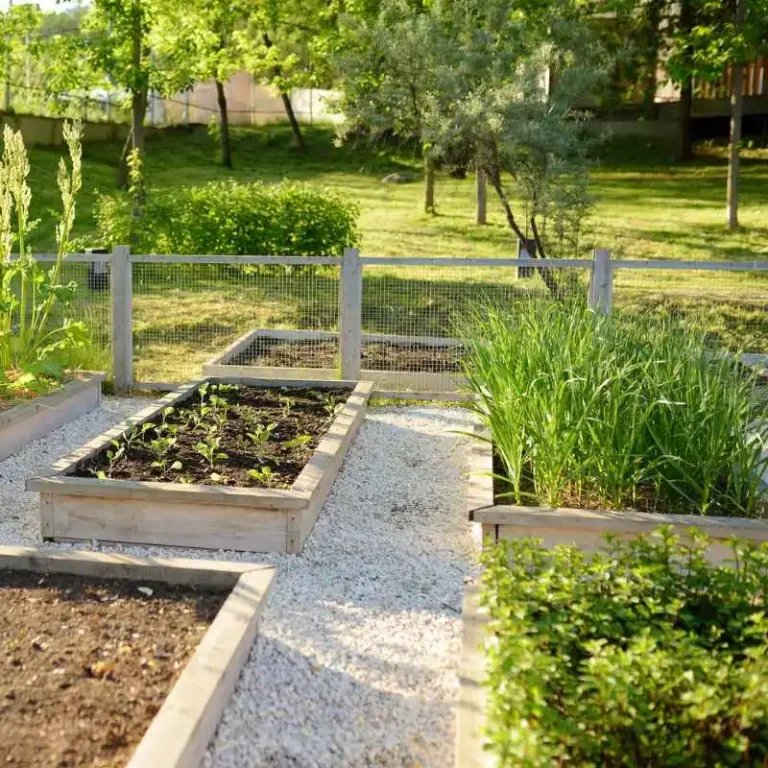
- Solution: Incorporate organic matter (compost, aged manure) to improve structure and drainage. Raised beds can also enhance drainage in heavy soils.
Adding coarse sand or perlite may help in extremely clay-heavy soils, but organic matter is preferable for its multiple benefits.
Soil Ph And Nutrient Balance
- Imbalanced pH can favor certain fungi. For instance, clubroot in brassicas is more severe in acidic soils.
- Most vegetables prefer pH 6.0-7.0. Regular testing ensures optimal conditions for both plants and beneficial soil life.
- Test soil annually: Adjust with lime (to raise pH) or elemental sulfur (to lower pH) as needed.
Balanced fertilization also prevents plant stress, which can make vegetables more susceptible to infection.
Beneficial Microorganisms
- Compost and worm castings introduce beneficial bacteria and fungi that outcompete pathogens and improve nutrient cycling.
- Mycorrhizal fungi: Form symbiotic relationships with roots, boosting nutrient uptake and disease resistance. Commercial inoculants are available for direct application at planting.
Encouraging earthworms and other soil fauna by minimizing tillage and pesticide use further enhances soil health.
Solarization
A technique using clear plastic to heat the soil and kill fungal spores.
- Steps:
- Moisten soil.
- Cover with clear plastic.
- Leave for 4-6 weeks in peak summer.
- Effectiveness: Can reduce soil-borne pathogens by up to 80% according to USDA ARS research.
Solarization can also help control weed seeds and some insect pests, making it a valuable tool for overall garden health.
Example: Soil-borne Disease Recovery
A gardener in California suffered repeated losses to Fusarium wilt in basil. After two years of cover cropping with mustard (which releases natural biofumigants), adding compost, and solarizing the soil, Fusarium symptoms dropped by 70% and yields improved dramatically. This demonstrates the power of combining physical, biological, and cultural controls.
Maintenance, Monitoring, And Ongoing Management
Even after solving an immediate fungal problem, consistent effort is needed to keep your garden fungus-free year after year.
Seasonal Clean-up
- Remove all plant debris: Fungi overwinter in dead leaves and stems. This is especially important for crops like tomatoes and squash, which are prone to persistent soil-borne pathogens.
- Compost properly: Hot composting kills pathogens; cold composting may not. Use a compost thermometer to ensure piles reach at least 140°F for several days.
If hot composting isn’t possible, dispose of diseased material in municipal yard waste or trash.
Annual Rotation Planning
- Map plantings each year to avoid repeating crops in the same spot. Digital garden planners or simple notebooks can assist with this.
- Record keeping: Track disease outbreaks to refine your rotation. Over time, this historical data will reveal patterns and opportunities for improvement.
Including green manure cover crops during fallow periods can further disrupt disease cycles.
Ongoing Scouting
- Walk your garden weekly: Early detection is key to nipping problems in the bud. Pay attention to weather patterns that may increase disease risk, such as prolonged humidity or rainfall.
- Photograph and log symptoms: Helps identify recurring issues and provides reference material for consultation with experts.
Community gardens can benefit from shared scouting responsibilities and communication boards for reporting outbreaks.
Tool And Equipment Sanitation
- Clean pruners and trowels after each use, especially when moving between beds or crops.
- Disinfect seed trays and pots before starting new seedlings to prevent damping-off and root rots.
Sanitize greenhouse surfaces, watering cans, and stakes at the end of each season for comprehensive protection.
Weather Monitoring
- Watch for high humidity and rainfall: Increase monitoring during these periods, as they often precede outbreaks.
- Adjust practices: Delay watering or apply protective sprays ahead of forecasted rain. Use row covers or high tunnels to shield sensitive crops during extended wet spells.
Table: Monthly Maintenance Checklist
| Month | Key Tasks |
|---|---|
| March-April | Start seeds, disinfect trays, prepare soil, monitor for damping-off |
| May-June | Transplant, mulch, set up drip irrigation, weekly scouting |
| July-August | Continue scouting, prune overcrowded plants, apply fungicides as needed |
| September-October | Remove spent crops, compost debris, solarize soil if needed |
| November-February | Plan rotation, order seeds, repair tools, add compost |
Data-driven Example: Improved Yields From Consistent Monitoring
A small farm in Ohio implemented a strict weekly monitoring and sanitation schedule. Over three years, fungal disease incidence fell by 50%, and marketable yields increased by 30%, documented in collaboration with the Ohio State University Extension. This example highlights how steady, incremental improvements in monitoring and hygiene can yield substantial long-term benefits.
Real-world Case Studies: Success In Managing Fungal Diseases
Examining real-world examples sheds light on how integrated strategies can make a tangible difference in garden health and productivity.
Case Study 1: Urban Gardeners Combatting Powdery Mildew
A group of urban gardeners in Boston faced yearly outbreaks of powdery mildew on their squash and cucumbers. By installing drip irrigation, spacing plants more widely, and spraying weekly with a homemade baking soda solution, they reduced visible mildew by 80% in two seasons. The approach was highlighted by the GrowNYC Community Gardens Program. They also shared their findings at local gardening workshops, empowering other urban growers to replicate their success.
Case Study 2: Commercial Tomato Grower And Late Blight
A commercial tomato farmer in Pennsylvania struggled with late blight, losing up to 40% of their crop in wet years. Adopting a comprehensive IPM approach—including scouting, removing infected leaves, rotating with non-host crops, and alternating copper and mancozeb fungicides—reduced losses to less than 10%. Documentation is available from the Penn State Extension. The grower also invested in weather-based disease prediction models, further optimizing the timing of interventions.
Case Study 3: School Garden’s Integrated Approach
A school garden in Texas suffered from severe damping-off in seedling trays. By switching to sterilized potting mix, bottom-watering, and inoculating with Bacillus subtilis, seedling survival rates jumped from 50% to over 90% in one season. This not only improved vegetable yields for the student-run program but also provided valuable hands-on science lessons.
Lessons Learned
- Integration is key: Single solutions rarely solve the problem. Combining cultural, biological, and chemical approaches yields the best outcomes.
- Adaptation: Tailoring strategies to local climate and garden layout is crucial. What works for a dry region may not suit a humid environment.
- Education: Training and community support accelerate problem-solving. Peer-to-peer learning and extension workshops help spread successful techniques.
Frequently Asked Questions
How Can I Tell If My Vegetable Plants Have A Fungal Disease?
Look for distinctive symptoms such as brown or yellow spots, powdery or fuzzy coatings, sudden wilting, or soft, rotting fruits. Compare with photos in reputable field guides or consult local extension services for confirmation. Observe the progression: fungal diseases often spread rapidly in conducive weather and may affect groups of plants rather than isolated individuals.
Are Organic Fungicides As Effective As Chemical Ones?
Organic fungicides can be effective, especially when used preventatively and as part of an integrated management plan. However, they may require more frequent application and are generally less potent than synthetic fungicides. Their success is maximized when combined with good cultural practices, such as crop rotation and sanitation.
Can I Compost Plants Infected With Fungal Diseases?
It’s best to avoid composting heavily infected plants unless you use a hot composting process that reaches temperatures of 140°F (60°C) or higher to kill pathogens. Otherwise, dispose of infected material in the trash. For minor infections, removing affected tissue before composting can reduce risk.
What Is The Best Way To Prevent Fungal Diseases In Vegetable Gardens?
The most effective prevention combines crop rotation, proper spacing, mulching, and watering at the soil level. Using disease-resistant varieties and practicing good garden sanitation further reduces risk. Integrating these steps creates an environment where fungi struggle to gain a foothold.
Do I Need To Treat The Soil After A Fungal Outbreak?
If a severe soil-borne fungal disease occurred, consider soil solarization, adding organic matter, and rotating with non-host crops. In some cases, applying beneficial microbes can help restore balance and suppress pathogens. Regular soil testing and amending pH or nutrients can also discourage the recurrence of certain diseases.
Gardening is always a balance of risk and reward, and fungal diseases are a challenge every grower faces. By implementing the techniques outlined in this guide—focusing on prevention, early detection, integrated treatment, and diligent maintenance—you can dramatically reduce fungal problems and enjoy a thriving, productive vegetable garden for years to come. Whether you grow in containers, raised beds, or open fields, the principles remain the same: healthy soil, vigilant observation, and a willingness to adapt are your best defenses against the persistent threat of fungal disease.