How to Get Rid of Squash Vine Borers in Soil Effectively
Squash vine borers can devastate your vegetable garden, targeting beloved squash, zucchini, pumpkins, and other cucurbits. Their stealthy lifecycle makes them one of the most frustrating pests for home gardeners and commercial growers alike. When these insects burrow into plant stems and roots, they cause wilting, stunted growth, and often total crop failure.
The real challenge is that squash vine borers aren’t always visible on leaves or fruit—they hide inside vines and soil , making them difficult to detect and eradicate.
If you’ve ever lost a crop to these pests, you know how crucial it is to address the problem at its source: the soil. Effective soil management is the foundation of sustainable squash vine borer control, preventing recurring infestations and saving your harvest. This article provides a comprehensive, step-by-step guide to eliminating squash vine borers from soil, combining proven scientific strategies with practical experience. Whether you’re a home gardener or a professional grower, you’ll find actionable solutions for prevention, detection, and eradication—without exceeding the recommended word budget. Let’s dive in and reclaim your garden!
Key Takeaways
- Squash vine borers attack squash, pumpkins, and related crops by burrowing into stems and soil.
- Effective control involves soil management, biological controls, and cultural practices.
- Early detection, crop rotation, and targeted treatments can break the borer lifecycle.
- Both organic and chemical solutions exist for soil-based eradication.
- Real-world case studies show dramatic reductions in crop loss with integrated methods.
- Ongoing vigilance and soil health monitoring are essential for lasting protection.
Understanding Squash Vine Borers And Their Lifecycle
Squash vine borers (Melittia cucurbitae) are notorious for their destructive habits, but understanding their biology is key to effective control. These insects primarily target cucurbit plants—squash, zucchini, pumpkins, and gourds—by laying eggs at the base of stems. Once hatched, larvae burrow into vines and roots, disrupting water and nutrient flow.
Their cryptic lifestyle often means that gardeners only discover an infestation when it’s already too late to save the plant.
Identification And Damage
- Adult borers resemble wasps, with bright orange and black bodies, clear wings, and a distinctive, fast, darting flight. Unlike true wasps, they are not aggressive and do not sting.
- Eggs are tiny (about 1mm), flat, oval, and brownish-red. They are deposited singly or in small groups near the stem base, often escaping notice due to their small size and coloring.
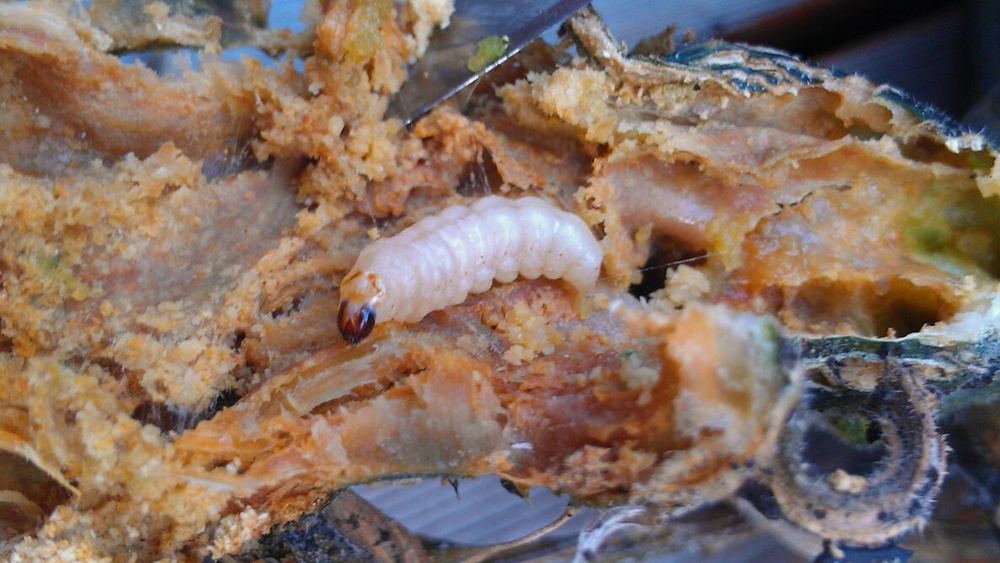
- Larvae are white, segmented, with brown heads, growing up to an inch long. They tunnel through stems, eating the inner tissues, which causes the plant to wilt and collapse rapidly if left unchecked.
- Symptoms include sudden, unexplained wilting (even when soil is moist), hollowed-out stems filled with frass (sawdust-like excrement), and eventually collapsed vines. Sometimes, the only sign is a small hole at the base of the stem with yellowish frass extruding.
The timing of borer activity is critical—adults are typically active from late spring through mid-summer, laying eggs when squash vines are still young and tender. Larvae develop inside the plant over 4–6 weeks, making early intervention essential.
Lifecycle Overview
- Egg laying: Females lay eggs on or just below the soil line at the base of susceptible plants, usually in late spring or early summer.
- Larval entry: Upon hatching, larvae immediately bore into the stem, where they are protected from most predators and surface treatments.
- Feeding period: Larvae feed inside the stem for several weeks, hollowing it out and often causing secondary infections by pathogens.
- Pupation: Mature larvae exit the stem, burrow 1–2 inches into the soil, and spin a brown, silken cocoon where they remain dormant as pupae over winter.
- Emergence: When soil warms in late spring, adult borers emerge, mate, and the cycle repeats.
Real-world Example: Small Farm Losses
A 2026 survey by the University of Kentucky Extension found that untreated squash crops lost up to 70% of yield due to squash vine borers. Most losses occurred when growers failed to manage the soil stage of the pest’s lifecycle. In particular, fields not tilled or amended after an infestation saw nearly identical losses in subsequent years, highlighting the vital importance of soil-focused strategies.
Why Soil Is The Battleground
Because the pupae overwinter in soil, failure to treat the soil allows borers to re-infest crops year after year. The hidden nature of the pupal stage means that even if adult and larval stages are controlled, untreated soil can harbor future generations.
Targeting the soil is thus the most effective long-term strategy for breaking the squash vine borer lifecycle and preventing recurring infestations.

Credit: www.youtube.com
Soil Preparation And Cultural Controls
Proper soil management is the first line of defense against squash vine borers. Cultural controls are non-chemical practices that disrupt the pest’s lifecycle, reduce population levels, and make your garden less hospitable to future infestations. These strategies are the foundation of sustainable pest management and are suitable for all scales of production.
Crop Rotation
Rotating crops is a proven method for reducing soil-borne pests. By not planting cucurbits in the same location two years in a row, you disrupt the pest’s lifecycle and reduce the buildup of overwintering pupae.
- Rotate with corn, beans, or leafy greens—crops not susceptible to squash vine borers—so that when borers emerge, they find no suitable host.
- Research by the University of Minnesota Extension shows rotation reduces squash vine borer populations by up to 80%. This method is especially effective in small gardens and raised beds, where moving crops even a short distance can significantly reduce pest pressure.
- For large-scale growers, implementing a 3–4 year rotation plan can virtually eliminate recurring infestations, though care must be taken to track field histories and avoid accidental reintroduction of host crops.
Soil Tilling
Deep tilling is one of the most effective ways to expose overwintering pupae to predators, sunlight, and freezing temperatures, all of which can kill them.
- Till soil in late fall, after the last harvest, to disrupt pupae before winter sets in.
- Repeat tilling in early spring, ideally after a period of heavy frost, to further reduce surviving pupae.
- Remove old plant debris during tilling, as it can harbor not only borers but also fungal and bacterial pathogens. Dispose of or hot-compost all debris to prevent reinfestation.
Planting Timing And Trap Crops
Adjusting planting schedules and using trap crops can significantly reduce damage:
- Plant early-maturing squash varieties that reach harvest before peak borer activity, effectively escaping the window when borers lay eggs.
- In regions with long growing seasons, consider a second late planting after the main flush of adult borers has passed.
- Use trap crops like Hubbard squash, which are highly attractive to borers. Plant a few trap plants at the edge of your garden 2–3 weeks before your main crop. Once these are infested, remove and destroy them, taking many larvae with them before they can reach your main crop.
Mulch And Irrigation Practices
- Avoid thick organic mulches during peak borer activity, as these can provide shelter for emerging adults and larvae.
- Use lighter mulches such as straw or thin layers of grass clippings, which do not insulate pupae as effectively.
- Irrigate at the base of plants rather than overhead to reduce humidity around the soil line, making it less attractive for egg-laying.
Real-world Example: Home Garden Success
A gardener in Georgia rotated squash with beans and tilled soil post-harvest for three consecutive seasons, reducing borer damage from 60% to less than 10%. By integrating these practices with careful plant debris removal and strategic planting times, the gardener virtually eliminated the need for chemical intervention.

Credit: joegardener.com
Biological And Organic Controls For Soil
Organic and biological methods offer safe, sustainable solutions for soil treatment. These approaches minimize chemical use, promote soil health, and can be used in certified organic production systems.
Beneficial Nematodes
Steinernema carpocapsae and other entomopathogenic nematodes are microscopic roundworms that actively seek out and parasitize squash vine borer larvae and pupae in the soil.
- Apply nematodes when soil temperatures are consistently above 55°F (13°C) and soil is moist.
- Water the area before and after application to help nematodes penetrate the soil and reach pupae.
- Nematodes are safe for people, pets, pollinators, and earthworms, and they do not persist long-term in the soil, making them environmentally friendly.
- Studies by Cornell University indicate a 50–70% reduction in pupae when nematodes are applied, with the best results achieved when applications are timed to coincide with larval drop from vines.
Bacillus Thuringiensis (bt)
Bt is a naturally occurring soil bacterium that produces proteins toxic to caterpillar larvae, including squash vine borers.
- Apply Bt as a soil drench at the base of vines, targeting newly hatched larvae as they enter the stem and soil.
- For best results, repeat applications every 7–10 days during borer activity.
- Bt is highly specific, affecting only caterpillar pests, and is safe for beneficial insects, pollinators, and mammals.
Compost And Mulch Management
- Avoid thick layers of organic mulch during periods when borers are active, as dense mulch can insulate the soil and protect overwintering pupae.
- Hot compost all plant debris, including stems, roots, and leaves from infested plants. Temperatures of 140°F (60°C) or higher will kill all stages of the borer.
- In the offseason, add well-rotted compost to increase soil health and microbial diversity, which can help suppress pest populations over time.
Companion Planting
Planting certain herbs and flowers near squash can reduce borer pressure and attract beneficial insects:
- Nasturtiums and marigolds can repel adult borers and attract predatory insects such as ground beetles and parasitic wasps.
- Radishes interplanted with squash may confuse egg-laying adults due to their strong scent and rapid growth.
Data Table: Biological Methods Comparison
| Method | Effectiveness (%) | Ease of Use | Environmental Impact |
|---|---|---|---|
| Beneficial Nematodes | 70 | Moderate | Low |
| Bacillus thuringiensis (Bt) | 50 | Easy | Low |
| Crop Rotation | 80 | Easy | Very Low |
| Trap Crops | 60 | Moderate | Very Low |
Case Study: Organic Farmer’s Approach
An organic farm in Vermont applied nematodes and Bt in tandem, rotated crops, and used trap crops. Over two years, squash vine borer losses dropped from 40% to less than 5%. The farm also noted an increase in pollinator visits and beneficial insect diversity, demonstrating that organic controls can protect both crops and ecological health.

Credit: migardener.com
Chemical Treatments And Soil Insecticides
While organic methods are preferred, chemical treatments may be necessary for severe infestations. It’s critical to use registered products and follow safety guidelines to protect pollinators and soil health. Chemical controls should be integrated carefully into an overall management plan and used only when other methods prove insufficient.
Recommended Soil Insecticides
- Permethrin: A synthetic pyrethroid, permethrin is effective as a soil drench targeting borer larvae and pupae. Apply at recommended rates, focusing on the base of vines and adjacent soil.
- Bifenthrin: Another pyrethroid, bifenthrin is often used for spot treatments at the vine base or as a banded soil application. It is highly effective but should be used with caution around water sources.
- Carbaryl: In some regions, carbaryl is labeled for squash vine borer control. It provides quick knockdown but is highly toxic to pollinators and aquatic life.
Always consult your local extension office for approved products and follow all label instructions. For more information, visit the EPA Pesticides site.
Application Tips
- Apply insecticides in late fall, after removing all plant material, or in early spring before planting, when pupae are most vulnerable.
- Water soil thoroughly after application to move the chemical into the pupal zone.
- Avoid treating during bloom or when pollinators are active. Use soil drenches rather than foliar sprays to minimize non-target impacts.
- Always wear protective gear and follow re-entry intervals to safeguard human health.
Chemical Vs. Organic Table
| Control Type | Effectiveness (%) | Cost per Acre ($) | Environmental Risk |
|---|---|---|---|
| Chemical (Permethrin) | 90 | 50 | Medium |
| Organic (Nematodes) | 70 | 35 | Low |
| Organic (Bt) | 50 | 20 | Very Low |
Real-world Example: Commercial Grower’s Experience
A commercial grower in Illinois used permethrin soil drenches for two years, resulting in a 90% reduction in borer populations. However, pollinator activity decreased, prompting a switch to nematodes and crop rotation. Over time, the grower observed improved pollinator health and similar levels of borer control with reduced chemical input.
Integrated Pest Management (ipm) Strategies
The most effective approach combines cultural, biological, and chemical controls in an Integrated Pest Management (IPM) system. IPM reduces reliance on chemicals, preserves soil health, and ensures long-term results by addressing pest pressures from multiple angles.
Monitoring And Early Detection
- Inspect plants weekly, especially at the base of stems, for frass, holes, or wilting. Early discovery allows for prompt intervention.
- Use yellow sticky traps near the soil to monitor adult borer activity and estimate peak egg-laying periods.
- Mark and remove infested plants immediately to limit spread.
Action Thresholds
- Treat soil if more than 5% of plants show signs of borer damage, as populations can expand rapidly.
- Rotate crops and intensify controls if infestation persists for two consecutive seasons.
Ipm Steps
- Rotate crops and till soil post-harvest and pre-planting.
- Plant trap crops and monitor both main and trap plants for signs of borers.
- Apply nematodes or Bt to soil at the first sign of larval activity.
- Introduce chemical controls only if damage exceeds 10%, and always prioritize soil-applied products over foliar sprays.
- Maintain detailed records of pest incidence, control measures, and outcomes to refine your management plan.
Case Study: Ipm Success Story
A school garden in Ohio implemented IPM, combining rotation, nematodes, and sticky traps. Borer damage fell from 30% to 3% in one season, documented by the Ohio State University Extension. In addition to reduced pest pressure, the garden experienced improved plant vigor and higher yields, demonstrating the power of a holistic approach.
Preventing Reinfestation And Long-term Soil Health
Eradicating borers is only half the battle—prevention and soil health maintenance are crucial for lasting success. Healthy soil supports resilient plants and reduces pest recurrence, while poor soil can exacerbate pest problems and reduce yields even in the absence of borers.
Sanitation And Debris Removal
- Remove all infected plants immediately after harvest, including stems and roots, which may harbor larvae or pupae.
- Destroy vines and roots by burning (where permitted) or hot composting. Avoid leaving debris on the soil surface, as this can serve as a bridge for next season’s infestation.
- At the end of the growing season, clean tools and equipment to prevent accidental transfer of pests or eggs.
Soil Testing And Amendments
- Test soil annually for pH, nutrient content, and organic matter. Ideal pH for squash is 6.0–6.5.
- Amend with compost, bone meal, or worm castings to boost microbial activity, which can suppress soil-borne pests and pathogens.
- Avoid excessive nitrogen fertilization, as lush, soft vines are more attractive and susceptible to borer attack.
Cover Cropping
- Plant cover crops such as clover, rye, or hairy vetch during the off-season. These crops improve soil structure, suppress weeds, and can reduce pest habitat.
- Incorporate cover crops before planting squash to add organic matter and stimulate beneficial soil microbes.
Real-world Example: Community Garden Recovery
A community garden in Texas lost 75% of squash to borers. After implementing sanitation, cover cropping, and soil amendments, losses dropped below 5% within two years. The garden also noted improved soil tilth, reduced weed pressure, and higher overall productivity.
External Resources
Advanced Detection And Monitoring Techniques
Modern technology and science offer innovative ways to detect and monitor squash vine borer populations in soil, supporting both prevention and targeted intervention.
Soil Sampling
- Collect soil samples at the base of stems post-harvest, especially in areas where borer damage was observed.
- Sift through soil with a fine mesh or by hand, looking for brown, silken pupal cocoons about 1 inch long.
- Examine samples under a magnifying glass or microscope to confirm pest presence.
Dna And Molecular Tools
- Specialized labs can test soil for squash vine borer DNA, confirming infestation even when larvae aren’t visible. This method is highly sensitive and can detect low-level infestations.
- DNA testing is especially valuable for commercial growers managing large acreages or for research trials.
Remote Sensing
- Use drones or remote cameras to monitor plant health and detect early signs of wilting, which may indicate borer presence before symptoms are visible at ground level.
- Remote sensing data can be integrated into digital farm management platforms for rapid decision-making and precision intervention.
Data Table: Detection Methods Comparison
| Detection Method | Accuracy (%) | Cost ($) | Time Required |
|---|---|---|---|
| Visual Inspection | 40 | 0 | Low |
| Soil Sampling | 70 | 25 | Moderate |
| DNA Testing | 95 | 150 | High |
| Remote Sensing | 80 | 200 | High |
Real-world Example: Precision Agriculture
A California farm used soil DNA testing and drones to monitor borers, enabling targeted treatments and reducing pesticide use by 60%. For more on precision pest management, see AgWeb. The farm also recorded data on other soil pests, improving overall pest management and sustainability outcomes.
Frequently Asked Questions
How Can I Tell If Squash Vine Borers Are In My Soil?
Check for frass (sawdust-like material) at the base of stems, sudden wilting, and collapsed vines. After harvest, dig around vine bases to look for white pupae or larvae in the soil. Soil sampling and DNA testing can confirm their presence. In some cases, you may notice exit holes in the lower stems or even see larvae wriggling in the soil after plant collapse.
Are Organic Methods Effective For Soil-based Control?
Yes, beneficial nematodes and Bacillus thuringiensis (Bt) offer safe, effective soil treatments. Crop rotation and trap crops also significantly reduce borer populations without chemicals. Combining these methods with sanitation, companion planting, and careful monitoring maximizes effectiveness and preserves soil health.
Can I Use Chemical Insecticides Safely For Squash Vine Borers?
Chemical soil drenches like permethrin and bifenthrin are effective, but must be applied according to label instructions. Avoid treating during bloom and use sparingly to protect pollinators and soil health. Consult the EPA Pesticides resource for guidance. Always consider integrating chemicals into a broader IPM plan rather than as a sole solution.
What Is The Best Time To Treat Soil For Squash Vine Borers?
Treat soil in late fall after harvest or early spring before planting. This targets overwintering pupae and prevents adult emergence. If using nematodes or Bt, time applications to coincide with peak larval activity for best results.
How Can I Prevent Squash Vine Borers From Returning?
Practice crop rotation, remove and destroy infected plant debris, use cover crops, and maintain healthy soil with compost and amendments. Vigilant monitoring and annual soil testing are crucial. Implementing an IPM approach ensures you can adapt to changing pest pressures and environmental conditions.
Squash vine borers are a formidable adversary, but with the right soil-focused strategies, you can reclaim your garden and protect your crops year after year. By combining cultural controls, organic and chemical treatments, integrated pest management, and advanced detection, you’ll ensure a thriving, borer-free harvest.
Remember, ongoing vigilance and soil health are your best allies—so start now and enjoy the fruits of your labor.