Which Plants Are Usually the First to Live in Soil?
The story of life on land begins with the colonization of bare soil by pioneering plants. These first plants not only survive where others can’t, but also prepare the soil for future generations. Their journey from barren ground to lush ecosystems is foundational to Earth’s biodiversity and the health of our planet. Understanding which plants are usually the first to live in soil reveals the secrets of ecosystem formation, soil restoration, and the resilience of nature.
These initial colonizers—known as pioneer species—are the unsung heroes of ecological succession. They endure harsh conditions, stabilize soil, and kickstart the process of building fertile environments. From volcanic islands to abandoned mining sites, the types of plants that colonize new or disturbed soils are remarkably consistent. This article explores their identities, strategies, and impact, offering insights for gardeners, ecologists, and anyone interested in how life reclaims land.
Key Takeaways
- Pioneer plants are the first to colonize bare or disturbed soil, initiating ecological succession.
- Mosses, lichens, grasses, and hardy herbs dominate early soil stages due to their adaptability.
- These plants improve soil quality, making it suitable for more complex plant species over time.
- Understanding pioneer plants helps in soil restoration, agriculture, and conservation.
- Real-world examples show how these species transform barren landscapes into thriving ecosystems.
Credit: www.agweb.com
The Science Of Pioneer Plants
The earliest plants to inhabit soil are known as pioneer species. These hardy organisms set the stage for more complex life by modifying their environment, often thriving where conditions are too harsh for most other species.
Ecological Succession Explained
Ecological succession is the gradual process by which ecosystems change and develop over time. It begins with pioneer species and ends with a stable climax community.
- Primary succession occurs on newly formed or exposed land (such as lava flows or glacial retreats) where no soil exists.
- Secondary succession happens on soil that has been disturbed but not destroyed, such as after fires or floods.
Pioneer plants are crucial in both scenarios, but primary succession showcases their role most dramatically.
In primary succession, the absence of soil means there are no nutrients, organic matter , or established root systems. Pioneer plants must break down rocks and accumulate organic material before other plants can survive. Over decades or centuries, these processes can transform lifeless rock into rich, living soil capable of supporting forests or grasslands.
Secondary succession is typically faster because the soil is already present, albeit disturbed or depleted. Here, pioneer species quickly colonize open spaces, outcompeting weeds or invasive species, and helping to re-establish stable plant communities.
Traits Of Pioneer Species
Pioneer plants have evolved specific traits to survive and thrive in hostile environments:
- Tolerance to extreme conditions: Pioneer species can endure drought, flooding, high winds, poor nutrient availability, and extreme temperatures—conditions that would kill less adaptable species.
- Rapid reproduction and dispersal: Many pioneers produce vast quantities of lightweight seeds or spores that can travel long distances via wind, water, or animals, enabling them to quickly colonize new sites.
- Low nutrient requirements: These plants often have minimal needs for nitrogen, phosphorus, and other nutrients, allowing them to grow where the soil is infertile.
- Ability to fix nitrogen or break down rocks: Some, like legumes, host nitrogen-fixing bacteria in their roots, while lichens secrete acids that chemically weather rocks.
Other adaptive traits include short lifespans (which mean frequent turnover and rapid nutrient cycling), high sunlight tolerance, and the ability to grow in compacted or contaminated soils.
Importance Of Pioneer Plants
The impact of pioneer plants goes beyond their immediate survival:
- Soil formation: By physically and chemically breaking down rocks, accumulating decaying organic matter, and stabilizing loose materials, pioneer plants create the first fertile soil layers. This process can take decades to centuries but is essential for all subsequent life.
- Nutrient cycling: Nitrogen-fixing pioneers add vital nutrients, while their decomposition releases minerals and organic compounds. This accelerates the transformation of sterile ground into living soil.
- Habitat creation: As soil improves, a web of life emerges. Microbes, fungi, insects, and even vertebrates follow the pioneers, each further enriching the developing ecosystem.
- Restoration: In areas degraded by human activity or natural disasters, pioneer plants are used to initiate recovery, reduce erosion, and jumpstart the return of native species.
Without pioneer plants, bare ground would remain exposed to erosion, extreme temperatures, and nutrient loss, making ecosystem recovery much slower or even impossible.
Types Of Pioneer Plants
Pioneer plants vary depending on location and soil type, but certain groups are consistently the first to appear.
Lichens
Lichens are symbiotic organisms made up of fungi and algae or cyanobacteria. They are often the first lifeforms on bare rock or newly exposed surfaces.
- Role: They break down minerals and secrete acids that help form soil, creating tiny crevices and pockets for organic matter to accumulate.
- Examples: *Cladonia rangiferina* (reindeer lichen), *Xanthoria parietina*
Lichens are incredibly resilient, capable of surviving intense cold, heat, and drought. Some species can rehydrate and photosynthesize within minutes of receiving moisture, even after years of dormancy. Their presence is a crucial first step in the transformation of rock into soil.
Lichens also provide food for some animals (e. g. , reindeer in Arctic regions) and can serve as bioindicators of air quality, as they are sensitive to pollution.
Mosses
Mosses are small, non-vascular plants that thrive in moist conditions. They are frequently the first green plants on new soil.
- Role: They retain moisture, prevent erosion, and contribute organic matter as they die and decompose.
- Examples: *Polytrichum commune*, *Bryum argenteum*
Mosses establish dense carpets that trap dust, spores, and seeds, providing a protective microenvironment for other plants. Their structure helps retain water, which is critical for germination and the survival of less drought-tolerant species.
Some mosses can tolerate high levels of metals or acidity, making them ideal for colonizing mine tailings and polluted soils. Mosses also help regulate microclimates by reducing temperature fluctuations on the soil surface.
Grasses
Grasses are among the most adaptable pioneer plants, especially in disturbed soils.
- Role: Stabilize soil, improve nutrient content, and provide cover for other species.
- Examples: *Festuca ovina* (sheep fescue), *Agrostis capillaris*
Grasses have extensive root systems that bind soil particles, reducing erosion and runoff. Their rapid growth shades the soil, suppressing weeds and maintaining moisture. As their roots and shoots die, they add organic matter, further improving soil structure.
Grasses are often used in large-scale restoration projects for their ability to quickly cover ground, even under poor soil conditions. Their seeds are inexpensive and easy to sow, making them practical for reclaiming abandoned fields or mine sites.
Hardy Herbs And Forbs
Many herbs and forbs (broad-leaved plants) are also pioneer species.
- Role: Fix nitrogen, attract pollinators, and increase soil fertility.
- Examples: *Trifolium repens* (white clover), *Taraxacum officinale* (dandelion)
Legumes like clover form symbiotic relationships with nitrogen-fixing bacteria, enriching the soil for future plants. Dandelions and other forbs have deep taproots that break up compacted soil and bring nutrients to the surface.
Their flowers attract pollinators, supporting early food webs. Many forbs reproduce prolifically, either by seed or vegetative means, ensuring rapid colonization of open spaces. Their presence paves the way for shrubs and trees.
Table: Comparison Of Pioneer Plant Groups
| Pioneer Group | Typical Habitat | Main Ecological Role | Common Species |
|---|---|---|---|
| Lichens | Bare rock, newly exposed surfaces | Soil formation, nutrient cycling | Cladonia, Xanthoria |
| Mosses | Moist, shaded soil | Moisture retention, erosion control | Polytrichum, Bryum |
| Grasses | Open fields, disturbed soil | Soil stabilization, habitat creation | Festuca, Agrostis |
| Hardy Herbs | Disturbed, nutrient-poor sites | Nitrogen fixation, fertility improvement | Trifolium, Taraxacum |

Credit: sensiseeds.com
How Pioneer Plants Prepare Soil For Later Species
The initial colonization by pioneer plants triggers a cascade of ecological changes, transforming barren ground into fertile soil.
Soil Formation Processes
- Physical weathering: Roots and rhizomes grow into cracks in rocks, breaking them apart over time. This process is especially important in primary succession, where no soil is initially present.
- Chemical weathering: Lichens and mosses secrete organic acids that dissolve rock minerals, releasing essential nutrients like potassium, calcium, and magnesium into the environment.
- Organic matter accumulation: As pioneer plants die, their remains decompose to form humus, a rich organic component of soil that improves fertility and water retention. This organic layer is critical for germination and growth of more demanding plant species.
Together, these processes build up the first true soil horizons, transforming sterile ground into a living, breathing substrate.
Nutrient Enrichment
Many pioneer plants, especially legumes like white clover, fix atmospheric nitrogen, enriching the soil. This is crucial for later species that require more nutrients.
- Nitrogen fixation: Legumes host bacteria in root nodules (e.g., *Rhizobium* species) that convert atmospheric nitrogen into ammonia, a form plants can use. This process adds significant fertility to poor soils.
- Mycorrhizal associations: Fungi in roots (mycorrhizae) form networks that increase the uptake of phosphorus and other minerals, benefiting both the pioneer plants and those that follow.
Over time, the buildup of nutrients makes the site increasingly attractive to shrubs, trees, and other plant groups.
Microbial Activity
Pioneer plants encourage the growth of soil microbes, fungi, and bacteria, which further improve soil quality.
- Decomposition: Soil bacteria and fungi break down dead plant material, releasing nutrients and creating a stable soil structure.
- Symbiotic relationships: Pioneer plants often form partnerships with beneficial microbes, enhancing their growth and stress tolerance. These relationships expand as the ecosystem matures, supporting greater biodiversity and productivity.
Wildlife Attraction
As soil quality improves, pioneer plants attract insects, birds, and small mammals, accelerating ecosystem development.
- Pollinators: Early-blooming pioneers provide nectar and pollen for bees, butterflies, and other insects, many of which are crucial for later plant reproduction.
- Seed dispersers: Birds and small mammals feed on pioneer seeds, inadvertently spreading them and those of later successional species. Their droppings add further nutrients, enriching the soil.
The presence of wildlife increases site complexity and hastens the transition to more diverse plant and animal communities.
Credit: www.metabolicstudio.org
Real-world Examples Of Pioneer Plant Colonization
The impact of pioneer plants is visible in a range of natural and human-created environments.
Volcanic Islands: Surtsey, Iceland
After the eruption of Surtsey in 1963, the island was initially barren. Within a year, lichens and mosses began colonizing the volcanic ash and rocks. By 2013, over 60 plant species had established, thanks to the groundwork laid by pioneers.
- Lichens and mosses were the first colonizers, creating the initial organic layer and holding ash in place.
- Grasses and herbs followed, their roots further stabilizing soil and enhancing fertility.
- Eventually, shrubs and larger plants moved in, with birds and insects contributing to seed dispersal and pollination.
This process mirrors the natural progression seen on other volcanic islands, such as Krakatoa, highlighting the universal strategies of pioneer species.
surtsey Wikipedia
Abandoned Mines: Appalachian Mountains
Restoration of abandoned coal mines in Appalachia often starts with seeding hardy grasses and legumes.
- Grasses like sheep fescue stabilize the soil, reducing erosion and runoff.
- Legumes such as white clover fix nitrogen, enhancing soil fertility and supporting the growth of native trees and shrubs planted later.
- Over several years, soil structure and nutrient levels improve, allowing for the establishment of more complex plant communities, including native hardwoods.
These restoration efforts are critical for combating environmental degradation and restoring ecosystem services in mining regions.
us Forest Service Research
Glacier Retreat: Alaska
As glaciers retreat in Alaska, bare ground is exposed. Lichens and mosses colonize first, followed by grasses and willow shrubs.
- Pioneer plants create soil from gravel and rock, their roots stabilizing the loose substrate.
- Wildlife, such as ptarmigans and small mammals, move in as vegetation becomes denser, further accelerating ecosystem development by spreading seeds and adding nutrients.
These processes have been observed in detail in places like Glacier Bay National Park, providing valuable case studies for understanding primary succession.
national Park Service: Glacier Bay
Case Studies: Pioneer Plant Restoration Projects
Ecological restoration relies on the lessons learned from nature’s pioneers. Here are two short case studies:
Prairie Restoration In Illinois
After decades of agriculture, prairie soils were depleted. Restoration teams planted native grasses like big bluestem and forbs such as purple coneflower.
- Pioneer species improved soil structure and fertility, allowing native prairie ecosystems to re-establish.
- Over time, native shrubs and trees established successfully, creating multi-layered plant communities similar to pre-settlement conditions.
- Insect and bird populations rebounded, with rare and endangered species returning to restored prairies.
These restoration efforts are models for projects across North America, highlighting the power of pioneer plants to rejuvenate landscapes.
the Nature Conservancy: Prairie Restoration
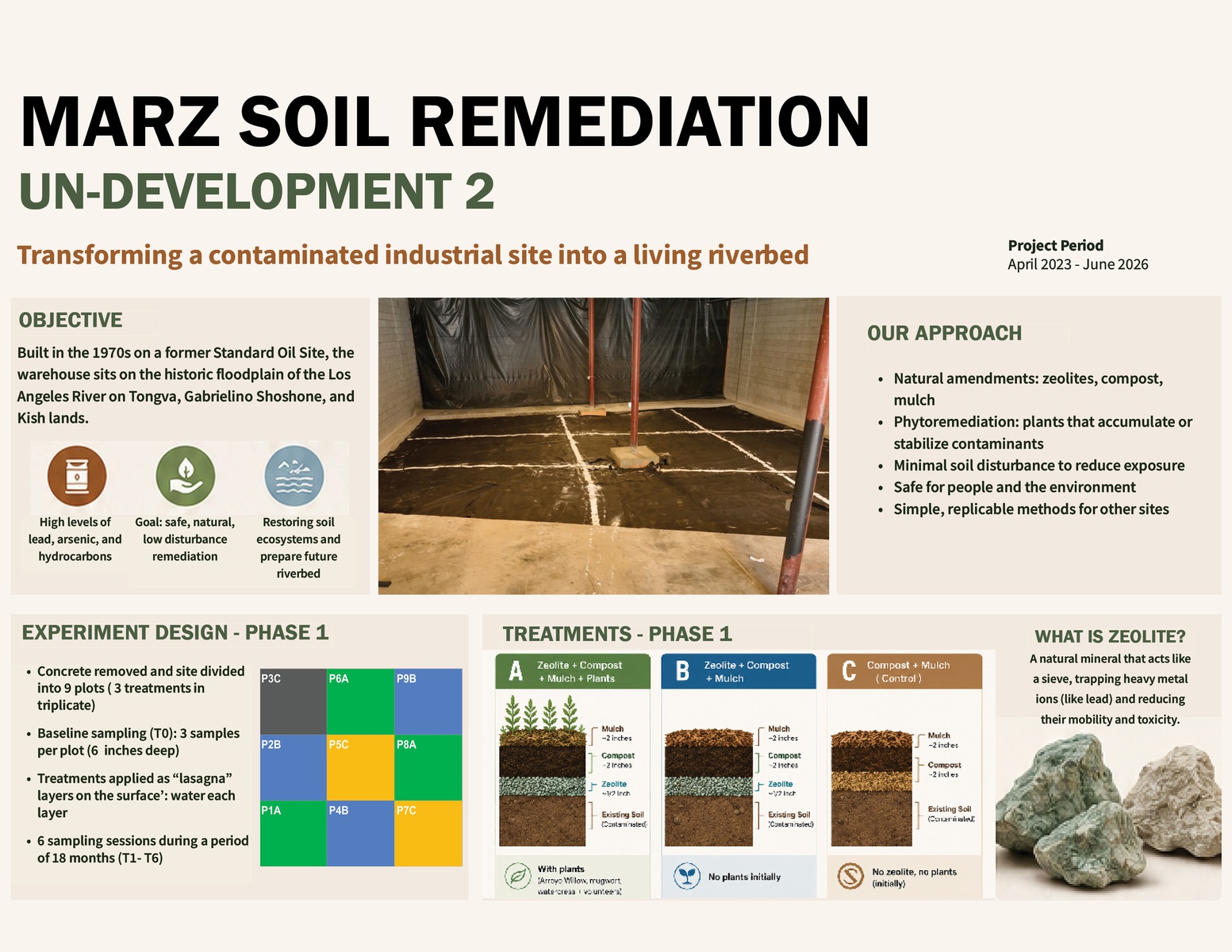
Urban Brownfield Reclamation
Cities often reclaim brownfield sites (abandoned industrial land) by planting pioneer species.
- Grasses and clover stabilize soil and prevent erosion, even in contaminated or compacted urban soils.
- Early plantings attract pollinators and wildlife, improving urban biodiversity.
- Successive plantings introduce shrubs and trees, turning wastelands into parks, community gardens, or naturalized areas.
This approach not only enhances urban green space but also improves air quality, reduces heat islands, and supports mental well-being for city residents.
epa: Brownfields Land Reuse
Pioneer Plants Vs. Later Successional Plants: A Comparison
The characteristics of pioneer and later successional plants differ significantly, affecting their roles and survival strategies.
| Characteristic | Pioneer Plants | Later Successional Plants |
|---|---|---|
| Growth Rate | Rapid | Slower |
| Nutrient Requirements | Low | High |
| Tolerance to Harsh Conditions | High | Moderate |
| Reproduction | Many small seeds, dispersal | Fewer, larger seeds |
| Soil Impact | Improves soil quality | Depends on improved soil |
| Ecological Role | Prepare environment | Form stable communities |
Pioneer plants are essentially ecological “first responders,” quickly exploiting open habitats and altering them in ways that make them hospitable for more demanding species. In contrast, later successional plants typically require richer soils, more stable conditions, and established microhabitats to thrive.
Their slower growth and competitive abilities allow them to dominate in mature ecosystems, forming forests, meadows, or other climax communities.
How Human Activities Influence Pioneer Plant Colonization
Human actions can both hinder and help the colonization of soil by pioneer plants.
Disturbance And Land Use
- Agriculture, mining, and construction disturb soil, creating opportunities for pioneer plants. However, repeated or severe disturbances (e.g., overgrazing, strip mining) can inhibit recovery by constantly resetting succession or introducing toxins.
- In some cases, invasive pioneer species outcompete natives, altering ecosystem recovery. For example, Bromus tectorum (cheatgrass) in the western U.S. can dominate disturbed sites, increasing fire frequency and reducing biodiversity.
Restoration And Conservation
- Ecological restoration projects use pioneer plants to accelerate soil recovery and prevent erosion. Careful selection of native pioneer species can ensure that restoration leads to healthy, resilient ecosystems rather than monocultures or invasive-dominated landscapes.
- Controlled burns and soil amendments may be used to mimic natural disturbances, encouraging pioneer plant growth and resetting succession where needed.
Urban Environments
- Pioneer plants often colonize cracks in pavement, abandoned lots, and urban wastelands. Their presence can improve soil health, support biodiversity, and even beautify neglected areas.
- Urban planners and ecologists are increasingly recognizing the value of urban pioneer species in green infrastructure projects, such as rain gardens and green roofs.
wikipedia: Ecological Restoration
Climate Change Impacts
- Changing temperatures and precipitation patterns affect which pioneer plants are successful. For instance, warming climates may favor drought-tolerant species over those adapted to cooler, wetter conditions.
- Some regions see shifts in pioneer species composition due to climate-driven disturbances such as fires, floods, and storms. Monitoring these trends is critical for predicting future ecosystem recovery and resilience.
ipcc Climate Change Report
Applications: Using Pioneer Plants In Soil Restoration
Harnessing pioneer plants is essential for soil restoration in agriculture, conservation, and land reclamation.
Agricultural Soil Recovery
After intensive farming, soils are often depleted. Pioneer plants can:
- Rebuild soil structure and fertility by adding organic matter and breaking up compacted layers.
- Prevent erosion and water loss, especially on sloped or exposed fields.
- Provide forage for livestock, especially when using fast-growing grasses and legumes.
Farmers may use cover crops such as ryegrass, clover, or vetch as pioneer species in crop rotations or fallows, improving long-term soil health .
Conservation And Habitat Creation
Using native pioneer plants helps restore habitats for wildlife and pollinators.
- Increases biodiversity by creating new niches and food sources.
- Supports endangered species that rely on early successional habitats (e.g., certain butterflies, birds, and small mammals).
Restoration ecologists often design planting schemes to mimic natural succession, starting with pioneers and gradually adding later successional species.
Land Reclamation
Mine sites, construction zones, and brownfields benefit from pioneer plant colonization.
- Stabilizes loose soil and prevents runoff and dust, which can be health hazards.
- Enables planting of trees and shrubs later, accelerating the return of complex ecosystems.
Some projects use hydroseeding (spraying a slurry of seeds, mulch, and fertilizer) to rapidly establish pioneer cover on steep or inaccessible slopes.
Practical Steps For Using Pioneer Plants
- Assess soil conditions and disturbance level: Test for compaction, contamination, and nutrient status.
- Select appropriate pioneer species (native grasses, legumes, mosses): Choose species suited to local climate, soil, and disturbance type.
- Plant or seed at the right time to maximize establishment: Early spring or fall seeding is often ideal.
- Monitor progress and introduce later successional plants as soil improves: Adaptive management ensures successful ecosystem recovery.
Successful restoration projects often involve ongoing maintenance to manage weeds, monitor soil health, and encourage desired successional trajectories.
us Forest Service: Soil Restoration Research
Frequently Asked Questions
What Are Pioneer Plants?
Pioneer plants are species that are the first to colonize bare or disturbed soil. They are hardy, adaptable, and play a crucial role in initiating ecological succession by preparing the environment for more complex plant communities.
Why Are Lichens And Mosses Often The First Plants On New Soil?
Lichens and mosses can survive with minimal water and nutrients, making them ideal for colonizing bare rock and soil. They break down rocks, form soil, and create conditions suitable for larger plants.
How Do Pioneer Plants Improve Soil Quality?
Pioneer plants contribute to soil formation by breaking down rocks and adding organic matter. Some fix nitrogen or form partnerships with soil microbes, enriching the soil and allowing other plants to grow.
Can Pioneer Plants Be Used In Ecological Restoration Projects?
Yes, pioneer plants are widely used in restoration projects to stabilize soil, prevent erosion, and kickstart ecosystem recovery. They are often seeded or planted in degraded landscapes as a first step.
What Happens After Pioneer Plants Establish In Soil?
Once pioneer plants have improved soil quality, later successional species—such as shrubs, trees, and more demanding herbs—move in. This leads to increased biodiversity and the formation of mature ecosystems.
Nature’s resilience is evident in the ability of pioneer plants to reclaim barren or disturbed soil, laying the groundwork for thriving ecosystems. Their unique adaptations and ecological roles make them indispensable in succession, restoration, and conservation. Whether in volcanic islands, abandoned mines, or urban landscapes, the first plants to live in soil reveal how life continually renews itself, shaping the world for generations to come.