What Is Soil Made Of? The Four Main Components Explained
Soil is commonly described as having four parts: mineral particles, organic matter, water, and air. If the balance slips, roots choke, drainage slows, or the bed dries too fast. I use this breakdown to judge why one bed holds moisture and another turns hard after rain.
What is soil made of?
Soil is a mix of weathered rock, decayed organic material, water, and air. It is active material, not dead filler in a pot or bed. In practice, healthy soil behaves as a system with solids, liquids, and gases, and roots need all three at once.
The solid part includes minerals and organic matter. The open spaces between those particles are called pore space. Those pores hold water and air. When the balance is right, roots can take up moisture, find oxygen, and move through the soil without stress. (en.wikipedia.org)
Why soil is more than dirt
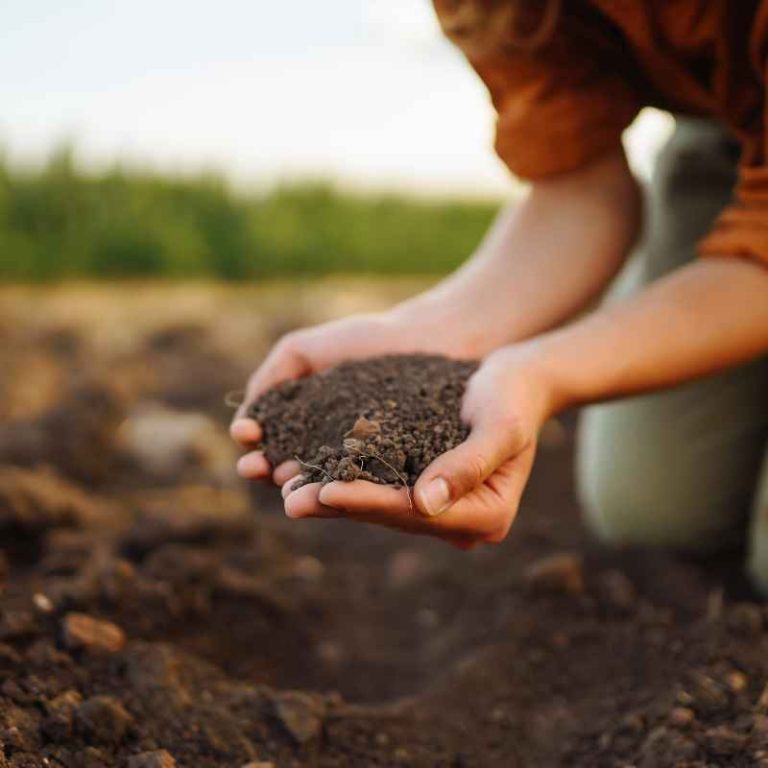
“Dirt” is what ends up on the floor. Soil is a living medium that supports roots, water movement, and soil organisms. I treat that difference as practical, because soil structure shifts with weather, foot traffic, and watering, while dirt is just loose residue.
How much of soil is minerals, organic matter, water, and air?
A common healthy-soil model is roughly half minerals, with smaller portions of organic matter, water, and air. Those numbers are a useful starting point, but they shift quickly after rain, irrigation, drought, or compaction because water and air move in and out of pore space.
One practical way to think about it is this: the mineral and organic solids are the more stable part, while water and air are the changing part. After a soaking rain, water takes over more pore space. During a dry spell, air takes over. After compaction, both can be squeezed out.
Why those percentages shift after rain, watering, or drought
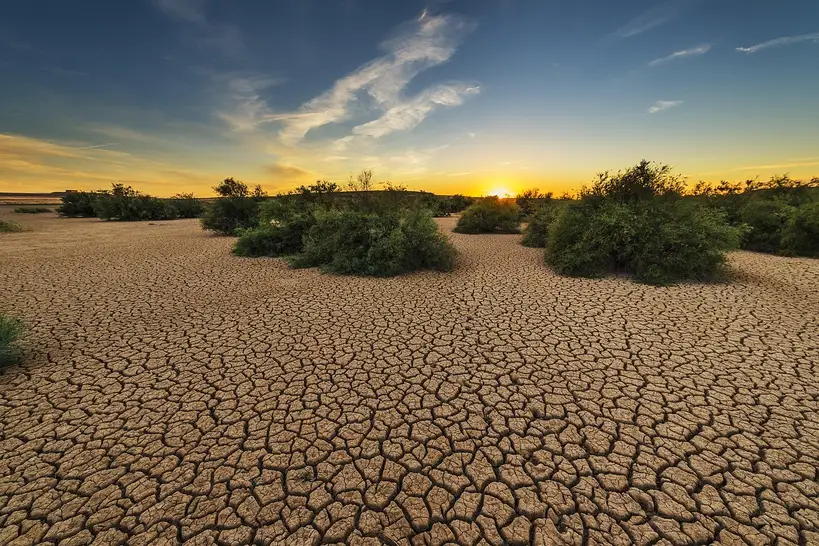
When the soil gets wet, water fills the pores first, especially the larger ones. That pushes air out and can reduce oxygen around roots. During drought, the reverse happens: water drains or evaporates, and pore space becomes mostly air, which can leave plants wilting even when the soil still feels hard.
What are the solid parts of soil?
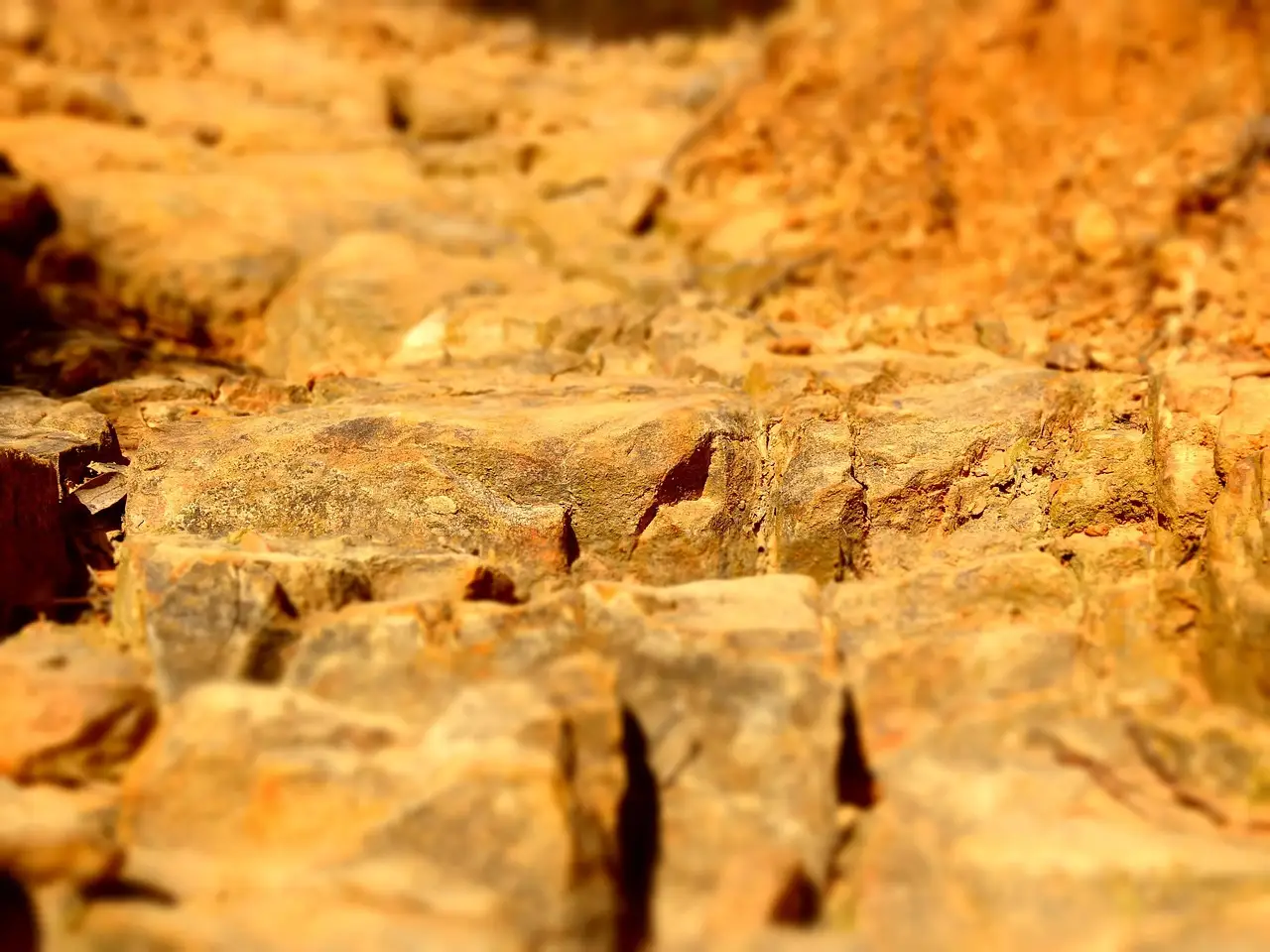
The solid parts are minerals and organic matter. Minerals come from weathered rock particles, while organic matter comes from decayed plant and animal material. In the classic model, minerals make up about 45% by volume and organic matter about 5% by volume.
Minerals: sand, silt, and clay
Minerals are not one thing. They are particle sizes. Sand particles are generally larger, silt is medium-sized, and clay is the smallest. Sand feels gritty and drains quickly. Silt feels smooth or floury and holds water better than sand. Clay feels sticky when wet and holds both water and nutrients tightly, but drains slowly.
These particles are also a source of nutrients such as potassium, calcium, magnesium, and iron. The size mix affects how the soil behaves, but it does not change what the soil is made of at the basic level.
Organic matter and humus
Organic matter is the decayed remains of plants and animals in the soil. It helps support plant growth and soil organisms. Humus is the stable, finished form inside organic matter. It is not the same thing as all organic matter, but it is the long-lasting part that improves fertility and water-holding.
That distinction matters. Fresh leaves, roots, and food scraps break down over time. Humus is what remains after much of that breakdown has already happened, and it behaves differently from undecomposed material.
What do water and air do in soil?
Water and air occupy pore space, meaning the spaces between soil particles. Water can dissolve minerals and nutrients and carry them in the soil solution to roots. Air fills the remaining pores and helps supply oxygen for roots and soil organisms. Roots need both moisture and oxygen, not one without the other.
Pore space and the soil solution
Pore space is the part of soil that is not solid. Large pores drain faster and refill with air sooner. Small pores hold more water for longer. When water dissolves nutrients, it becomes the soil solution, which is the medium roots use to absorb many of those nutrients.
This is why a soil can look wet and still be a poor root environment. If the pores are full of water for too long, oxygen drops. Roots slow down, and soil organisms that need air also struggle.
How does soil composition affect plant growth?
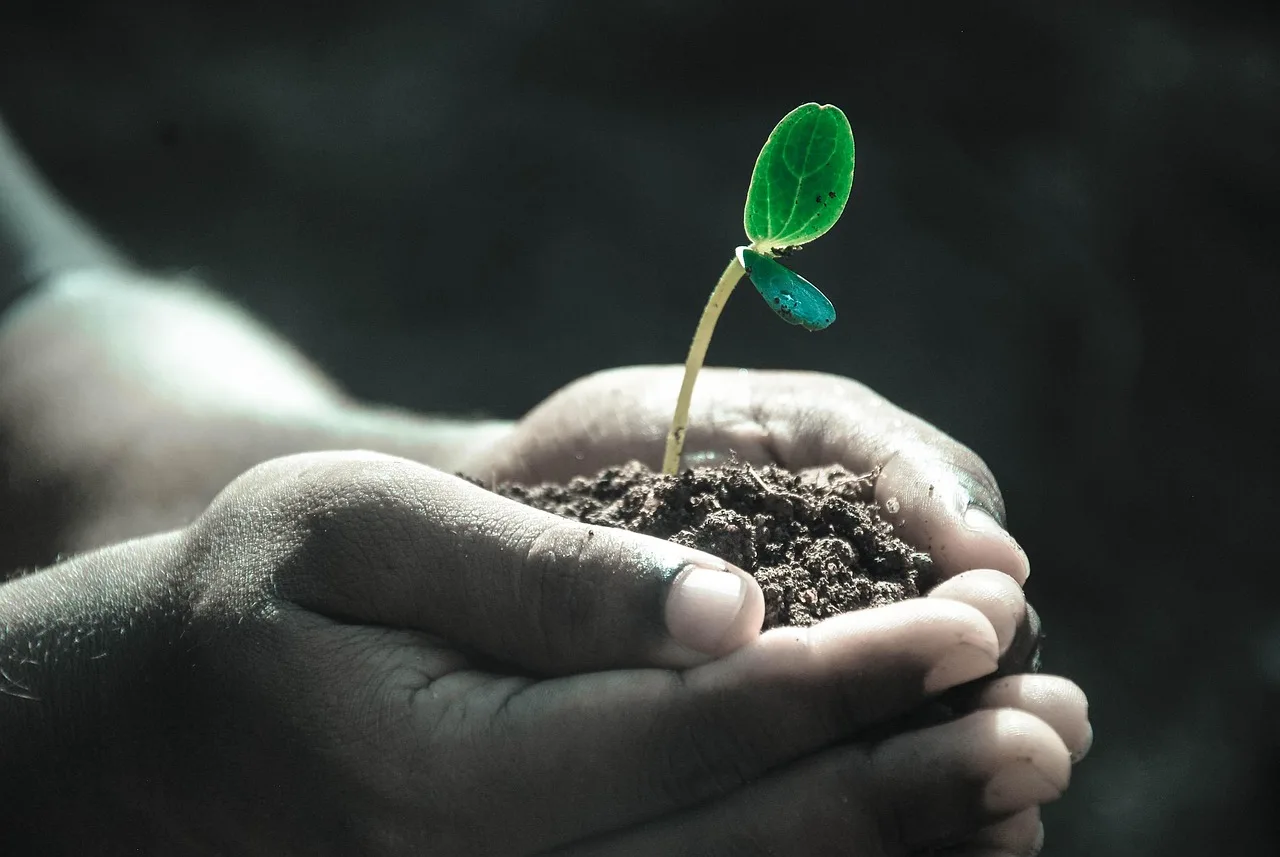
Soil composition affects drainage, nutrient holding, root growth, and oxygen supply. A good garden soil keeps enough water for plants but still leaves room for air. Loam is often the best balance for many plants because it mixes sand, silt, and clay in a way that gives both drainage and moisture retention.
Texture is not the same as composition
Soil texture means the relative amounts of sand, silt, and clay. Soil composition is broader and includes minerals, organic matter, water, and air. Gardeners often mix those up. A sandy soil can still contain decent organic matter, and a clay soil can still have good structure if pore space is protected.
Why loam often works well
Loam is a balanced mix that many garden plants prefer because it holds water without staying soggy, and it drains without drying out in a day. It gives roots room to move and keeps oxygen moving through the bed between waterings. Educational material often uses a roughly balanced example for loam, but the main point is balance rather than a rigid recipe.
What happens when soil gets compacted?
Compaction squeezes soil particles closer together, which reduces pore space. That lowers oxygen availability, slows drainage, and makes it harder for roots to spread. Foot traffic, repeated tilling in the wrong conditions, and heavy machinery are common causes of this problem in gardens and beds.
Signs of low oxygen and poor drainage
Compacted soil often stays wet too long after rain, forms a crust on the surface, and limits root depth. Plants may look hungry even when fertilizer is present, because roots are not working well in low-oxygen soil. In severe cases, leaves wilt, growth stalls, and water pools on top instead of soaking in.
Earthworms can help by creating tunnels that improve aeration and drainage, but they cannot fix a bed that is repeatedly pressed down. The soil needs open pore space to function well.
Why does soil change after rain or drought?
Soil changes after rain or drought because water and air move through pore space. After rain, pores fill with water and oxygen drops. During drought, water drains away or evaporates, so air dominates the pores. The solid part stays mostly the same, but the working balance changes fast.
Soil balance table: what changes after rain, watering, drought, and compaction
| Scenario | Water in pores | Air in pores | Root oxygen | Plain-language symptoms | What to look for |
|---|---|---|---|---|---|
| After heavy rain | Very high; pores are near full | Low until drainage starts | Often reduced | Roots may sit in soggy conditions | Puddles, muddy surface, slow drying, yellowing from stress |
| After irrigation | Moderate to high, depending on how much was applied | Moderate if the soil drains well | Usually adequate unless overwatered | Plants perk up if the root zone was dry | Water soaks in, but the bed does not stay waterlogged |
| During drought | Low | High | Usually adequate, but roots may still dry out | Plants wilt because water is missing | Dry, hard soil; cracking; leaves droop by midday |
| After compaction | Can stay high near the surface because drainage is slowed | Low | Reduced | Roots struggle in dense, tight soil | Footprints remain, crusting, shallow roots, standing water |
Frequently asked questions
What is the difference between soil and dirt?
Soil is a functioning mix of minerals, organic matter, water, and air that supports roots and soil life. Dirt is displaced soil, usually on a floor, tool, shoe, or pathway. Soil can be healthy or damaged. Dirt is simply material out of place.
What is humus in soil?
Humus is the stable, finished form of decomposed organic matter. It is darker, longer-lasting, and better at helping soil hold nutrients and moisture than fresh plant debris. It is part of organic matter, but not all organic matter is humus.
Why does soil need both water and air?
Roots need water to absorb nutrients and stay hydrated, but they also need oxygen to function. Water fills pore space after rain or irrigation, while air occupies the rest of the pores. If water stays too high for too long, oxygen drops and roots weaken.
How much of soil is minerals, organic matter, water, and air?
A common healthy-soil guide is about 45% minerals, 5% organic matter, 25% water, and 25% air. Those values shift with weather and watering because water and air share the pore space. The solid fraction changes much more slowly than the liquid and gas fractions.
What happens when soil gets compacted?
Compaction squeezes out pore space, which lowers air levels, slows drainage, and makes root growth harder. Water can sit on top instead of moving through, and roots may stay shallow. Foot traffic and heavy equipment are common causes, especially when soil is wet.
Why does soil change after rain or drought?
Rain fills pores with water and pushes air out. Drought does the opposite, leaving more air and less water in the root zone. The mineral and organic parts stay in place, but the balance of water and air changes quickly, which is why plant stress can appear so fast.