What Causes Alkaline Soil in Gardens?
Alkaline soil in gardens often comes from limestone or chalk geology, alkaline irrigation water, or human inputs such as concrete dust, lime, and ash; soil pH becomes alkaline at around 7.0 or higher. If you misread the cause, acid-loving plants keep yellowing, stalling, and failing to take up iron and other nutrients. This guide shows how to tell which source is driving your pH, then match it to the right fix.
What alkaline soil means
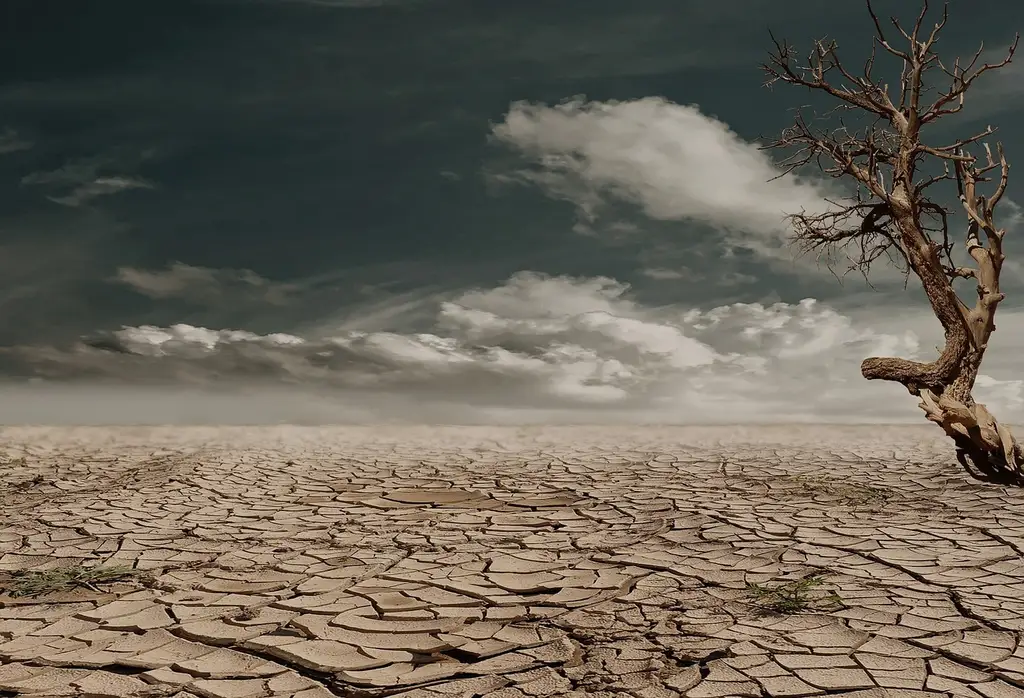


Alkaline soil has a pH above 7 on the soil pH scale, which runs from 0 to 14 with neutral in the middle. That matters because pH changes how plants take up nutrients. A soil can read alkaline and still be workable, but very high pH narrows what grows well.
Do not confuse this with true alkali, or sodic, soil. Sodium problems can damage soil structure and infiltration even when pH is part of the picture. pH alone does not explain every poor-growth problem.
Why pH above 7 matters for plants
At higher pH, iron and manganese become less available to roots. The usual sign is chlorosis: yellow leaves with greener veins, especially on newer growth. Plants may also stall, set smaller leaves, or lose flower quality even when watering and feeding look normal.
How do you tell if soil is alkaline?
Start with a pH test kit or a laboratory soil test. A visual guess is not enough, because poor drainage, root damage, overwatering, salt stress, and nutrient lockout can look similar. Test before you add sulfur, lime, or any other amendment.
Garden clues can point you in the right direction. Chalky soil often contains visible limestone or calcium carbonate, and limestone pieces may appear as white lumps in beds. BBC Gardeners’ World links alkaline soils to chalk or limestone-rich ground, and notes that these soils are often found on chalk downlands.
Symptoms that can mimic alkalinity
Yellowing leaves do not always mean high pH. Overwatered roots can also yellow, and a plant in a pot may show nutrient deficiency because the mix is exhausted, not because the soil is alkaline. If several plants fail in one strip of ground while nearby plants look fine, that pattern is more telling than a single sick specimen.
Alkaline soil cause map
This table separates the main sources of high pH from the fixes that actually fit them. Permanent causes point toward plant choice or limited correction. Reversible causes may respond to amendments, water changes, or better topsoil management.
| Cause | How to confirm it in the garden | Most realistic response | Treat or tolerate? |
|---|---|---|---|
| Chalk/limestone parent material | Soil is pale, stony, or full of white fragments; nearby wild or garden plants show the same high-pH pattern; pH test reads above 7. | Plant for the pH you have, or use targeted beds with imported soil and careful drainage control. | Tolerate in most of the site; treat only in small beds. |
| Hard water irrigation | Tap water leaves scale in kettles or on fixtures; the problem is worse in dry regions, containers, or beds watered heavily with tap water. | Use rainwater where possible, flush containers occasionally, and retest before adding acidifying products. | Treat if the bed is small; otherwise tolerate and choose suitable plants. |
| Softened water | Soil in pots or small beds keeps drifting off target after watering; growth problems continue even when fertilizer is adequate. | Avoid softened water on plants where the system adds sodium; switch to rainwater or bypassed tap water for irrigation. | Treat by changing water source, not by chasing pH alone. |
| Construction fill | One part of the garden is suddenly poor after building work; rubble, mortar, plaster, or imported subsoil is present. | Remove contaminated debris where possible, then rebuild the planting layer with tested topsoil and organic matter. | Treat in localized patches; tolerate only after rebuilding the bed. |
| Coastal salt influence | Windblown salt, spray, or saline dust affects exposed sites; leaves show scorch as well as yellowing, and sodium may be part of the issue. | Rinse salts where irrigation is possible, improve drainage, and separate pH correction from salt management. | Usually treat the salt issue first, then reassess pH. |
| Overuse of alkaline-forming materials | Lime, wood ash, cement dust, or similar materials were added repeatedly; pH climbs after each application. | Stop the source, retest, and use sulfur only if the soil test says it is worthwhile. | Treat if the input can stop; otherwise tolerate and replant. |
What to do next
- Test the soil pH in the affected area.
- Check whether the bed sits on chalk or limestone, or whether fill was added during building work.
- Review irrigation water, especially if the garden depends on hard water or softened water.
- Look for salt scorch, rubble, mortar dust, or white mineral fragments.
- Decide whether the cause can be removed, diluted, or only worked around with better plant choice.
Why geology raises pH
Chalky soil and limestone are often natural causes of alkaline soil. These parent materials contain calcium carbonate, and weathering releases calcium bicarbonate as water moves through them. That mineral chemistry keeps pushing pH upward over time, so the effect is built into the site.
These are the hardest causes to reverse. You can improve topsoil, but you cannot quickly change the rock beneath it. BBC Gardeners’ World links alkaline soils to chalk or limestone-rich ground, and Gardeners’ World says these soils are often found on chalk downlands.
What calcium carbonate and calcium bicarbonate mean for the bed
Calcium carbonate is a natural mineral source of alkalinity. In chalky ground, it can appear as visible limestone chips or white fragments. Calcium bicarbonate can form as mineral weathering continues, which helps keep the soil chemistry on the alkaline side even after rain.
Say your border keeps testing high every year, even after compost and fertilizer are added. That points more toward geology than a one-off mistake. In that case, the practical move is usually to grow alkaline-loving plants instead of trying to force the whole bed to behave like acid soil.
Can irrigation water make soil alkaline?
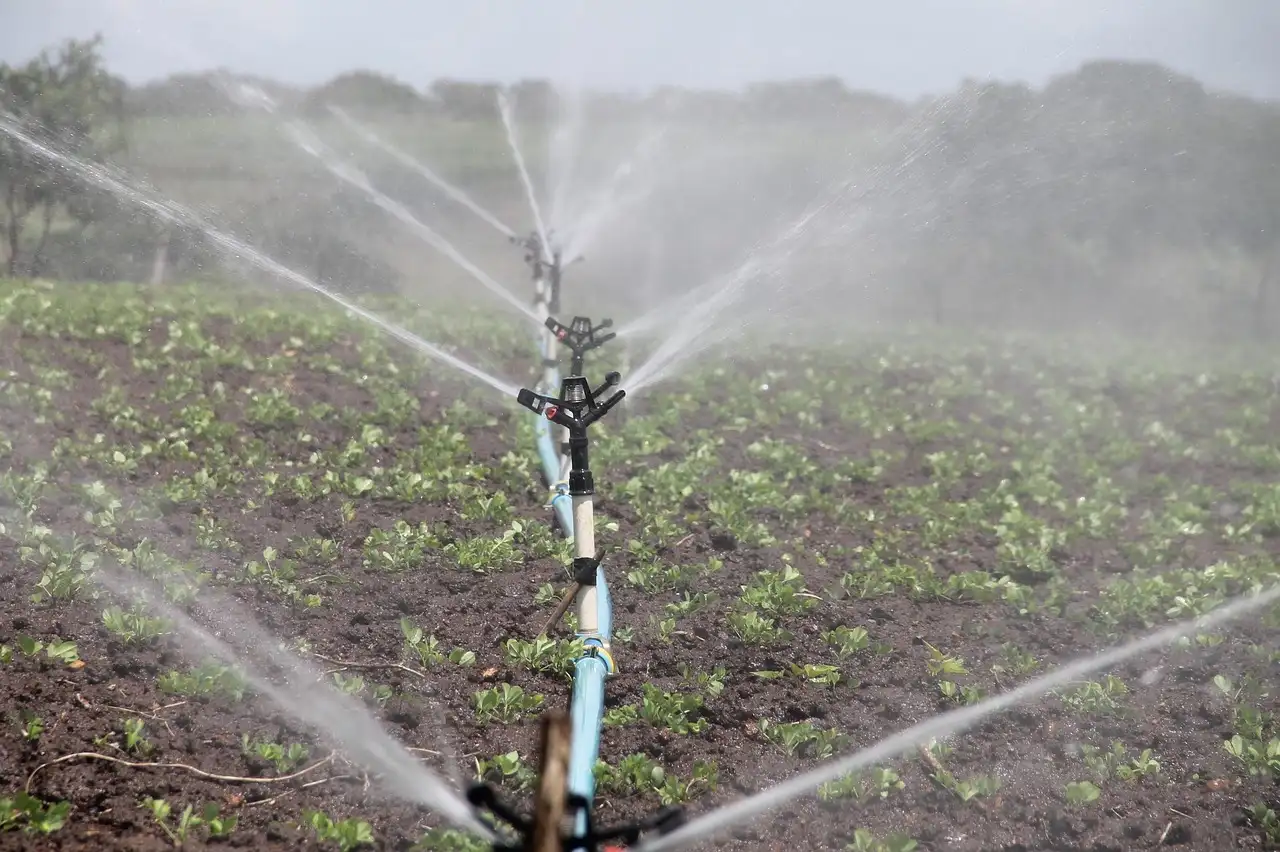
Yes. Hard water can increase the chances of alkaline soil because it carries dissolved minerals, often bicarbonates or carbonates, that add alkalinity over time. This matters most in arid regions, in raised beds, and in containers that receive the same water over and over.
Softened irrigation water can also be a problem if sodium is added during the softening process. That does not just alter pH; it can also hurt soil structure and plant health. MorningChores notes that hard water can increase the chances of alkaline soil and that soil in construction-affected areas often shifts after topsoil is replaced.
Why containers and small beds change faster
Containers have less buffering than in-ground soil. A small pot watered with hard water can drift upward in pH faster than a large border, and a bed fed with softened water may show trouble sooner than one receiving rain. That is why the same irrigation source can be mild in one place and serious in another.
Suppose a lemon tree in a 40-liter container starts yellowing while the in-ground herbs next to it stay green. The pot is the first place to check, because container soil usually reacts faster to repeated irrigation than an established border does.
Can construction and salt cause alkaline pockets?
Yes. Construction fill can create stubborn alkaline spots when topsoil is stripped, replaced, or mixed with rubble, mortar, or concrete dust. That type of disturbance may leave one corner of the garden much more alkaline than the rest.
Coastal salt influence can complicate diagnosis because sodium and bicarbonates may both be in play. Overuse of alkaline-forming materials, such as lime or wood ash, can do the same thing. In each case, the best fix depends on whether the source is still there.
What to watch for after building work
After construction, patchy growth often tracks the new soil line, not the old one. Beds may contain white fragments, gritty spoil, or compacted layers that shed water. If topsoil was replaced, retest the affected area rather than assuming the old pH still applies.
Organic matter, sulfur, and the right expectation
Organic matter improves structure and fertility, and it may gently lower pH over time. Compost, leaf mould, manure, and bark all help build a better root zone. On sandy soils, the RHS notes that adding organic matter can make soil more alkaline, so test rather than assume the direction will always be downward.
Sulfur is a common acidifying amendment for garden soil. The same source says it is one of the easiest ways to increase acidity, and common sulfur is the least expensive option but slower to work. Use it only after testing, follow the product label, and retest before repeating the treatment.
A common first-timer mistake is to throw sulfur at every yellow leaf. That wastes time if the problem is hard water, rubble, or poor drainage. It also misses the fact that soil texture and buffering change how much sulfur is needed and how long it takes to shift pH.
Is alkaline soil good for plants?
Some plants handle alkaline soil well, and some prefer it. BBC Gardeners’ World says alkaline-loving plants should replace lime-hating plants in alkaline soil. The right response is not always to push pH down; sometimes it is to choose the plants that already fit the site.
Most plants do better when pH stays near their preferred range, and MorningChores advises keeping alkaline levels no higher than 7.5 to 8 for most plants. If your test is above that and the crop is fussy, amending may be worth it. If the soil is naturally chalky, planting for pH is often smarter.
What grows in alkaline soil?
Alkaline-loving plants include many herbs, shrubs, and perennials that cope with calcium-rich soil. The exact list depends on climate and drainage, but the key point is simple: choose plants known to tolerate or prefer high pH rather than trying to force acid lovers into a site that fights them.
How do you reduce alkalinity in garden soil?
Use the mildest fix that fits the cause. If irrigation water is the driver, change the water source first. If the bed was contaminated by construction fill, remove the debris and rebuild the top layer. If the soil is naturally chalky or limestone-based, focus on plant choice and small, targeted improvements rather than trying to rewrite the whole site.
For beds that can be amended, sulfur and organic matter are the main tools. Elemental sulfur works slowly, so retesting is part of the process. Do not expect a single application to solve a limestone problem, and do not repeat treatment without a fresh pH check.
How do you correct alkaline soil?
Correction means different things in different gardens. In a small bed, you may lower pH enough for a wider plant list. In a chalky border or a hard-water region, you may only be able to shift the top layer a little. That is often enough for many ornamentals and vegetables, but not for acid-demanding plants.
If the cause is permanent, treat the bed as a high-pH site and plant accordingly. If the cause is reversible, fix the source, then retest. That order prevents wasted effort and avoids repeated applications that never match the real problem.
Frequently asked questions
What causes alkaline soil?
Most garden cases come from limestone or chalk geology, hard water irrigation, softened water, construction fill, coastal salt influence, or repeated use of lime, wood ash, and similar materials. The root cause matters because geology is long-term, while water and human inputs can sometimes be changed.
What makes soil alkaline?
Soil becomes alkaline when its pH rises above 7, often because calcium carbonate, calcium bicarbonate, or other alkaline inputs keep entering the root zone. A pH test kit or lab test tells you whether that shift is real, rather than guessing from leaf color alone.
What makes soil more alkaline?
Repeated watering with hard water, softened water, or irrigation rich in bicarbonates can push pH upward. Lime, cement dust, concrete rubble, and wood ash do the same. In sandy soils, added organic matter may not always move pH downward, so retesting is still the right move.
What makes soil acidic or alkaline?
Parent material, irrigation water, drainage, and added materials all move pH in one direction or the other. Limestone and chalk tend to raise pH, while sulfur and some organic amendments can lower it over time. Soil type and buffering decide how fast those changes show up.
How do I tell if my garden soil is alkaline?
Test the soil first. A pH above 7 points to alkalinity, and a lab test gives the most complete readout. Visual clues such as white fragments, chalky texture, or repeated iron chlorosis can support the diagnosis, but they should not replace an actual pH test.
How do I treat alkaline soil?
Treat the cause if you can: change irrigation water, remove rubble, or stop adding lime and ash. If the source is permanent, choose alkaline-loving plants. If the bed can be amended, sulfur and organic matter may help, but both work best when paired with retesting.