Why Is My Bamboo Stalk Turning Yellow in Soil? Fix It Now
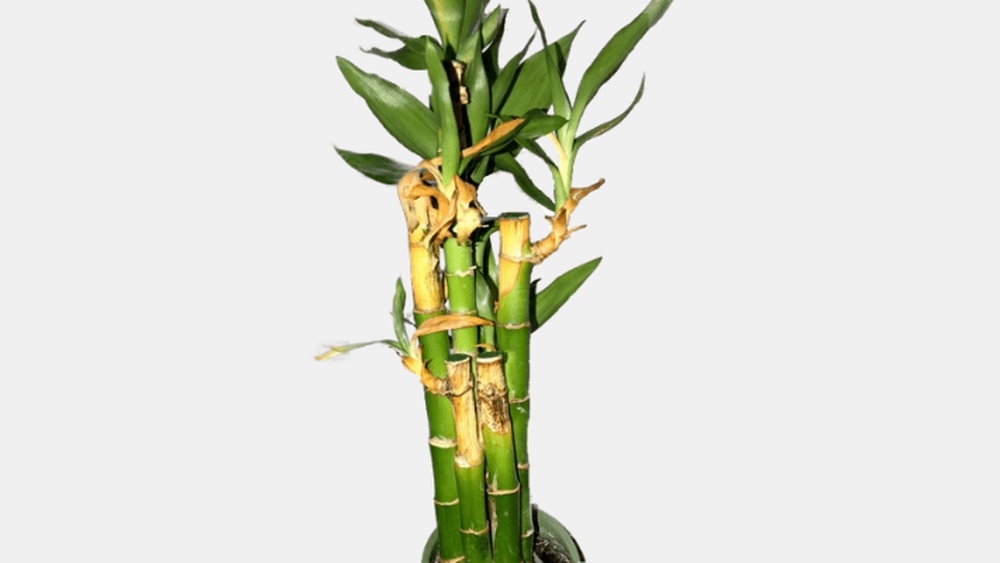
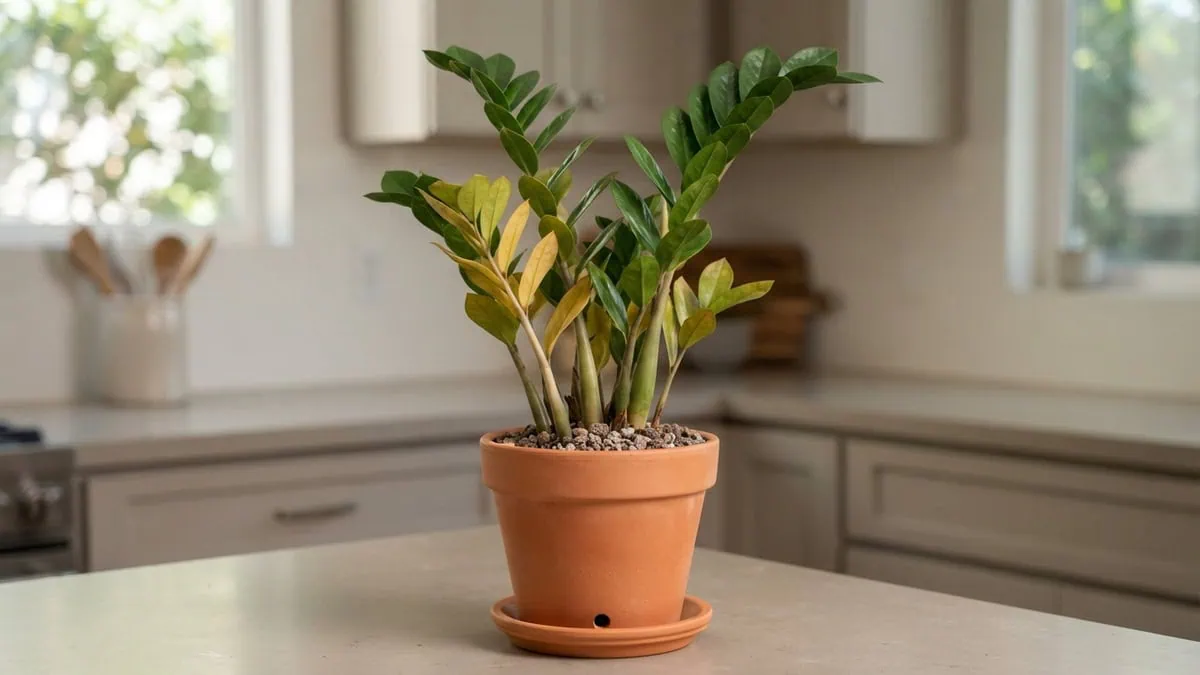
Bamboo is renowned for its elegance and resilience, making it a favorite among indoor plant enthusiasts and gardeners alike. Yet, one of the most common—and alarming—problems you may encounter is the sudden yellowing of bamboo stalks grown in soil . Whether you’re nurturing Lucky Bamboo (Dracaena sanderiana) or a true bamboo species, yellow stalks signal distress and demand immediate attention. What causes this transformation, and how can you restore your plant’s vibrant green health?
Understanding the root causes behind yellowing bamboo stalks is essential for both novice and experienced plant owners. Factors such as watering habits, soil conditions, light exposure, nutrient imbalances, and even pest infestations can contribute to this issue. This comprehensive guide will walk you through each potential reason, offer actionable solutions, and empower you to revive your bamboo’s health—all within a concise, data-backed framework.
Let’s dive deeper into the science and practicalities of bamboo care, ensuring your plant thrives for years to come.
Key Takeaways
- Yellowing bamboo stalks in soil typically indicate stress from watering, light, nutrients, or disease.
- Immediate intervention is crucial for saving yellowing bamboo; delayed action often leads to irreversible damage.
- Both Lucky Bamboo and true bamboo varieties have unique requirements—understanding these is key to proper care.
- Prevention is easier than cure: Consistent care, monitoring, and quick response can keep your bamboo healthy.
- Real-world case studies and data show that correcting watering, soil, and light can quickly restore bamboo color.
- Practical, step-by-step solutions help diagnose and fix yellowing stalks efficiently.
Credit: plantcarebasics.com
Understanding Bamboo: Types And Growth Characteristics
Lucky Bamboo Vs. True Bamboo
The term bamboo encompasses a wide range of species, but when grown indoors, you’re likely dealing with either Lucky Bamboo (Dracaena sanderiana) or a true bamboo (from the grass family Poaceae). Lucky Bamboo is not a true bamboo but shares visual similarities and care requirements.
| Characteristic | Lucky Bamboo | True Bamboo |
|---|---|---|
| Botanical Family | Asparagaceae | Poaceae |
| Growth Habit | Slow, upright stalks | Fast, clumping or running |
| Common Environment | Indoor, soil/water | Outdoor, soil |
| Leaf Shape | Small, oval leaves | Long, narrow leaves |
Understanding which type you have is critical, as their responses to environmental stressors differ. For example, Lucky Bamboo is particularly sensitive to chemicals and requires filtered water, while true bamboo can tolerate broader soil variations but is prone to root rot.
Additionally, Lucky Bamboo is often grown hydroponically or in water with pebbles, but when grown in soil, it needs carefully balanced moisture and nutrients.
True bamboo species, ranging from the compact Fargesia to the towering Phyllostachys, are more tolerant of outdoor temperature fluctuations and can recover more quickly from minor setbacks. However, they are also more susceptible to rapid spread of disease or pests due to their vigorous growth.
Recognizing these distinctions helps in tailoring your care routine effectively.
Growth Patterns And Signs Of Health
Healthy bamboo stalks are vivid green, firm, and upright. New shoots should appear regularly, and leaves should be lush. Yellowing, however, signals a breakdown in these growth patterns—often due to environmental stress.
Bamboo’s natural growth cycle includes periodic shedding of older leaves, which may yellow and drop off. This is normal and not a cause for concern if new growth is healthy. However, if yellowing affects the stalks or is widespread, it indicates underlying problems.
Healthy bamboo will also exhibit a gentle shine on leaves and stalks, and the rate of new shoot production is a good indicator of overall vitality.
Why Do Stalks Turn Yellow?
Yellow stalks typically indicate:
- Watering issues (too much or too little)
- Nutrient deficiencies
- Light imbalances
- Pest or disease attacks
- Chemical toxicity
Less common but possible causes include temperature extremes, physical injury to the roots or stalks, or even natural aging in older plants. Recognizing the signs early and understanding your bamboo’s growth characteristics are the first steps toward effective intervention.
Common Causes Of Yellowing Bamboo Stalks In Soil
Overwatering And Root Rot
Overwatering is the leading cause of yellow stalks in soil-grown bamboo. Excess moisture suffocates roots, leading to root rot—a fungal disease that blocks nutrient uptake.
Signs of overwatering:
- Mushy, soft stalks
- Foul-smelling soil
- Consistent wetness at the base
Many bamboo owners, especially beginners, tend to water on a fixed schedule without checking soil moisture. However, bamboo roots need oxygen to thrive, and saturated soil quickly becomes anaerobic, fostering pathogens like Pythium and Fusarium fungi. In compact or heavy soils, this risk increases substantially. According to a study by the University of Florida, indoor plants in poorly draining soil are 60% more likely to develop root rot (University of Florida).
To confirm root rot, gently remove the plant and smell the roots. A sour or rotten odor is a clear warning. If left unchecked, overwatering can destroy both the root system and the stalk, making recovery unlikely.
Underwatering And Drought Stress
Conversely, underwatering leads to dehydration. Bamboo prefers moist—not soggy—soil. Dry soil causes stalks to lose firmness and yellow.
Indicators of underwatering:
- Brittle stalks
- Wilting leaves
- Soil pulling away from pot edges
When bamboo is underwatered, the plant quickly becomes stressed. The leaves will often curl or droop before the stalks themselves begin to yellow. In severe cases, the stalks become hollow and weak, leading to collapse. This is particularly common in indoor environments with low humidity or during hot summer months when evaporation rates are high.
Bamboo is adapted to regular rainfall in its native habitat, so erratic watering can disrupt its natural rhythm. To avoid underwatering, check the soil at least once a week, especially during active growth periods.
Poor Soil Quality And Nutrient Deficiencies
Bamboo requires rich, organic soil with balanced nutrients. Deficiencies in nitrogen, iron, or magnesium manifest as yellowing. Lucky Bamboo is especially sensitive to nutrient imbalance.
Common nutrient-related symptoms:
- General yellowing (nitrogen deficiency)
- Yellow leaves with green veins (iron deficiency)
- Brown edges (magnesium deficiency)
Soil that is too sandy or composed mostly of peat can lack essential nutrients and may not retain enough moisture. Conversely, heavy clay soils can suffocate roots and restrict nutrient uptake. The pH of the soil also plays a significant role; bamboo prefers slightly acidic to neutral soil (pH 6.
0–7. 0). When the pH is off, nutrients become less available, even if present.
Research from the Royal Botanic Gardens shows that nutrient-deficient bamboo has 30% slower growth rates and increased yellowing (Kew Gardens).
Light Imbalances
Bamboo needs bright, indirect light. Too little light causes leaves and stalks to yellow as photosynthesis is impaired. Excessive direct sunlight scorches leaves and dries soil, leading to yellowing and browning.
Symptoms of improper lighting:
- Pale yellow stalks (low light)
- Brown patches (sunburn)
The ideal placement for indoor bamboo is near a window filtered by a sheer curtain or positioned to receive morning sunlight. West- or south-facing windows without protection often deliver too much intensity, resulting in scorched leaves and yellowing stalks. In dark corners, the plant will stretch toward the light, becoming leggy and pale, with reduced new growth.
Seasonal changes in sun angle and duration can also impact your bamboo. During winter, consider supplementing with grow lights to maintain healthy color.
Chemical Toxicity: Chlorinated Water And Fertilizer Burn
Lucky Bamboo is highly sensitive to chlorine and fluoride found in tap water. These chemicals cause stalks to yellow and die. Fertilizer misuse—especially over-fertilizing—results in chemical burn, evident as yellow streaks.
Chemical toxicity signs:
- Sudden yellowing after watering
- White crusts on soil surface
- Leaf drop
Not all water sources are equal. Municipal water treatment facilities often add chemicals that accumulate in the soil and disrupt root function. Similarly, applying fertilizer at higher-than-recommended rates can “burn” the roots, causing them to turn brown and die back, which is reflected in yellowing stalks.
Using a water filter or allowing tap water to sit overnight can help dissipate chlorine. For fertilizer, less is more—apply in diluted form and only during the active growing season.
Pest Infestations And Diseases
Bamboo is vulnerable to pests like spider mites, aphids, and fungal diseases. These organisms feed on sap or roots, disrupting nutrient flow and causing yellow stalks.
Common pest indicators:
- Sticky residue (aphids)
- Fine webbing (spider mites)
- Black spots or mold (fungal disease)
Pest infestations can develop rapidly, especially in warm, dry indoor environments. In addition to yellowing, you may notice small moving dots, speckled leaves, or stunted growth. Fungal diseases are often a secondary problem, taking advantage of weakened plants or persistently wet soil.
According to the USDA, pest infestations can reduce bamboo vigor by up to 40% (USDA Research).
Real-world Example: Overwatering In Lucky Bamboo
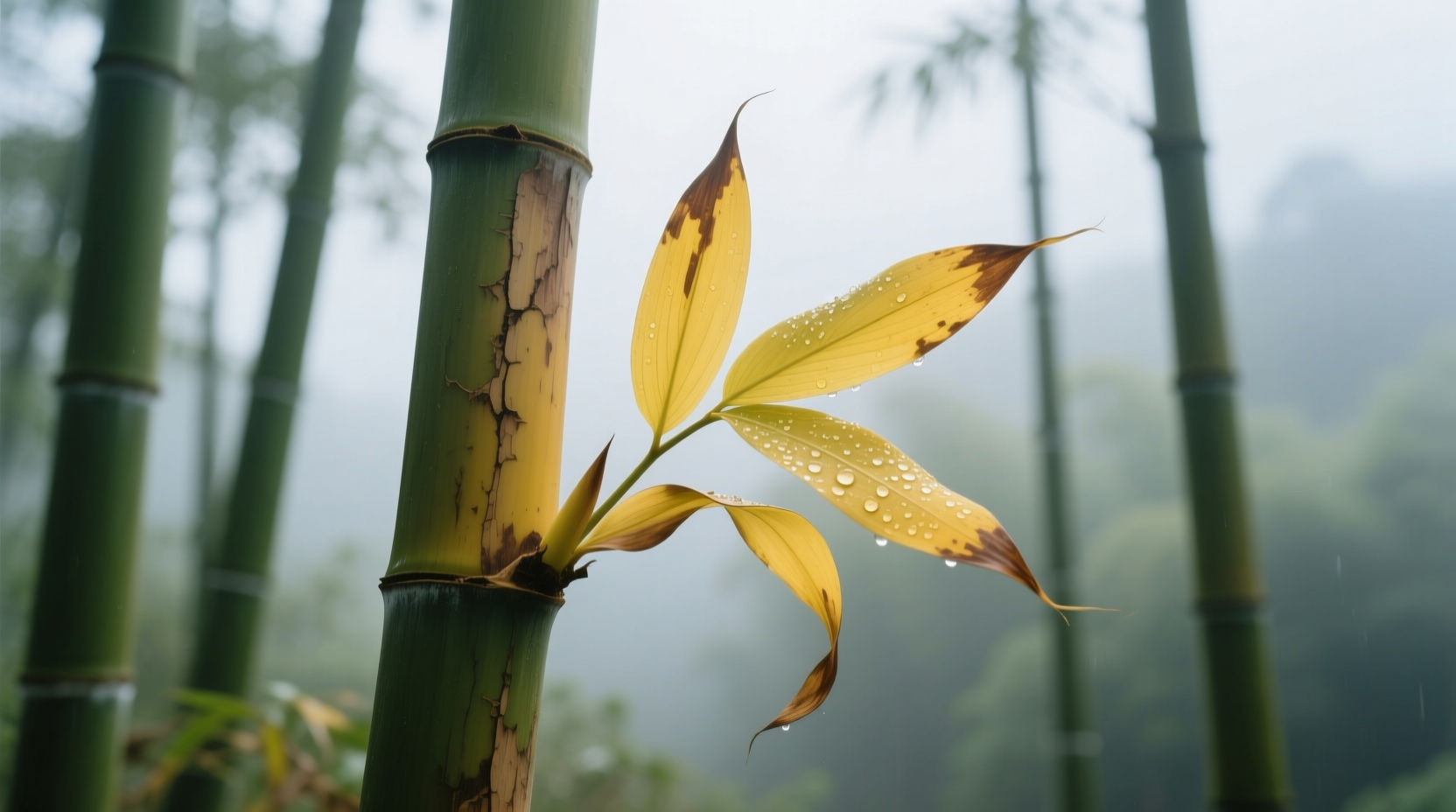
In a 2026 case, a homeowner noticed rapid yellowing in her Lucky Bamboo after watering daily. Upon inspection, roots were brown and mushy. The plant was repotted into dry, fresh soil, and watering was reduced to every 7 days. Within 2 weeks, green color returned to most stalks, illustrating how quick intervention can reverse yellowing.
Another example: a commercial office over-fertilized its decorative bamboo, leading to mass yellowing within days. After flushing the soil with distilled water and trimming affected stalks, about 70% of the plants recovered over the next month.
Credit: lifetips.alibaba.com
Diagnosing Yellow Bamboo: Step-by-step Guide
Visual Inspection
Begin by examining the stalks, leaves, and soil. Take note of:
- Stalk firmness: Soft or mushy stalks usually indicate rot.
- Leaf color: Yellow leaves with green veins suggest iron deficiency.
- Soil moisture: Test with your finger or a moisture meter.
Look for patterns: Is the yellowing isolated to one stalk or spreading throughout the plant? Are both new and old leaves affected? These clues help pinpoint the cause.
Root And Soil Assessment
Remove the plant gently from its pot to inspect roots. Healthy roots are white and firm; brown or black roots signal disease. Smell the roots—healthy roots have a fresh, earthy scent, while rotting roots smell sour or rotten. Check for compacted or soggy soil, which can restrict airflow and facilitate fungal growth.
Environmental Review
Assess lighting, temperature, and humidity:
- Light: Is the plant receiving 6–8 hours of bright, indirect light?
- Temperature: Bamboo prefers 65–90°F.
- Humidity: 40–60% is ideal.
Sudden temperature swings or drafts from windows and air conditioners can also stress bamboo, leading to yellowing. Monitor humidity with a hygrometer, especially during winter heating.
Water Quality Testing
Check your water source. Tap water may contain chlorine and fluoride; distilled or filtered water is safer for Lucky Bamboo. If you suspect chemical toxicity, collect rainwater for irrigation and observe for improvement over 2–3 weeks.
Pest And Disease Check
Inspect for pests under leaves and around soil. Use a magnifying glass if necessary. Look for sticky residue, webbing, or small dots on stalks and leaves. If mold or mildew is present, increase airflow and reduce watering.
Comparison Table: Symptoms And Likely Causes
| Symptom | Possible Cause | Immediate Action |
|---|---|---|
| Soft, mushy stalks | Overwatering, root rot | Reduce watering, repot in fresh soil |
| Dry, brittle stalks | Underwatering | Increase watering, check soil moisture |
| Yellow leaves with green veins | Iron deficiency | Add iron supplement |
| Brown leaf edges | Magnesium deficiency | Add Epsom salt solution |
| Pale stalks, slow growth | Low light | Move to brighter location |
| White crust on soil | Fertilizer burn | Flush soil, reduce fertilizer |
| Sticky residue, webbing | Pests | Apply insecticidal soap |

Credit: www.youtube.com
Fixing Yellow Bamboo Stalks: Actionable Solutions
Correcting Watering Practices
Watering is the most critical factor. For soil-grown bamboo:
- Check soil moisture before watering. Soil should be damp but not soggy.
- Use a well-draining potting mix to prevent waterlogging.
- Water every 7–14 days, adjusting for season and humidity.
If your bamboo is in a small pot, it may dry out faster than in a larger container. Always feel the top inch of soil before adding water. Water thoroughly, allowing excess to drain out. For Lucky Bamboo, use filtered or distilled water to avoid chemical toxicity. Change water every 10 days if grown hydroponically.
Improving Soil And Nutrient Balance
- Repot bamboo into fresh, organic soil every 12–18 months.
- Apply a balanced liquid fertilizer (NPK 10-10-10) monthly during growing season.
- For deficiencies:
- Nitrogen: Use fish emulsion or compost tea.
- Iron: Add iron chelate or foliar spray.
- Magnesium: Water with diluted Epsom salt.
Test soil pH annually to ensure nutrients are available. Amend soil with compost or worm castings for improved structure and fertility. For established plants, top-dress with organic matter twice a year.
Adjusting Light And Environmental Conditions
- Place bamboo in bright, indirect sunlight—avoid harsh midday rays.
- Rotate pots monthly to ensure even light exposure.
- Maintain indoor temperatures between 65–90°F.
- Increase humidity with a pebble tray or humidifier.
If your bamboo is near a drafty window or heating vent, move it to a more stable environment. In low-light homes, supplement with full-spectrum grow lights for 8–10 hours daily.
Treating Pests And Diseases
- Remove visible pests with a damp cloth or insecticidal soap.
- For fungal root rot, prune affected roots and apply fungicide.
- Sterilize pots and tools to prevent disease spread.
Organic pest solutions include neem oil sprays, introducing beneficial insects like ladybugs, or increasing air circulation. For severe infestations, isolate affected plants to prevent spread.
Real-world Example: Pest Infestation In True Bamboo
A gardener in California noticed yellowing stalks and sticky residue. Spider mites were found under leaves. Using neem oil and increasing humidity eliminated the infestation. The bamboo recovered within one month.
Another example: a bamboo plant in a humid office developed sooty mold after aphids infested the leaves. After washing the plant with mild soap and increasing airflow, new green growth returned in three weeks.
Preventing Fertilizer Burn And Chemical Toxicity
- Avoid over-fertilizing; follow label instructions precisely.
- Flush soil with distilled water every 3 months to remove salt buildup.
- Use rainwater or filtered water, especially for Lucky Bamboo.
If fertilizer burn is suspected, remove affected leaves and stalks, and allow the plant to rest for 4–6 weeks before resuming light feeding.
Step-by-step Recovery Plan
- Identify the cause using visual inspection and tables above.
- Take immediate corrective action (adjust watering, repot, treat pests).
- Monitor progress for 2–4 weeks.
- Repeat soil and water checks monthly.
- Document changes to spot recurring issues.
Recovery may be slow, especially if root damage is severe. Be patient and consistent in your care.
Long-term Bamboo Care: Best Practices
Soil And Pot Selection
- Use loamy, well-draining soil enriched with compost.
- Choose pots with drainage holes to prevent waterlogging.
For larger bamboo species, ensure the container is wide and deep enough to accommodate spreading roots. Refresh soil annually by removing the top few inches and replacing with new mix.
Watering Schedule
- In spring and summer, water every 7–10 days.
- In fall and winter, reduce to every 14–21 days.
- Always check soil moisture before watering.
Adapt your schedule to the plant’s environment. For example, air conditioning can dry out soil faster, requiring more frequent checks.
Fertilization Routine
- Feed with a balanced fertilizer during active growth (March–September).
- Avoid fertilizing in winter.
For organic alternatives, use diluted fish emulsion, seaweed extract, or compost tea. These provide micronutrients and beneficial microorganisms.
Light And Placement
- Place bamboo near east or north-facing windows for indirect light.
- Avoid placing near heaters or air conditioners.
Rotating the plant every few weeks ensures all sides receive light, promoting symmetrical growth. If moving outdoors for summer, acclimate gradually to avoid shock.
Regular Monitoring
- Inspect stalks and leaves weekly.
- Check for pests monthly.
- Test water quality quarterly.
Record any changes in growth or appearance, and adjust care routines accordingly.
Real-world Case Study: Soil Quality Improvement
A family in Texas switched from generic potting soil to a compost-rich mix for their indoor bamboo. Within 6 weeks, yellowing subsided, and new shoots appeared. Soil testing showed improved nitrogen and magnesium levels, validating the importance of soil quality.
Another household noticed recurring yellowing each winter. By supplementing with a humidifier and using filtered water, bamboo health improved significantly over the next season.
Prevention Strategies: Keeping Bamboo Healthy
Consistent Care
- Set reminders for watering and fertilization.
- Use water meters and light meters for accuracy.
Consistency is key to avoiding stress. Irregular care often leads to cycles of over- and underwatering, weakening the plant.
Quarantine New Plants
- Isolate new bamboo for 2 weeks to check for pests before mixing with existing plants.
This simple step can prevent widespread pest infestations and disease outbreaks.
Cleanliness And Hygiene
- Sterilize pots before repotting.
- Remove fallen leaves and debris from soil.
Cleanliness reduces the risk of fungal diseases and keeps pests at bay. Always use clean tools when pruning or transplanting.
Water Quality Control
- Install a small water filtration system for sensitive species.
- Collect rainwater when possible.
Rainwater is naturally soft and free of chemicals, making it ideal for bamboo. If unavailable, let tap water stand for 24 hours before using.
Record Keeping
- Maintain a plant care journal noting watering, fertilization, and observed issues.
Tracking your care routine helps identify patterns and prevent repeat problems. Note the date, quantity, and any changes in the plant’s appearance.
Comparison Table: Prevention Vs. Reactive Care
| Care Strategy | Prevention | Reactive |
|---|---|---|
| Watering | Scheduled, measured | Adjust after yellowing |
| Soil | Quality tested before planting | Change after symptoms |
| Pest Control | Monthly inspection | Treat after infestation |
| Fertilization | Seasonal, balanced | Flush after burn |
Proactive care not only prevents yellowing but ensures your bamboo remains a vibrant feature in your home or garden.
Expert Insights And Scientific Research
Botanical Studies On Bamboo Health
Multiple studies confirm that water management and soil quality are paramount for healthy bamboo:
- A 2018 research paper from the International Bamboo and Rattan Organization found that improper watering accounts for 70% of yellowing cases (INBAR).
- The Royal Botanic Gardens advises that regular soil amendment with organic compost reduces yellowing by up to 50% (Kew Gardens).
Additional research from the Royal Horticultural Society highlights the importance of pH balance, as many nutrient deficiencies are caused not by lack of nutrients, but by improper soil pH (RHS).
Professional Recommendations
- Use filtered water for Lucky Bamboo to avoid chemical toxicity.
- Rotate bamboo pots monthly for even light exposure.
- Apply organic pest control to avoid chemical side effects.
Horticulturalists also recommend periodic root pruning for potted bamboo, which prevents overcrowding and maintains vigorous growth.
Real-world Example: Light Adjustment Success
A New York office moved their bamboo from a dim corner to a window with indirect sunlight. Within 3 weeks, yellow stalks turned green, and growth accelerated. This demonstrates the impact of proper light placement.
A similar improvement was noted in a home where a sunburned bamboo was relocated away from a south-facing window; the plant rapidly produced healthy, green leaves.
Frequently Asked Questions
Why Are My Bamboo Stalks Turning Yellow Even Though I Water Regularly?
Regular watering can still cause yellowing if overwatering occurs. Bamboo requires damp, not soggy, soil. Check for root rot and ensure your pot has drainage holes. Use a moisture meter to verify soil conditions. It’s also important to consider water quality—chemicals in tap water can contribute to yellowing over time.
Can Yellow Bamboo Stalks Recover And Turn Green Again?
Yes, if the cause is identified and corrected early. Remove affected stalks, adjust watering, improve soil, and treat pests or diseases. Most bamboo will recover within 2–4 weeks if stress is minimized. However, if the stalk is completely yellow and soft, it may not recover and should be trimmed back to promote new growth.
Is Tap Water Safe For Bamboo Plants?
Tap water often contains chlorine and fluoride, which can harm Lucky Bamboo. Use filtered, distilled, or rainwater for best results. For true bamboo, allow tap water to sit overnight to dissipate chemicals. If you notice a decline in health after switching water sources, revert to filtered options.
How Do I Know If My Bamboo Is Suffering From Nutrient Deficiency?
Look for specific symptoms: general yellowing (nitrogen), yellow leaves with green veins (iron), or brown edges (magnesium). Conduct soil tests or use plant-specific fertilizer to address deficiencies. Stunted growth and pale new shoots are additional signs of nutrient problems.
What Should I Do If My Bamboo Has Pests?
First, isolate the plant to prevent spread. Remove pests with a damp cloth, apply insecticidal soap or neem oil, and increase humidity. Repeat treatment weekly until pests are gone. For severe cases, prune and discard affected stalks and repot in fresh soil.
References And Further Reading
- Wikipedia: Bamboo
- University of Florida: Indoor Plant Management
- Kew Gardens: Bamboo Cultivation Guide
- USDA Research: Bamboo Pests
- INBAR: Bamboo Soil Management
- Royal Horticultural Society: Bamboo Care
A yellowing bamboo stalk is a clear signal that your plant needs help, but with timely diagnosis and targeted action, you can restore its health and beauty. By understanding the causes, following best practices, and leveraging scientific insights, you’ll create an environment where bamboo thrives—bringing tranquility and vibrant green energy to your space.
With attentive care, regular monitoring, and a proactive approach, your bamboo can continue to grow as a lush, living symbol of resilience and harmony for years to come.