Why Are Floodplain Soils Particularly Fertile? Science Explained
Floodplains have fascinated scientists, farmers, and civilizations for centuries. These dynamic landscapes, shaped by the rhythmic rise and fall of rivers, have given birth to some of the world’s most productive agricultural regions. From the ancient Nile Valley to the sprawling floodplains of the Mississippi, societies have gravitated toward these zones, reaping the rewards of their exceptionally fertile soils.
But what is it about floodplain soils that makes them so uniquely fertile? The answer lies in the interplay of geology, hydrology, biology, and time—a complex but fascinating convergence of natural processes.
Today, understanding the science of floodplain fertility is more important than ever. As the global population grows and climate change alters rainfall patterns, the management and preservation of these soils become vital for food security and environmental resilience. Whether you’re a farmer, environmental scientist, or simply curious about the wonders of nature, uncovering the secrets behind floodplain fertility offers insights into both our past and our future.
Key Takeaways
- Floodplain soils are highly fertile due to the regular deposition of nutrient-rich sediments during floods.
- Physical, chemical, and biological processes combine to enhance soil structure, nutrient content, and water retention.
- Major civilizations have flourished on floodplains, utilizing their productivity for agriculture and settlement.
- Floodplain management is crucial for sustainability, balancing agricultural use with ecological conservation.
- Climate change and human interventions pose both challenges and opportunities for the future of floodplain soils.

Credit: www.researchgate.net
The Science Of Floodplain Formation
Floodplains are the low-lying areas adjacent to rivers and streams that are subject to periodic flooding. Their formation and ongoing transformation are the result of geomorphological processes that shape the land and influence soil characteristics.
Sediment Deposition And Alluvial Processes
Floodplains are primarily composed of alluvium—loose, unconsolidated sediments like silt, sand, clay, and gravel. During floods, rivers overflow their banks, spreading water and sediments across the floodplain. As the floodwaters slow, heavier particles settle first, followed by finer silts and clays. This process, called overbank deposition, plays a critical role in soil rejuvenation.
The frequency and intensity of flooding affect sediment deposition rates. According to the U.S. Geological Survey, some floodplains may accumulate several millimeters of new sediment annually, while others may see more dramatic changes after major flood events.
Soil Layering And Stratigraphy
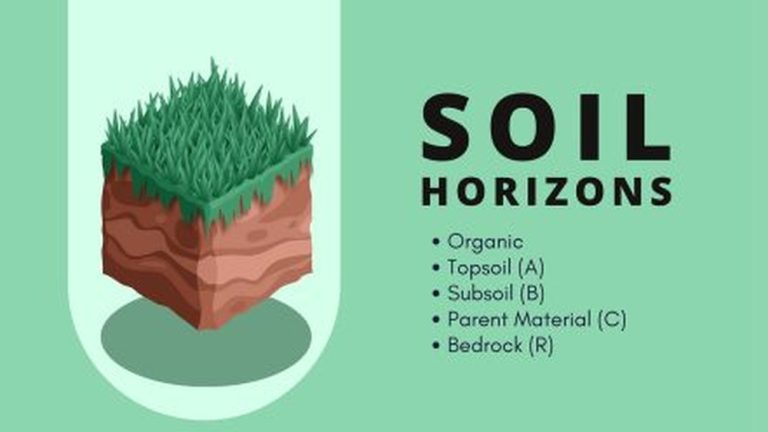
Floodplain soils often exhibit distinct horizons or layers. The uppermost layers tend to be rich in organic matter and fine particles, contributing to high fertility. Deeper layers may contain coarser materials or older sediments, reflecting the floodplain’s dynamic history.
Soil scientists use stratigraphic analysis to study these layers, revealing past flood events, changes in river courses, and historical land use. This layered structure is not only a record of geological processes but also a key factor in the soils’ nutrient dynamics and water retention.
Interaction Of Water Table And Soil Formation
Floodplains typically have a shallow water table due to their proximity to rivers. This influences soil moisture, drainage, and the types of vegetation that can thrive. Waterlogged conditions may lead to the formation of gleysols—soils characterized by grayish colors due to reduced iron compounds.
The interplay between surface water and groundwater also enhances the movement of nutrients and organic matter, supporting diverse biological activity and further enriching the soil.
Why Are Floodplain Soils So Fertile? Core Factors Explained
The extraordinary fertility of floodplain soils arises from a combination of physical, chemical, and biological factors. Let’s break down these factors to understand their individual and collective impact.
Regular Nutrient Renewal
Unlike upland soils, which can suffer from nutrient depletion over time, floodplain soils receive regular infusions of fresh nutrients. Each flood event brings a new layer of sediment, often containing:
- Nitrogen, essential for plant growth
- Phosphorus, critical for energy transfer in plants
- Potassium, vital for enzyme activation and water regulation
- Micronutrients like iron, zinc, and copper
This continuous nutrient cycling ensures that floodplain soils rarely become depleted, maintaining high productivity even with intensive agriculture.
Organic Matter Accumulation
Floodplains are hotspots for the accumulation of organic matter. Floodwaters often carry decaying plant material, animal remains, and microbial biomass, all of which settle and decompose in the soil. High organic matter improves:
- Soil structure (aggregation, porosity)
- Water-holding capacity
- Cation exchange capacity (nutrient retention)
- Microbial activity
This organic richness supports not only crops but also a diverse ecosystem of soil organisms, from earthworms to beneficial fungi.
Fine Particle Content And Soil Texture
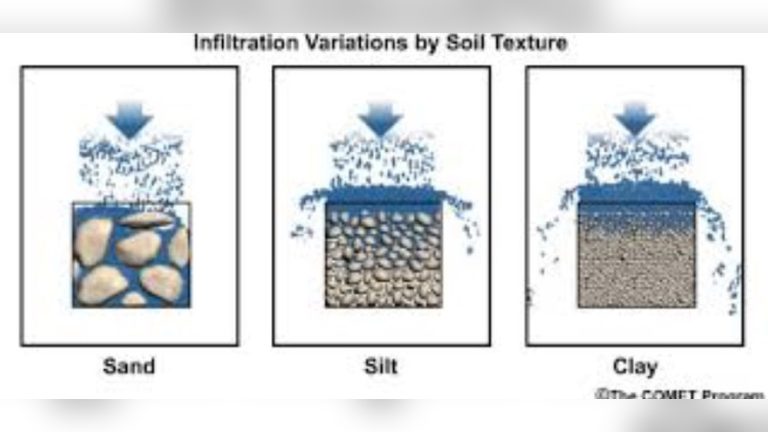
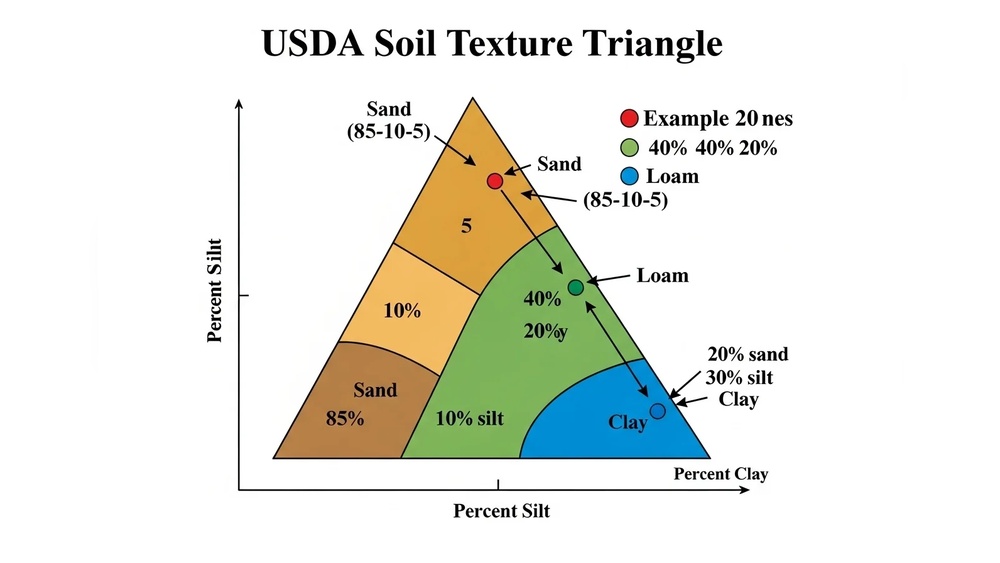
Floodplain soils typically have a high proportion of silt and clay. These fine particles create a loamy texture—the ideal balance of sand, silt, and clay for agriculture. Loamy soils offer:
- Excellent moisture retention
- Good drainage and aeration
- High fertility due to increased surface area for nutrient exchange
The following table compares the texture of floodplain soils to other common soil types:
| Soil Type | Sand (%) | Silt (%) | Clay (%) | Fertility Level |
|---|---|---|---|---|
| Floodplain (Alluvial) | 20–40 | 40–60 | 15–25 | Very High |
| Sandy Upland | 70–90 | 5–20 | 5–10 | Low |
| Clay Soil | 10–20 | 20–30 | 50–60 | Medium |
High Microbial And Biological Activity
Floodplain soils are teeming with soil microbes and fauna. The regular input of organic matter, combined with moist conditions, creates a thriving environment for bacteria, fungi, and invertebrates. These organisms:
- Decompose organic material, releasing nutrients
- Improve soil structure through bioturbation
- Suppress soil-borne diseases
A study by the Nature Publishing Group found that microbial biomass in floodplain soils can be up to three times higher than in adjacent upland soils.
Natural Ph Buffering
Floodplain soils often have a neutral to slightly alkaline pH due to the mixing of minerals and organic matter. This pH range is optimal for most crops and enhances nutrient availability.
In contrast, upland soils can become acidic over time, especially with heavy rainfall and leaching—limiting plant growth unless amended with lime or other treatments.

Credit: earthjournalism.net
Floodplain Soils In History And Modern Agriculture
The fertility of floodplain soils has shaped human history, driving the rise of civilizations and supporting modern agriculture. Let’s explore some iconic examples and current practices.
Cradles Of Civilization: The Nile, Tigris-euphrates, And Indus
Some of the earliest civilizations emerged on fertile floodplains, including:
- Ancient Egypt on the Nile: The annual Nile floods deposited rich black silt, allowing Egyptians to cultivate wheat, flax, and vegetables. The phrase “Gift of the Nile” reflects this vital connection (Wikipedia: Floodplain).
- Mesopotamia (Tigris-Euphrates): The alluvial soils of modern-day Iraq supported intensive agriculture and the growth of cities like Babylon and Ur.
- Indus Valley Civilization: Seasonal flooding replenished soils, supporting large urban centers such as Mohenjo-Daro and Harappa.
Modern Agricultural Hubs On Floodplains
Today, floodplain soils continue to underpin some of the world’s most productive regions:
- Mississippi River Valley (USA): Known as the “Corn Belt,” this area produces vast quantities of corn, soybeans, and cotton due to its rich alluvial soils.
- Ganges-Brahmaputra Delta (India and Bangladesh): One of the most densely populated and agriculturally productive regions on earth, thanks to regular sediment deposition.
- Yangtze and Yellow River Basins (China): These floodplains are critical for rice, wheat, and vegetable production.
Case Study: The Nile’s Fertile Floods
For thousands of years, Egyptian farmers relied on the Nile’s annual inundation to fertilize their fields. The river’s floods deposited a layer of nutrient-rich silt, transforming the desert into a green oasis. With the construction of the Aswan High Dam in the 1960s, flooding was controlled, but farmers now rely on chemical fertilizers to maintain productivity—a striking example of how floodplain management impacts soil fertility.
Case Study: Mississippi River Floodplain Agriculture
The Lower Mississippi Alluvial Valley is a key agricultural zone in the United States. Farmers here grow millions of acres of soybeans, rice, and cotton. Research from the USDA Economic Research Service shows that yields on alluvial soils can be 20–30% higher than those on nearby upland soils, highlighting the economic value of floodplain fertility.
Case Study: The Ganges-brahmaputra Delta
Home to over 200 million people, the Ganges-Brahmaputra Delta is sustained by annual sediment flows that replenish soil nutrients. Smallholder farmers grow rice, jute, and vegetables, often harvesting multiple crops per year due to the abundant fertility. However, this region also faces challenges from flooding, salinity intrusion, and land subsidence.

Credit: www.mekongeye.com
Physical And Chemical Properties Of Floodplain Soils
To understand why these soils are so productive, it’s essential to examine their physical and chemical properties in detail.
Soil Texture And Structure
Floodplain soils are typically loams—a balance of sand, silt, and clay. Their well-developed structure provides:
- Good drainage during dry periods
- Moisture retention during drought
- Excellent root penetration and aeration
These qualities make floodplain soils ideal for a wide range of crops.
Nutrient Content And Availability
The nutrient profile of floodplain soils is remarkably rich. The following table summarizes average nutrient levels compared to upland soils:
| Soil Type | Nitrogen (mg/kg) | Phosphorus (mg/kg) | Potassium (mg/kg) | Organic Matter (%) |
|---|---|---|---|---|
| Floodplain Alluvium | 1200–1800 | 900–1500 | 1800–2400 | 3–6 |
| Upland Soil | 600–900 | 300–700 | 900–1200 | 1–2 |
These values demonstrate why crops grown on floodplains often outperform those on uplands.
Soil Ph, Salinity, And Cation Exchange Capacity
Floodplain soils generally exhibit a neutral to slightly alkaline pH (6.5–7.5), optimal for nutrient uptake. Salinity can be an issue in some regions, especially where irrigation or seawater intrusion occurs.
Cation exchange capacity (CEC), a measure of the soil’s ability to hold and release nutrients, is typically higher in alluvial soils due to their fine texture and organic content.
Water-holding Capacity And Drainage
Floodplain soils balance moisture retention with effective drainage. The presence of silt and clay allows these soils to store water for crop use, while structured aggregation prevents waterlogging except during floods.
Soil Biota And Biodiversity
Floodplain soils support a remarkable diversity of organisms, including:
- Earthworms, which aerate the soil and enhance nutrient cycling
- Mycorrhizal fungi, improving plant nutrient uptake
- Nitrogen-fixing bacteria, especially in legume-rich floodplain pastures
This biodiversity is crucial for sustaining long-term soil health and fertility.
The Role Of Flooding In Soil Fertility
Flooding is both a blessing and a challenge for floodplain soils. Understanding its role is key to appreciating the dynamic nature of these environments.
Flood Frequency And Magnitude
Frequent, moderate floods are ideal for nutrient replenishment and sediment deposition. Catastrophic floods can erode soils, damage crops, and disrupt ecosystems, while infrequent floods may lead to declining fertility over time.
The Food and Agriculture Organization (FAO) notes that the most productive floodplains experience annual or biennial flooding, maintaining a balance between rejuvenation and stability.
Nutrient Delivery And Redistribution
Floodwaters act as natural conveyors, transporting nutrients from upstream areas to the floodplain. This process:
- Delivers fresh mineral and organic material
- Redistributes nutrients across the landscape
- Flushes out excess salts and toxins
This nutrient delivery is especially important in regions with intensive agriculture, helping to offset nutrient removal by crops.
Soil Aeration And Microbial Pulses
Flooding alternates between anaerobic (waterlogged) and aerobic (dry) conditions. These cycles stimulate bursts of microbial activity, leading to rapid decomposition of organic matter and mineralization of nutrients.
After floodwaters recede, the exposed soils often exhibit a flush of fertility, benefiting subsequent crops or natural vegetation.
Ecological Benefits And Biodiversity
Floodplains are ecological hotspots, supporting a rich array of plants, animals, and microorganisms. Flooding:
- Creates habitats for fish, amphibians, and birds
- Supports unique plant communities adapted to wet-dry cycles
- Enhances overall landscape biodiversity
This ecological richness contributes to soil health through the diversity of root systems, litter inputs, and biological interactions.
Human Impacts And Challenges
While floodplain soils are naturally fertile, human activities can enhance or degrade this fertility. Understanding these impacts is essential for sustainable management.
Irrigation And Drainage
Modern agriculture often relies on irrigation to maintain crop yields. While beneficial in dry years, excessive irrigation can lead to:
- Waterlogging and soil compaction
- Salinization, especially in poorly drained areas
- Altered nutrient cycling
Conversely, drainage systems are used to prevent waterlogging, but may dry soils excessively and reduce fertility.
Dams, Levees, And River Engineering
Efforts to control flooding—such as building dams, levees, and channels—can disrupt the natural deposition of sediments. This may:
- Reduce the renewal of soil nutrients
- Increase reliance on synthetic fertilizers
- Alter floodplain ecology
The construction of the Aswan High Dam is a classic example: while it prevented destructive floods, it also stopped the annual delivery of fertile silt to Egyptian farmlands (Encyclopedia Britannica).
Land Use Change And Urbanization
Expanding cities, roads, and industry often encroach on floodplains. This leads to:
- Soil sealing (paving over fertile land)
- Habitat loss and reduced biodiversity
- Increased flood risk downstream
According to the Nature Journal, global floodplain loss has accelerated in recent decades, threatening both food production and ecosystem services.
Pollution And Soil Degradation
Floodplains are vulnerable to pollution from agricultural runoff, sewage, and industrial waste. Contaminants may accumulate in sediments, affecting soil health and human safety.
Soil erosion is another concern, particularly after deforestation or overgrazing. Eroded soils lose their fertility and may become unproductive.
Climate Change And Floodplain Soils
Climate change is altering rainfall patterns, river flows, and flood frequencies worldwide. Increased variability can mean more frequent extreme floods or prolonged droughts, both of which affect soil fertility.
Adapting floodplain management to these changes is a growing challenge for farmers, policymakers, and conservationists.
Sustainable Management Of Floodplain Soils
To preserve the fertility and ecological value of floodplain soils, sustainable management strategies are essential.
Integrated Floodplain Management
Successful approaches balance:
- Agricultural productivity
- Flood risk reduction
- Biodiversity conservation
- Water quality protection
Integrated management may involve zoning, restoration projects, and adaptive water management.
Conservation Agriculture Practices
Farmers can enhance floodplain soil fertility by adopting conservation practices, such as:
- Crop rotation and diversification
- Cover cropping to prevent erosion
- Reduced tillage to maintain soil structure
- Buffer strips along waterways
These techniques help sustain soil health while minimizing environmental impacts.
Floodplain Restoration And Rewilding
Restoring natural floodplain dynamics—such as reconnecting rivers to their floodplains—can:
- Rebuild soil fertility through natural sediment deposition
- Restore habitats for wildlife
- Improve water quality and flood resilience
Successful examples include projects on the Danube and Rhine rivers in Europe, where restoration has boosted both agriculture and biodiversity (European Environment Agency).
Monitoring And Adaptive Management
Ongoing soil testing, remote sensing, and hydrological monitoring are vital for tracking floodplain health. Adaptive management allows for flexible responses to changing conditions, ensuring long-term productivity.
Community Engagement And Policy
Effective floodplain management involves local communities, farmers, scientists, and policymakers. Participatory approaches can:
- Incorporate traditional knowledge
- Foster stewardship and best practices
- Support equitable access to fertile lands
Real-world Examples: How Floodplain Soil Fertility Drives Success
Floodplain soils underpin the livelihoods of millions and play a vital role in food systems and ecosystems worldwide.
Example 1: The Lower Mekong Basin
The Lower Mekong floodplains in Southeast Asia support rice production for over 60 million people. Seasonal floods deposit sediments that renew soil fertility, allowing farmers to achieve two or three rice harvests per year. However, upstream dam construction threatens this cycle, underscoring the importance of sustainable management.
Example 2: The Loire Valley, France
Known as the “Garden of France,” the Loire Valley floodplains are famed for their vineyards, orchards, and vegetable farms. The region’s fertile soils and mild climate make it a major agricultural hub, as well as a UNESCO World Heritage site.
Example 3: The Amazon Floodplain Forests
In the Amazon, várzea floodplains support both agriculture and unique forest ecosystems. Flooding brings nutrients that sustain lush vegetation and diverse wildlife. Local communities practice flood-adapted farming, growing crops like manioc, rice, and bananas in synchrony with the river’s cycles.
Frequently Asked Questions
What Makes Floodplain Soils More Fertile Than Upland Soils?
Floodplain soils are more fertile due to regular deposition of nutrient-rich sediments during flooding. These sediments replenish essential nutrients like nitrogen, phosphorus, and potassium, while organic matter from plant debris further enriches the soil. In contrast, upland soils often lose nutrients through leaching and erosion, leading to lower fertility over time.
Can Floodplain Soils Become Less Fertile Over Time?
Yes, floodplain soils can lose fertility if natural flooding is disrupted (e.g., by dams or levees), or if intensive agriculture depletes nutrients faster than they are replenished. Pollution, erosion, and salinization can also degrade soil quality. Sustainable management is crucial to maintain long-term fertility.
Are All Floodplain Soils Equally Fertile?
No, fertility varies depending on flood frequency, sediment composition, river characteristics, and human management. Some floodplains receive abundant, nutrient-rich sediments, while others may have coarser, less fertile deposits. Local factors like soil pH, organic matter, and land use also play a role.
What Are The Risks Of Farming On Floodplains?
Farming on floodplains offers high yields but carries risks such as crop loss from flooding, soil erosion, pollution accumulation, and changing river dynamics. Effective flood management, crop insurance, and conservation practices can help mitigate these risks.
How Does Climate Change Affect Floodplain Soil Fertility?
Climate change alters rainfall patterns and river flows, potentially increasing the frequency of extreme floods or droughts. This can lead to soil erosion, nutrient loss, or waterlogging, impacting fertility. Adaptive management and resilient agricultural practices are needed to address