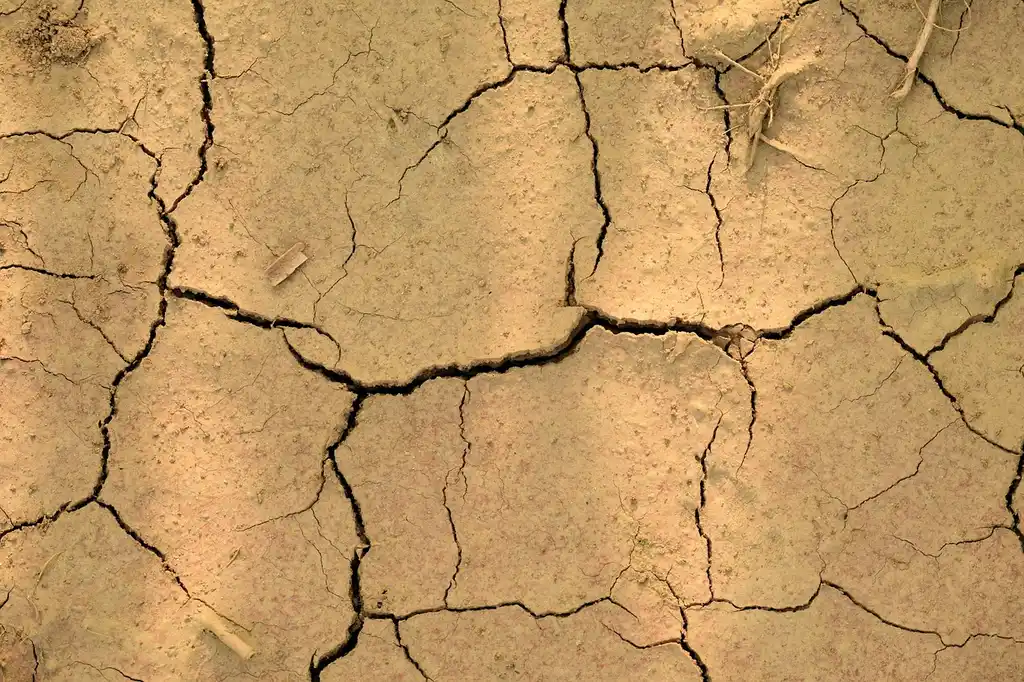
Signs Your Landscape Soil Has Poor Structure: Fixes
Soil has poor structure when it stays dense, crusts, or sheds water; if a screwdriver will not push in 6 to 8 inches after rain, suspect compaction. If you leave it alone, roots stay shallow and plants decline, and you can miss the real cause. This guide shows how to tell poor structure from drainage or grading issues and choose the next step.
This guide is part of our Soil and landscape basics for gardeners series.
What poor soil structure means in a bed



Poor soil structure means the soil particles are packed or arranged so tightly that air, water, and roots cannot move through the root zone well. In beds, that often shows up as compacted topsoil, standing water, crusting, or shallow roots under mulch.
Structure problems are not the same as a “bad plant.” A shrub can decline in one bed while the same species performs normally elsewhere because the root-zone conditions differ. That is why the diagnosis starts with the soil, then moves to the plant.
Why beds fail in the same spots each year
Repeated failures usually point to site conditions, not a single unlucky plant. High-traffic entry zones, mower paths, pet routes, clay-heavy fills, and low spots often create the same stress year after year. If a bed holds water after rain or hardens by midsummer, soil structure is part of the answer.
Picture a front bed beside a sidewalk where shrubs thin out every season. The mulch looks fine, but the soil beneath it is dense and wet after storms. In that case, adding fertilizer would not fix the root-zone problem.
When the problem is soil, not the plant
If several plants in the same bed show the same symptoms, think site issue first. Shallow roots, poor vigor, yellowing after rain, and repeated dieback in the same spot often point to compaction, poor drainage, or grading errors. A single plant problem usually does not repeat with this pattern.
How can you tell if soil is compacted?

Compacted soil is hard ground that resists a screwdriver, trowel, or hand probe. It often forms in high-traffic areas from foot traffic, mower wheels, kids, pets, and clay soils. Compaction reduces root expansion and slows water infiltration, so roots stay near the surface.
Use the screwdriver test in damp soil
The screwdriver test is a simple at-home check. Push a regular screwdriver into the soil when it is damp, not saturated. If it meets strong resistance or stops well before 6 to 8 inches, the soil may be packed too tight for healthy root growth.
Dry soil can feel hard even when structure is acceptable, so timing matters. Damp soil gives a better read on actual compaction. If the tool slides in only in the upper layer and then stops, the root zone may have a dense pan or traffic layer below.
Look for hard ground in high-traffic zones
Compaction often shows first near walkways, stepping stones, driveway edges, and bed corners people cross to prune shrubs. Soil in these spots can form a hard cap or a dense layer a few inches down. That layer blocks both roots and water movement.
Read root symptoms in thin or stalled shrubs
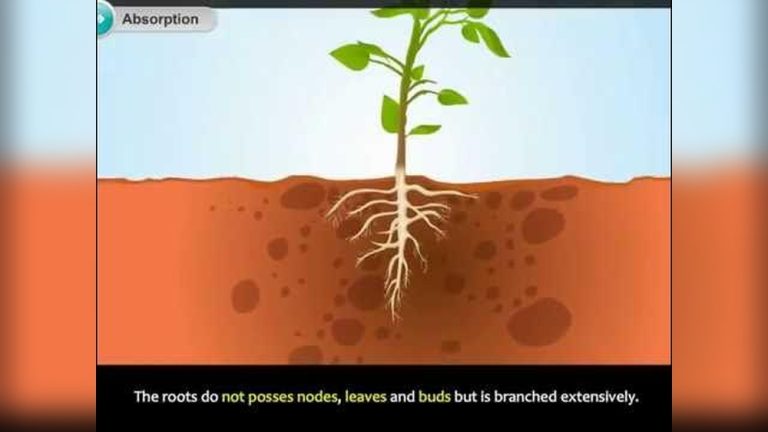
Roots in compacted soil often spread sideways instead of moving down. Shrubs may leaf out weakly, stall in dry weather, or grow unevenly because the root zone is shallow. Thin or patchy growth is often a sign that roots are not establishing well below the mulch.
Why does water pool in beds after rain?
Water that stands after rain, or lingers for some time, usually signals poor drainage. The cause may be compaction, heavy clay, or a low spot that collects runoff. Prolonged wet soil can lead to root rot and fungal disease, especially around shrubs.
Standing water versus slow drainage
Not all wet soil means the same thing. A bed that drains within a few hours after a storm may be acceptable, while water that still sits the next day points to a structural or grading issue. If the bed stays soggy, roots lose oxygen.
Low spots, clay, and packed soil
Clay-heavy beds drain slowly because fine particles leave little pore space. Compaction makes that worse by closing the pores that should move water downward. A low spot adds a third problem: runoff collects there instead of dispersing.
When pooling points to regrading instead of amendment
If water pools because the bed slopes toward the house, sidewalk, or a depression in the yard, amendment alone will not solve it. In that case, regrading may be the right fix. Additions to the soil can help structure, but they do not correct a broken slope.
What visual clues show poor soil structure underground?
Excavated soil can reveal structure problems that the surface hides. Dense layers, smearing, crusting, and weak crumbs all suggest poor pore space. Healthy soil usually breaks into stable aggregates rather than sticky ribbons or hard slabs.
Crusting, smearing, and dense layers in a dug sample
Dig a small hole and inspect the sidewall. A shiny, smeared face often means the soil was worked wet or is naturally clay-heavy and compacted. Surface crusting after rain also points to weak structure and poor infiltration.
Weak aggregate stability
Good structure holds together in small aggregates that resist slaking when wet. Poor structure falls apart into dusty fines or dense clods. That difference matters because aggregates create the pore spaces roots need for air and water.
Shallow roots that spread sideways
When roots stay near the surface, the soil below them is usually limiting growth. The plant may survive, but it cannot anchor or explore deeply. That makes shrubs more vulnerable to heat, drought, and uneven moisture.
Can moss, weeds, and thatch point to soil problems?
Yes, but they are clues, not proof of one single cause. Moss often appears in damp, shady beds and can point to acidic soil or poor drainage. Taproot weeds such as dandelions and plantain often move into compacted ground. Spongy thatch suggests surface-layer problems and low microbial activity.
What moss suggests in shady, damp beds
Moss likes moisture and reduced competition. If it shows up in a bed that stays damp under trees or beside a north-facing wall, drainage and shade are part of the story. Moss can also appear where soil is more acidic, but it does not prove pH is the only issue.
Why dandelions and plantain appear in hard soil
Taproot weeds often exploit cracks and weak spots in compacted ground. Dandelions and plantain can signal a hard layer below the surface, especially when the surrounding ornamentals struggle. Their presence tells you the soil is open enough for opportunistic weeds, not necessarily healthy for shrubs.
What a spongy thatch layer says about surface conditions
Thatch is a spongy layer of partly decomposed stems and roots above the soil surface. In turf-adjacent beds and edging areas, it often links to low microbial activity and poor breakdown of organic debris. Aeration and dethatching can be part of the response when that layer is part of the problem.
When does pH matter, and when is it a distraction?
pH matters when plants show uptake problems, but it should not replace a structure check. Many turfgrasses grow best in a near-neutral pH range. Soil that is fairly acidic can reduce nutrient uptake. Lime raises pH, while sulfur lowers it, but a soil test should guide both.
Reading pale growth without guessing too soon
Pale leaves can point to nutrient uptake problems, but they do not prove the cause is pH. Poor drainage, compacted roots, or shallow planting depth can produce similar symptoms because roots cannot function well enough to feed the plant.
How lime and sulfur fit after a soil test
Use lime only when a test shows the soil is too acidic for the plants you are growing. Use sulfur only when the soil is too alkaline for the target plants. pH fixes work best after structure and drainage issues have been separated from chemistry issues.
Use this soil diagnosis checklist
Use this checklist to score the site before you add amendments. Count one point for each sign present. The goal is to map the problem to the next action: aerate, amend, regrade, or rebuild the bed.
| Sign | What you see in the bed | Score | Next action |
|---|---|---|---|
| Compaction | Screwdriver resists 6 to 8 inches in damp soil | 0 or 1 | Aerate first |
| Drainage | Water pools or lingers for a day or more | 0 or 1 | Regrade if slope is wrong; otherwise improve drainage |
| Root symptoms | Thin, stalled, or shallow-rooted shrubs in the same spot | 0 or 1 | Check compaction and root depth |
| Soil texture | Crusting, smearing, or dense layers in a dug sample | 0 or 1 | Amend after diagnosis, not before |
| Biological clues | Moss, dandelions, plantain, or spongy thatch | 0 or 1 | Pair with drainage or aeration fix |
| Chemistry clue | Pale growth with no clear watering issue | 0 or 1 | Soil test for pH before liming or sulfur |
How to read your score
0 to 1 points: the bed may be mostly sound, and the symptom may come from planting depth, irrigation, or weather. 2 to 3 points: aeration and targeted organic matter additions are reasonable first steps. If the score is in the upper range, stop guessing, because the bed may need regrading or rebuilding rather than more amendments.
- Check the screwdriver test in damp soil.
- Look for pooled water a day after rain.
- Dig a small inspection hole and read the layers.
- Note moss, taproot weeds, and thatch together.
- Test pH only after structure and drainage are assessed.
- Choose aerate, amend, regrade, or rebuild based on the full pattern.
When to stop adding material and change the bed plan
Stop amending when the problem is a slope, a chronic low spot, or a dense layer that returns after every rain. Organic matter helps soil resist compaction and improves porosity over time, but it cannot fix a bed that is physically misplaced or badly graded.
Say your side-yard bed beside a driveway stays wet for 24 hours after storms and shrubs die back at the base. In that case, a shallow amendment layer will not solve the issue. Regrading and, in some cases, rebuilding the bed may be the better long-term answer.
Frequently asked questions
What are signs of poor soil structure in a bed?
Poor soil structure shows up as hard ground, crusting, slow drainage, shallow roots, and repeated plant decline in the same spot. If a screwdriver resists in damp soil, or water lingers after rain, the bed likely has a root-zone problem rather than a plant-only problem.
What is a sign of soil instability in a yard?
A sign of soil instability is repeated shifting between soggy and crusted conditions, especially after rain. That pattern can mean weak structure, poor drainage, or a low spot that collects runoff. In beds, unstable soil often leaves roots exposed to both waterlogging and drought stress.
How do I know if soil is healthy?
Healthy soil drains without pooling, lets a screwdriver move through damp ground without strong resistance, and supports steady root growth. It also holds enough organic matter for good porosity. In a bed, healthy soil should not stay hard, shiny, or waterlogged for long.
What are indicators of healthy soil?
Indicators of healthy soil include stable crumb structure, visible root penetration, quick but not excessive drainage, and fewer crusted patches on the surface. You should also see fewer stress clues such as moss takeover, shallow roots, or repeated dieback in the same bed.
Can weeds and moss mean my soil structure is bad?
Yes, they can point to trouble, but they do not prove a single cause. Moss often appears in damp, shady, acidic spots, while dandelions and plantain often move into compacted ground. Read those clues with drainage and root symptoms before choosing a fix.