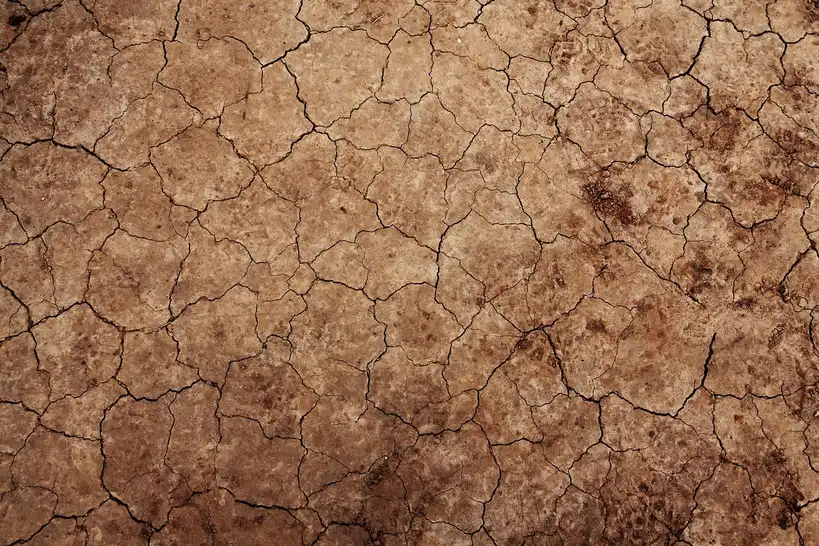
How to Fix Compacted Soil in High-Traffic Yard Areas
Fix compacted soil in high-traffic yard areas by cutting repeated traffic first, then matching the repair to severity: light compaction gets aeration and topdressing, moderate compaction needs core aeration plus organic matter, and severe compaction may need soil replacement or a path. Leave it untreated and water runs off, roots stay shallow, and thin or muddy patches keep returning. This guide shows how to spot compaction, judge severity, and choose the right fix for lawns, pet runs, side yards, play areas, and driveway edges.
What compacted soil looks like in busy yard zones

Compacted soil has fewer pore spaces, so air, water, and roots move through it poorly. In high-traffic zones, that usually shows up first as puddling, runoff, thin turf, slow drainage, and soil that feels hard under a screwdriver or trowel. The spots that take repeated steps or wheels fail fastest.
Signs that point to compaction, not simple dryness
Dry soil can feel hard, but compaction usually brings poor infiltration with it. After rain, water sits on top instead of soaking in, grass turns patchy, and roots stay shallow. Compacted soil and plants don’t work well together because roots cannot spread below the surface.
Look for a surface that seals over after watering, then crusts again when dry. A screwdriver that stops after a few inches, or a spade that meets strong resistance across the area, points to structure loss rather than a temporary moisture issue.
Why paths, gates, pet runs, and play spots fail first
Traffic concentrates force in the same lines. Gates, side-yard shortcuts, dog routes, delivery paths, and backyard game zones see repeated loading, so the soil densifies there long before the rest of the yard shows trouble. Thin turf makes it worse because the ground takes more direct impact.
Say a two-foot-wide route from the patio to the shed turns muddy every spring. That is not random wear. It is a repeating access pattern, and the repair has to address that pattern first or the same strip will compact again.
How to tell lawn compaction from compacted bed soil
Lawn compaction shows up under turf and can often be corrected with aeration if the grass is still in active growth. Compacted bed soil is different. In beds, shallow roots, crusting, and poor drainage may need a soil test, mulch, amendment, or even a rest period before planting resumes.
Mixed-surface zones need separate decisions. A turf edge next to bare ground may need core aeration on the grass side, fork loosening on the border, and traffic control across the whole strip.
Why does traffic compact soil so quickly?
Repeated pressure pushes particles closer together and squeezes out air spaces. Foot traffic, pets, carts, and vehicle wheels are all common causes of soil compression. Wet soil often compacts faster, and clay soil may rebound poorly once it has been pressed down repeatedly.
Foot traffic, pets, carts, and vehicle wheels
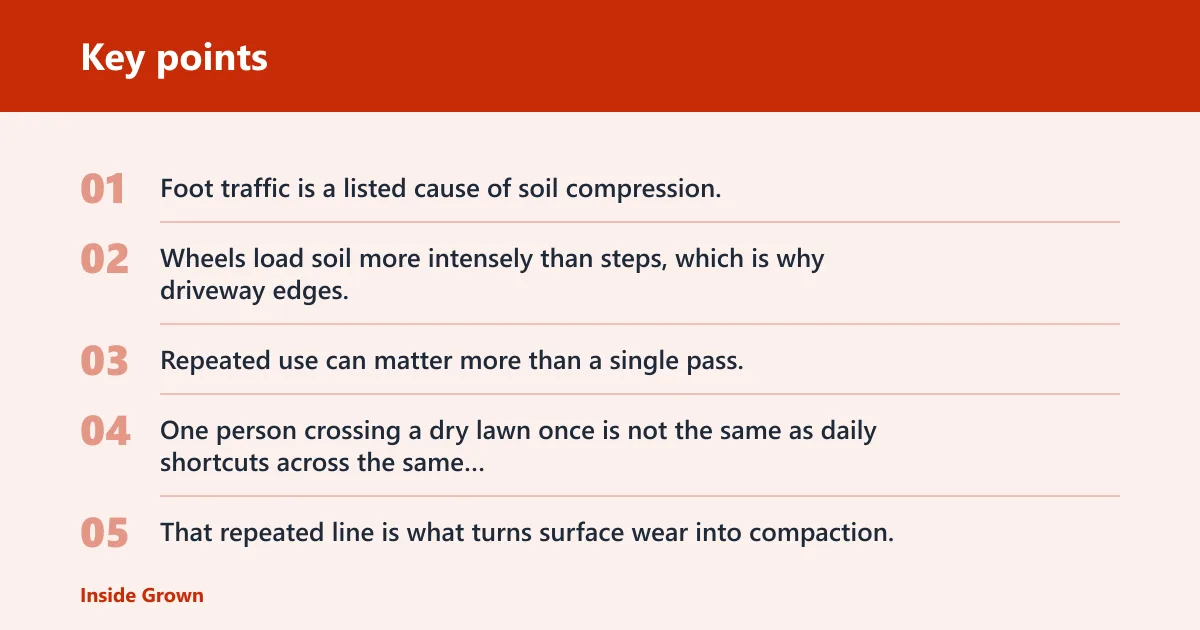
Foot traffic is a listed cause of soil compression, but pets can be just as hard on a small zone because they repeat the same path. Wheels load soil more intensely than steps, which is why driveway edges, trailer turnarounds, and delivery paths can fail quickly.
Repeated use can matter more than a single pass. One person crossing a dry lawn once is not the same as daily shortcuts across the same six feet. That repeated line is what turns surface wear into compaction.
Why wet soil compacts faster
Working with wet soil is a cause of compaction. When the profile is wet, particles move and pack together more easily under weight. That is why the worst damage often follows rainy-week traffic, muddy dog runs, or equipment stored on soft ground.
If you can avoid it, do not aerate or repair while the ground is saturated. Wet soil can smear, seal, and settle again before roots have a chance to recover.
Why clay soil and thin turf are more prone to repeated damage
Clay soil often worsens the cycle because it drains slowly and tightens under pressure. Thin turf leaves less cover, so the soil takes more direct force from steps and paws. Over-tilling can also contribute to compaction later if the surface is left loose, bare, and exposed.
Leaving soil bare to rain can worsen compaction too. Raindrop impact breaks aggregates, then the next round of traffic presses the weakened surface down again.
How serious is the compaction?
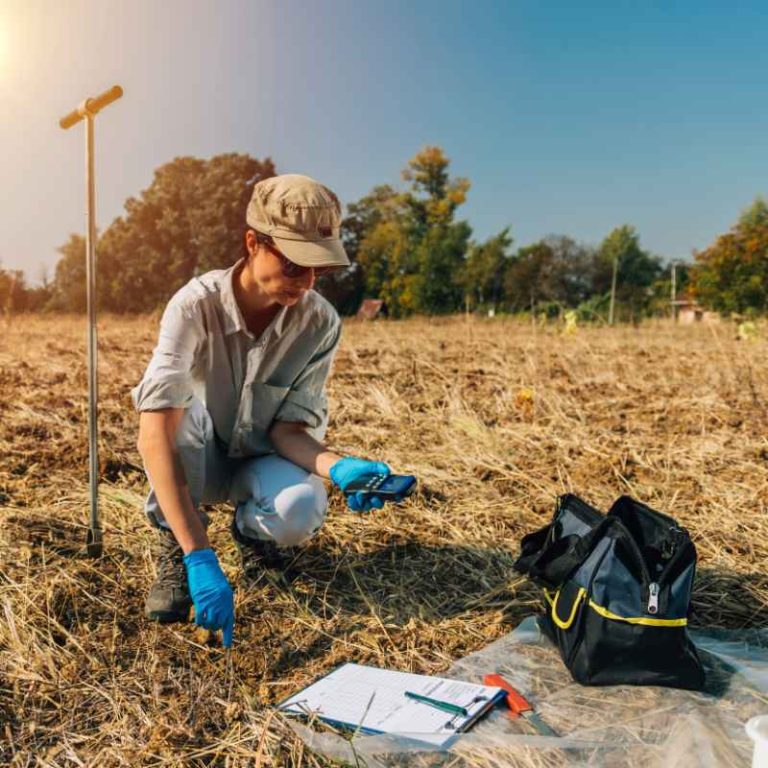
Use a quick field check before choosing a fix. A screwdriver, spade, or garden fork tells you whether the problem is light surface tightness or a deeper structural issue. If water ponds, roots stay shallow, or the soil resists entry through most of the top layer, the damage is more than minor wear.
A quick check with a screwdriver, spade, or garden fork
Push a screwdriver into the soil after rain and again a day or two later. If it still meets strong resistance, the root zone is probably restricted. A garden fork can also help you compare small areas: where it enters easily, compaction is lighter; where it stops abruptly, the zone needs more than patching.
When puddling, runoff, and shallow roots mean the problem is more than light wear
Puddles that linger after ordinary rain, runoff that starts at the same edge every time, and roots that stay near the surface all point to a restricted profile. If turf thins even when watering and fertility look normal, compaction is likely the main issue rather than a simple nutrition problem.
A soil test helps separate those issues. Check pH and nutrient levels before you spend time correcting a surface problem that is really a fertility mismatch.
When to stop patching and consider rebuilding the area
If a zone gets compacted again after rerouting traffic and aeration, the surface may have outgrown its current use. That is common in heavily used corners, under constant pet routes, or where small vehicles cross repeatedly. At that point, rebuilding the area or changing it to a path is often the cleaner solution.
Picture a narrow strip beside a driveway that is used for trash bins every week and foot traffic every day. If the same strip goes muddy after every rain, no amount of spot patching will keep up with the load.
Use this decision matrix to choose the right fix
Match the repair to both severity and surface type. Light compaction on turf can often be handled with traffic rerouting and fork holes. Moderate turf compaction usually needs core aeration and topdressing. Severe compaction, repeated vehicle use, or mixed bare-ground zones may need redirection, protection, rest, or a rebuild.
| Zone type | Compaction level | Best first fix | What to avoid |
|---|---|---|---|
| Turf, small patch | Light | Reroute traffic and use a garden fork for small grassy areas | Repeated spike aeration |
| Turf, broad area | Moderate | Core aeration, then topdress with compost | Surface-only spreading without opening the soil |
| Driveway edge or pet lane | Severe | Redirect traffic, then rebuild or convert to a path | Expecting turf to recover under constant load |
| Bare soil or mixed edge | Light to moderate | Protect the surface, add amendment where suitable, and rest it | Leaving the soil open to repeated traffic |
Light compaction on turf: fork holes or traffic rerouting
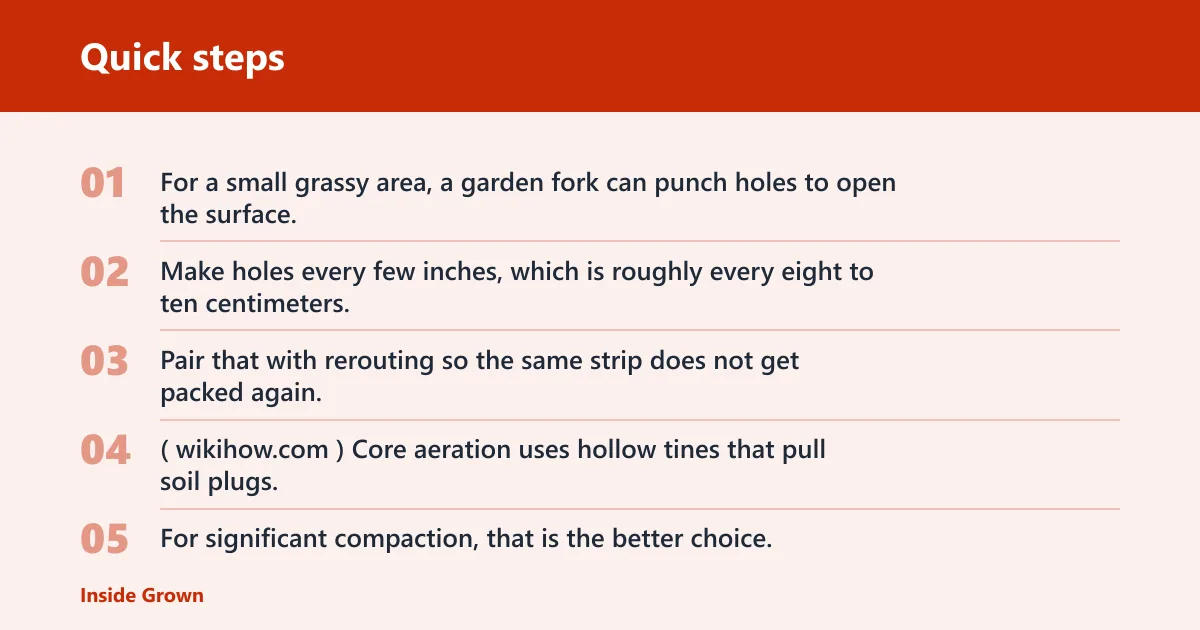
For a small grassy area, a garden fork can punch holes to open the surface. Make holes every few inches, which is roughly every eight to ten centimeters, and focus on the tightest traffic line first. Pair that with rerouting so the same strip does not get packed again. (wikihow.com)
Moderate turf compaction: core aeration plus topdressing
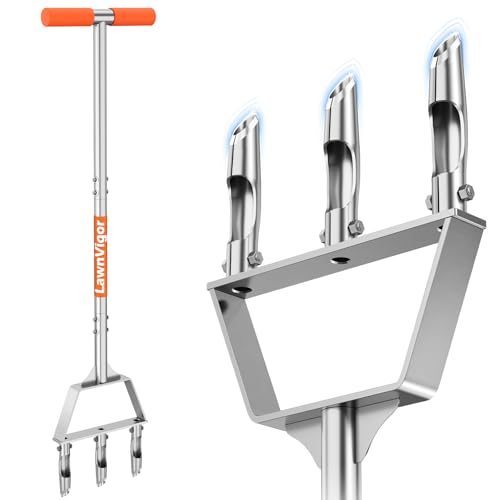
Core aeration uses hollow tines that pull soil plugs, so it opens the profile instead of just poking it. For significant compaction, that is the better choice. The article recommends two passes at perpendicular angles, with holes roughly two to three inches deep, during active growth.
After aeration, topdressing with compost helps fill the openings and support surface structure. It works best when the material can settle into the holes rather than sitting on top of a closed surface.
Severe compaction or repeated vehicle use: rebuild or redirect traffic
If the zone takes wheels, heavy loads, or nonstop foot traffic, treat it as an access problem first. A path, stepping route, fence, or barrier may solve more than repeated repair ever will. In severe cases, rebuilding the area is more realistic than trying to force turf to live under the pressure.
Bare soil and mixed-surface zones: protection, amendment, or rest
Bare ground should not be handled the same way as turf. Where there is no grass to protect the surface, use mulch, temporary barriers, or a resting period. Cover crops can help during rest periods; winter wheat, ryegrass, and tillage radish are common choices because roots can help break up soil while the area is out of service.
Should you reroute traffic before you aerate?
Yes. Reduce pressure first, or the same line will compact again and undo the repair. Barriers, stepping paths, and designated access routes are not optional add-ons in high-traffic areas. They are part of the fix because compaction is driven by use, not only by soil condition.
How to move use away from the worst zones
Start by identifying the exact path people, pets, or carts take. Then move that path, even temporarily, with signs, a fence line, mulch edge, or stepping stones. If a gate opens onto a worn corner, direct traffic toward a more durable route instead of letting everyone cut the same corner.
Why repair fails if the same line stays open
Aeration creates openings. Traffic closes them. That is why repair without access control often looks good for a few weeks and then drops back into the same thin strip. The soil cannot recover if every pass compresses it again before roots grow down.
Which loosening method fits your yard?
Choose the loosening method by area size and severity. A garden fork suits small, grassy spots. Core aeration is the better choice for broader turf areas with serious compaction. Spike aeration is only a light maintenance step, and full rebuilding is the right call when traffic load has outgrown the surface.
Garden fork for small grassy spots and edge zones
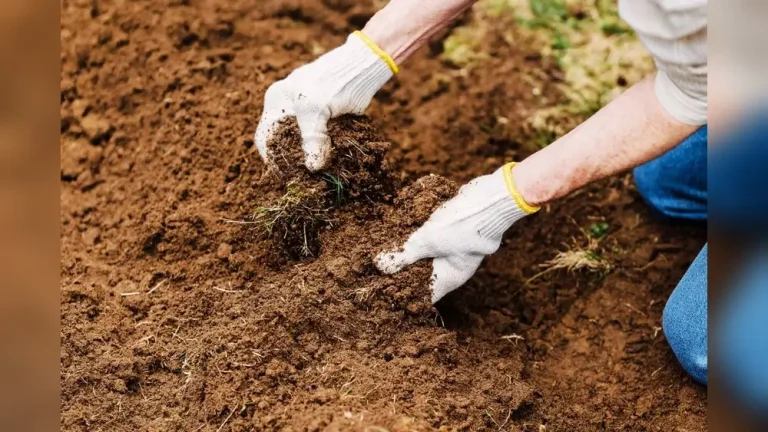
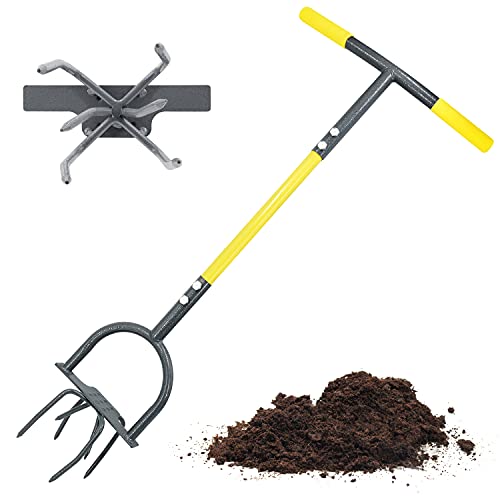
A garden fork works well for small grassy areas and edge zones that are too tight for a machine. Punch holes across the zone, spacing them every few inches, then keep traffic off the spot while roots recover. This is a practical choice for corners, short runs, and narrow entrances.
Core aeration for broader lawn areas with serious compaction
Core aeration pulls plugs of soil out of the lawn, which lowers density and improves air and water movement. It is the right pick when compaction covers more than a small patch or when turf is thinning across a wider traffic lane. Best results come during active growth.
Why spike aeration is limited to light maintenance
Spike aeration uses a solid tine instead of pulling plugs. That means it pushes soil sideways and can increase compaction around each hole. For serious compaction, it is not a real fix. Use it only for light maintenance where the soil structure is still mostly intact.
When digging out and rebuilding is the better call
If the zone is repeatedly compacted by vehicles, heavy foot traffic, or constant pet use, rebuilding often saves time later. That may mean removing the top layer, changing the grade, installing a path, or replacing the surface with a material that matches the traffic pattern.
How do you repair compacted lawn soil after aeration?
After aeration, the next step is to support recovery, not cover the problem back up. Topdress with compost when the soil is open, let plugs break down, and keep traffic low while roots expand. Time the work to active growth so the grass can fill the openings quickly.
When to topdress with compost
Topdressing works best after core aeration because the material can settle into the open holes. Compost is a common choice because it helps surface structure and adds organic matter. Do not rely on spreading alone over closed soil; the openings are what let the material matter.
How active growth and grass type affect recovery timing
Aerate when grass is actively growing. Cool-season grasses include fescue, bluegrass, and ryegrass, and they usually recover best during their main growth periods. Warm-season grasses include bermuda, zoysia, and St. Augustine, so their timing needs to match warm-weather growth windows.
What to do about thatch before or after the repair
Thatch above a modest layer can be a problem. It acts as a barrier, can contribute to moisture problems, and adds weight over time. If thatch is thick, address it as part of the repair plan so water and air can reach the root zone instead of stopping at the surface layer.
The proof asset: a simple improvement checklist
Use a short after-rain check to see whether the zone is recovering. Improvement should show up in drainage, turf response, and root penetration. If the area still puddles, still feels sealed, or still gets hammered by the same traffic line, the underlying cause is not fixed yet.
After-rain checks for drainage and puddles
- Look at the zone after a normal rain.
- Check whether water drains faster than before.
- Note whether puddles disappear sooner.
- Press a screwdriver or trowel into the soil to compare resistance.
How to judge root penetration and turf recovery
Roots should start to move deeper when compaction eases. Turf should also recover more evenly after foot traffic or mowing. If the grass still stays thin in the same line, or roots remain near the surface, the soil is still too tight or the traffic is still too heavy.
What signs mean the area is still being overused
Watch for new rutting, repeated muddy strips, or a hard line where people and pets keep passing. Those signs mean access is still the real problem. Repair can only hold if the traffic pattern changes long enough for the soil structure to stabilize.
Frequently asked questions
how to fix compacted soil in lawn
Start by reducing traffic on the worst strip, then match the repair to the damage. Small spots can get fork holes, broader turf areas usually need core aeration, and severe use may call for a path or rebuild. Topdress after aeration if the soil can still recover.
how to fix compacted soil
First decide whether the soil is under turf, bare ground, or a mixed edge, because each one needs a different response. Then check severity with a screwdriver or fork. Light compaction can be loosened by hand, while moderate to severe compaction often needs aeration, protection, or reconstruction.
how to treat compacted soil in lawn
Treat compacted lawn soil by removing the cause of repeated pressure, then opening the profile with the right tool. Use a garden fork for small grassy areas and core aeration for larger turf zones. Follow with compost-based topdressing and keep the area out of service while it recovers.
how to repair compacted soil
Repair starts with traffic control, because loose soil will compact again if the same route stays open. After that, use the loosening method that fits the zone: fork holes for small spots, core aeration for serious turf compaction, or a rebuild where load and use are too heavy.
how to prevent soil compaction
Prevent compaction by rerouting foot traffic, keeping vehicles off soft ground, and designating paths so people and pets stop crossing the same strip. Protect bare soil from rain and repeated use. If a zone must take traffic often, make it a path instead of asking turf to absorb the load.
how to loosen compacted garden soil
For compacted garden soil, start with a soil test so pH or nutrient issues do not get mistaken for structure problems. Then loosen the soil only when it is not wet, and avoid overworking it. If the bed will rest, cover crops such as winter wheat, ryegrass, or tillage radish can help between uses.